Last Updated on: 25 Sep 2025
Renault Triber Expert Review
Take a closer look at the Renault Triber through our expert inspection. Get insights into its driving experience, comfort, safety features, and overall performance.
Renault Triber pros and cons
We like
Soaks up bumps nicely
Usable third row, even for adults
We don't like
Lots of mechanical noise at speed
Feels underpowered, especially when loaded
Renault Triber expert review
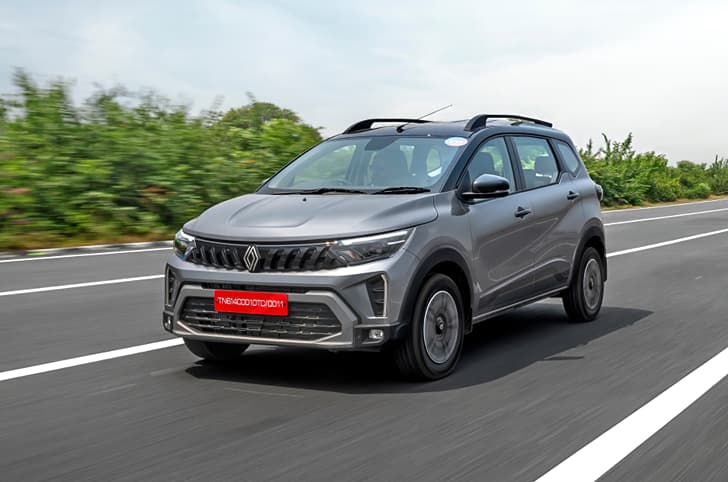
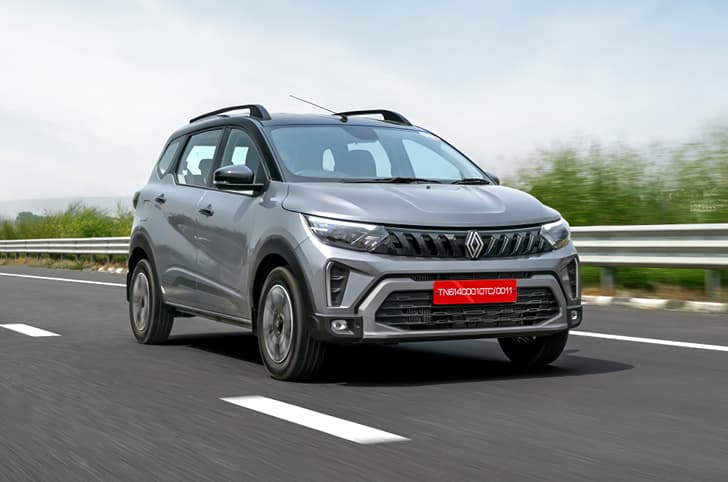
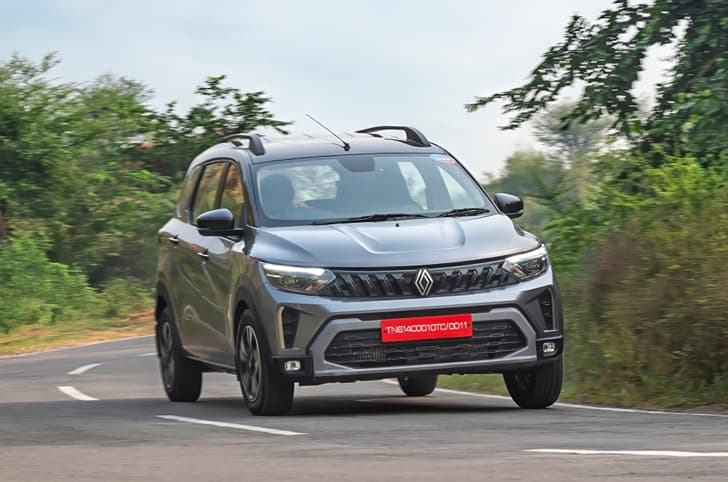
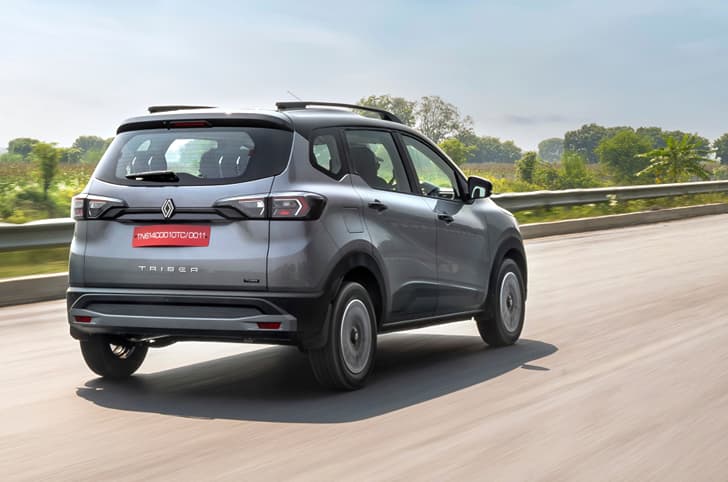
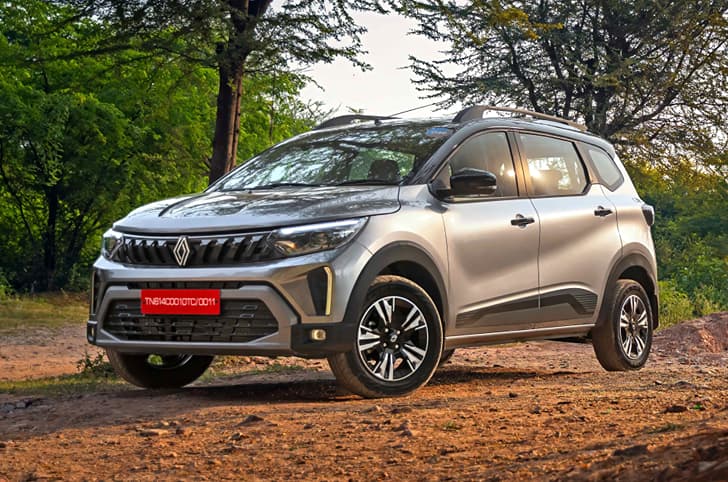
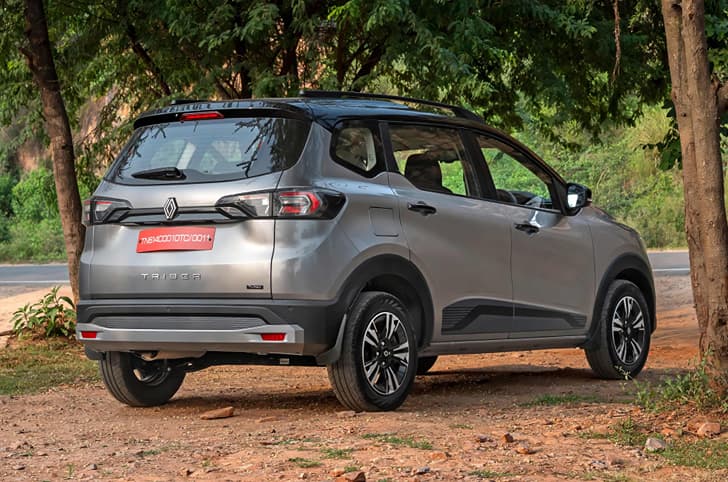
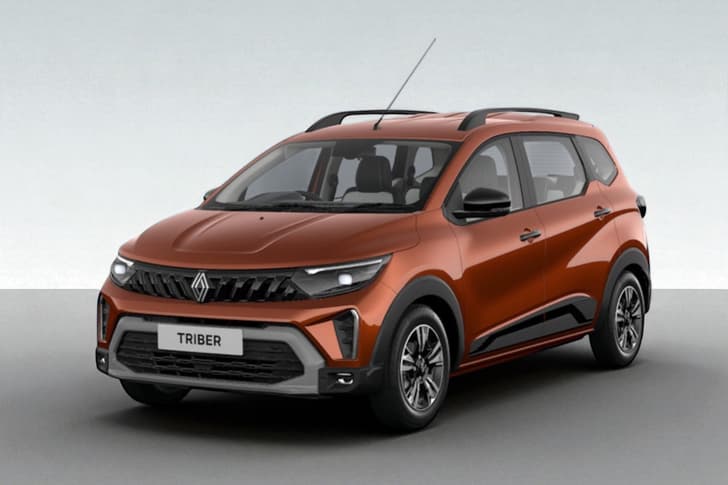
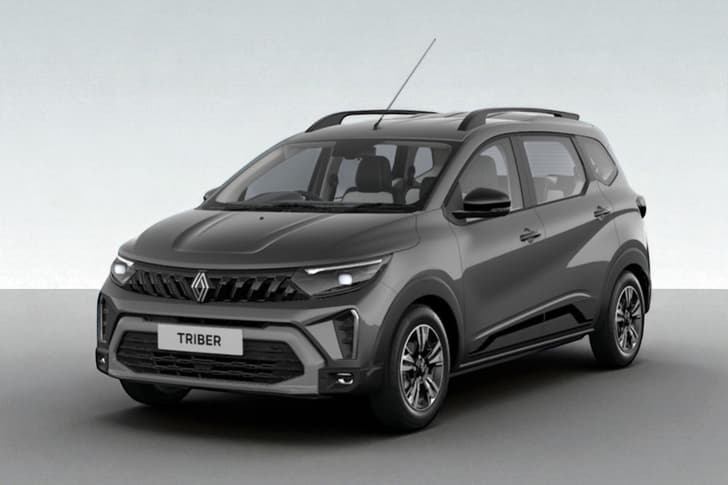
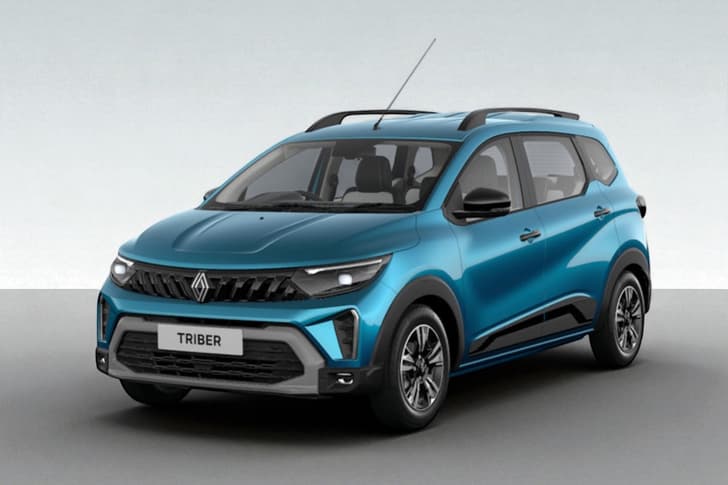
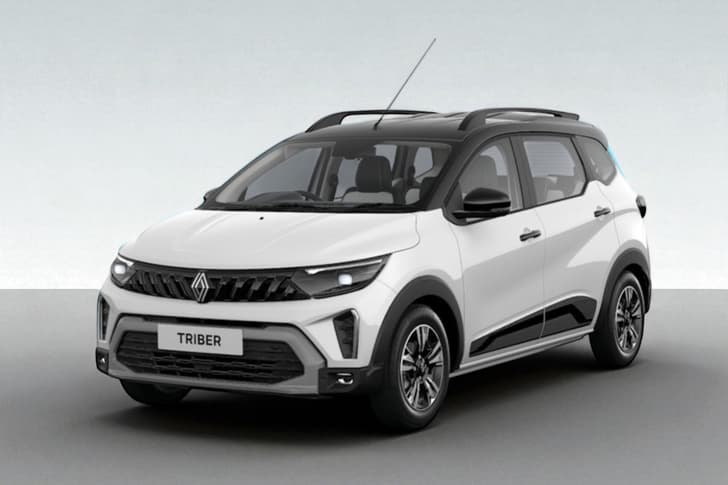
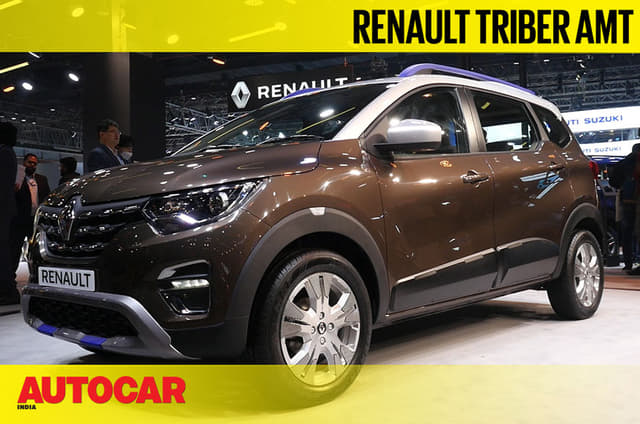
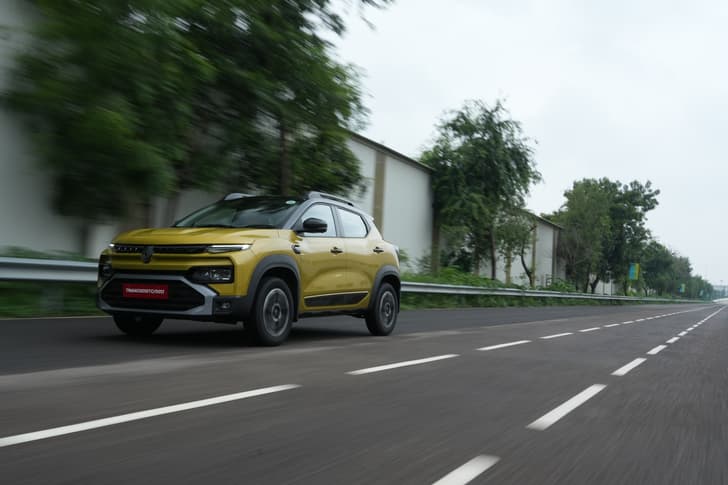
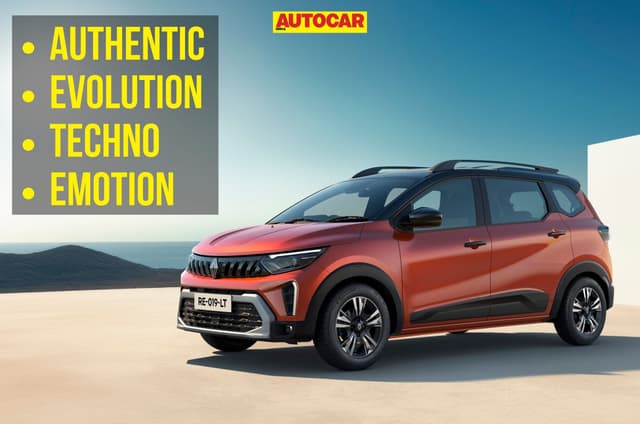
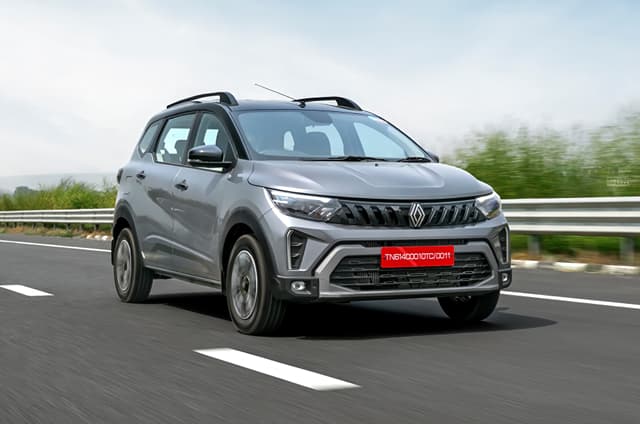
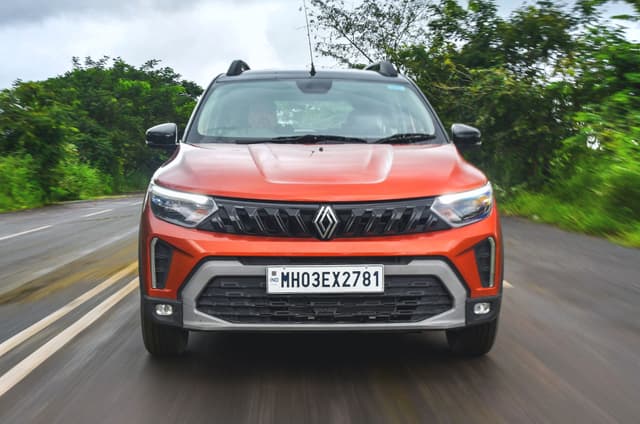
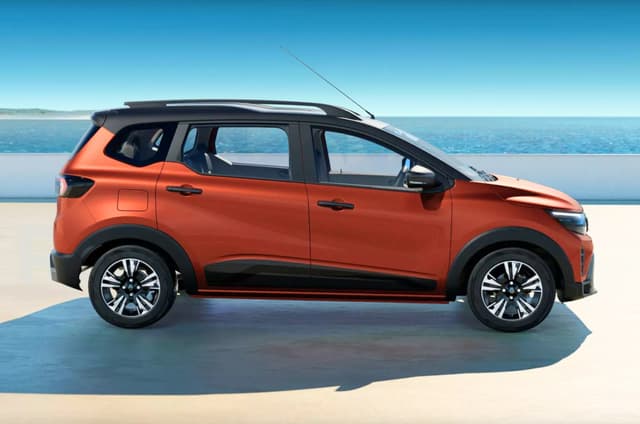
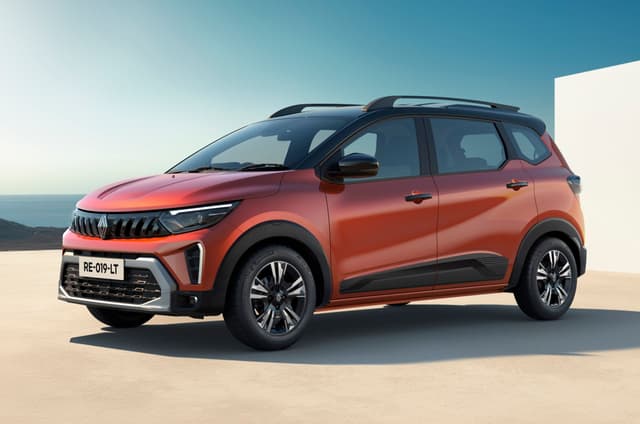
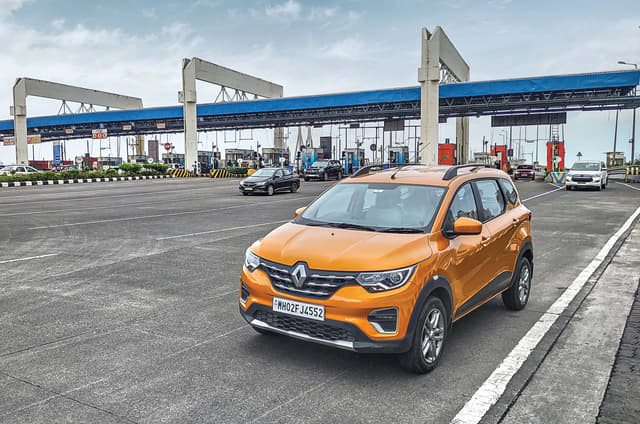
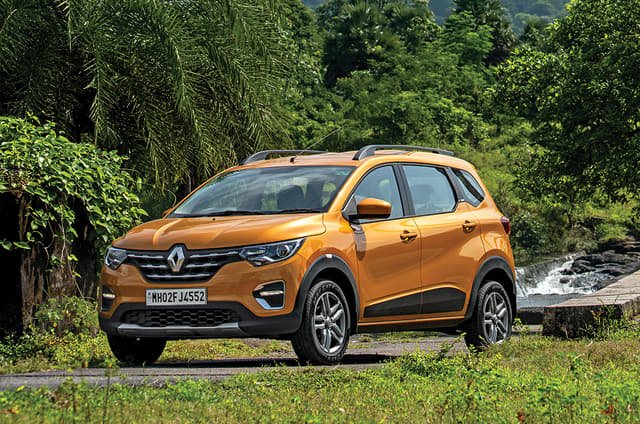
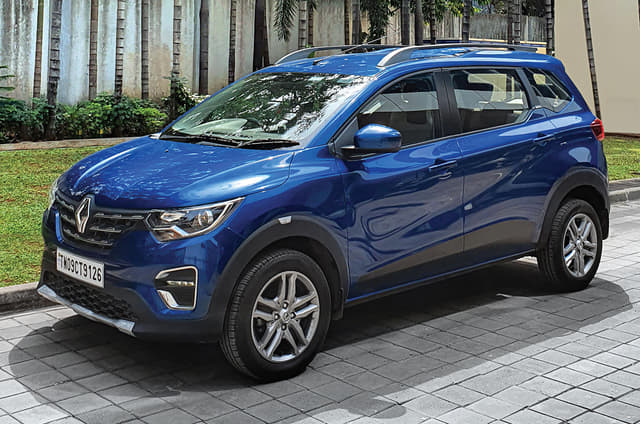
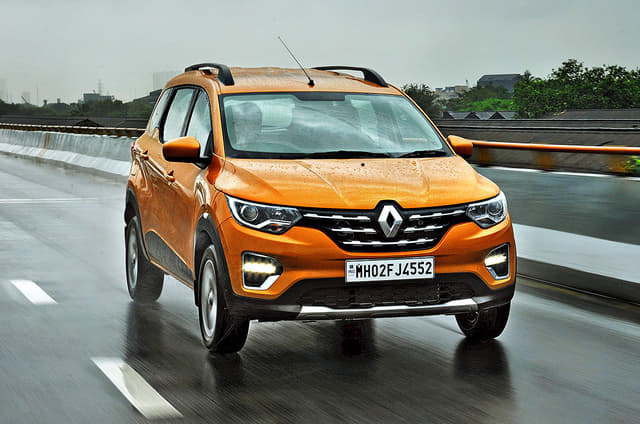
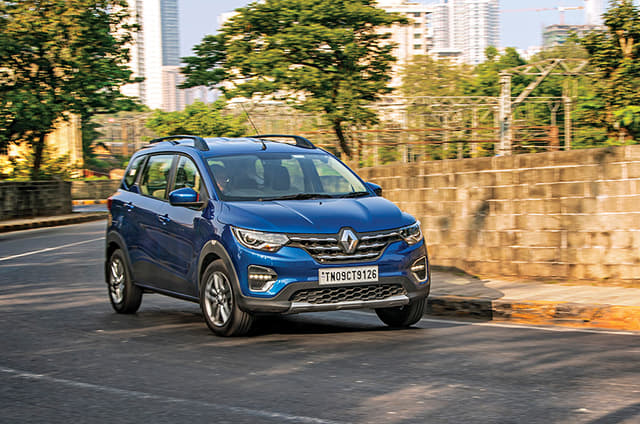
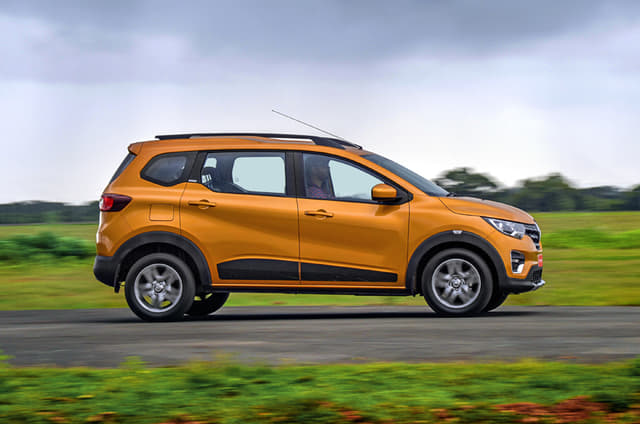
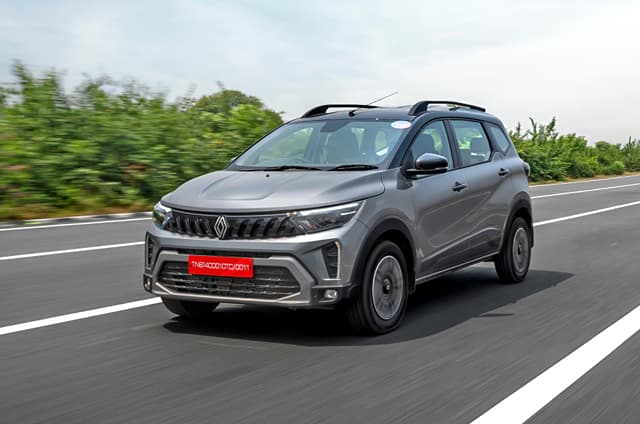
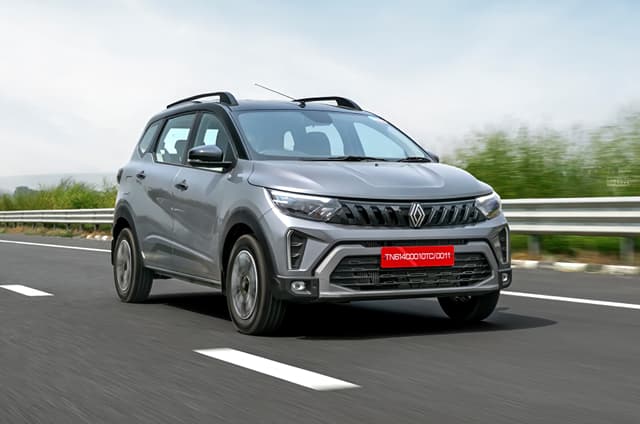
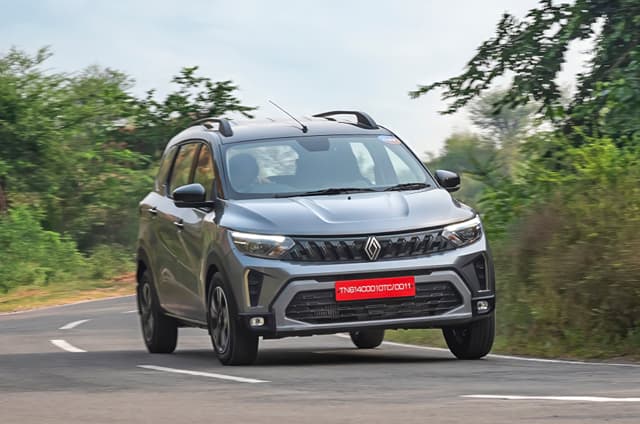
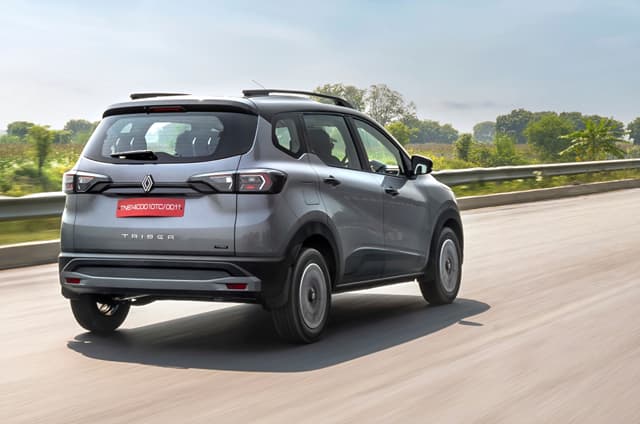
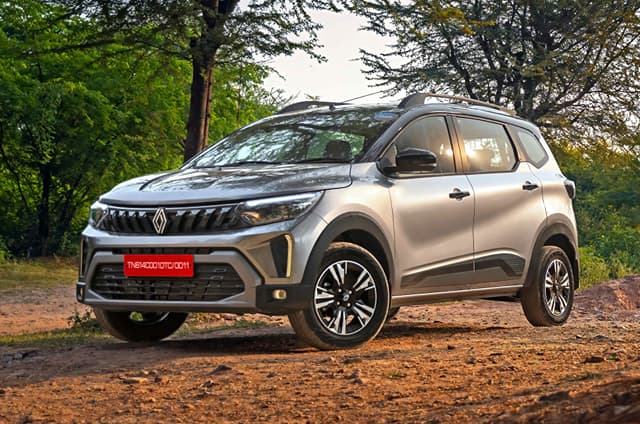
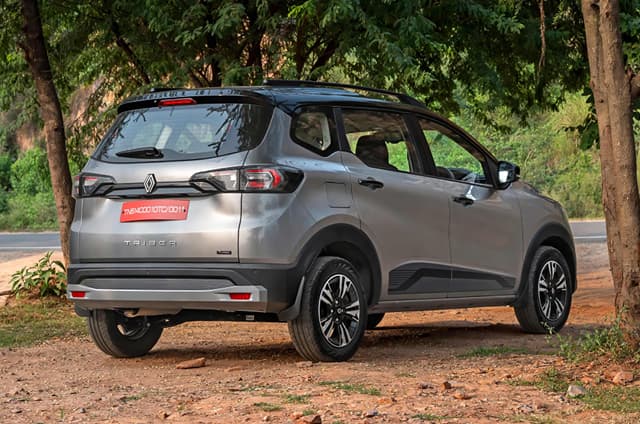
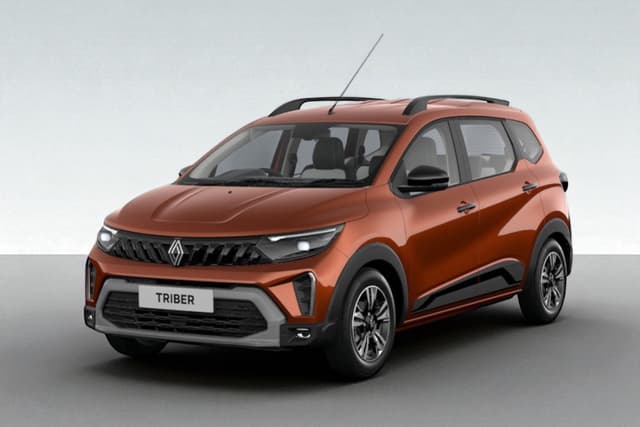
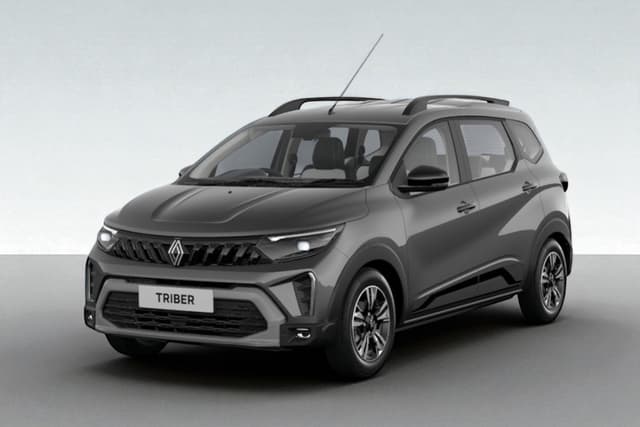
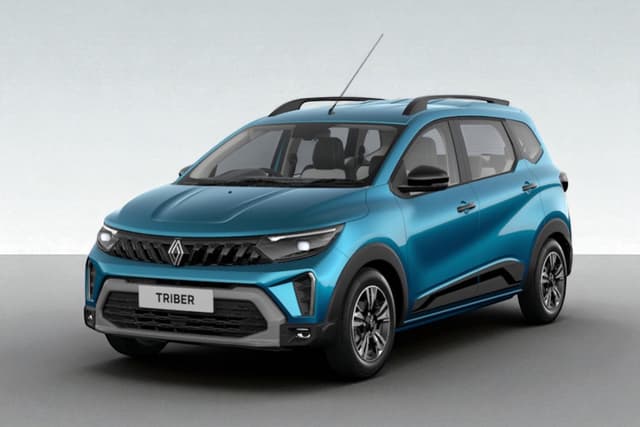
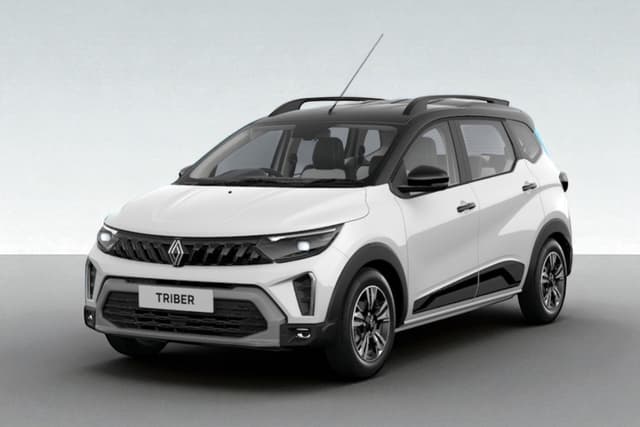
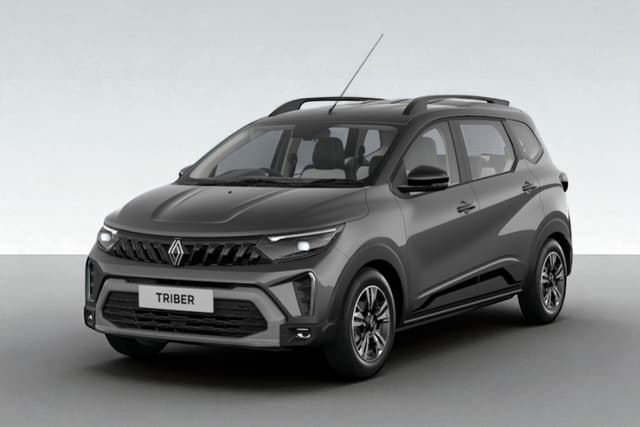
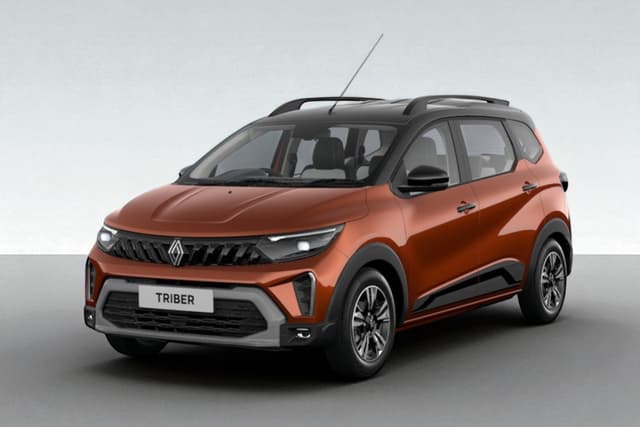
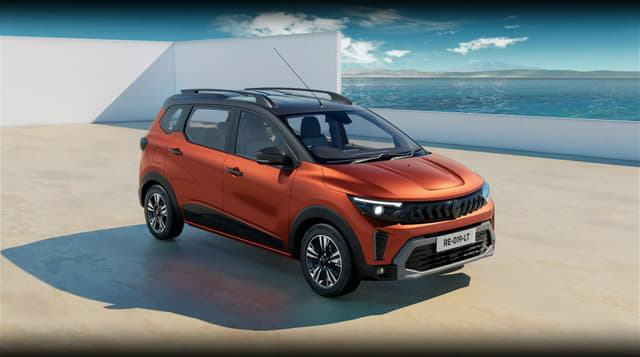
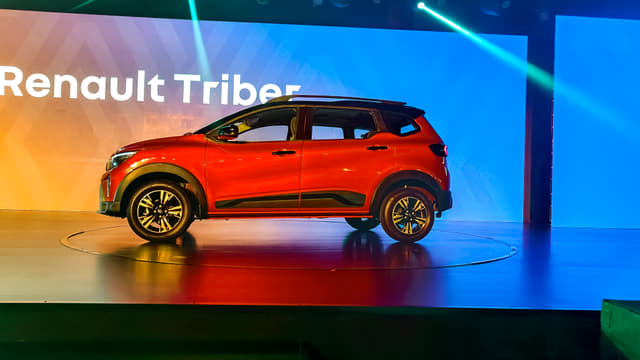
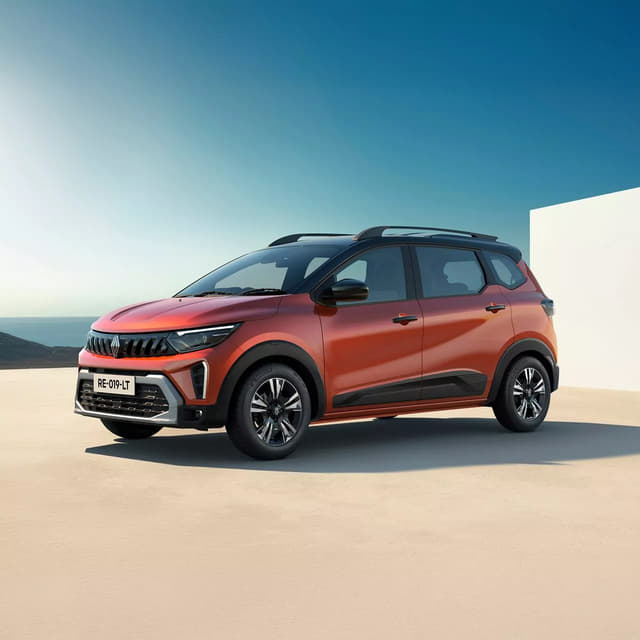
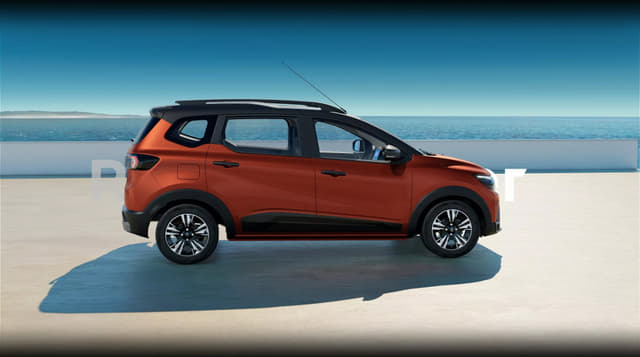
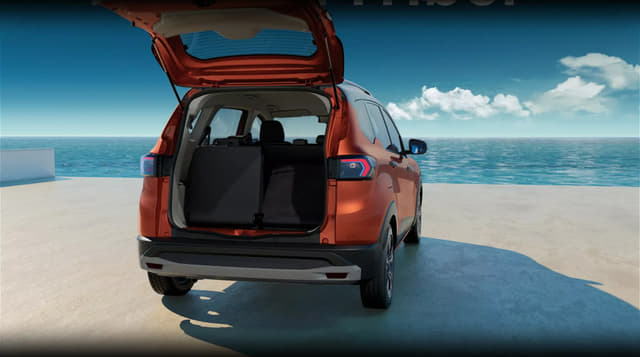
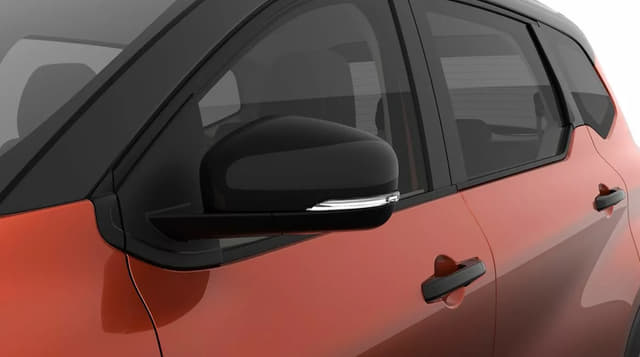
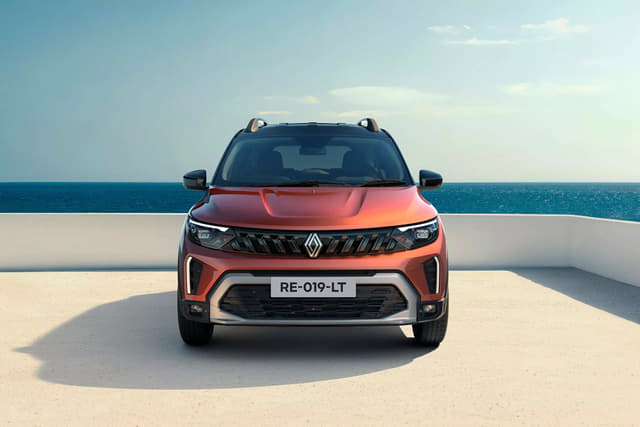
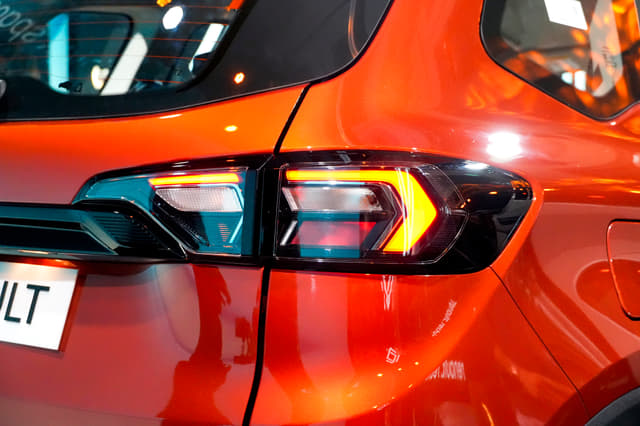
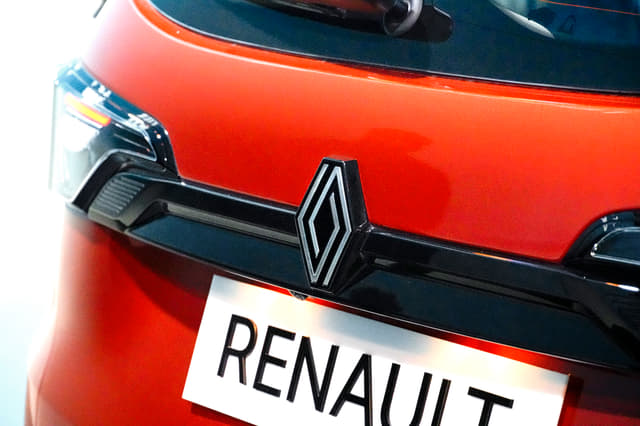
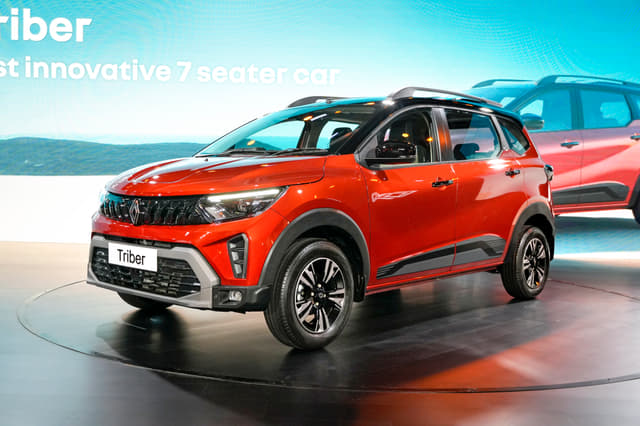
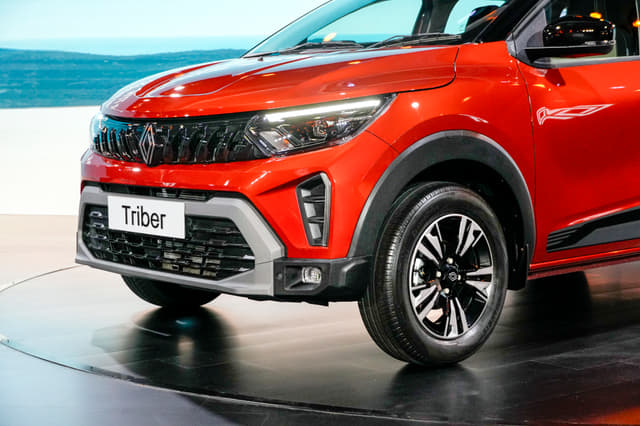
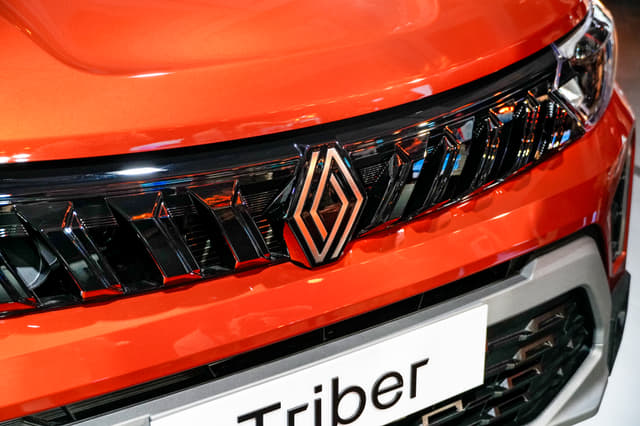
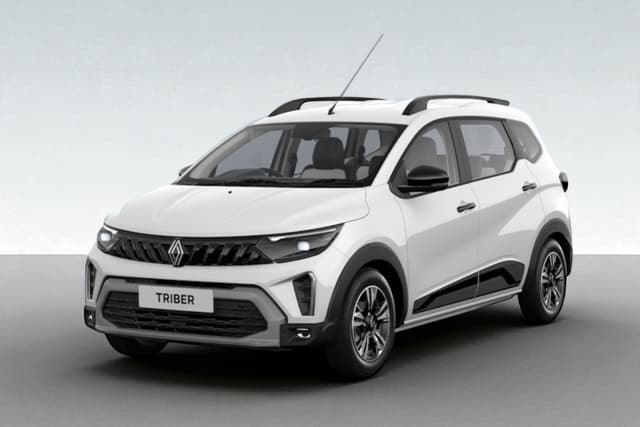
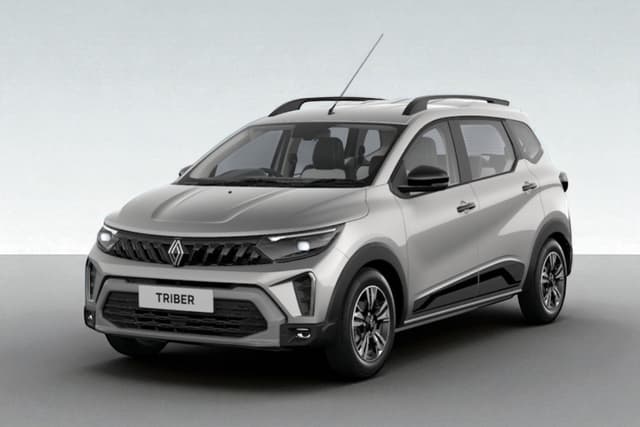
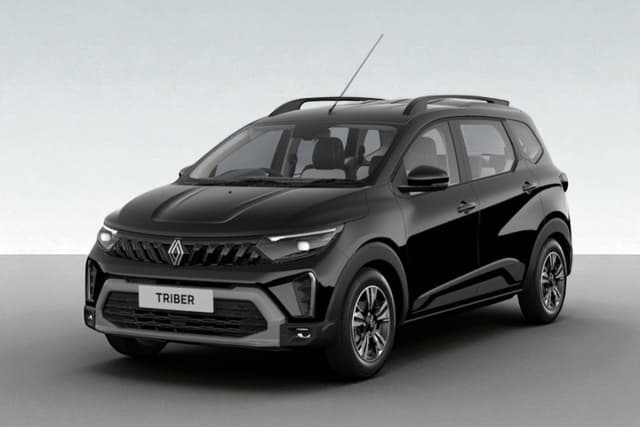
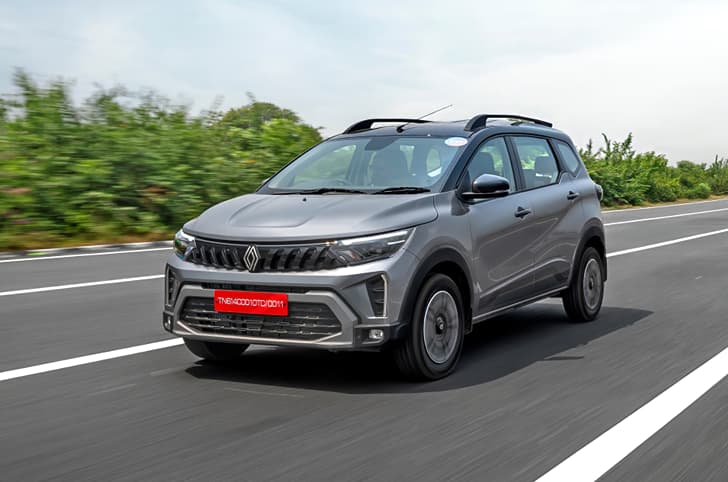
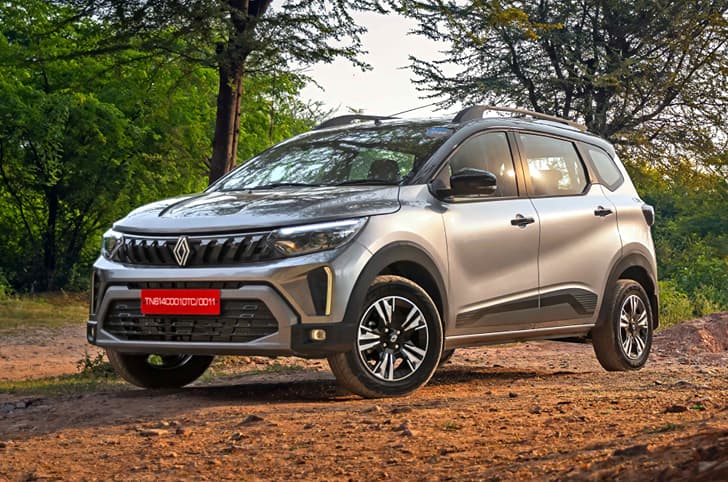
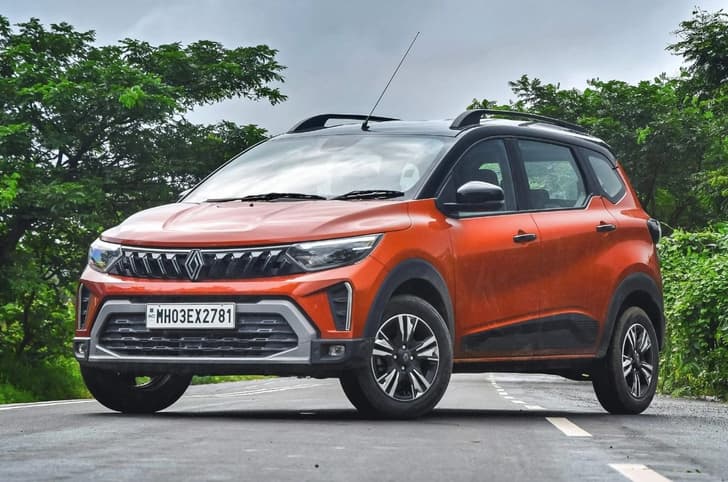
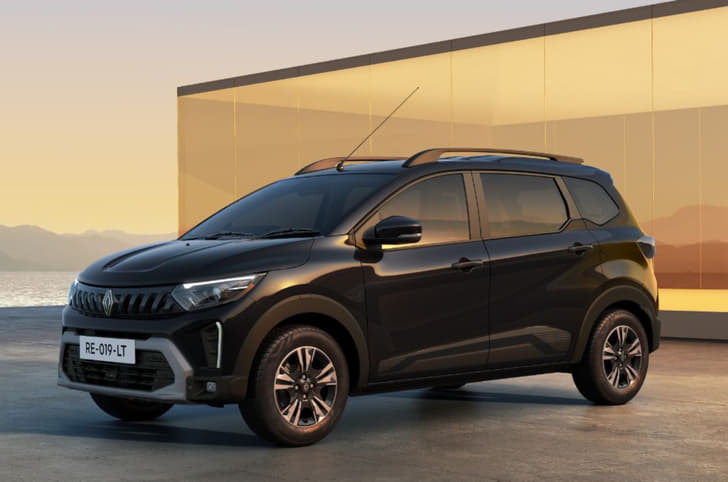
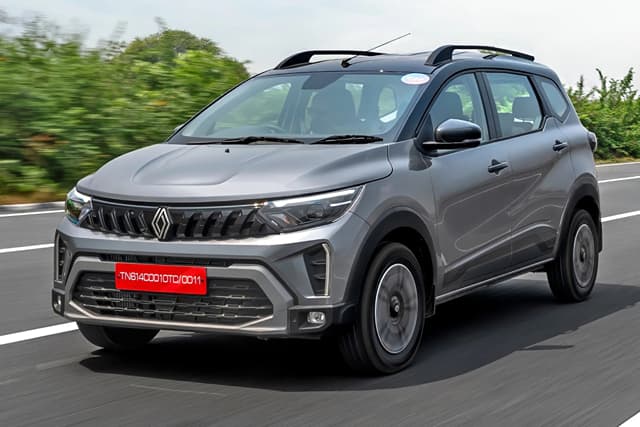
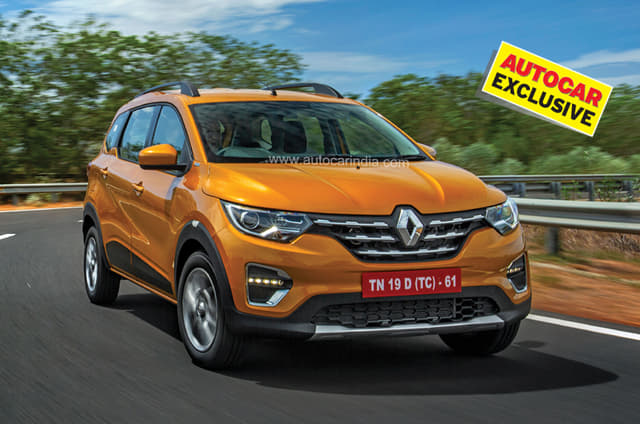
The Triber’s facelift brings a sharper, more defined bonnet with a flat leading edge, while Renault’s new diamond logo sits proudly on a gloss black grille that connects the headlights. The headlights retain their shape but are now LED units, paired with LED fog lamps. The bumper is boxier, with chunky silver trim adding visual heft. In profile, the changes are subtle; 15-inch wheels get new plastic covers that mimic alloys, gloss black door handles match the roof, and door decals get patterns. Functional roof rails carry up to 50kg. At the rear, LED tail-lamps are connected by gloss black trim, with a boxier bumper and Triber script finishing the look.
8
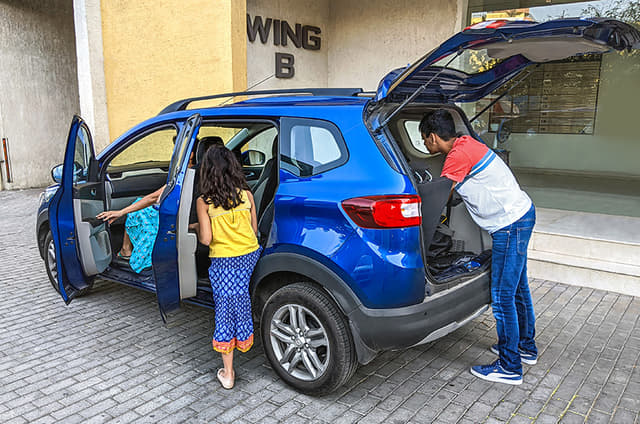
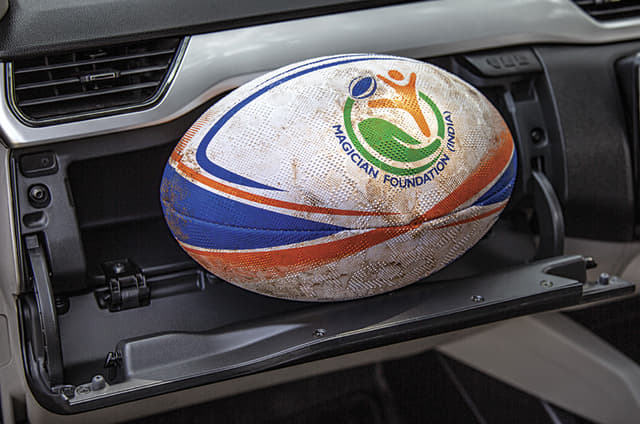
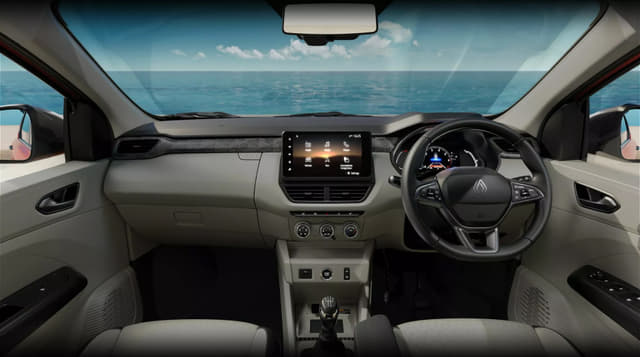
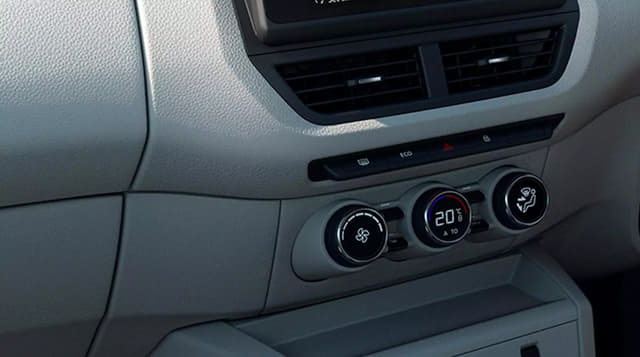
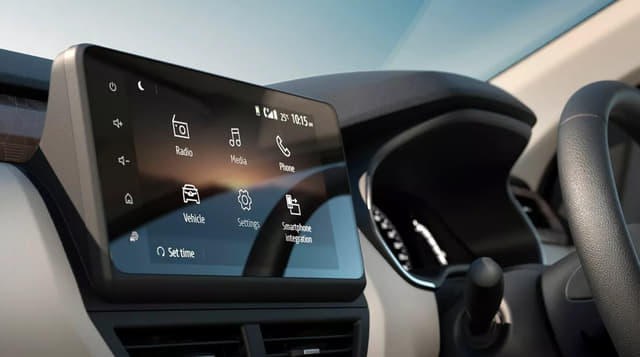
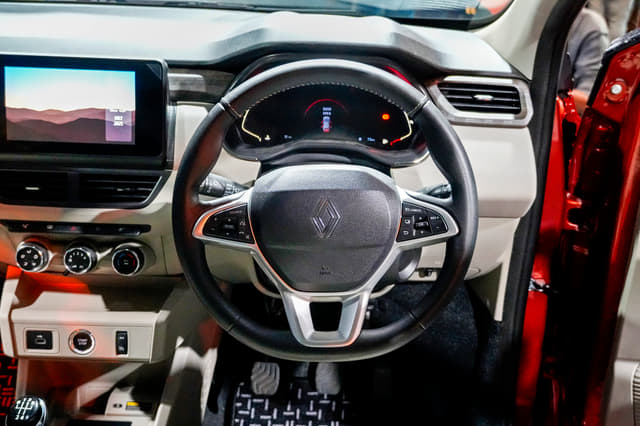
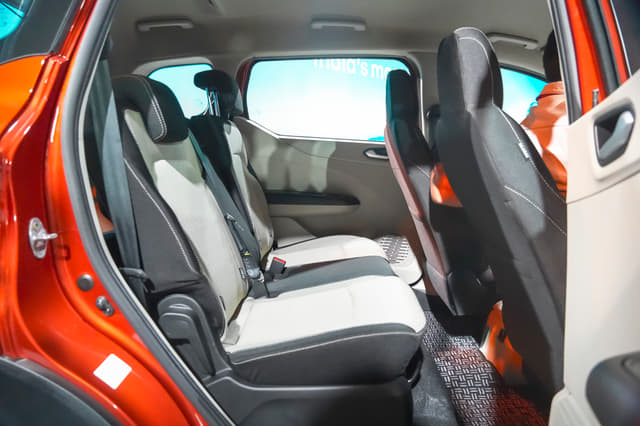
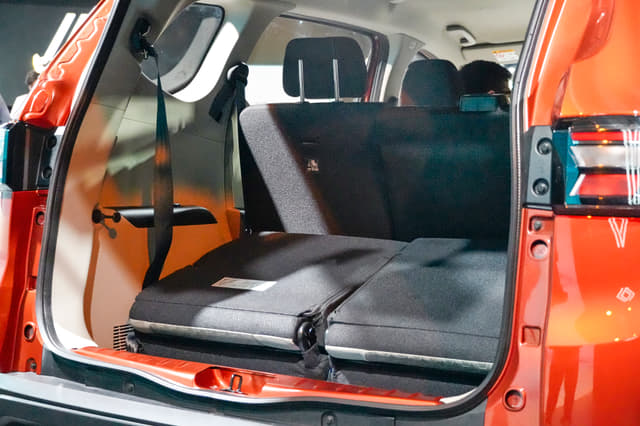
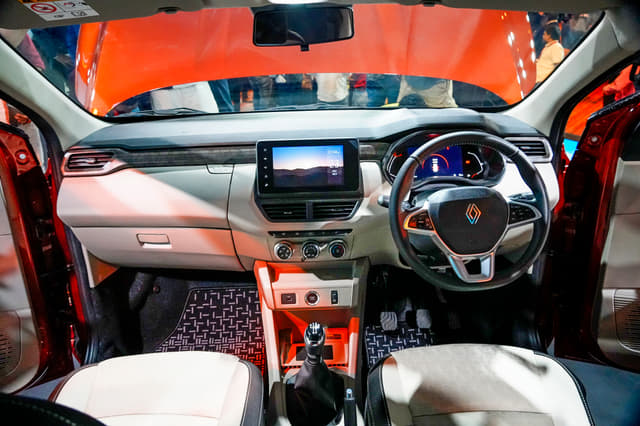
The Triber adopts a new dashboard, with the infotainment screen moved up and HVAC vents lower. The previous black-and-beige theme gives way to Renault’s “Greige” for a lighter ambience, while the silver trim is replaced by matte wood with diamond patterns. The Kiger’s steering wheel is carried over, though only the section between ten and two is leather-wrapped. Storage is clever, with two gloveboxes, a smartphone shelf, a wireless-charging slot, cupholders, a cooled bin, and shallow door pockets. Space remains impressive for a sub-4-metre MPV. Front seats are adequate, though lumbar and thigh support could improve. The second row offers better thigh support, adjustable headrests, sliding/reclining functionality, and decent legroom for tall passengers. The third row, while best for children, is easy to access and surprisingly comfortable for short stints.
9
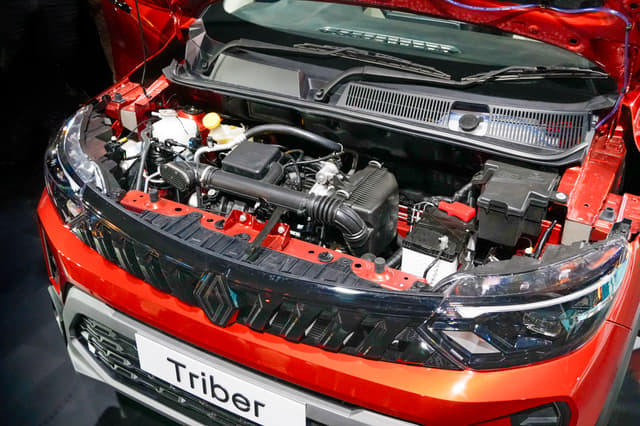
The Triber sticks with its 999cc, three-cylinder engine, producing 72hp and 96Nm, sent to the front wheels via a 5-speed manual or AMT. In the city, performance is adequate enough to keep up with traffic. On the highway, however, overtakes often require a downshift or two, especially with a full load. The engine’s refinement could also be better. The three-cylinder thrum can get loud, accompanied by some transmission whine. Manual shifts are heavier than ideal, with a clutch that has a high bite point. The AMT would be a better choice, though shifts aren’t seamless. However, the AMT is only available on the top-spec Emotion trim, limiting options for buyers seeking convenience.
5
The ARAI mileage figures for the previous version of the Triber stood at 19kpl for the manual and 18.29kpl for the AMT. A CNG variant is also available via a dealer-installed CNG kit, with the factory warranty still applicable.
7
In typical French fashion, the Triber rides with a maturity belying its size. While there is an underlying firmness to the suspension — a result of the fact it has to carry seven and not collapse — it never really gets uncomfortable. Sharp jolts do make it through, but it handles most of what our roads throw at it with composure. Another positive is its stability at speed, which is remarkable for a vehicle that weighs under a tonne. What lets it down, though, is the light and lifeless steering — great when parking, but disconcerting as speeds rise.
7
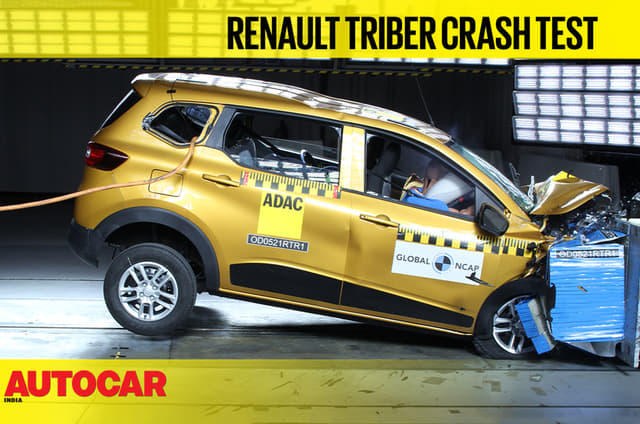
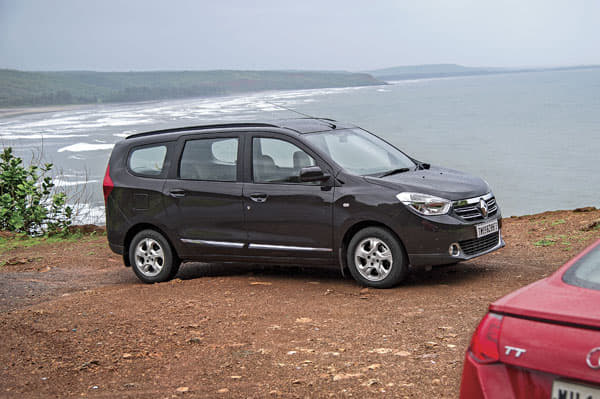
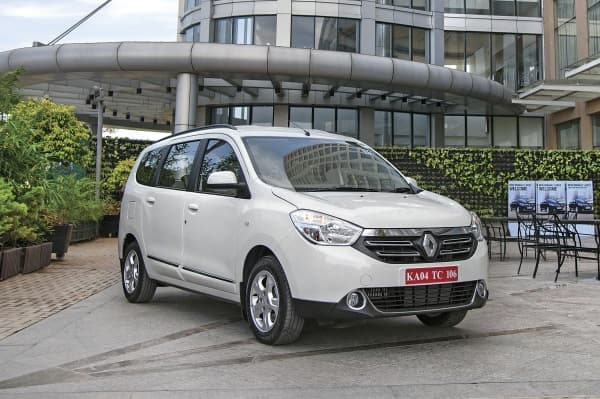
Renault’s facelift adds a few key features, most notably cruise control, auto headlamps, and rain-sensing wipers. The 8-inch infotainment screen, while unchanged in size, gets a new UI. It isn’t the most responsive or crisp, but offers wireless Apple CarPlay and Android Auto. The digital driver’s cluster remains the same — easy to read and logically laid out. Safety is enhanced too, with six airbags and ISOFIX mounts now standard. The Triber also features ABS, EBD, ESP, traction control, hill-start assist, a tyre pressure monitoring system, and parking sensors front and rear. For context, the earlier model scored four stars in Global NCAP tests.
8
There is no hiding the fact that this facelift is largely cosmetic; however, it has done a decent job of bringing the Triber up to date. Unfortunately, its biggest flaw — performance, or the lack of it — also remains. At a starting price of Rs 5.76 lakh, though, it’s hard to argue with the value it offers. For what is distinctly hatchback money, the Triber provides a lot more genuine practicality and versatility. As a family car that can comfortably carry four and plenty of luggage — or occasionally take in seven — there is nothing else out there. The Triber certainly has found a niche and fits into it perfectly.
8
Reviewed by: Lenny D'sa
Renault Triber reviews

Renault Triber Images
Renault Triber videos
.png?w=640&q=75)

.jpg?w=640&q=75)