Lekh Raj Auto Plaza Pvt.Ltd. - Mandi
Rohtak Road, Mandi, Opp. HPCL Bottling Plant, Jind, Haryana 126102
Last Updated on: 04 Sep 2026
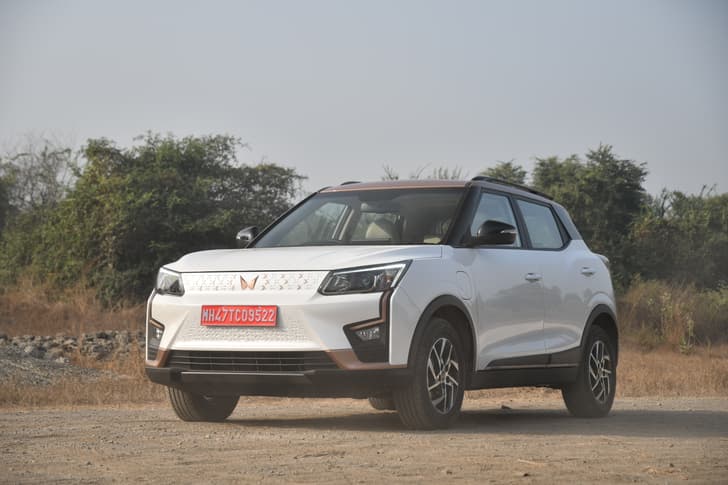
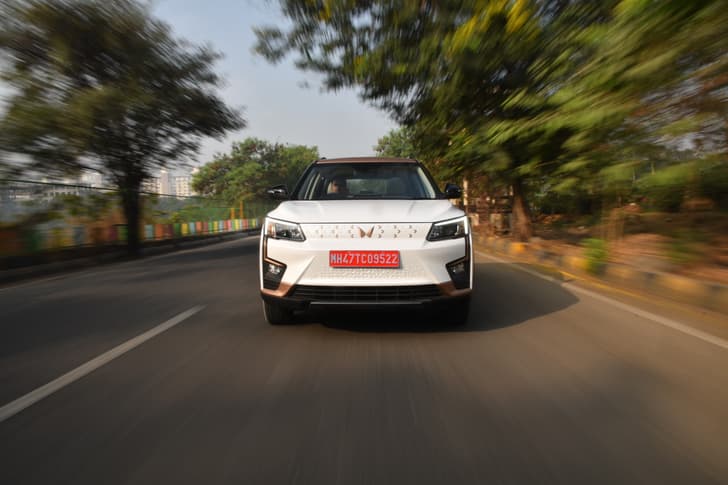
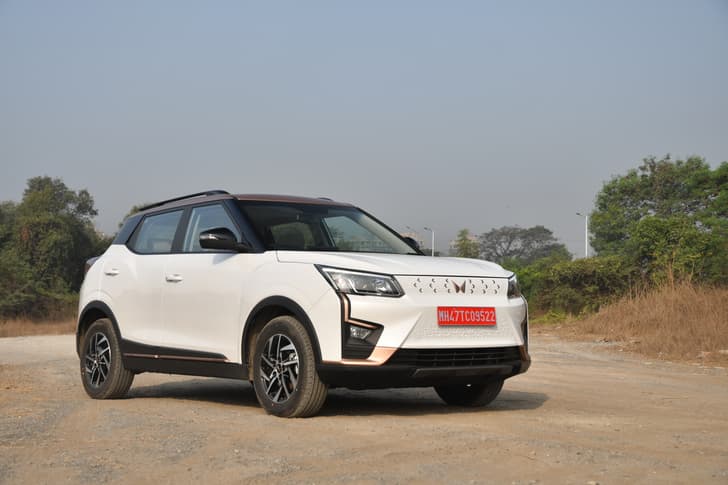
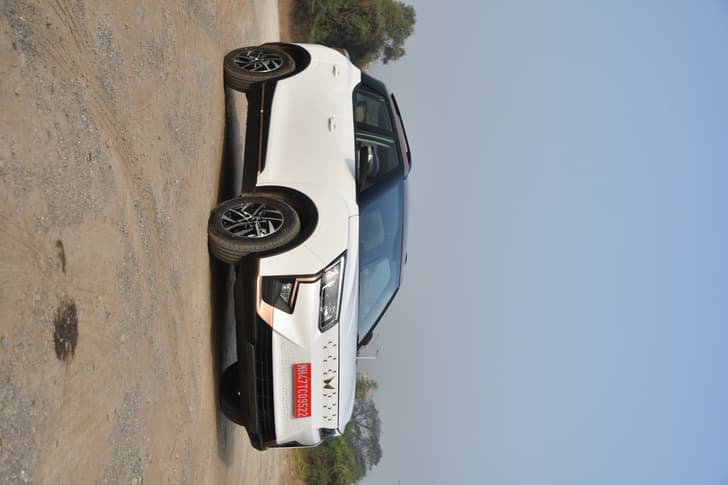
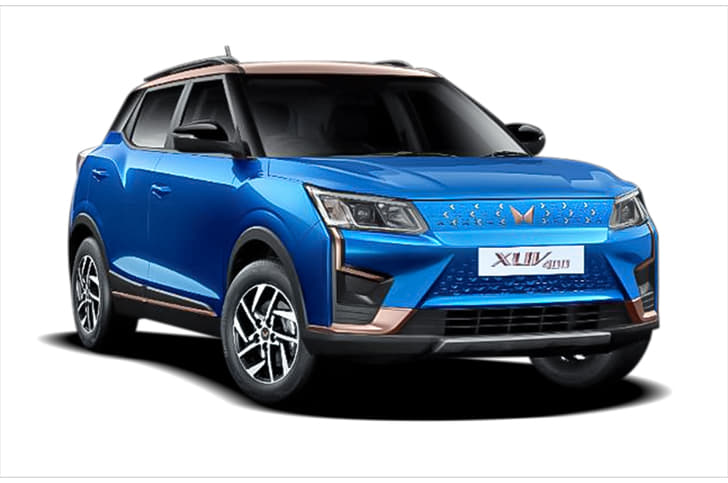
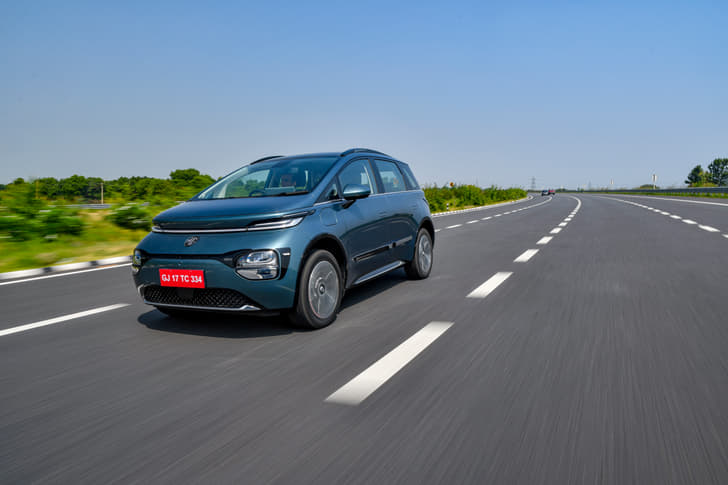
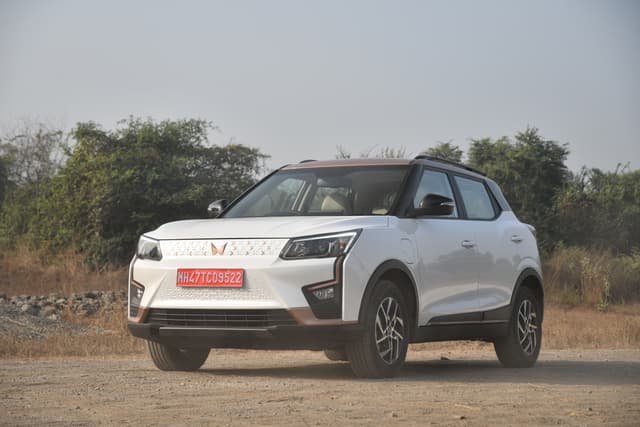
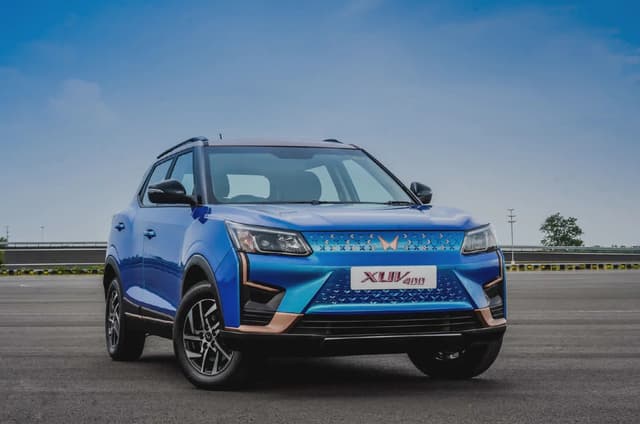
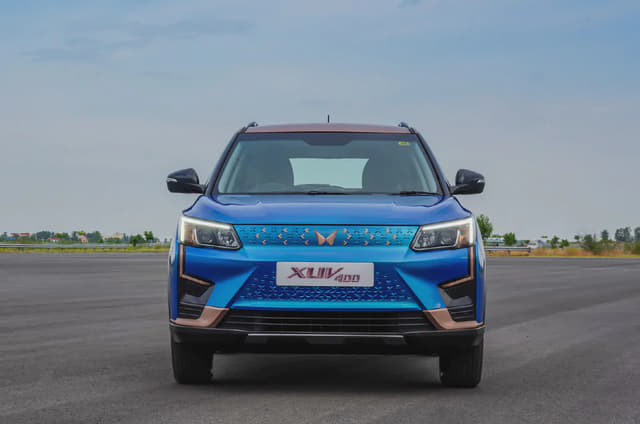
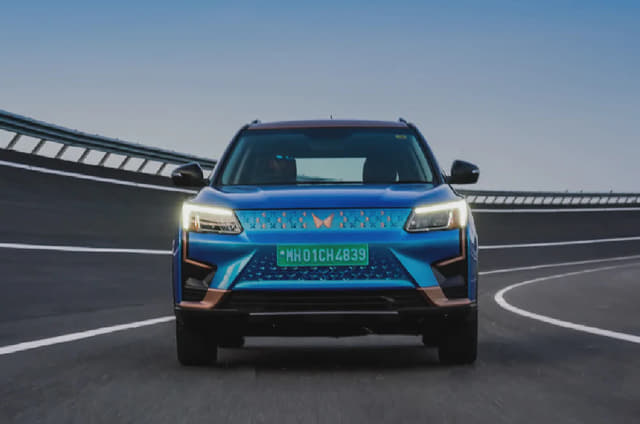
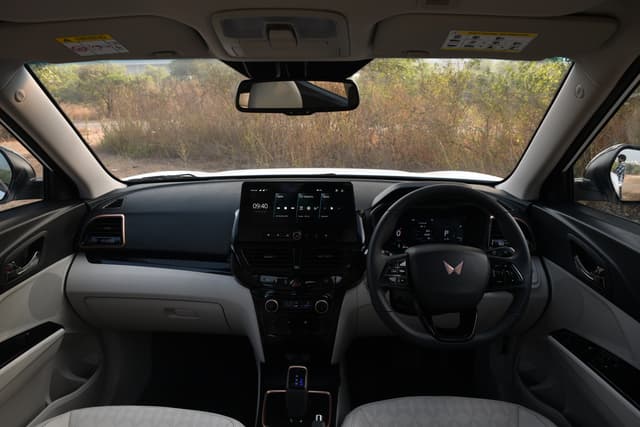
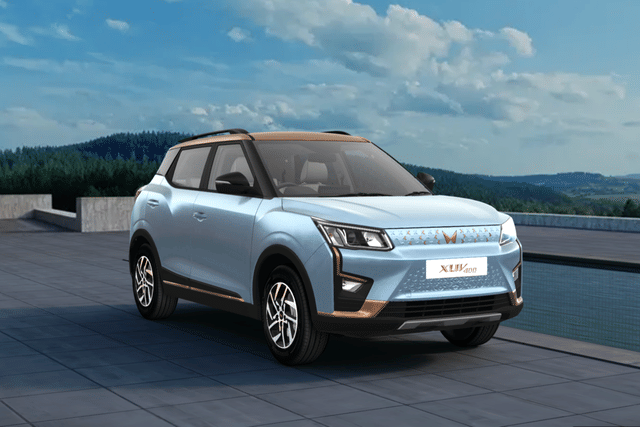
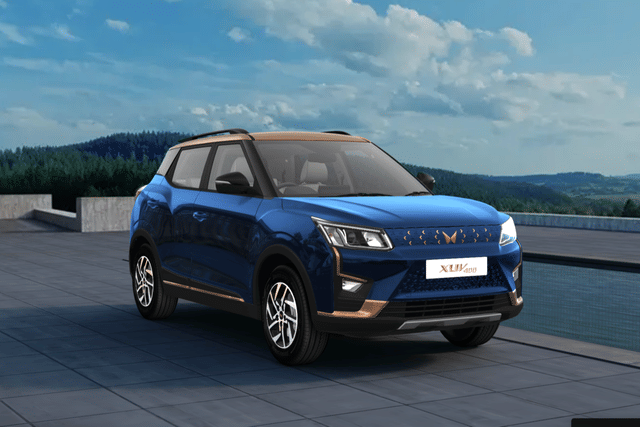
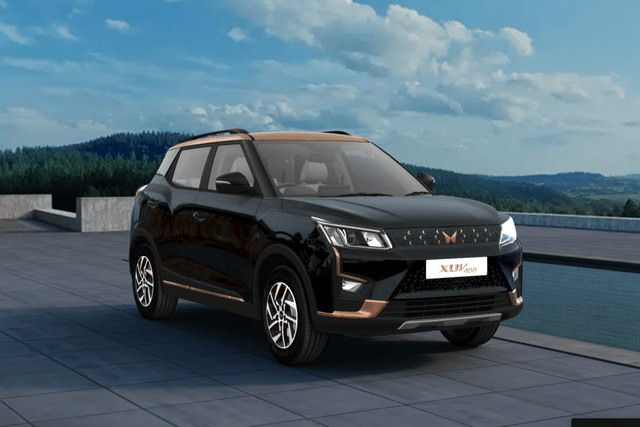
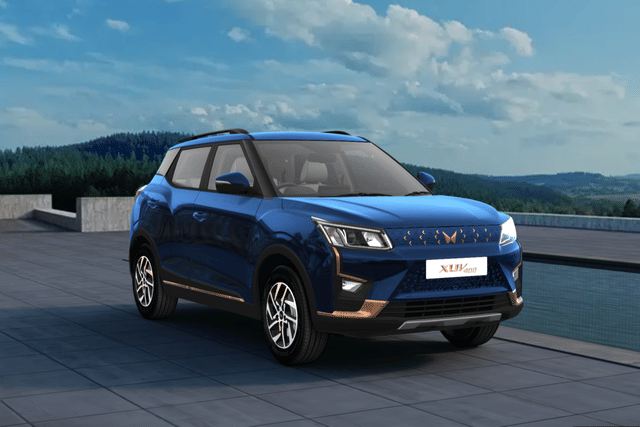
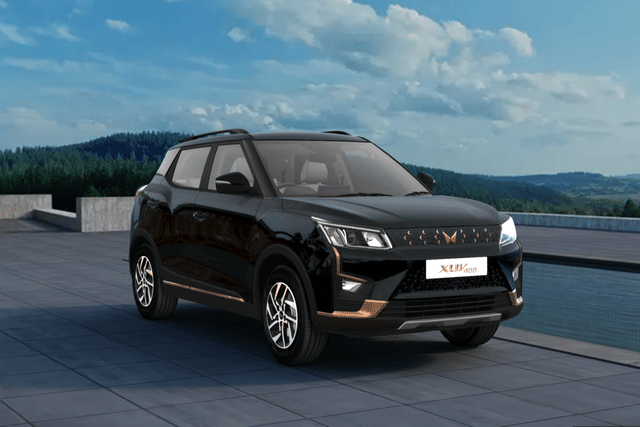
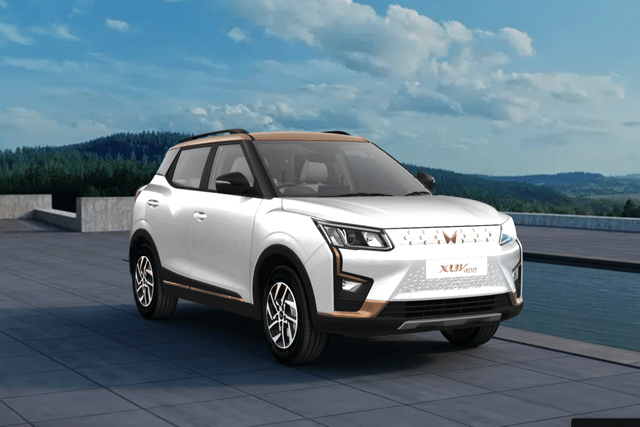
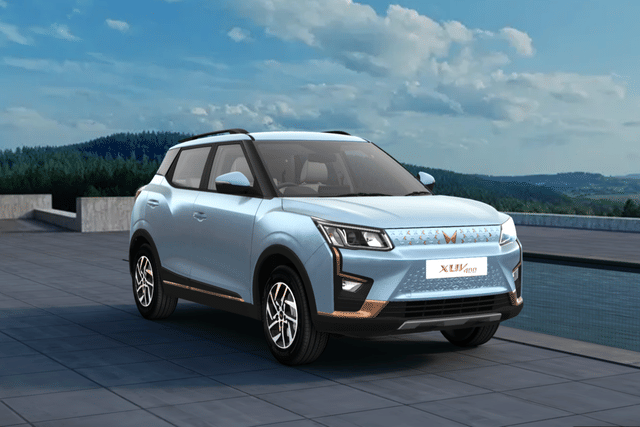
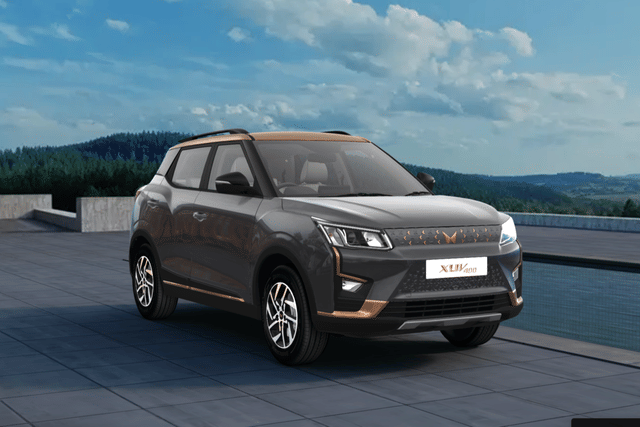
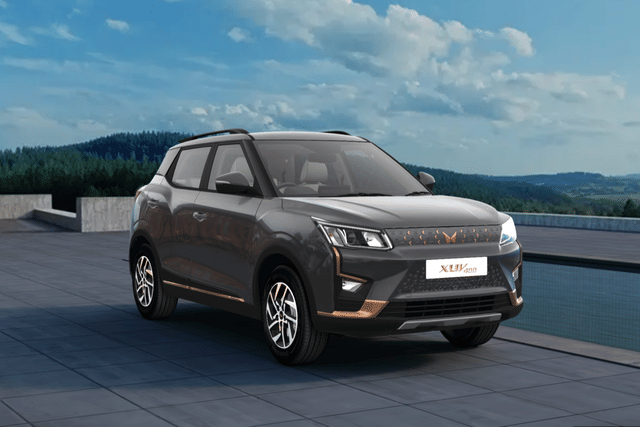
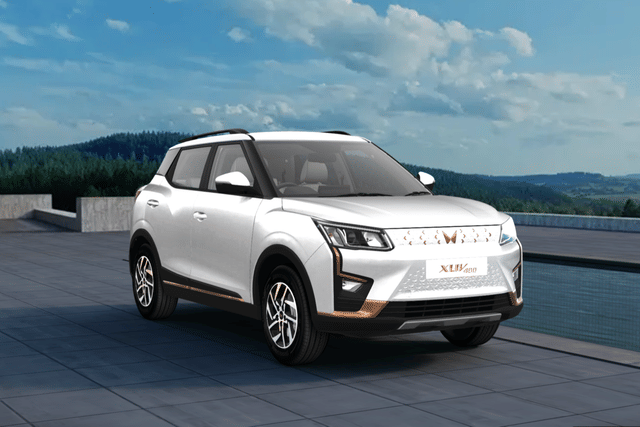
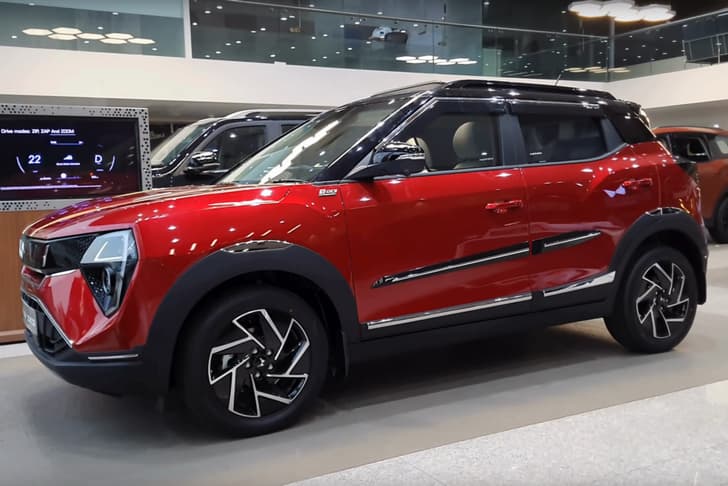
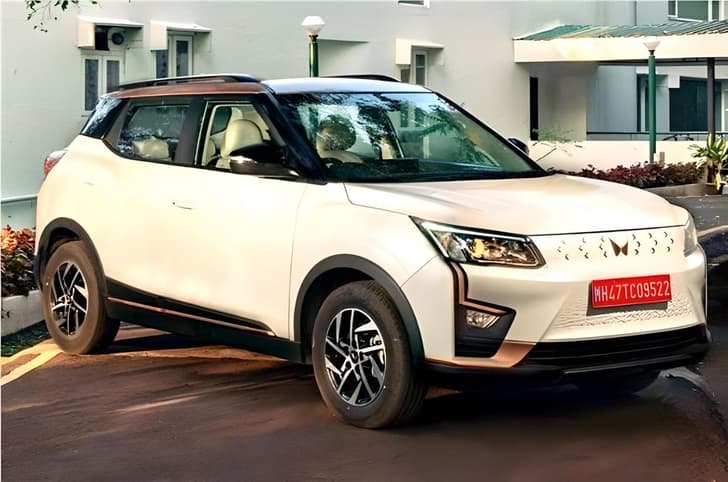
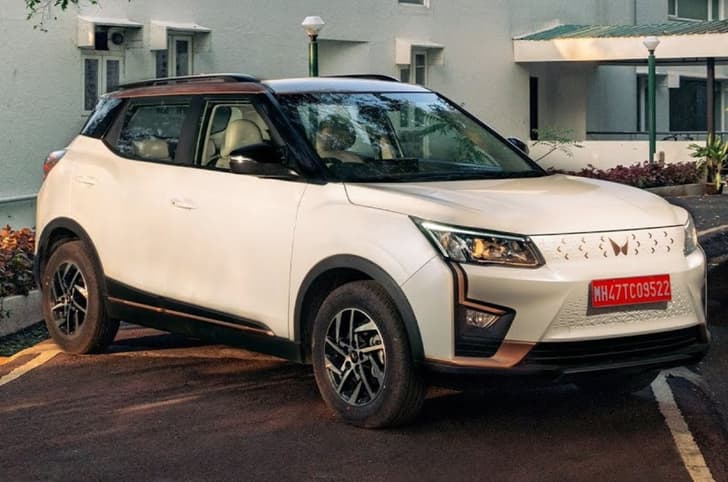
Mahindra XUV400 price in Jind
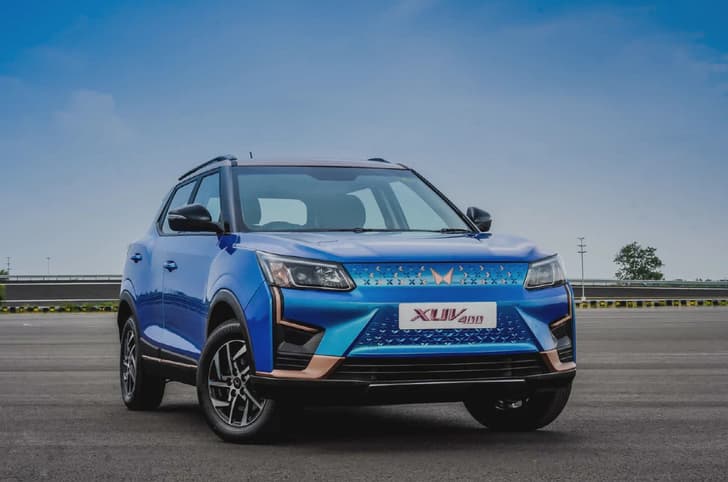
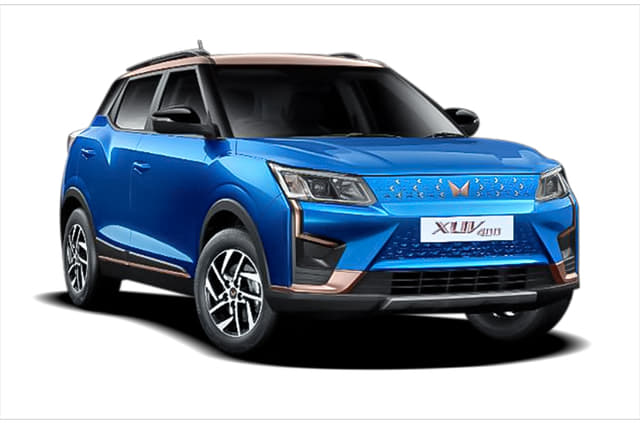
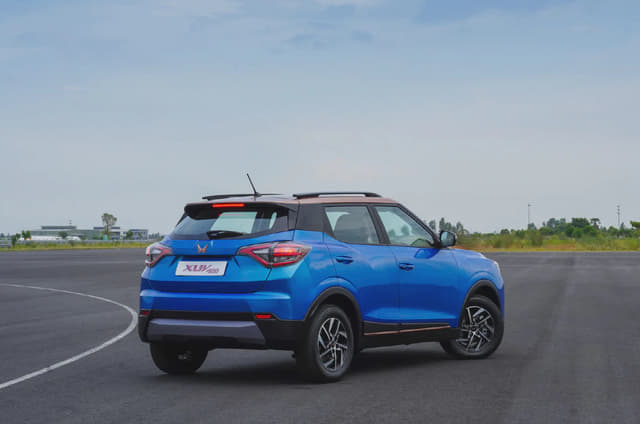
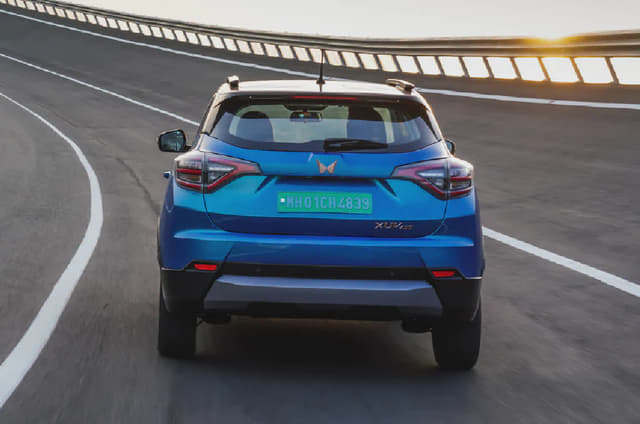
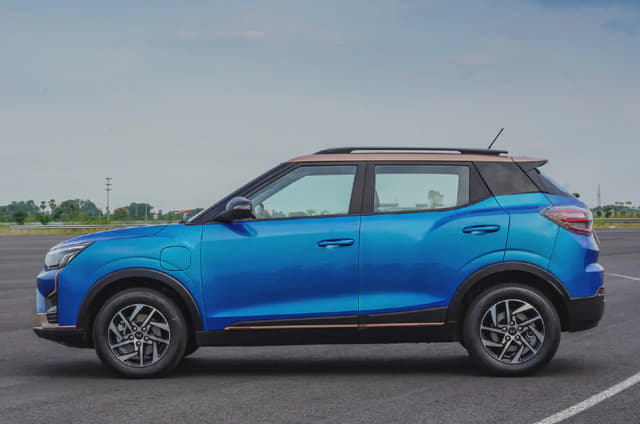
The Mahindra XUV400 price in Jind starts at Rs 15.49 lakh (ex-showroom). Mahindra sells the XUV400 in variants. The Mahindra XUV400 on road price in Jind starts at Rs 16.43 lakh.
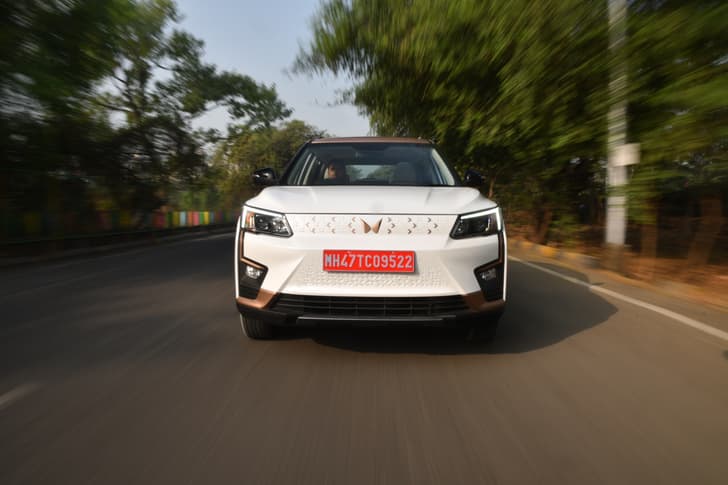
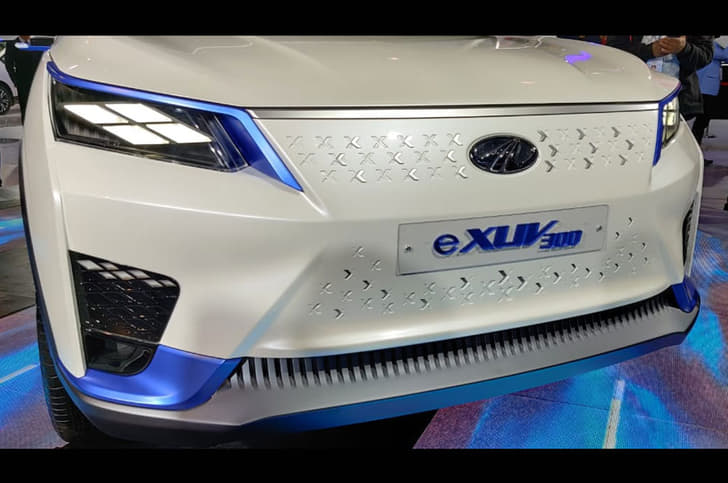
* Estimated on-road price. Final amount may vary.
Mahindra XUV400 Official Brochure
Download the complete brochure with specs, features, and variants.
Planning to buy XUV400? Here are a few dealers in Jind
Rohtak Road, Mandi, Opp. HPCL Bottling Plant, Jind, Haryana 126102


Mahindra XUV400 prices range between Rs 15.49 lakh- 17.49 lakh (ex-showroom).
The Mahindra XUV400 on road price starts at Rs 16.43 lakh in Jind.
The Mahindra XUV400 on road price in Jind starts at Rs 16.43 lakh and goes up to 18.55 lakh.
The XUV400 gets a sunroof in the EL Pro 39.5kWh variant which is priced at Rs 17.49 lakh, ex-showroom.
I am one of the early owners of the Mahindra XUV400, which I purchased in March 2023. So far, I have driven approximately 1,17,000 km. Apart from a few minor BMS software-related issues, the vehicle has been trouble-free, and I have not noticed any significant drop in range even after 1 lakh km. Having gotten used to driving an EV, I now find it difficult to switch back to ICE vehicles. My daily running exceeds 100 km, which also helps keep my running costs low. However, I am concerned about the future maintenance costs and resale value, as many buyers seem hesitant to purchase used EVs due to uncertainty around long-term maintenance. In my opinion, EVs are generally easier to maintain compared to ICE cars. Given this, what does the future look like for used EVs in the market?
The used EV market is still evolving, and while your experience with the Mahindra XUV400 has been very positive, it is important to note that battery health and long-term performance can vary depending on usage patterns, charging habits and operating conditions. Covering over 1.17 lakh km with no noticeable range drop is encouraging and reflects what many modern EVs are capable of, but it may not be identical for every user. That said, EVs do have fewer moving parts than ICE cars, which generally makes them simpler to maintain over time.At present, the biggest challenge for used EVs is buyer perception. There is still uncertainty around battery health, replacement costs and long-term reliability. It is largely because there is no widely standardised, easy-to-understand battery health certification in the resale market. This lack of transparency makes buyers cautious and affects resale values. However, as EV adoption increases, this is expected to improve with better diagnostics, longer warranties and more structured resale ecosystems.Given your high daily running, you are in a use case where EV ownership typically makes strong sense from a running cost and ease-of-use perspective. In such a scenario, it is usually more practical to continue using the vehicle and extract maximum value rather than focus on near-term resale. While the used EV market is still maturing, it is likely to become more stable and transparent over time, which should improve buyer confidence gradually.
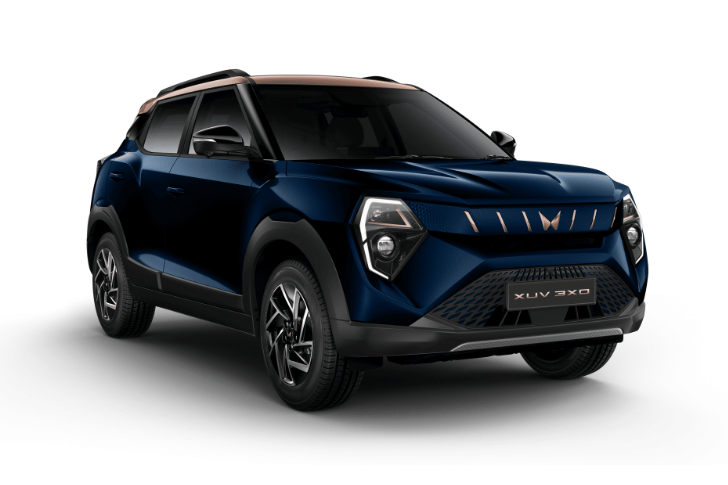
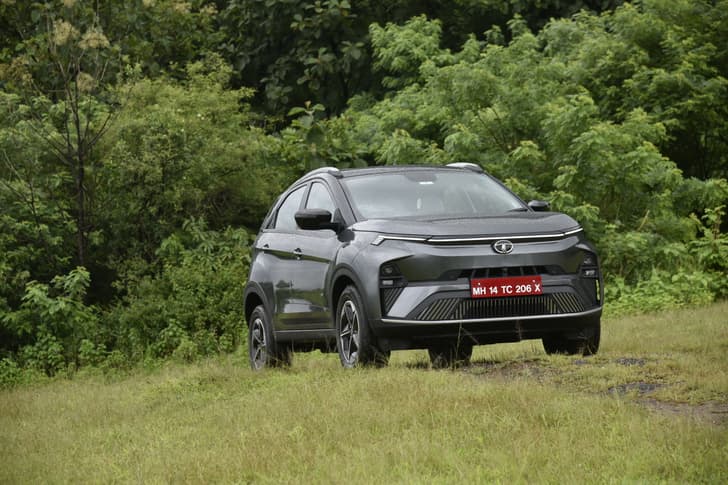
Hi, I am planning to buy an electric vehicle and am considering the Mahindra XUV 3XO EV. Since it offers more cabin space and a taller seating position than the Tata Nexon EV, it seems like a better fit for my needs. What are your thoughts on the XUV 3XO EV? Would you recommend it over the Tata Nexon EV?
The Mahindra XUV 3XO EV does have a roomier cabin and benefits from the latest 3XO interior, improved ergonomics and a long features list. However, underneath, it is essentially a facelifted XUV400. It carries over the same 39.4kWh battery pack, 150hp motor and front-wheel-drive powertrain, rather than using Mahindra's newer INGLO architecture seen on the BE 6 and XEV 9e. Mahindra itself positions it as the replacement for the XUV400.That means you're buying a car with a much-improved body and cabin, but not an all-new EV platform. The battery size and real-world range also lag behind some newer rivals, so while performance remains strong, the underlying technology doesn't move the segment forward.If your choice is strictly between the XUV 3XO EV and the Tata Nexon EV, we'd still lean towards the Nexon EV. This Tata car benefits from a more modern dedicated EV architecture, offers larger battery options, longer range and has matured into a well-rounded package over successive updates. The XUV 3XO EV's biggest advantage is its more spacious cabin, but that alone isn't enough to outweigh the Nexon's more contemporary electric underpinnings.If you're open to looking beyond these two, the MG Windsor EV remains our top recommendation in this price bracket. It feels like a segment above in terms of cabin space, comfort and overall value, making it the most compelling family electric car unless your requirement is for a more compact SUV.