Autocar India
RK

RAMDAS KAMATH

6w

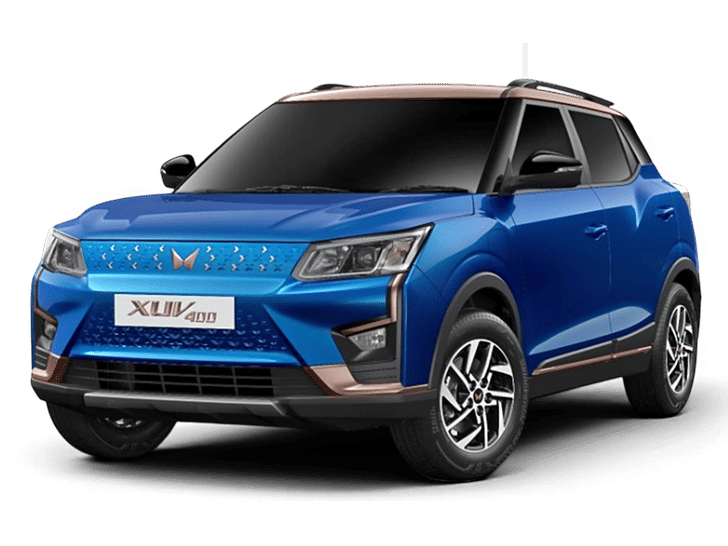
I am one of the early owners of the Mahindra XUV400, which I purchased in March 2023. So far, I have driven approximately 1,17,000 km. Apart from a few minor BMS software-related issues, the vehicle has been trouble-free, and I have not noticed any significant drop in range even after 1 lakh km. Having gotten used to driving an EV, I now find it difficult to switch back to ICE vehicles. My daily running exceeds 100 km, which also helps keep my running costs low. However, I am concerned about the future maintenance costs and resale value, as many buyers seem hesitant to purchase used EVs due to uncertainty around long-term maintenance. In my opinion, EVs are generally easier to maintain compared to ICE cars. Given this, what does the future look like for used EVs in the market?

Autocar India team

Autocar India

Verified
6w

The used EV market is still evolving, and while your experience with the Mahindra XUV400 has been very positive, it is important to note that battery health and long-term performance can vary depending on usage patterns, charging habits and operating conditions. Covering over 1.17 lakh km with no noticeable range drop is encouraging and reflects what many modern EVs are capable of, but it may not be identical for every user. That said, EVs do have fewer moving parts than ICE cars, which generally makes them simpler to maintain over time.

At present, the biggest challenge for used EVs is buyer perception. There is still uncertainty around battery health, replacement costs and long-term reliability. It is largely because there is no widely standardised, easy-to-understand battery health certification in the resale market. This lack of transparency makes buyers cautious and affects resale values. 

However, as EV adoption increases, this is expected to improve with better diagnostics, longer warranties and more structured resale ecosystems.

Given your high daily running, you are in a use case where EV ownership typically makes strong sense from a running cost and ease-of-use perspective. In such a scenario, it is usually more practical to continue using the vehicle and extract maximum value rather than focus on near-term resale. While the used EV market is still maturing, it is likely to become more stable and transparent over time, which should improve buyer confidence gradually.
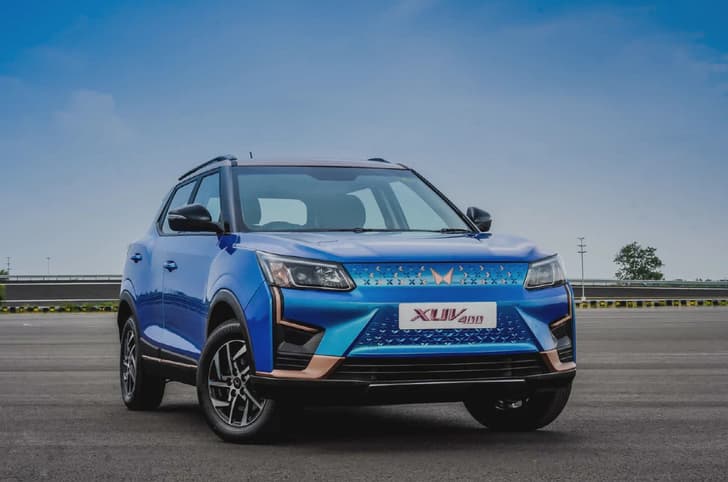
Mahindra XUV400

Mahindra XUV400

Explore cars mentioned
More questions on similar cars

DM

Darshan Mehta

1d

My monthly running is approximately 200 km in Mumbai, along with one or two trips a year to nearby places. I am confused about whether buying a car even makes sense for my usage. For reference, I currently have three options in mind including Nissan Magnite Tekna+ MT, Mahindra XUV 3XO REVX Petrol MT and Maruti Brezza ZXI MT. If I do buy a car, my priorities are safety, space, features, and ease of driving in the city.

Autocar India team

Autocar India

Verified
3h

With just 200 km a month in Mumbai and only one or two short road trips a year, buying a new car only makes sense if you value the convenience, safety and freedom of having your own vehicle more than pure cost efficiency. Financially, cabs and rentals would likely make more sense at this level of usage. But if the decision is driven by convenience and the comfort of having your own car available whenever you need it, then it can still absolutely be justified.Of your three options, the Brezza ZXi MT fits your brief best. It is simply the easiest to live with in the city thanks to its light controls, good all round visibility and a comfortable ride that handles Mumbai’s broken roads well. It also offers good rear seat comfort and a practical boot for those occasional weekend trips, while being straightforward and stress free to own.The XUV 3XO is the more feature rich option and feels more substantial from a safety perspective, but it is the heavier car to drive in traffic and does not feel as effortless in everyday city use. The Magnite offers strong value, but compared to the other two it does not feel as premium, and whether you choose the turbo or naturally aspirated petrol, it does not feel quite as effortless to drive in urban conditions either.

VehicleMaruti Suzuki Brezza
VehicleMahindra XUV 3XO
VehicleNissan Magnite
KH

kazi haque

19h

Hi everyone, I need some advice on which car to buy in the Rs. 20 lakh budget range. My driving will be around 40% city and 60% highway. The usage will not be very high with mostly regular city drives and occasional long highway trips. I am currently confused between Honda Elevate and Volkswagen Virtus 1.5 GT Sports DSG. I am looking for something comfortable, reliable, fun to drive, and suitable for long-term ownership. Should I go with one of these two, or are there any other good options in this price range? I would really appreciate your suggestions and ownership experiences.

Autocar India team

Autocar India

Verified
5h

With a Rs. 20 lakh budget and your usage pattern, the Volkswagen Virtus GT 1.5 DSG automatic suits you better. The strong 1.5 turbo engine pulls cleanly for quick overtakes which makes highway drives fun. It stays steady at speed, and the comfy front seats as well as spacious boot work well for long trips. In the city, the automatic gearbox helps make driving in traffic easy and the car does not feel big to place or park either.Two things to note. The dual‑clutch automatic doesn't feel as smooth in slow speed traffic as a torque‑converter or a CVT. Also, the rear seat is not as spacious as the Elevate, so the Virtus is best for four adults.If long-term peace of mind is your priority over fun-to-drive, the Honda Elevate automatic is the safer pick. It is easy to drive in town, rides well on bad roads, and Honda ownership is simple, but the engine feels more sedate in comparison.

VehicleVolkswagen Virtus
VehicleHonda Elevate

Popular discussions right now

Posted on: 7 Apr 2026