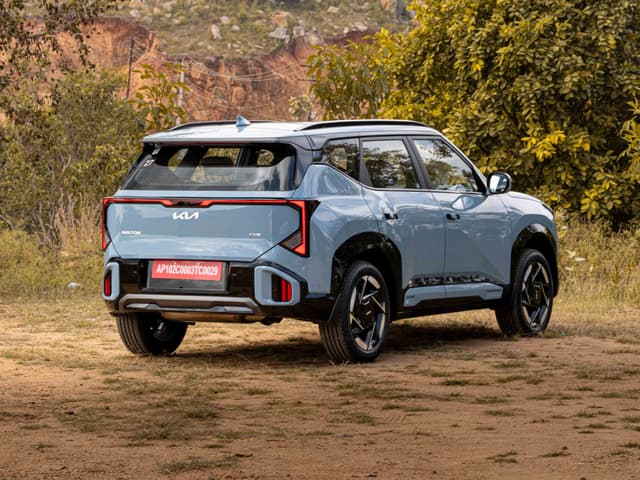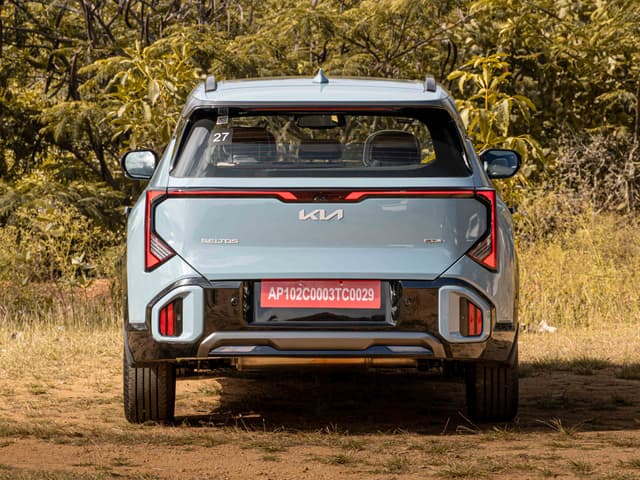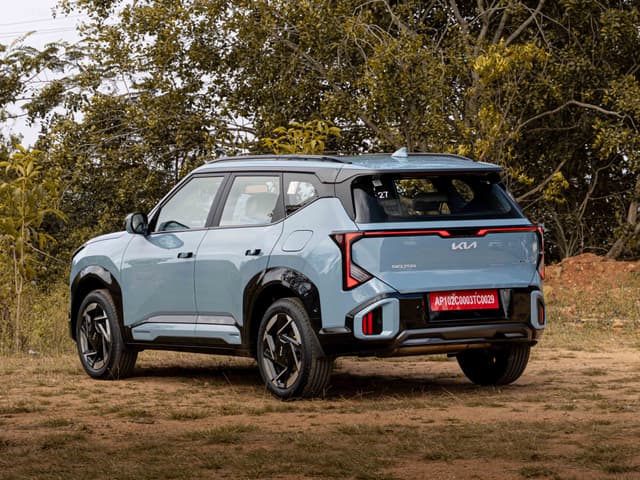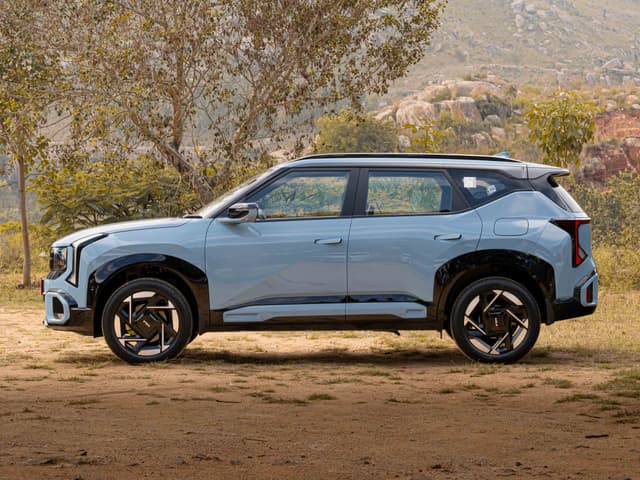





Tata Nexon
Last Updated on: 23 Sep 2026
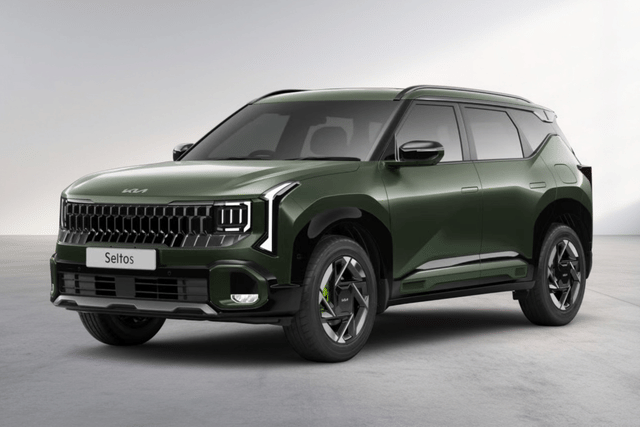
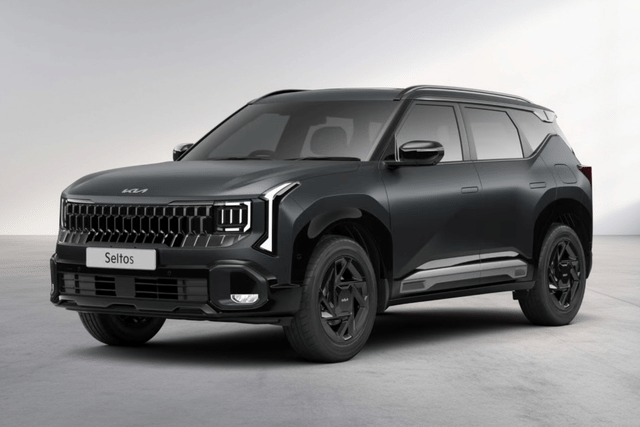
Kia Seltos price in Kra Daadi
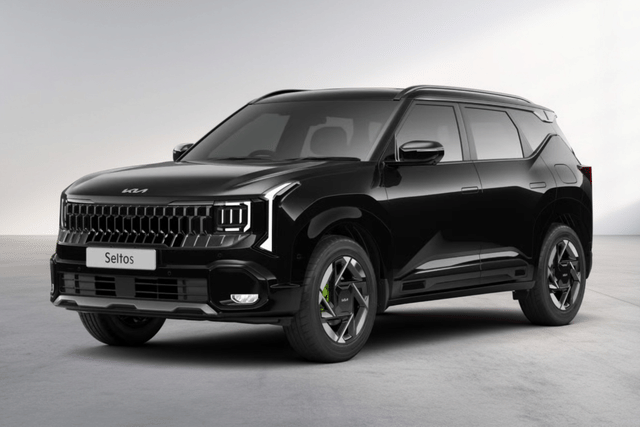
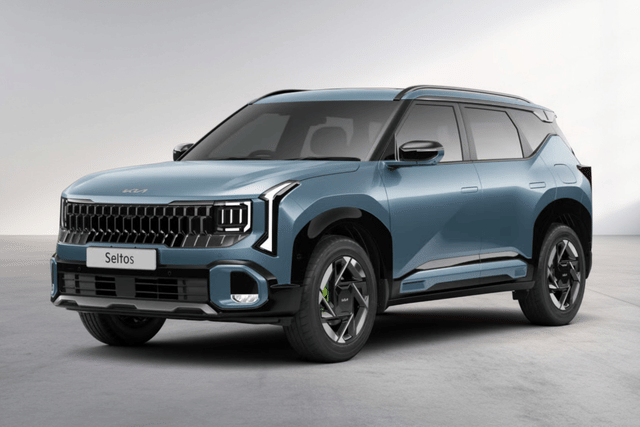
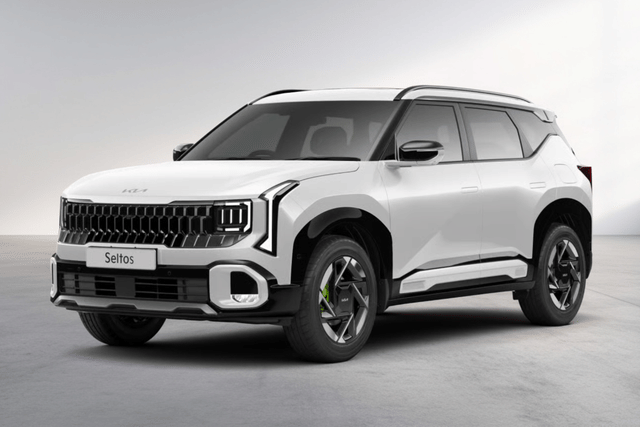
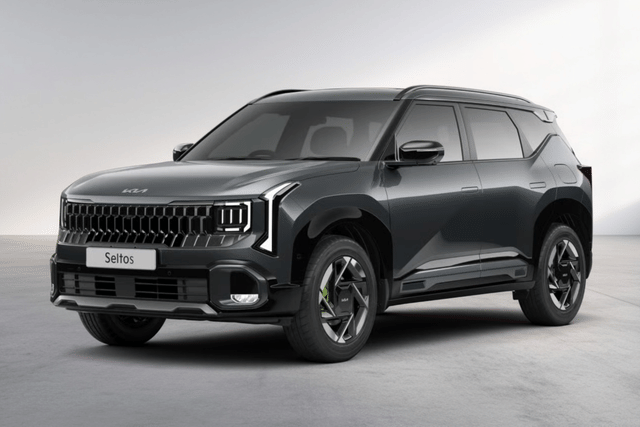
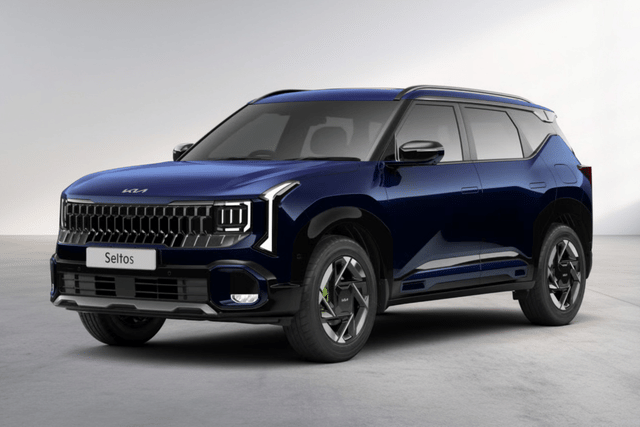
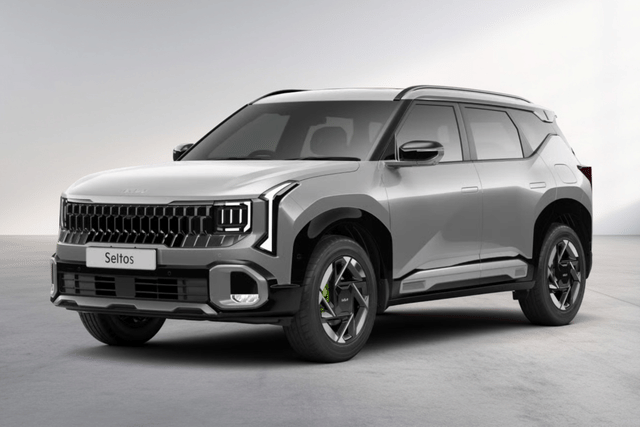
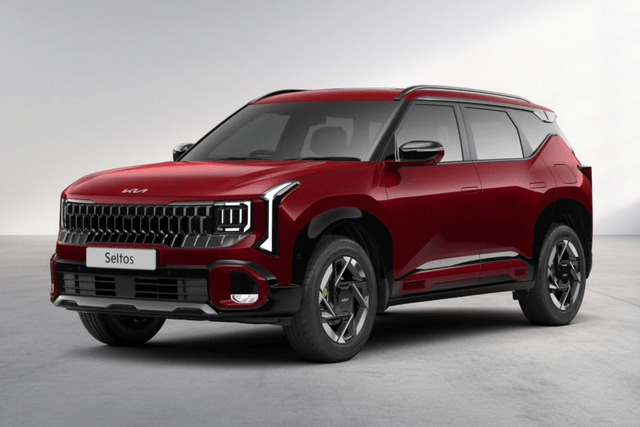
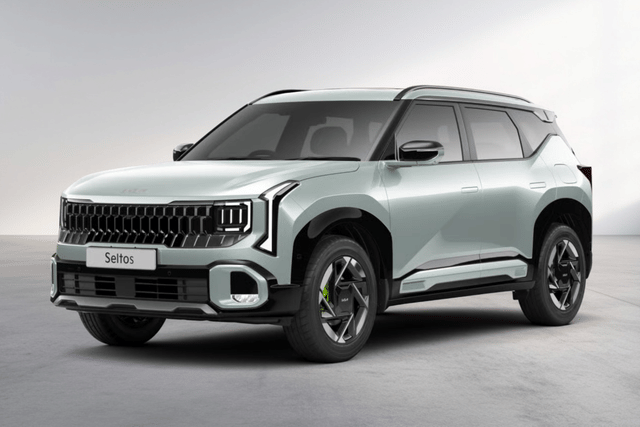
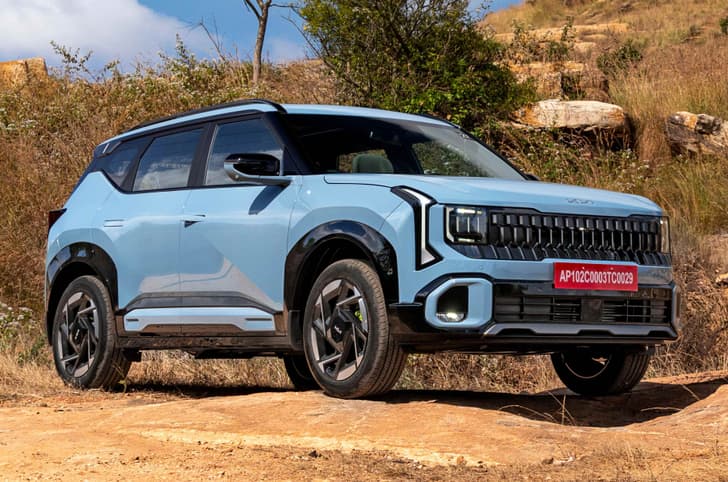
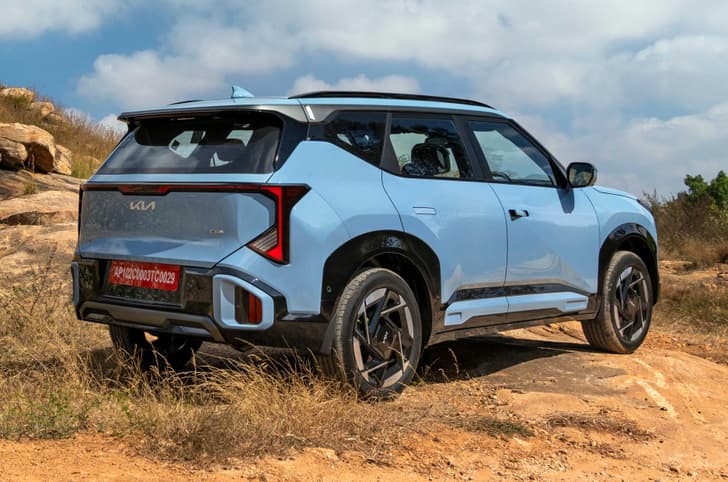
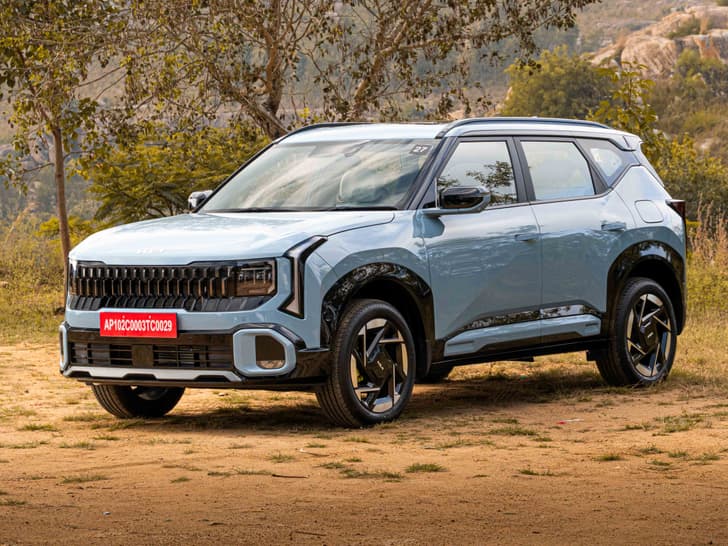
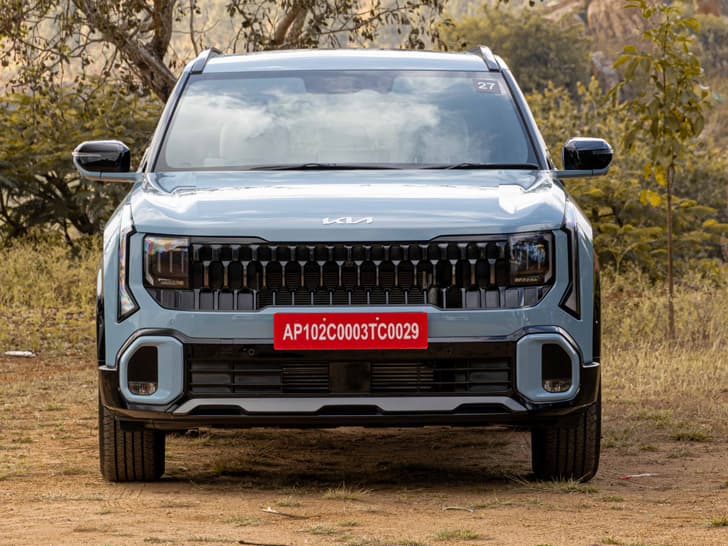
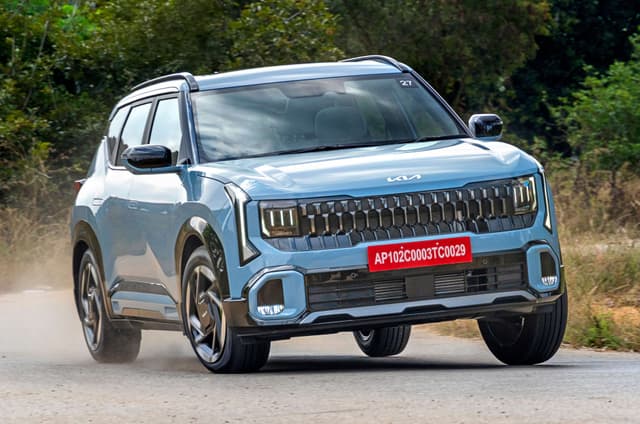
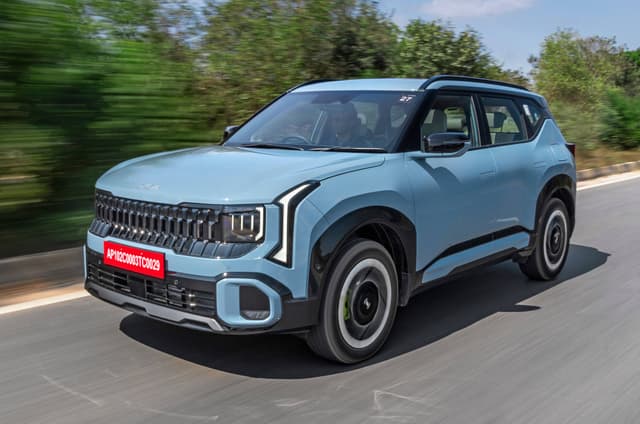
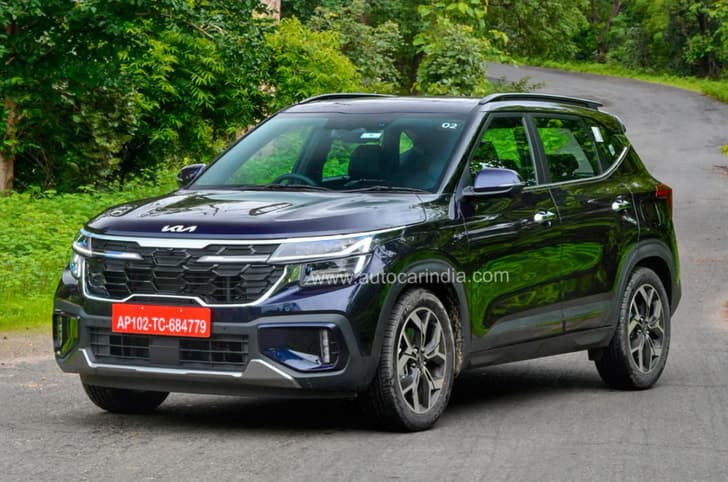
The Kia Seltos price in Kra Daadi starts at Rs 11.00 lakh (ex-showroom). Whereas, Seltos top model price is Rs 21.82 lakh (ex-showroom). The Kia Seltos on road price in Kra Daadi for the base HTE Petrol MT variant begins at Rs 12.05 lakh and for the X-Line(O) Diesel AT variant is Rs 24.66 lakh.
Kia Seltos price range in Kra Daadi 2026 (ex-showroom)
Kia Seltos petrol-manual price range: Rs 10.99 lakh to Rs 19.49 lakh
Kia Seltos petrol-CVT price range: Rs 13.39 lakh to Rs 19.49 lakh
Kia Seltos turbo-petrol iMT price range: Rs 12.89 lakh to Rs 13.89 lakh
Kia Seltos turbo-petrol DCT price range: Rs 16.29 lakh to Rs 19.99 lakh
Kia Seltos diesel-manual price range: Rs 12.59 lakh to Rs 18.29 lakh
Kia Seltos diesel-AT price range: Rs 14.99 lakh to Rs 19.99 lakh
Check the Seltos on road price in Kra Daadi for all variants to see what fits your budget and preferences.
Kia Seltos price in Kra Daadi
The Kia Seltos price in Kra Daadi starts at Rs 11.00 lakh (ex-showroom). Whereas, Seltos top model price is Rs 21.82 lakh (ex-showroom). The Kia Seltos on road price in Kra Daadi for the base HTE Petrol MT variant begins at Rs 12.05 lakh and for the X-Line(O) Diesel AT variant is Rs 24.66 lakh.
Kia Seltos price range in Kra Daadi 2026 (ex-showroom)
Kia Seltos petrol-manual price range: Rs 10.99 lakh to Rs 19.49 lakh
Kia Seltos petrol-CVT price range: Rs 13.39 lakh to Rs 19.49 lakh
Kia Seltos turbo-petrol iMT price range: Rs 12.89 lakh to Rs 13.89 lakh
Kia Seltos turbo-petrol DCT price range: Rs 16.29 lakh to Rs 19.99 lakh
Kia Seltos diesel-manual price range: Rs 12.59 lakh to Rs 18.29 lakh
Kia Seltos diesel-AT price range: Rs 14.99 lakh to Rs 19.99 lakh
Check the Seltos on road price in Kra Daadi for all variants to see what fits your budget and preferences.
Kia Seltos On Road Price by Variants
* Estimated on-road price. Final amount may vary.
Kia Seltos Booking & Test Drive - User Reviews
Tell us about your experience
Kia Seltos Official Brochure
Download the complete brochure with specs, features, and variants.
Calculate your fuel cost for Kia Seltos
Hear from the
Autocar Community
Join the Discussions
Kia Seltos Images
Kia Seltos news
Kia Seltos videos


Kia Seltos FAQs
With a starting price of Rs 11.00 lakh, the Seltos starting price slots in the middle of its rivals. At the top-end, it's among the most expensive mid-size SUVs in its class.
The Seltos comes across as a very balanced mid-size SUV in its class. It may miss out on amenities like a powered tailgate and an air purifier, but it is otherwise well equipped with most features you’d expect. Its diverse range of powertrains on offer makes it a formidable option.
Questions you may find useful
Hi, I want to buy my last car as I am 66 years old. I have been driving a Honda City for the last 12 years without any major hiccup. The Honda City engine and its reliability is excellent although its ground clearance is an issue. I have looked at Elevate and given its ground clearance as an SUV, I am impressed although the issues on E20 and abrupt blending issues are surely technical issues. Windsor EV was a great test drive but all controls on screen could be a bottleneck for me at my age and am planning to move to an automatic. Please recommend as experts. My monthly running will not be more than 500 km. Should I also look at Seltos. I will appreciate a feedback from experts. I want a reliable, easy to drive car with low maintenance cost and good family value with. There won't be any great pick ups or many highway drives will not be there.
Given your 12 years of trouble free City ownership, the Elevate is the most natural replacement. It retains Honda’s simple 1.5-litre naturally aspirated petrol engine, adds substantially better ground clearance and gives you the easier ingress and SUV driving position you liked. The CVT is also very well suited to your low speed, low running usage and should make the transition to an automatic easy.On your E20 concern, we would not treat it as a reason to avoid the Elevate. Honda says all its cars manufactured in India since January 2009 are E20 material compatible, and the current Elevate is officially certified for E20. Honda also says E20 should not cause durability concerns or require any component changes. There can be a marginal reduction in fuel economy because ethanol contains less energy than petrol, but with your 500km monthly running, that is unlikely to be significant.The Seltos is worth a look, particularly if you want a more feature rich and premium cabin, but given your priorities of reliability, easy driving, low maintenance and long term ownership, the Elevate fits your requirements more naturally. The Windsor EV is also an interesting option, but at just 500km a month, there is little financial reason to move to an EV, especially when you have concerns about its touchscreen heavy interface.
I am planning to buy a new car for myself in Bangalore, with a budget of up to Rs 25 lakh on-road. I have shortlisted two cars: the Tata Sierra Accomplished 1.5-litre turbo-petrol and the Kia Seltos 1.5-litre turbo-petrol DCT. Which one would be the better choice, especially considering family comfort, ease of driving and driving enjoyment? I am also unsure about Tata’s reliability. Is the concern around Tata cars based mainly on social media noise, or is there a genuine reliability issue? If possible, how much of a reliability risk can realistically be expected with a Tata car? I find that the Sierra meets my expectations better overall, but I am hesitant because of the concerns around Tata’s reliability and after-sales experience. I have test-driven both cars and am comfortable with both. The Mahindra XUV 7XO was also on my shortlist, but I dropped it mainly because of its larger size. Should I reconsider the XUV 7XO, particularly for Bangalore city driving and family use?
For your priorities of family comfort, easy driving and some fun, the Tata Sierra is a very strong fit. It is the roomiest SUV in this comparison, with excellent rear legroom and headroom, while its 1.5-litre turbo petrol and torque converter automatic make for smooth, effortless progress in traffic. The ride is also very good over broken roads, although the 19-inch wheels on the Accomplished do take away some of that comfort.The Kia Seltos is the more polished choice, with the best finished cabin, excellent space and strong refinement. However, the turbo DCT is not always smooth at low speeds and can fumble occasionally in traffic. That makes the Sierra's torque converter a better match if ease of driving is important. The Seltos is also more efficient, though the Sierra's 160hp engine has no shortage of performance.The Tata reliability concern should not be dismissed entirely, but neither can a percentage be put on the likelihood of a Sierra developing problems. The car is too new for meaningful long-term reliability data. The more legitimate concern is Tata's inconsistent after sales experience, which is also highlighted in the comparison. The local dealer and service centre therefore matter considerably.The Mahindra XUV 7XO can be considered, but if its size already feels excessive for Bengaluru, there is little reason to stretch to it. The Sierra gives you a genuinely spacious family cabin without moving into that larger footprint.
I am planning to buy a car in the Rs 12-14 lakh price range. My usage will be around 70% in the city and 30% on the highway, with family comfort also being an important consideration. I am currently considering the Skoda Kylaq, Kia Sonet (petrol 7DCT HTK(O)) and Kia Seltos (base or second-base variant). Please suggest which of these would be the best pick for my usage, or recommend any other car that may suit my requirements better. Also, is it worth waiting for the new-generation Sonet?
For your 70 percent city and 30 percent highway usage, the Skoda Kylaq is the best fit of the cars you have shortlisted. Its 1.0-litre turbo petrol engine with a 6-speed torque-converter automatic is smoother in city traffic than the Sonet's DCT, while also giving you stronger performance for highway trips. It also has a good balance of ride comfort, cabin space and driving dynamics.The Kia Seltos is the better choice if family space and a more premium cabin are your priorities, but at your budget you will be looking at the lower variants. The Sonet HTK(O) 1.0 DCT is feature-rich, but the DCT is not our first choice for predominantly city use. The Tata Nexon and Mahindra XUV 3XO are also worth considering, but the Kylaq offers a particularly good combination of refinement, performance and highway ability.As for the Kia New Sonet, it is expected in 2027 and will move to the K1 platform, with improved rear-seat space and potentially more features. However, Kia has not given a precise launch date, so waiting only makes sense if you are not in a hurry.
I’m confused between the Kia Seltos HTK Optional 1.5 NA IVT and 1.5 Turbo DCT and would appreciate some advice based on my usage. I plan to keep the car for 5–8 years. For the first 1–2 years, it will be used in my Tier-3 city by my parents and me for daily driving. Later, I may move it to Pune for my daily commute. Overall, I expect around 80% city and 20% highway/outstation driving, including occasional Pune–Vadodara trips, Goa and weekend trips, holiday road trips, and situations where 4–5 people travel with luggage. For the NA IVT, I’d like to know whether the 1.5-litre naturally aspirated engine feels underpowered in the Seltos, particularly with 4–5 people and luggage, and how it performs during highway overtaking and quick acceleration. How useful are the paddle shifters and Sport mode in improving responsiveness? Also, when accelerating hard, how noticeable is the high-RPM engine noise or CVT drone, and does it become annoying during longer highway drives? For the Turbo DCT, I’d like to understand how it behaves in prolonged bumper-to-bumper or crawling traffic. Is clutch heat or wear, or low-speed jerkiness and hesitation, a genuine long-term concern over 5–8 years? What is the best way to drive the DCT in heavy traffic to minimise clutch wear? I’d also like to understand how significant the difference is in real-world city mileage and long-term maintenance costs between the two powertrains. Considering this usage pattern, which option would you recommend and why?
Go for the Kia Seltos HTK(O) Petrol CVT. For your usage pattern, it is the more sensible and stress-free choice. The 1.5 naturally aspirated petrol is not underpowered for the Seltos in everyday use. It is a smooth, refined engine that handles city driving well and is perfectly capable on the highway. With 4–5 people and luggage, it will not feel particularly quick, but it will get the job done reliably. Overtaking on the highway requires a bit of planning, but the IVT responds well when you press the accelerator, and the paddle shifters and Sport mode do help make the car feel more responsive when you need a quick burst of acceleration. The typical CVT drone is noticeable when you accelerate hard, but it is not something that becomes annoying in regular highway cruising.The Kia Seltos HTK(O) Turbo Petrol DCT is the more exciting engine, and it is genuinely quick. However, your usage is 80% city, and the DCT is not the best fit for that. In prolonged bumper-to-bumper traffic, the gearbox can feel a bit jerky at low speeds, and while modern DCTs are much better than before, clutch heat and wear are still a consideration over a 5–8 year ownership period. The best way to drive a DCT in heavy traffic is to avoid feathering the throttle and let the car creep naturally, but that is not always practical in Indian traffic. Moreover, if you come to a halt for more than a few seconds, put it in Neutral or Park to avoid further strain on the clutch. The IVT, on the other hand, is smooth, reliable and effortless in the city, which is exactly what you need.In terms of real-world mileage, the IVT is likely to be considerably more efficient in the city, and long-term maintenance costs are lower and more predictable. Given your usage pattern and ownership horizon, the 1.5 NA IVT is the car that will keep you and your parents happiest over the long term.
I’m confused between the Kia Seltos HTK Optional 1.5 NA IVT and 1.5 Turbo DCT. I plan to keep the car for 5-8 years. For the first 1-2 years, it will stay in my Tier-3 city for my parents for their daily use. Later, I may take my car to Pune for my daily commute. Overall, I expect around 80% city and 20% highway/outstation driving with occasional Pune-Vadodara trips, Goa/weekend trips, holiday road trips, and sometimes 4-5 people with luggage. My main questions are for the NA IVT. Does the 1.5 NA feel underpowered in the Seltos, especially with 4-5 people and luggage? How good is it for highway overtaking and quick acceleration? How useful are the paddle shifters/Sport mode for improving responsiveness? When accelerating hard, how noticeable is the high-RPM engine noise/CVT drone, and does it become annoying on highways? For the Turbo DCT, how does it behave in prolonged bumper-to-bumper/crawling traffic? Is clutch heat/wear or low-speed jerkiness/hesitation a genuine long-term concern over 5-8 years? What is the best way to drive it in heavy traffic to minimize clutch wear? How significant are the differences in real-world city mileage and long-term maintenance cost? Considering this usage pattern, which transmission would you recommend and why? I’m particularly interested in the real-world ownership experience rather than just performance figures.
For your 80 percent city usage and 5–8 year ownership, the NA IVT is the better fit. The 1.5-litre engine is not particularly powerful on paper at 115hp and 144Nm, but the IVT masks its weaknesses well in normal driving. It is smooth, jerk-free and relaxed in traffic, while the new Seltos has a much more comfortable ride than the previous generation.With four or five people and luggage, it will feel slower, particularly when overtaking on the highway. The CVT rubber-band effect does appear when you accelerate hard, but it is less pronounced than in many other CVTs. Sport mode and the paddles do help by keeping the engine more responsive, although they cannot turn it into a performance SUV.The turbo DCT is considerably quicker and is the obvious choice if spirited highway driving is important. However, for your predominantly urban use, the IVT's seamless low-speed behaviour is a significant advantage. A DCT can feel hesitant at crawling speeds, whereas the IVT avoids that characteristic.The IVT also returned 10.3kpl in the city and 14.2kpl on the highway in testing, with better efficiency than the turbo DCT.
Kia Seltos On Road Price in India
Upcoming Cars


Kia Cars


Trending Cars


Latest Cars