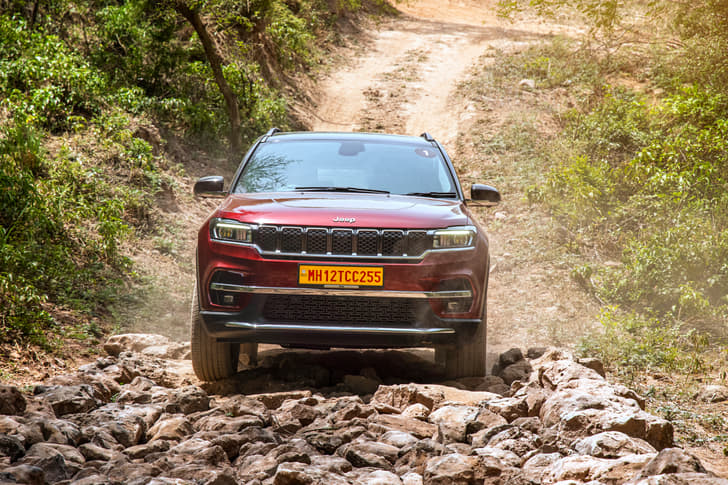
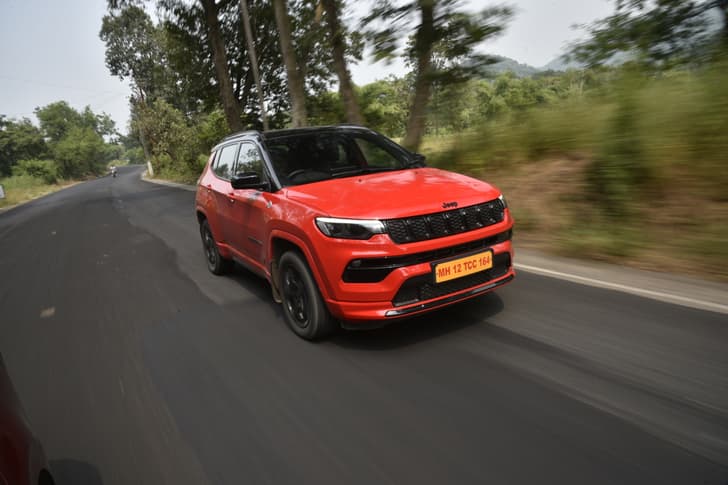
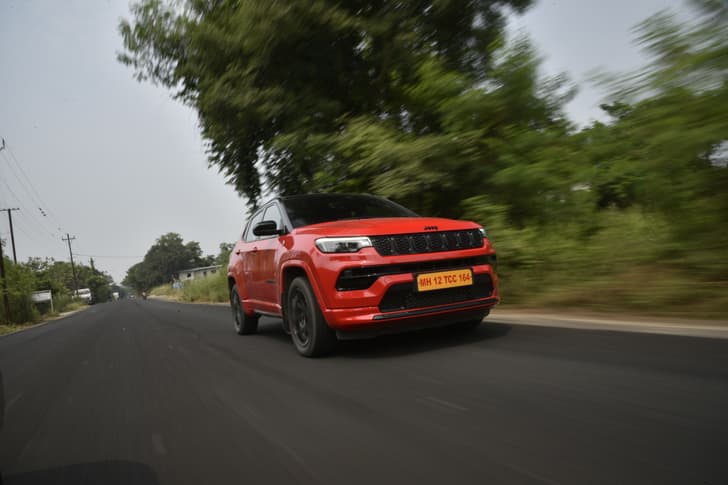
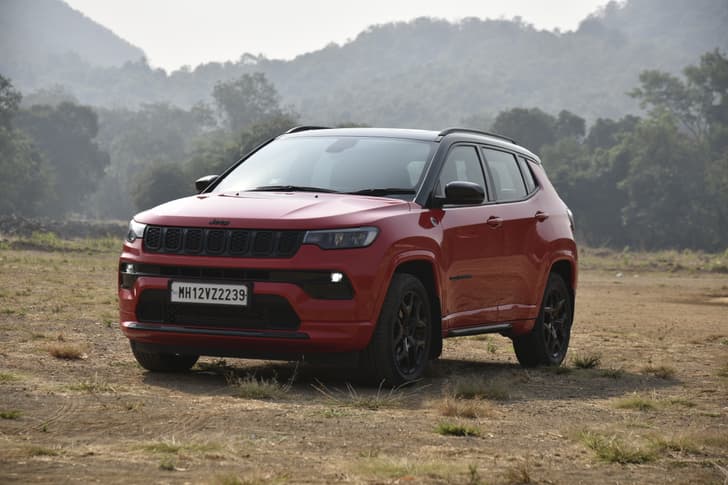
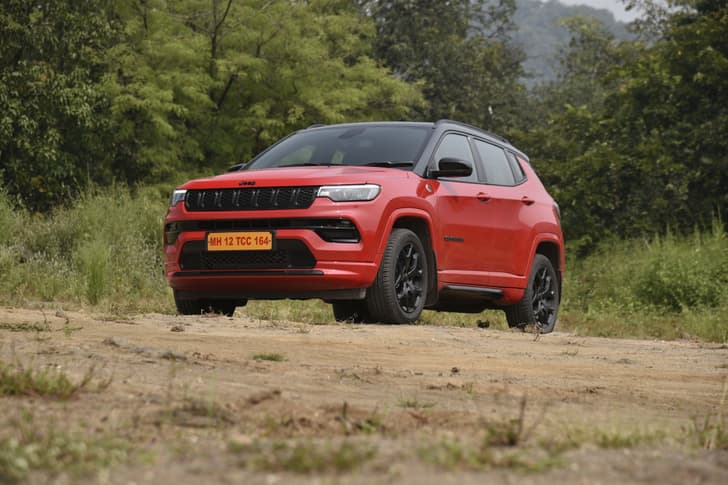
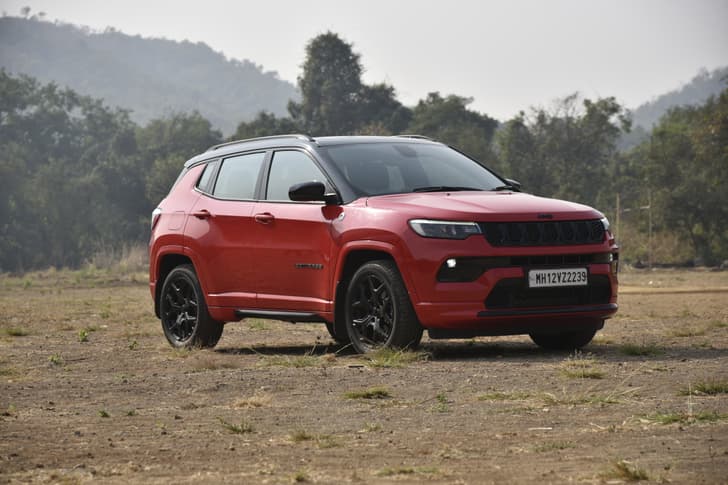
Jeep Compass Sport Manual



Last Updated on: 21 Sep 2026
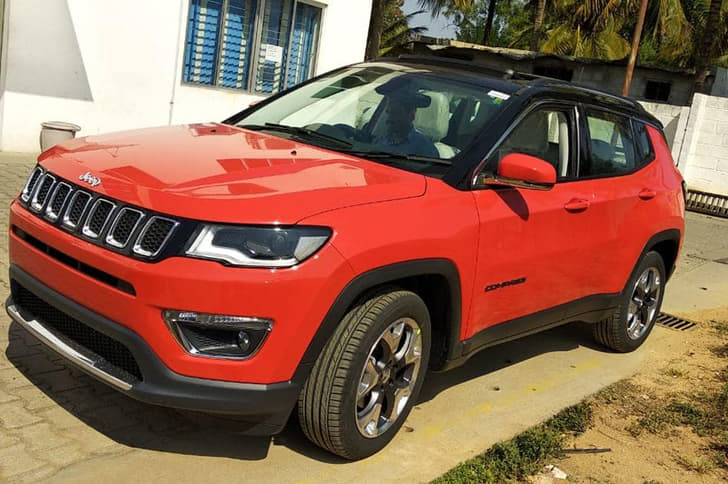
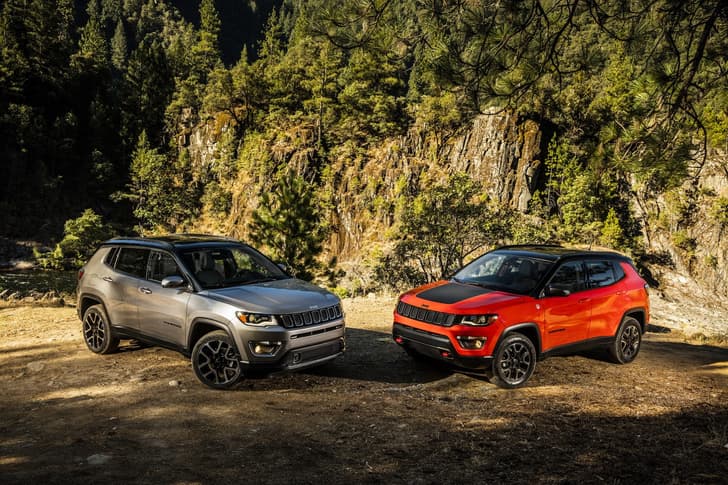
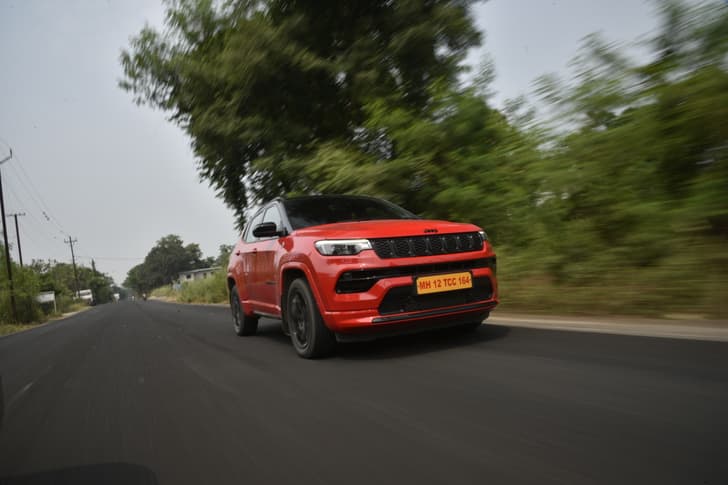
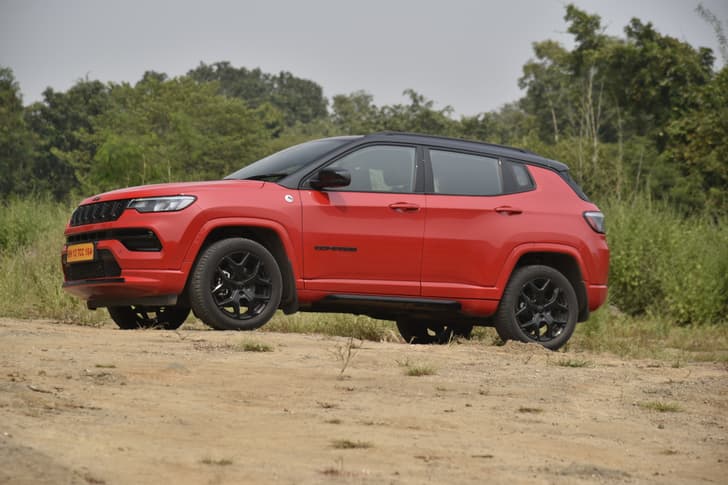
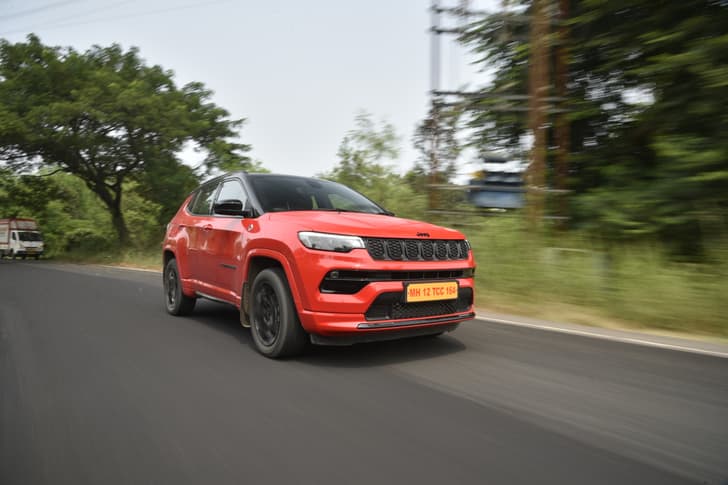
Engine Type | Turbocharged |
Engine Displacement | 1956 cc |
Number of Cylinders | 4 |
Engine Installation | Front |
Fuel Type/ Propulsion | Diesel |
Pure Electric Driving Mode | No |
Gearbox Type | Manual |
Number of Gears | 6 |
Drive Layout | Front Wheel Drive |
Lockable Differential/s | No |
Max Engine Power | 170hp at 3750 rpm |
Max Engine Torque | 350Nm at 1750-2500 rpm |
Fuel Supply System | Common Rail |
Emission Standard | Bharat Stage VI |
Auto Start/Stop | Yes |
Official Fuel Economy | 17.3 kmpl |
Fuel Tank Capacity | 60 litres |
User Reported Mileage | 14.68 kmpl |
Front Suspension Type | Independent, MacPherson Strut |
Front Springs | Coil Springs |
Rear Suspension Type | Independent, Multi-link |
Rear Springs | Coil Springs |
Damper Control | Yes |
Ride Height Adjust | No |
Type of Power Assist | Electric |
Steering Adjust type | Manual |
Steering Adjust | Tilt and Telescopic |
Front Brakes | Discs |
Rear Brakes | Discs |
Wheel Size | 18 inches |
Front Tyre Size | 225/55 R18 |
Rear Tyre Size | 225/55 R18 |
Wheels | Alloys |
Spare Wheel | Space Saver |
Length | 4405 mm |
Width | 1818 mm |
Height | 1640 mm |
Wheelbase | 2636 mm |
Ground Clearance | 178 mm |
Chassis Type | Monocoque |
Doors | 5 |
| Power Windows | Front and Rear |
| 12 Volt Port | |
| Rear Reading Lamp | |
| Steering Mounted Controls | Audio and Phone |
| Cabin Boot Access | |
| Cup Holders |
| Airbags | 6 |
| Overspeed Warning | |
| Curtain Airbag | |
| Dashcam | |
| Seat Belt Warning | |
| Door Ajar Warning |
| Body Coloured Bumpers | |
| ORVM turn indicators | |
| Headlight Height Adjuster | |
| Puddle Lamps | |
| Spoiler | |
| Scuff Plates |
| Speedometer | Digital |
| Tachometer | Digital |
| Trip Meter | |
| Average Fuel Consumption | |
| Average Speed | |
| Distance to Empty |
| Audio System | |
| Second Row USB port | Type A |
| Front USB port | Type A and Type C |
| CD Player | |
| USB Input | |
| AUX Input |
| Emergency Call Button | |
| Find My Car | |
| Over the air (OTA) updates | |
| Remote AC On / Off via App | |
| Remote Car Lock/Unlock via App | |
| SOS Button |
 Electronic Stability ControlFully Digital Digital Instrument ClusterPhone-based Satellite NavigationFabric Seat MaterialLED headlampsAutomatic HeadlampsPanoramic SunroofWireless Phone ChargingOver the air (OTA) updatesLeather Seat Material6 AirbagsDriver's Seat MemoryLED taillightsPanoramic SunroofCornering HeadlightsHill Descent ControlDriving ModesOn-board Satellite NavigationFront Only Ventilated SeatsProjector Headlamps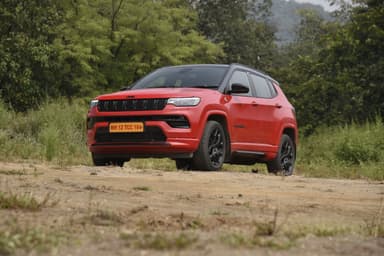

Join the Discussions
I am currently driving a 2022 Jeep Compass manual petrol and have been using it for four years. I am experiencing side hip and lower-back pain due to the manual clutch, especially with city and highway driving. In the future, I will be driving around 120km per day for work. Please suggest a premium SUV with good back support and high fuel efficiency.

 Kia SorentoJeep CompassMahindra XUV 7XO
Infotainment on my Compass freezes for a few seconds almost every time I switch from Android Auto back to the native interface.
I have a budget of Rs. 30 lakh and want to buy a diesel automatic car with good performance on highways that has decent mileage along with good safety, space and comfort. My usage is mostly on highways and I drive less within the city. I am considering Harrier, Jeep Compass and MG Hector. Among these, which would be a better highway car and fulfil all my requirements?
Tata HarrierJeep CompassMG HectorI want to swap my Tata Harrier Diesel AT 2022 model, which has done 45,000 km, with a Jeep Compass Limited AT 2022 model, which has done 30,000 km. My driving is mostly in the city. Is it a wise decision? I am being told that the maintenance costs of the Compass are very high.
Jeep CompassTata HarrierDecision Help: Citroen Basalt X vs. Jeep Compass Automatic (Insights on Suspension & Highway Loads) Hi everyone, I’m looking for some advice on deciding between the Citroen Basalt X (top-end model) and a Jeep Compass automatic (any variant). To give you some context on my driving habits: City Driving: I clock approximately 1,000 km a month in the city, dealing with daily traffic, bad roads, and potholes. Highway Driving: I don't do weekly highway commutes, but I do take a long road trip covering 2,000 to 3,000 km once every 3 or 4 months. Current Ride Baseline: Right now, I drive a Citroen C5 Aircross. I haven't had any issues with its suspension, though to be honest, I can't quite tell if it's on the firmer or softer side because it manages to feel both firm and soft at different times depending on the road. I have a few specific questions regarding how the Basalt and Compass compare for my use case: City Comfort & Spine Support: Given my heavy city usage, how does the Basalt’s notoriously soft suspension setup compare to the Compass’s firmer ride? The Compass is famously planted, but I'm worried its firm setup will transmit too many city potholes into the cabin and lack good spine support on bad roads. Will the Basalt be vastly more comfortable here? Highway Stability & Body Roll (Solo vs. Fully Loaded): I know the Jeep Compass is an absolute champ on the highway. I want to know how the Basalt behaves at cruising speeds between 100 to 120 km/h. Specifically: 1. How different or pronounced is the body roll when driving completely solo vs. when the car is fully loaded with a family and a trunk full of heavy luggage? 2. Does a heavy payload cause a drastic, potentially dangerous difference in how the Basalt's soft suspension handles high-speed turns or sudden braking? Highway Disadvantages: What are the practical disadvantages or dealbreakers of taking the Citroen Basalt X out on long highway stretches at higher speeds? Is there anything else I should be considering while comparing these two cars? Note: Please do not suggest any other vehicles or brands. I am strictly looking only into Stellantis vehicles. Looking forward to your insights and ownership experiences!