

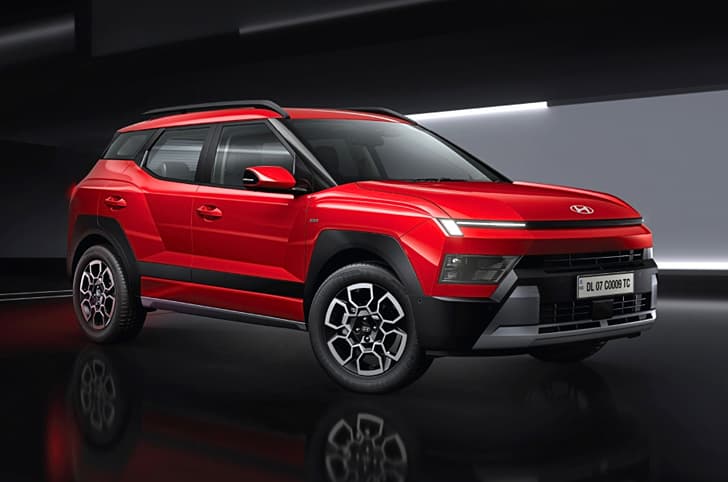
Hyundai Bayon
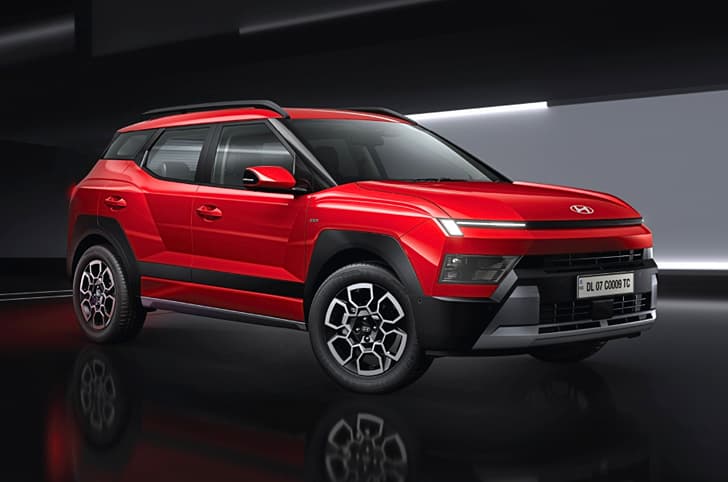
Hyundai has fully revealed the Bayon SUV ahead of its price announcement on October 26, 2026. Positioned between the Venue and Creta in Hyundai’s India SUV lineup, the Bayon will compete with the Maruti Suzuki Victoris. Bookings for the upcoming SUV are already underway.
Under the hood, the Hyundai Bayon will feature a 1.5-litre naturally aspirated petrol engine producing 115hp and 144Nm of torque. Transmission options will include a 6-speed manual and a CVT automatic gearbox. A CNG variant is also expected to join the lineup at a later date.
Although Hyundai has yet to disclose the SUV’s exact dimensions, the Bayon is expected to measure just over 4 metres in length, making it smaller than the Creta. With an expected price range of Rs 9 lakh to Rs 14 lakh (ex-showroom), the new SUV will target buyers looking for a feature-loaded alternative in the entry-level midsize SUV segment.
Hyundai Bayon Key Highlights:
- The Hyundai Bayon will be launched on October 26, 2026
- It is expected to be priced in the Rs 9 lakh to Rs 14 lakh range (ex-showroom)
- Will be positioned between the Venue and Creta in Hyundai’s SUV lineup
- Will be the first Hyundai in India to feature a Generative AI-powered voice assistant
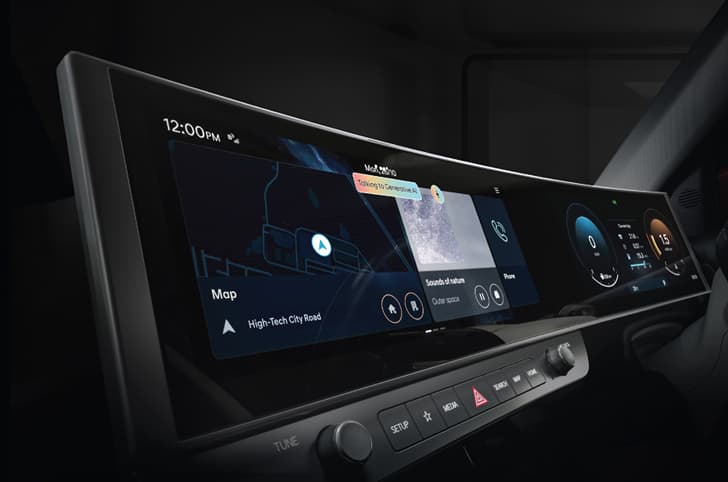
- Gets dual 12.3-inch displays for the instrument cluster and infotainment system
- Powered by the Creta’s 1.5-litre naturally aspirated petrol engine MT, CVT options
- A CNG variant is expected to be introduced later
Hyundai Bayon Exterior Design:
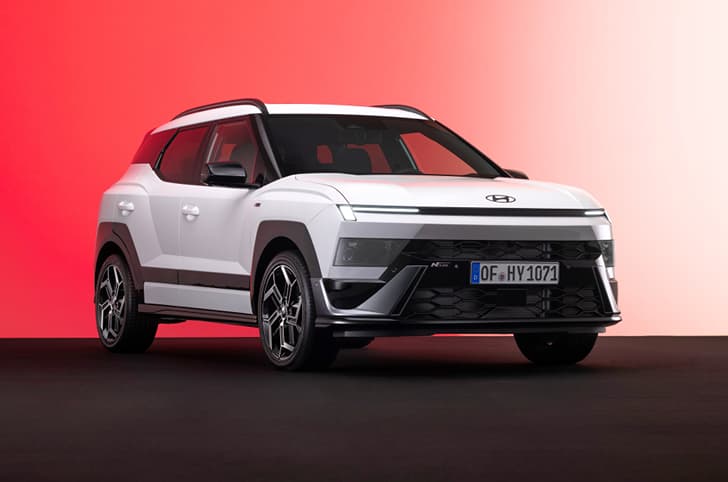
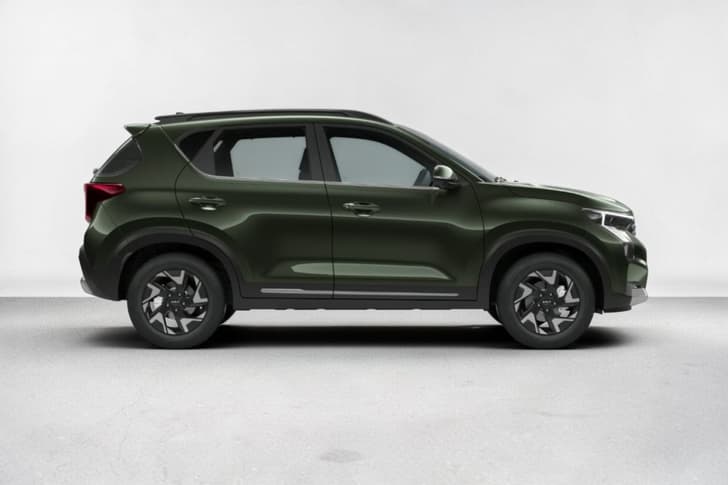
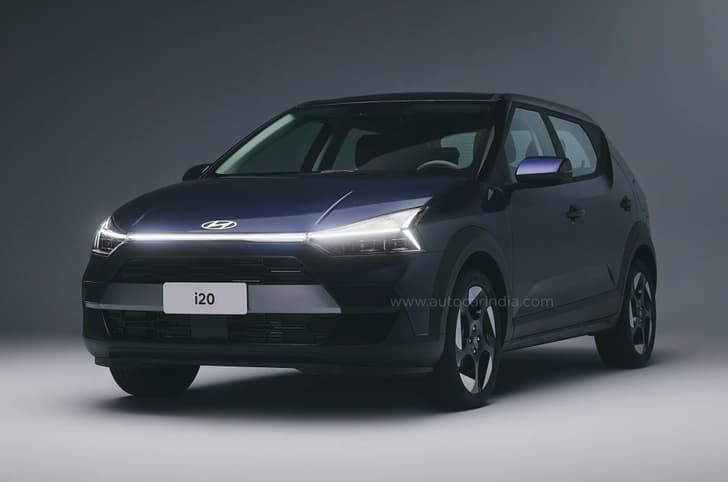
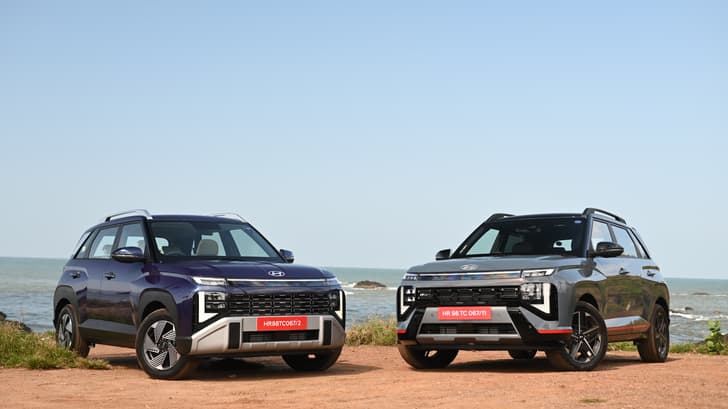
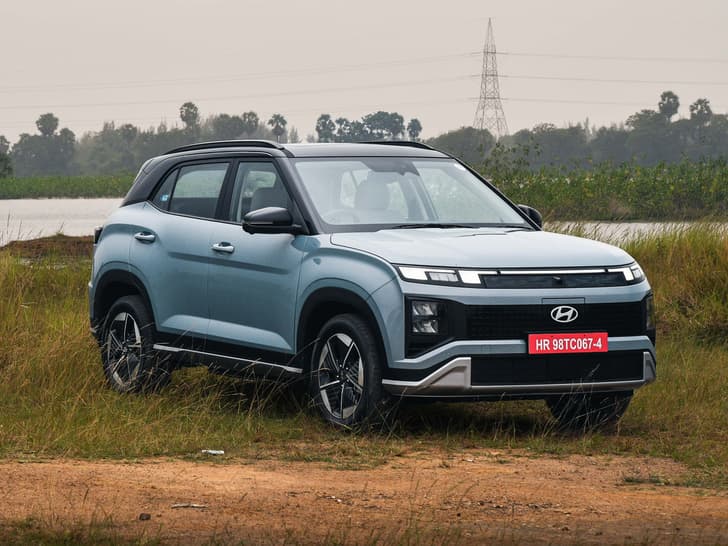
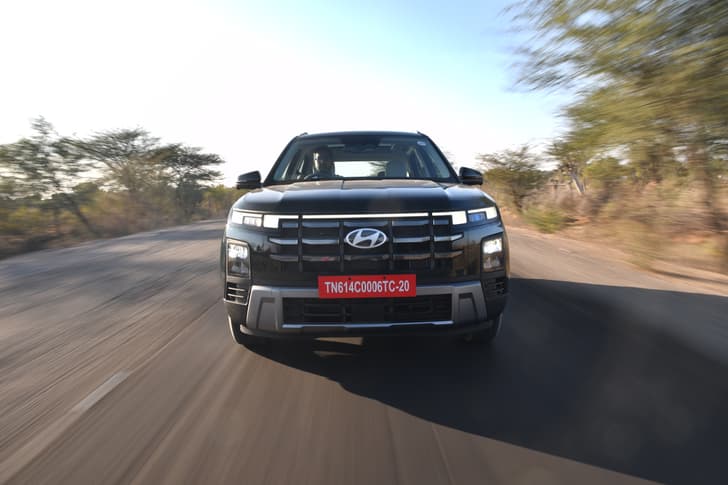
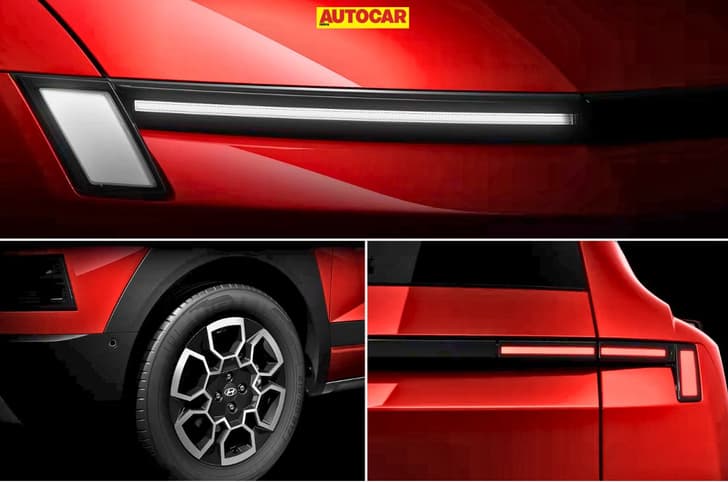
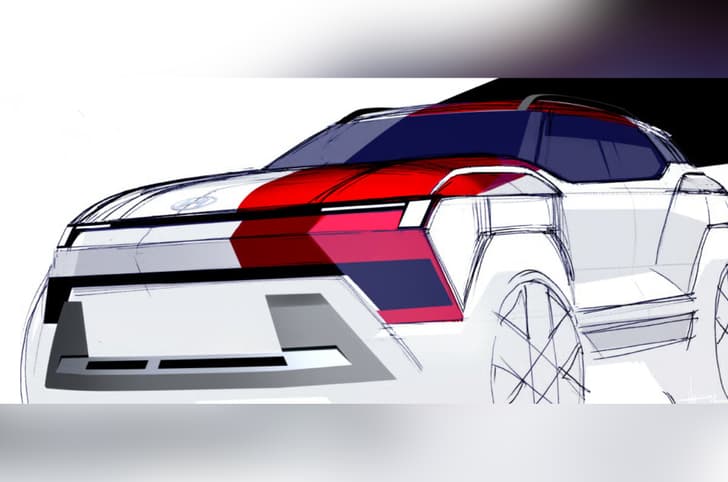
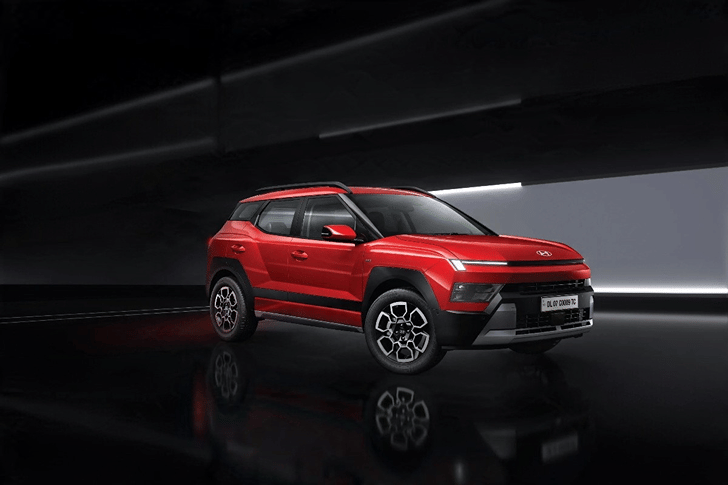
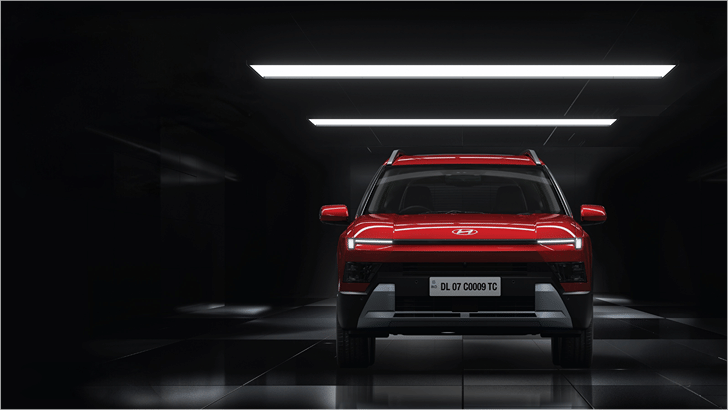
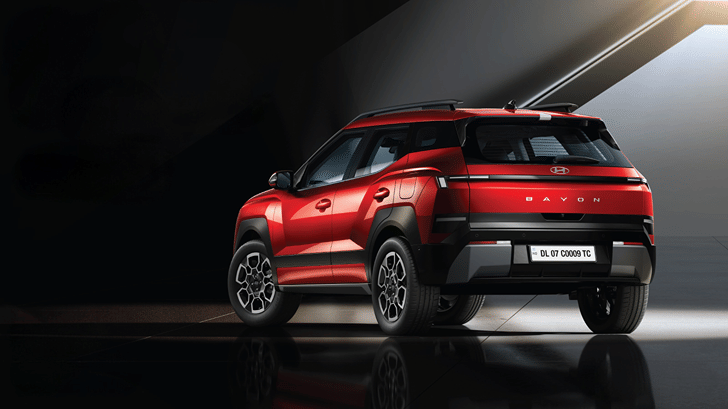
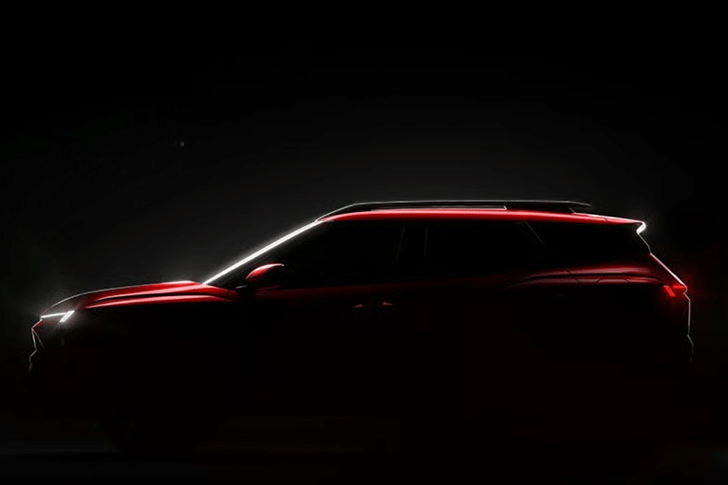
The Hyundai Bayon follows the brand’s ‘Art of Steel’ design language, featuring a split-headlight setup, slim H-shaped LED DRLs, and main headlights integrated into a black-and-silver bumper. Its side profile gets flared wheel arches, body cladding, petal-style alloy wheels and conventional door handles, while the rear features slim taillights, a roof spoiler and a dual-tone bumper.
Hyundai Bayon Interior Design and Features:
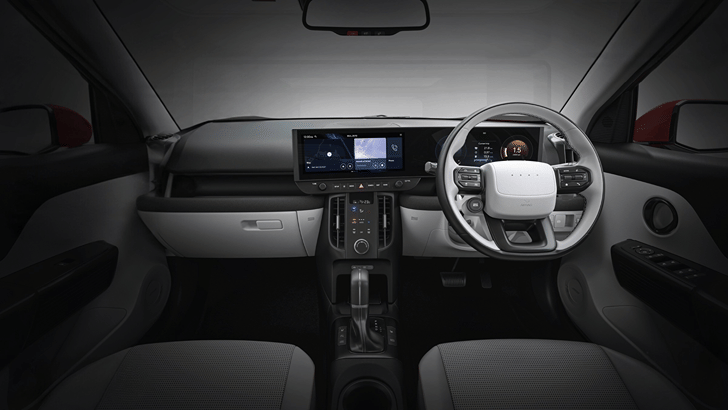
The Hyundai Bayon’s cabin will share its layout with the Brazil-spec i20, featuring dual 12.3-inch displays, vertical HVAC controls, physical buttons and a Venue-like steering wheel with a separate drive mode selector. Key features include a Generative AI-powered voice assistant, Bluelink connected-car technology with over 70 functions, OTA updates, onboard navigation and split-screen functionality, with support for 10 regional and two international languages.
Hyundai Bayon Engine and Gearbox Details:
The Hyundai Bayon will get a 1.5-litre naturally aspirated petrol engine producing 115hp and 144Nm, paired with a 6-speed manual or CVT automatic gearbox. A factory-fitted CNG variant is expected to arrive later, potentially with an underbody-mounted tank, although Hyundai has yet to confirm it.
Hyundai Bayon Latest Updates
- 12 October 2026: Hyundai has showcased an N Line version of the Bayon at the Paris Motor Show 2026
- 12 October 2026: Hyundai officially revealed the Bayon in full ahead of its price announcement on October 26
- 23 September 2026: Hyundai officially commenced bookings for the Bayon
- 18 September 2026: Hyundai teases the Bayon's LED DRLs, LED taillights and 17-inch alloy wheels
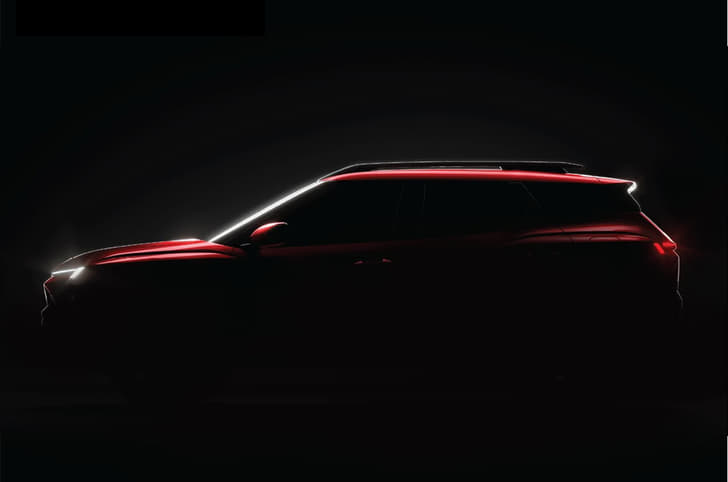
- 16 September 2026: Hyundai released the first official exterior and interior design sketches of the upcoming Bayon SUV
- 14 September 2026: Hyundai officially confirmed the name of its upcoming midsize SUV to be Bayon
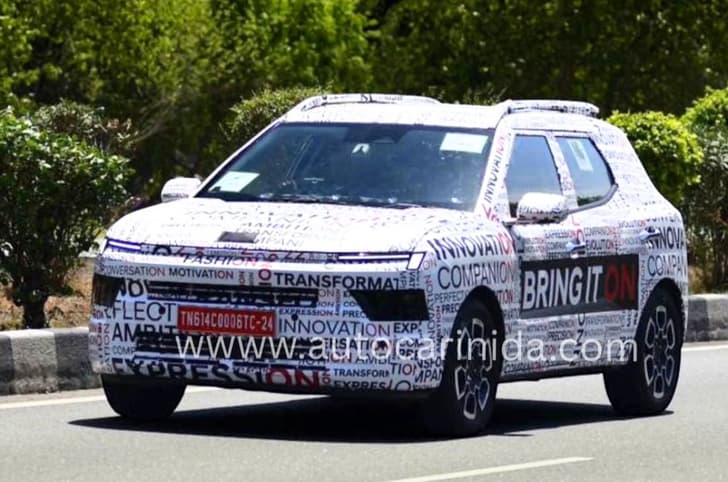
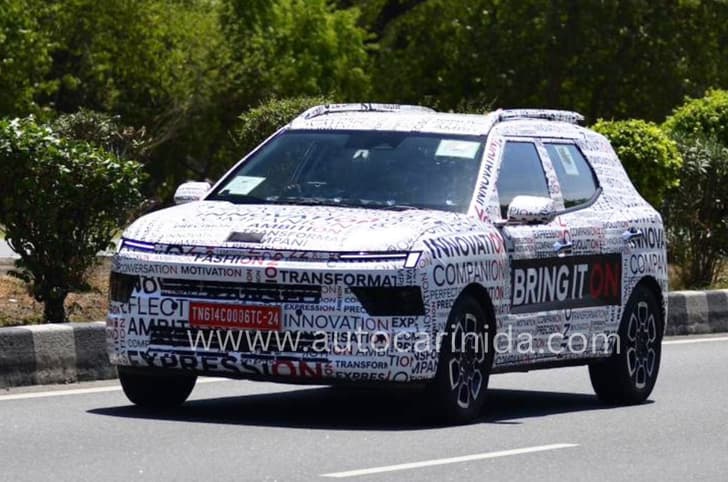
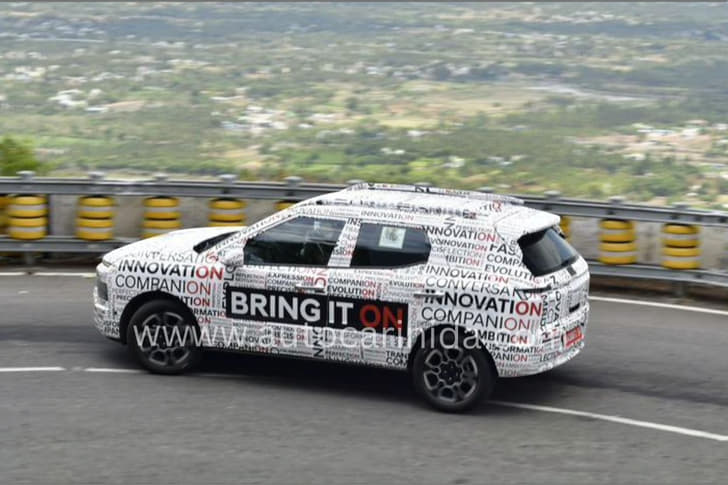
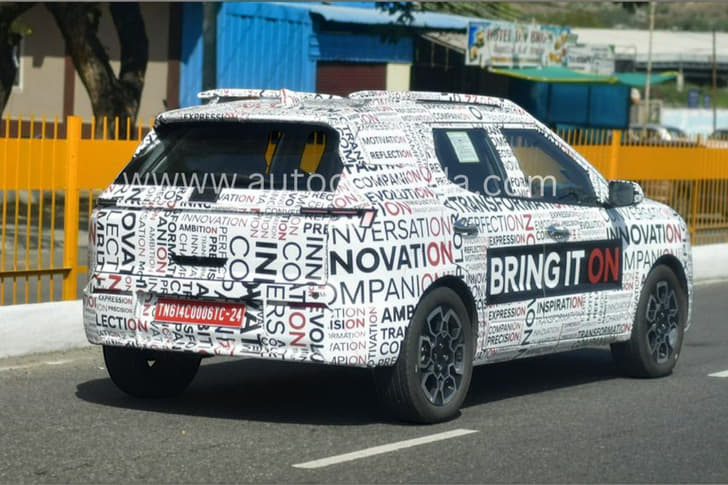
- 21 January 2026: Prototype of the India-bound Bayon-based compact SUV was first spied undergoing road tests
Hyundai Bayon Features and specifications
Our Rating | Yet to be Reviewed |
Engine | 1497 cc |
Fuel Type | Petrol |
Transmission | CVT, Manual |
Body Style | SUV |
Doors | 5 |
Max Power | 115 hp at 6300 rpm |
Max Torque | 144 Nm at 4500 rpm |
| Engine Displacement | 1497 cc |
| Number of Cylinders | 4 |
| Engine Installation | Front |
| Fuel Type/ Propulsion | Petrol |
| Fuel Supply System | MPFI |
| Front Brakes | Disc |
| Chassis Type | Monocoque |
| Doors | 5 |
| Bluetooth Connectivity | |
| Steering Mounted Controls | Audio and Phone |
| Power Windows | Front and Rear |
| Digital Instrument Cluster | Fully Digital |
| Headlight Type | LED |
| Outside rear view mirror (ORVM) | |
| Spoiler | |
| Roof Rails |
| Display | 12.3-inch Touchscreen |
| Voice Commands |
| Over the air (OTA) updates |
Hyundai Bayon price & variants
The Hyundai Bayon is expected to be priced between Rs 9 lakh and Rs 14 lakh (ex-showroom), with prices to be announced on October 26, 2026.
Hyundai Bayon reviews

Hyundai Bayon Mileage
The Hyundai Bayon is expected to deliver fuel efficiency similar to the Creta, as it will use the same 1.5-litre naturally aspirated petrol engine, though its real-world mileage is yet to be tested.
| PowertrainThe combination of engine type, fuel, and transmission that powers your vehicle and determines how it drives and what it runs on. | ARAI MileageMileage certified by the government, tested under controlled lab conditions. Real-world mileage will vary. |
|---|---|
Petrol-Manual 1497 cc | NA |
Hyundai Bayon news
Hyundai Bayon Images
Explore all angles of the Hyundai Bayon with detailed images of its exterior, interior, and features.

Hyundai Bayon Similar Cars to Explore
Hyundai Bayon FAQs
The Hyundai Bayon will be a slightly smaller and more affordable offering, expected to measure just over 4 metres against the Creta’s 4.3 metres. It will use the same 1.5-litre naturally aspirated petrol engine as the Creta, but its powertrain lineup will be narrower at launch, with a manual and a CVT. Hyundai is expected to move the next-generation Creta higher up in positioning, with a wider powertrain lineup that includes a hybrid, while the Bayon covers the lower end of the midsize SUV space.
Hyundai is yet to reveal the exact dimensions of the Bayon. However, it is expected to measure just a tad over 4 metres, which would place it below the 4.3-metre Creta. The Venue is a sub-4-metre SUV, so the Bayon is likely to be longer, in keeping with its positioning between the two models in Hyundai’s SUV lineup.
Hyundai hasn’t confirmed a CNG variant yet, but one is expected to be added to the lineup at a later stage. At launch, the Hyundai Bayon will be offered only with the 1.5-litre naturally aspirated petrol engine, producing 115hp and 144Nm, paired with a manual or a CVT gearbox. The CNG version is likely to use an underbody tank, which would help retain boot space. If it arrives, the Bayon would become the first Hyundai model over four metres in length to be powered by CNG. Timelines and specifications remain unannounced for now.
No, the Hyundai Bayon is not expected to replace the Venue. It will be positioned between the Venue and the Creta in Hyundai’s SUV lineup, adding a new rung to the range rather than retiring an existing model.
That depends on what a buyer is looking for. Bookings are already underway, and prices will be announced on October 26, 2026, so the wait is short. The Hyundai Bayon is expected to offer a feature-loaded cabin, a distinctive design and a proven 1.5-litre petrol engine, at a price starting around Rs 9 lakh. Buyers who want a diesel, turbocharged or hybrid powertrain may find the options limited at launch. Those considering the Maruti Victoris should wait for official pricing and variant details before deciding, and a real-world test of mileage and performance will offer a clearer picture.
Questions you may find useful
Bayon could be an interesting option for people who find Venue a bit small and Creta too expensive. But with so many SUVs already available, what would make you choose Bayon?
Hyundai Bayon looks interesting, but a lot will depend on the pricing. If it comes close to the Creta, would you still consider it?
Hyundai Bayon could generate an entirely new segment of SUVs in india. It is positioned between the sub-compact Hyundai Venue and the midsize Hyundai Creta in Hyundai's Indian SUV lineup with 4.2-meter long and powered by a 1.5-litre naturally aspirated (NA) petrol engine. Thus generating an entirely new segment holds true when looking at how the market is shifting: • Creating a New "Sub-Creta" Space: Rather than squeezing under the 4-meter tax bracket to fight for marketshare, Hyundai is intentionally building a new sub-midsize space. It sits directly between the sub-4-meter Venue and the Creta. • The Creta's Upward Move: To make physical room for this 4.2-meter vehicle, Hyundai is expected to lengthen the next-generation Creta closer to the 4.4 to 4.5-meter mark. This leaves the Bayon occupying the footprint that the original midsize SUVs used to hold. • Powertrain Capabilities: The 1.5L MPi petrol engine produces 114 bhp and 144 Nm of torque, paired with a 6-speed manual or a CVT (IVT) automatic. • Absent competition of similar products: all the other competitors has either sub 4 m SUVs and creta competitors. Victoris is bigger and Curvy is of a different style. Since this 4.2m footprint changes the competition completely, would like to see how its cabin space and features stack up against the base variants of traditional midsize SUVs and top spec sub-4 meter SUVs. Please share your thoughts on this being the Start of an in between sub segment forcing other brands also to introduce such cars.
I am planning to buy a car but need an opinion between the Bayon and the Elevate.
It is difficult to give a meaningful opinion on the Bayon against the Elevate without actually seeing and driving the India-spec Bayon. The India model is quite different from the European Bayon, and while we now know it will sit between the Venue and Creta, its exact positioning, ride quality, performance and real-world usability can only really be judged once the production car is driven. It is expected to use Hyundai's 1.5-litre naturally aspirated petrol engine, with CNG also likely to be offered.There is another reason not to rush into the Elevate right now. The Elevate facelift is just around the corner, with the India debut expected in early October. It is expected to get styling and equipment updates, while retaining the existing 1.5-litre petrol engine and CVT. Potential additions include ventilated front seats, a 360-degree camera and an updated touchscreen.So this is one of those situations where waiting a little gives you a much clearer picture.
I currently drive a Hyundai i10 CNG, with daily running of around 6 km in Gurgaon city traffic and a monthly highway drive of around 200 km. I am now planning to upgrade my car, with an on-road budget of Rs. 12 lakh for a petrol sub-4-metre SUV, up to Rs. 14 lakh for a petrol midsize SUV, and Rs. 15 lakh for an EV. I live in a rented apartment on the second floor, so I am apprehensive about getting an EV. I prefer an EV, but installing a charger could be complicated due to the sanctioned load. My running could increase to nearly 800 km per month in the future. My key priorities are: - Good suspension and ride comfort, as I have a back problem - Decent fuel efficiency in heavy city traffic - Low to medium maintenance costs - Auto hold and ventilated seats would be good to have I sometimes consider buying a manual, but I mostly prefer an automatic. I am currently considering the Maruti Brezza, Baleno AMT, Fronx AMT/AT, Sonet iMT, Exter AMT, and even the upcoming Inster, VF3, and Bayon. I am open to other suggestions as well. Note: I had a bad driving experience with the Punch AMT, as it caused back fatigue.
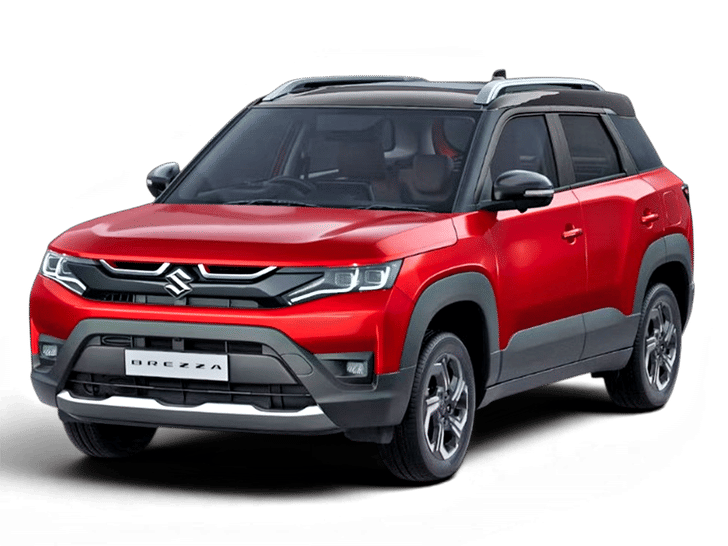
Given your priorities of ride comfort, fuel efficiency and low maintenance, the Maruti Brezza automatic is the most sensible upgrade. It offers a comfortable ride, a proven naturally aspirated petrol engine and Maruti's strong service network, which keeps long-term ownership costs in check. The torque converter automatic is smooth in city traffic, and the Brezza's higher seating position will help with your back issues. The Sonet iMT is not the right choice here. While it is a good car, the iMT is not a true automatic and will not offer the same ease of use in Gurgaon traffic. The Baleno AMT and Exter AMT are also not ideal given your back issues and the fact that AMT gearboxes are not as smooth as torque converter automatics in stop-start conditions.On the EV front, your apprehension about charging is valid. Without a straightforward home charging solution, an EV will add unnecessary complexity to your ownership experience. The upcoming Bayon is interesting and if you can wait a few weeks you would have a better picture before making a decision. For now, the Brezza automatic strikes the best balance between comfort, efficiency and hassle-free ownership.
Upcoming Cars


Hyundai Cars


Trending Cars


Latest Cars


Last Updated on: 15 Oct 2026