

Last Updated on: 01 Sep 2026

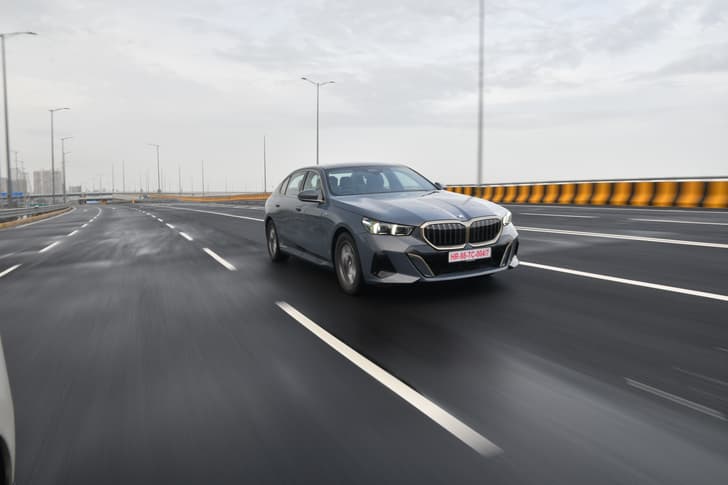
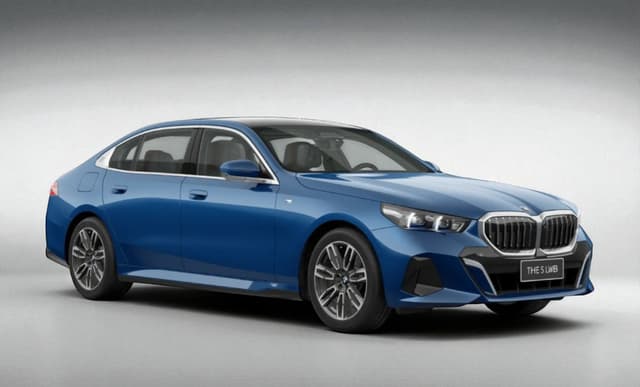
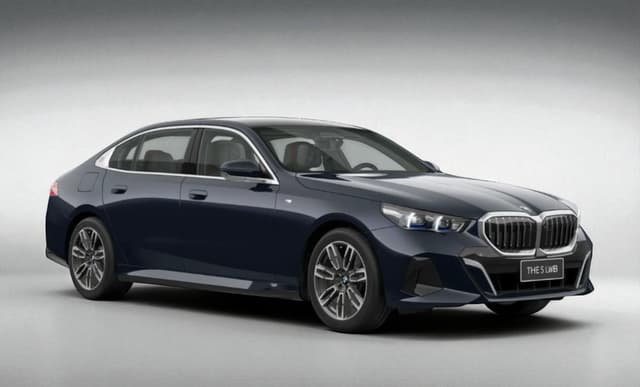
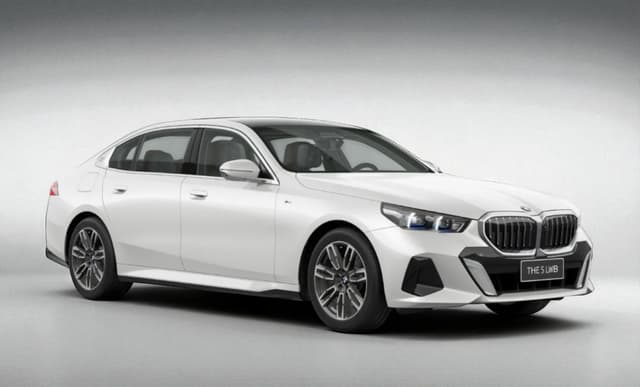
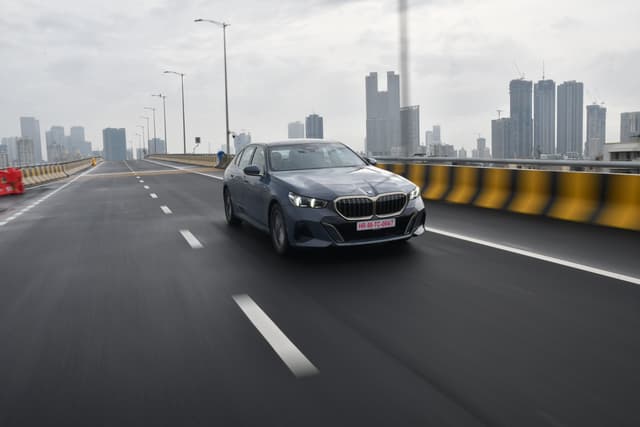
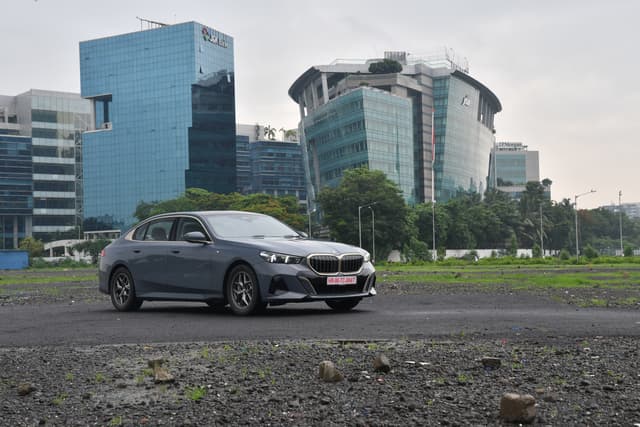
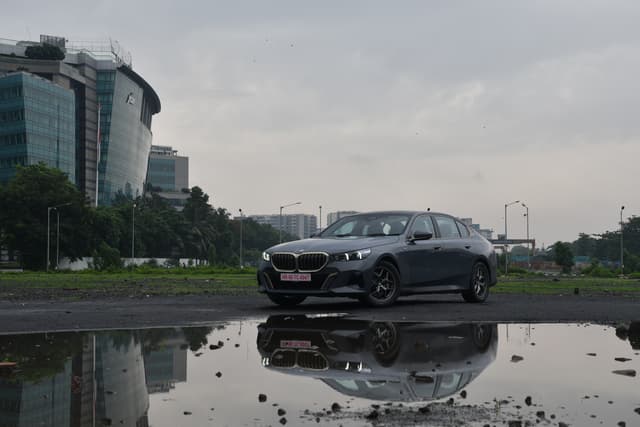
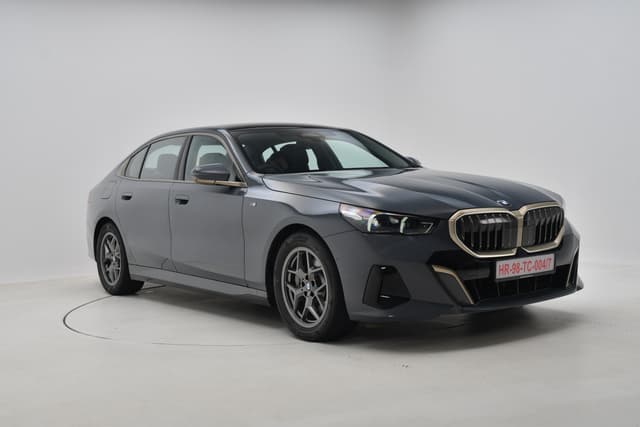
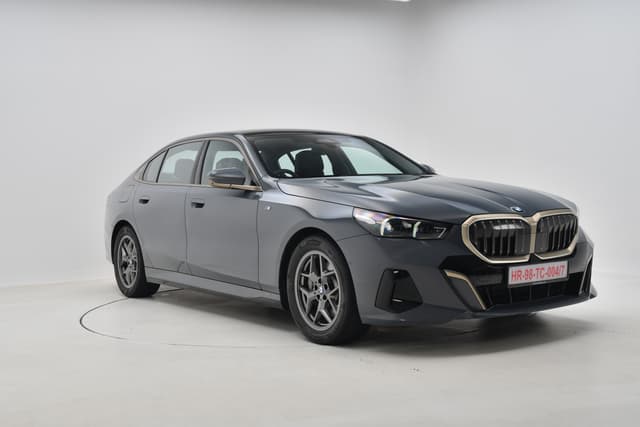
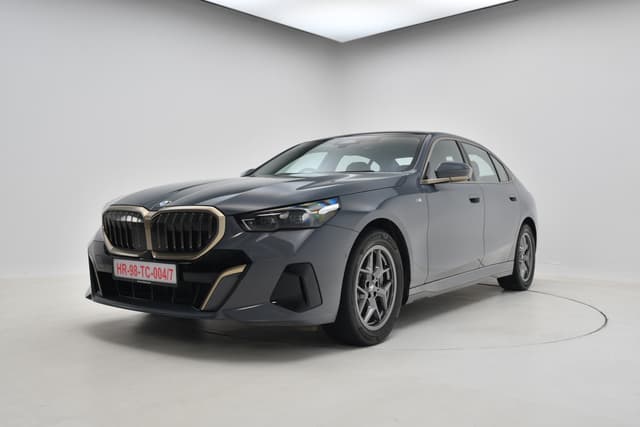
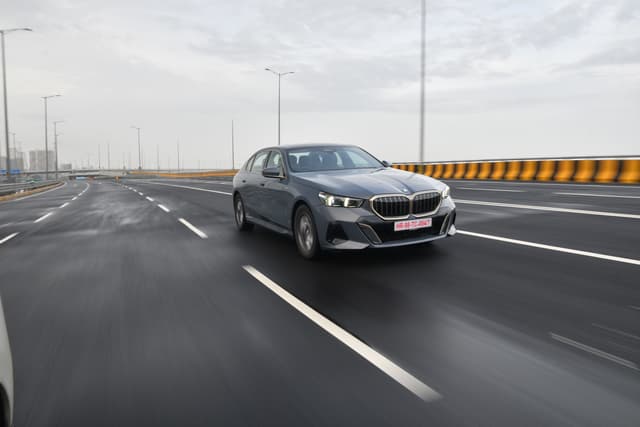
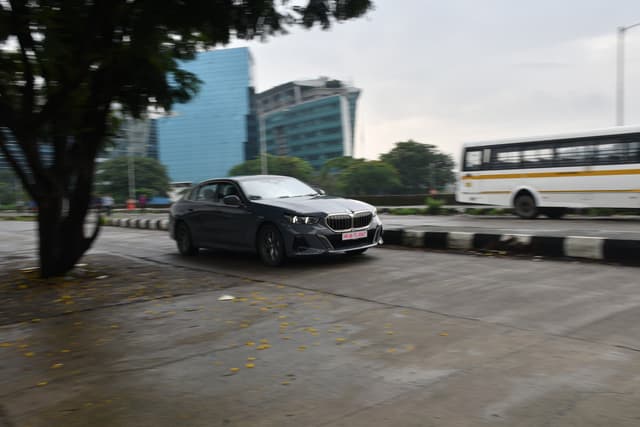
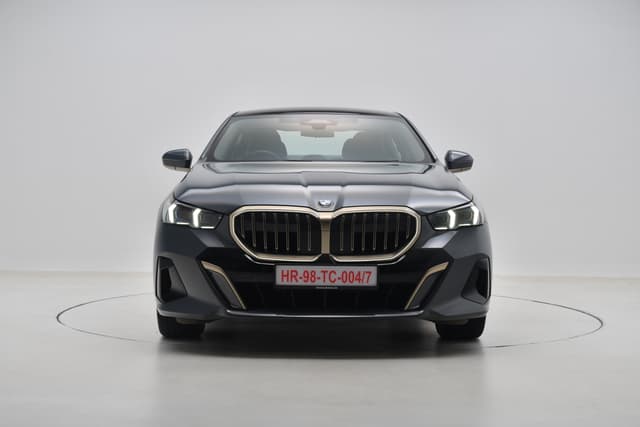
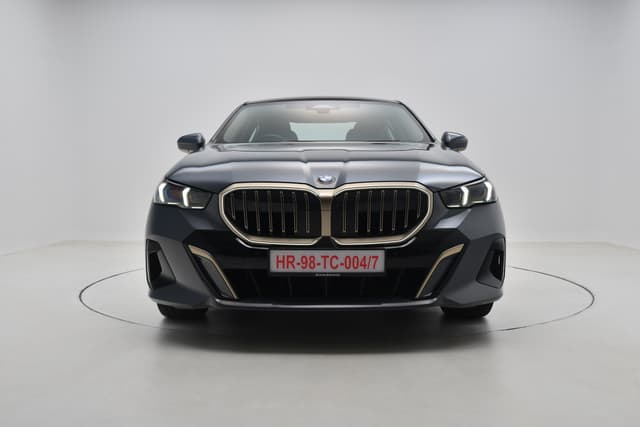
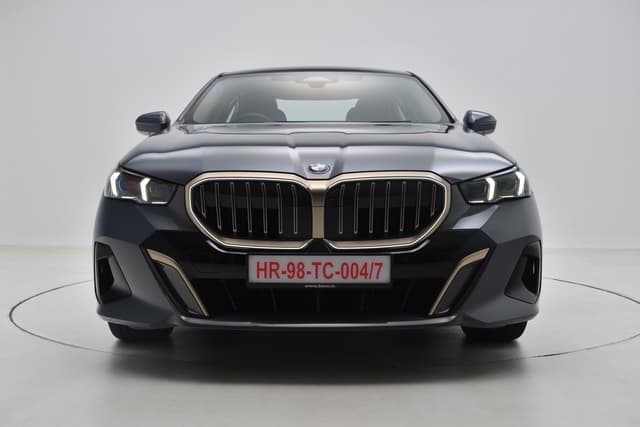
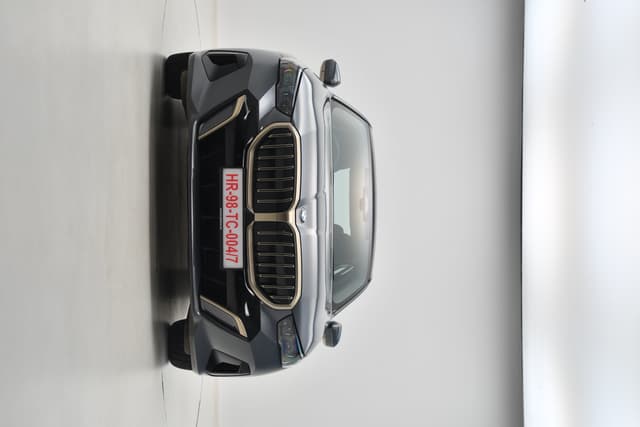
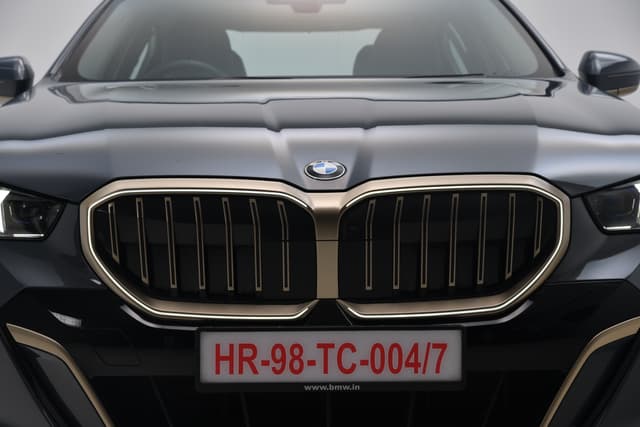
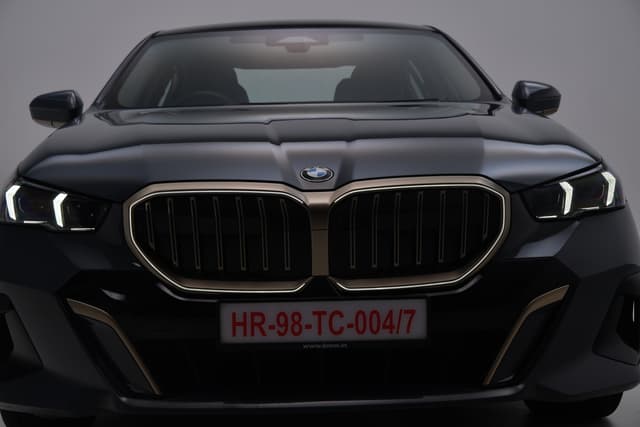
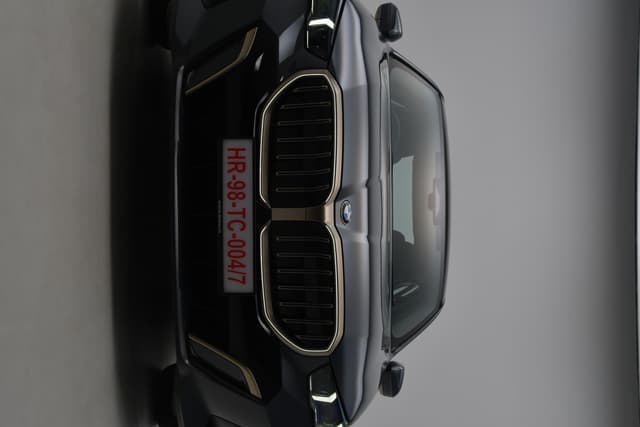
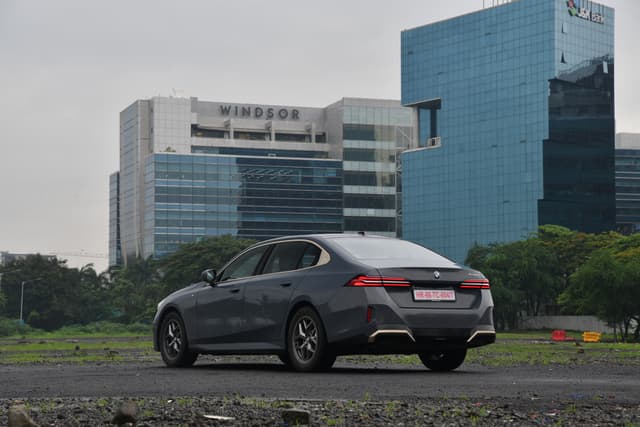
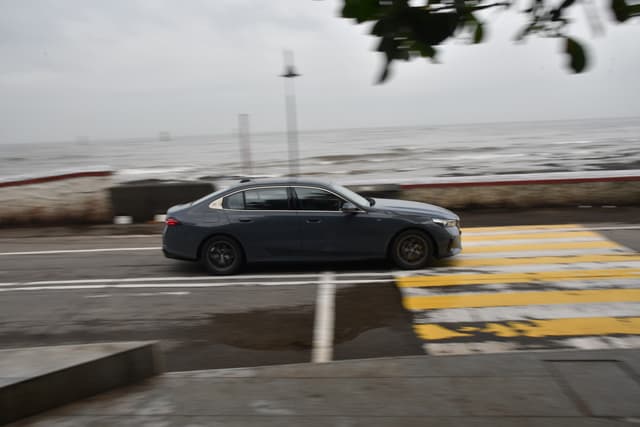
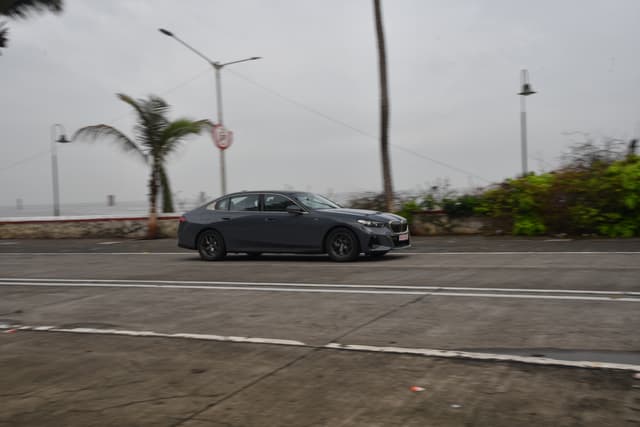
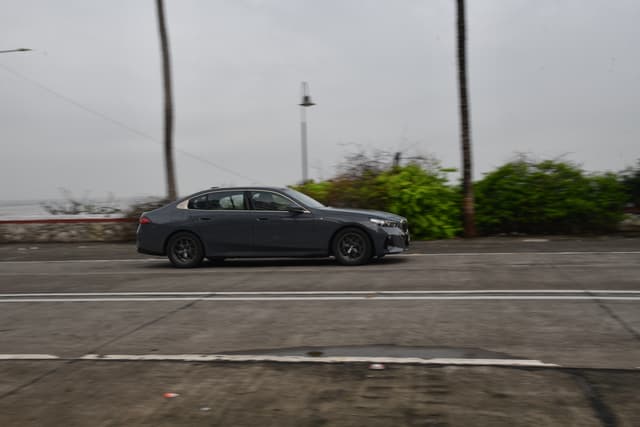
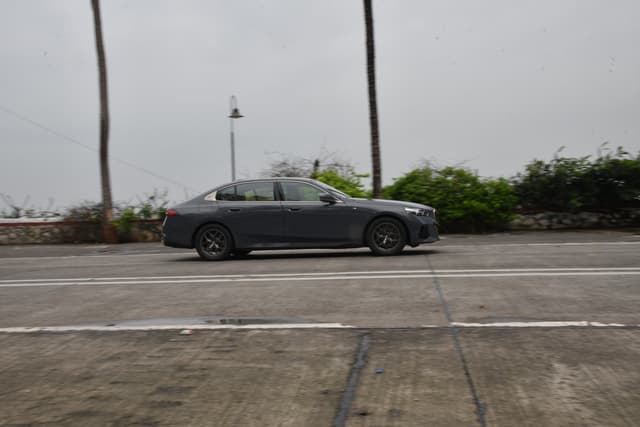
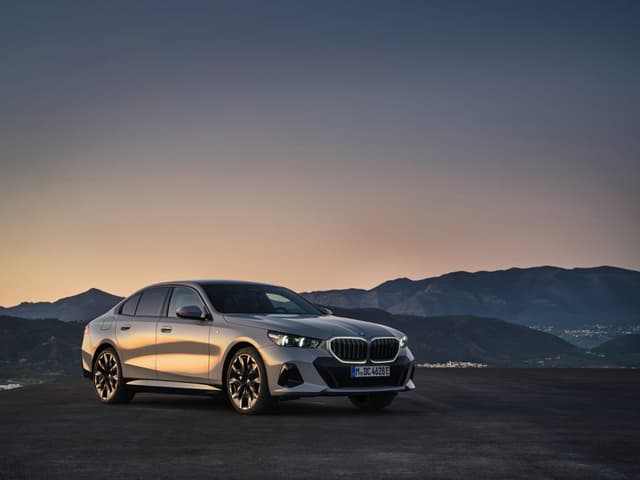
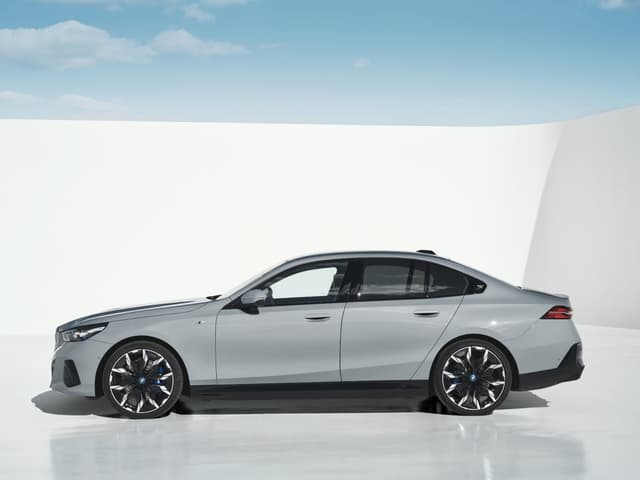
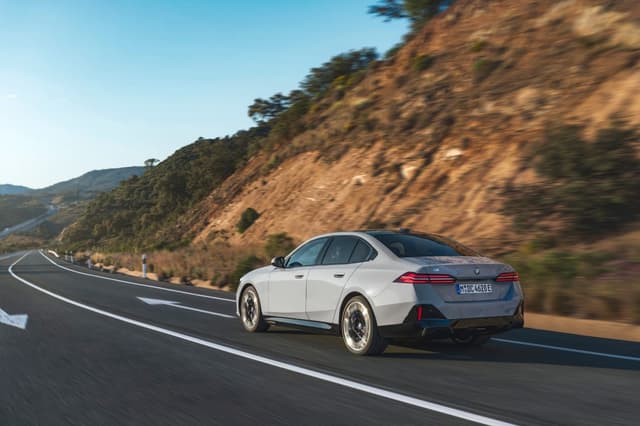
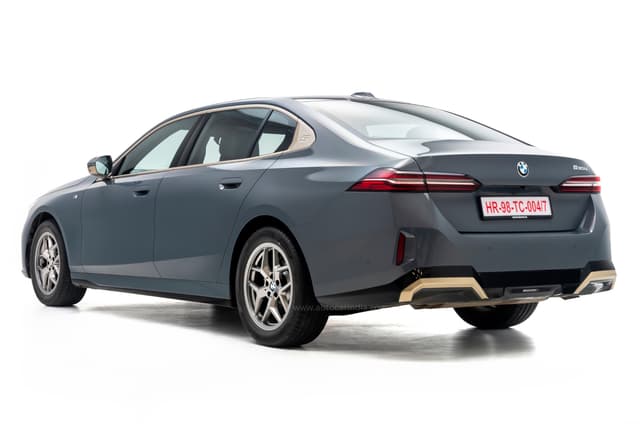
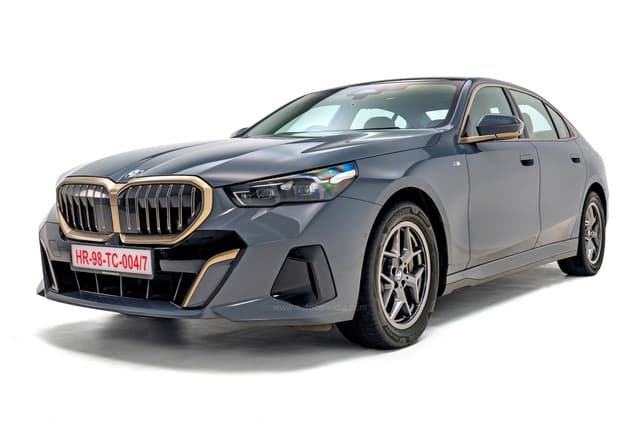
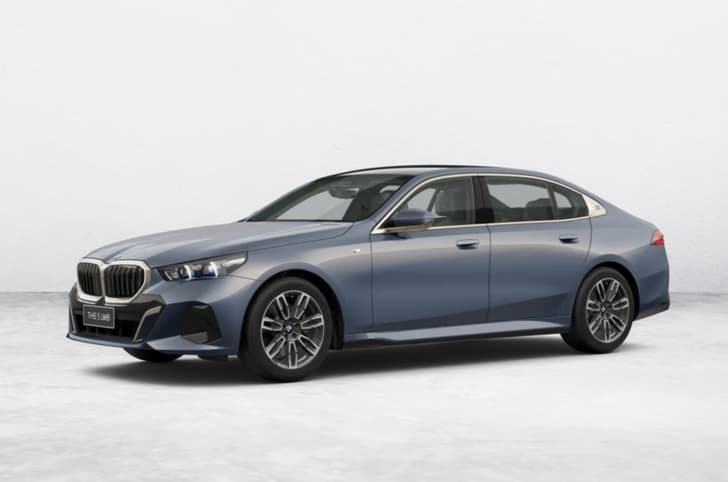
BMW 5 Series LWB price in Narayanpet
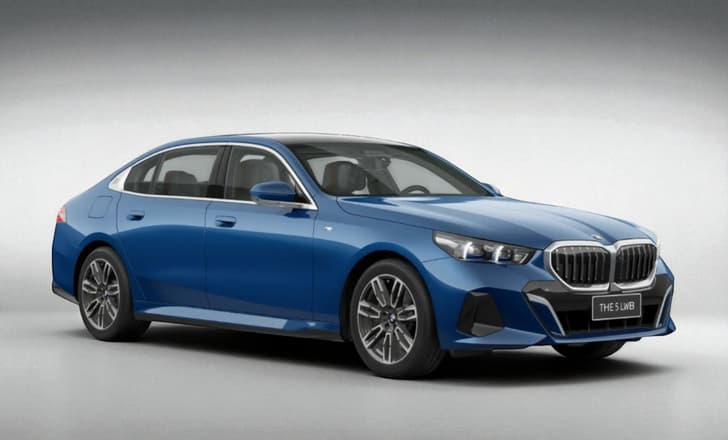
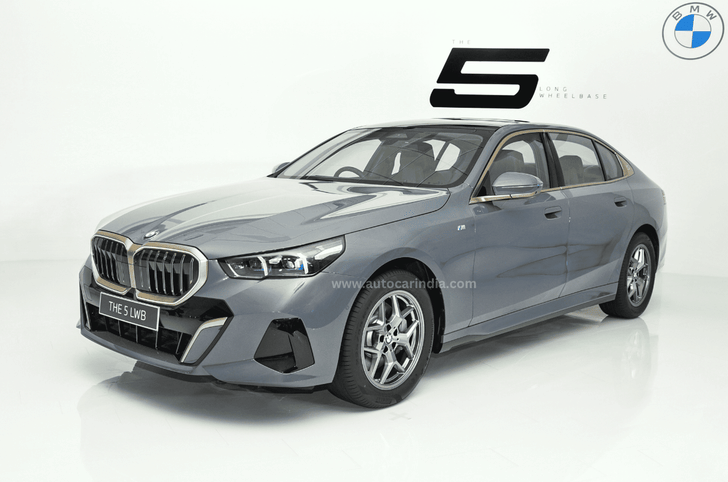
The BMW 5 Series price in Narayanpet starts at ₹76.60 lakh (ex-showroom), with on-road price in Narayanpet of ₹95.37 lakh, inclusive of RTO, insurance, and fees.
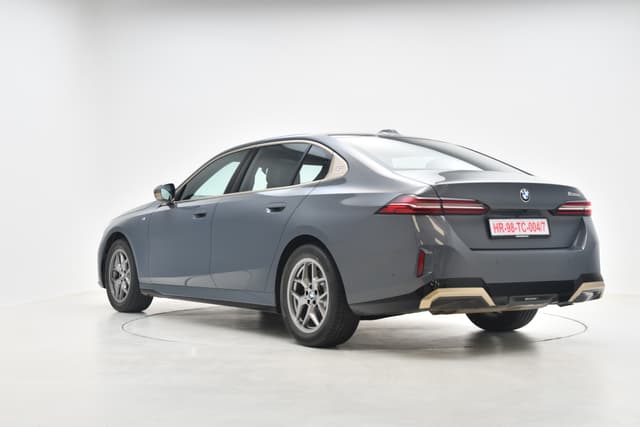
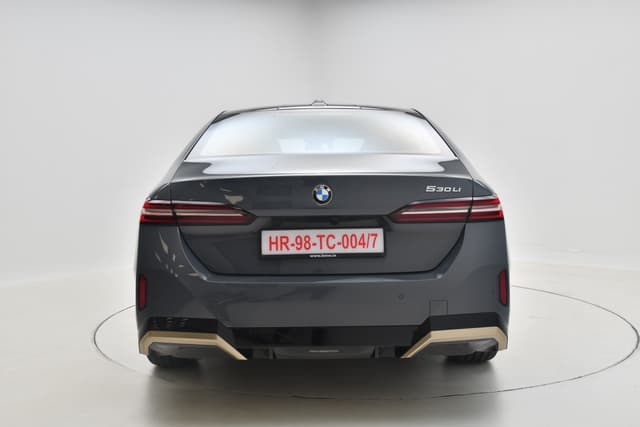
The BMW 5 Series is offered in a single Long Wheel Base variant.
BMW 5 Series LWB price in Narayanpet
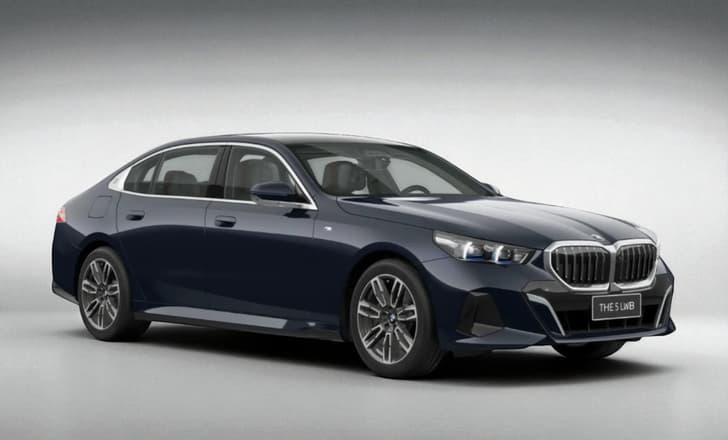
The BMW 5 Series price in Narayanpet starts at ₹76.60 lakh (ex-showroom), with on-road price in Narayanpet of ₹95.37 lakh, inclusive of RTO, insurance, and fees.
The BMW 5 Series is offered in a single Long Wheel Base variant.
BMW 5 Series LWB On Road Price by Variants
* Estimated on-road price. Final amount may vary.
BMW 5 Series LWB User Reviews
Tell us about your experience
BMW 5 Series LWB Official Brochure
Download the complete brochure with specs, features, and variants.
Calculate your fuel cost for BMW 5 Series LWB
On Road Price of BMW 5 Series LWB Alternatives in Narayanpet
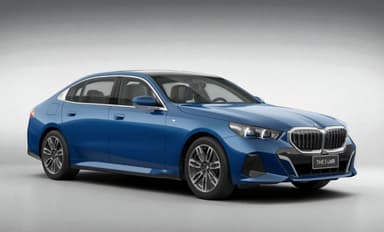
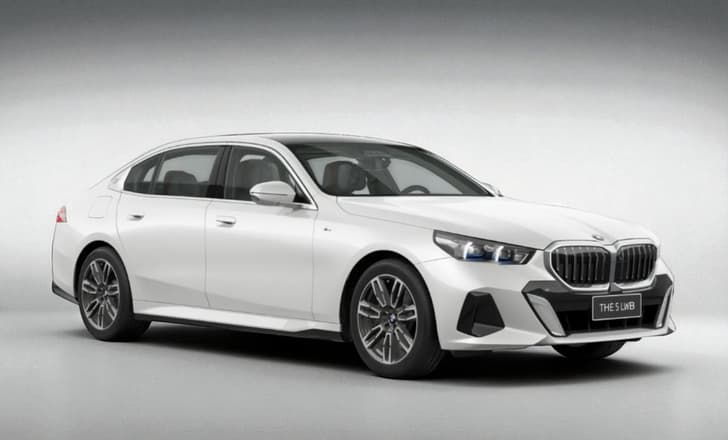
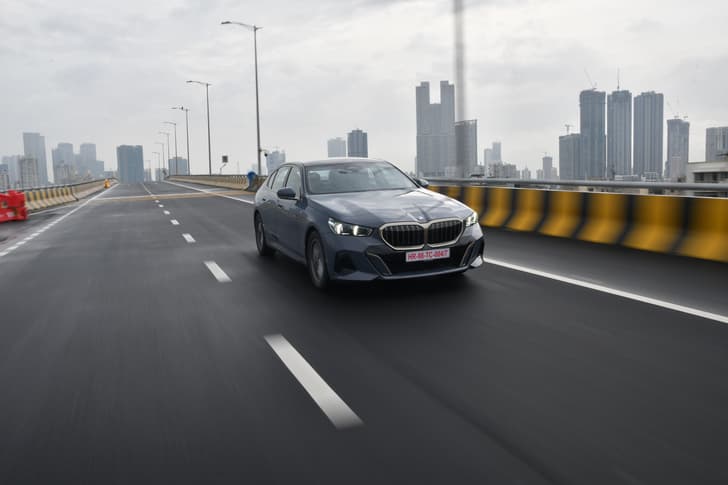
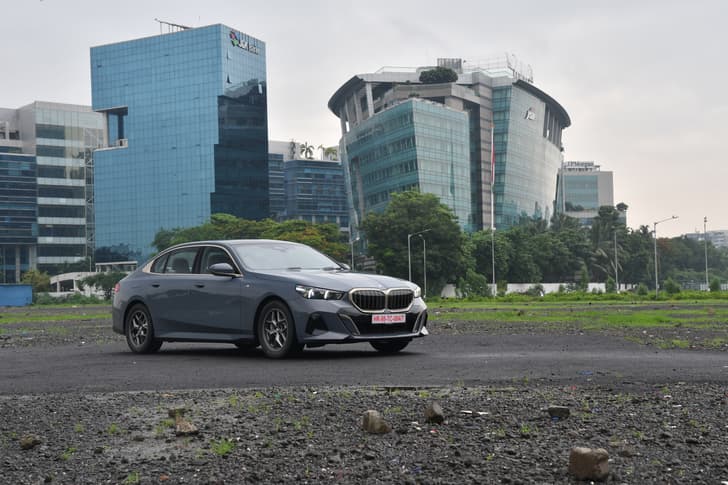
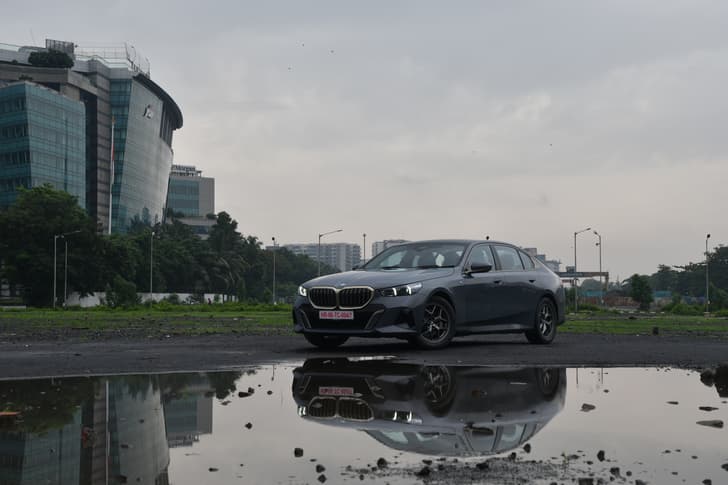
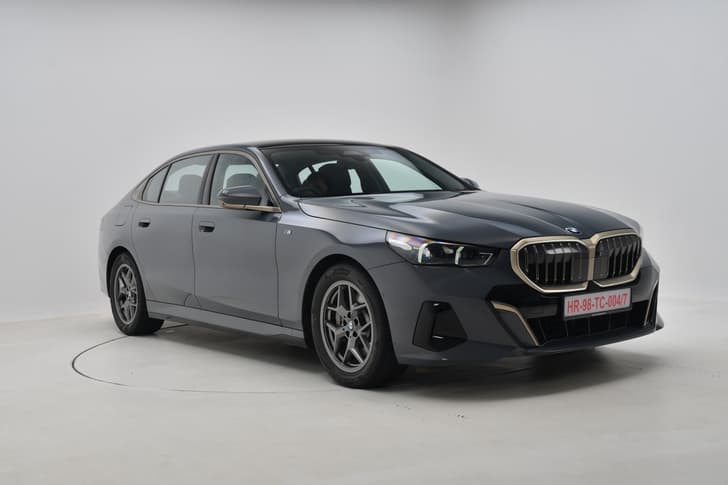
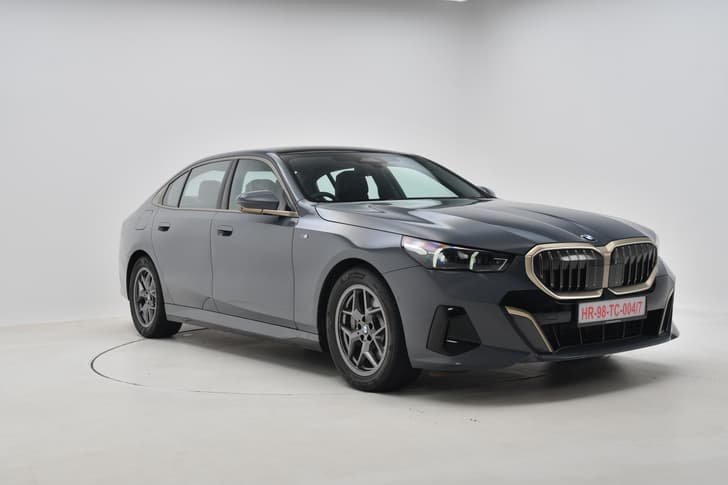
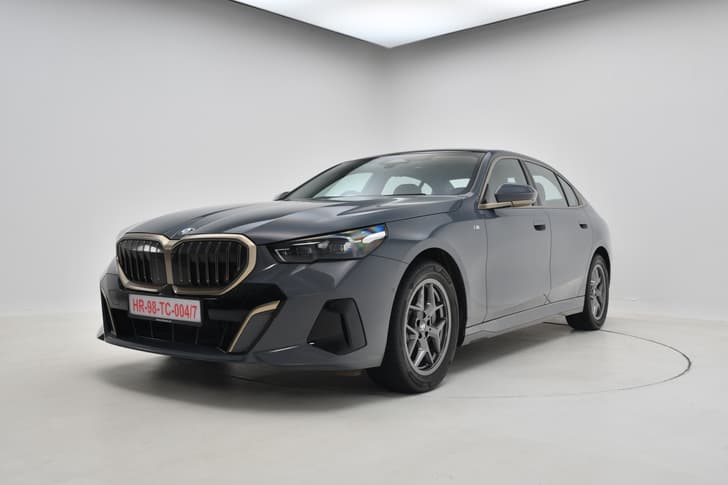
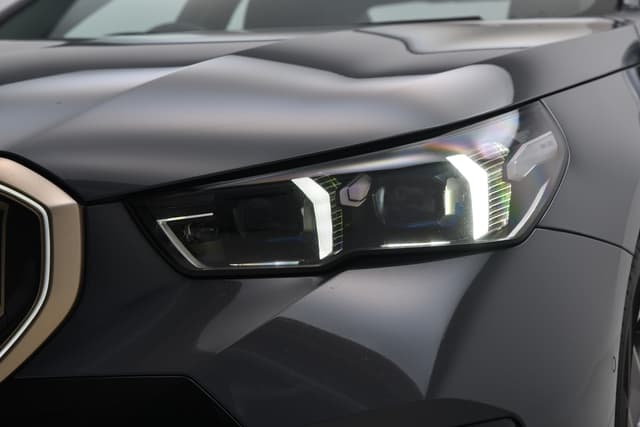
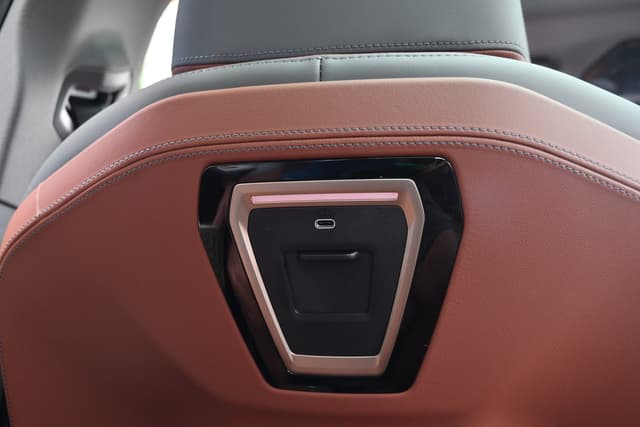
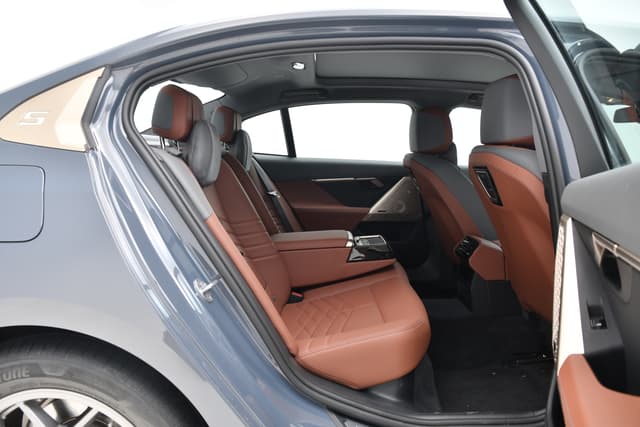
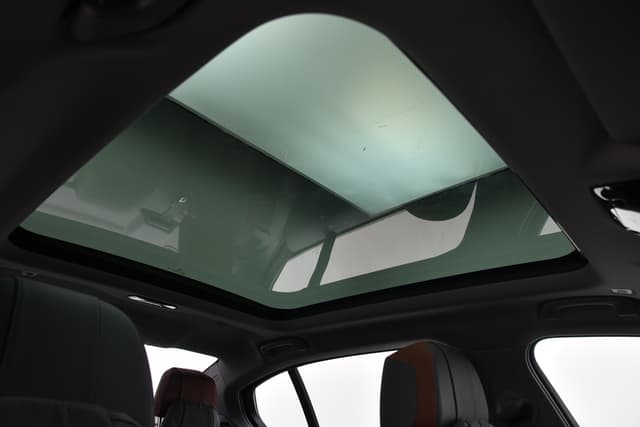
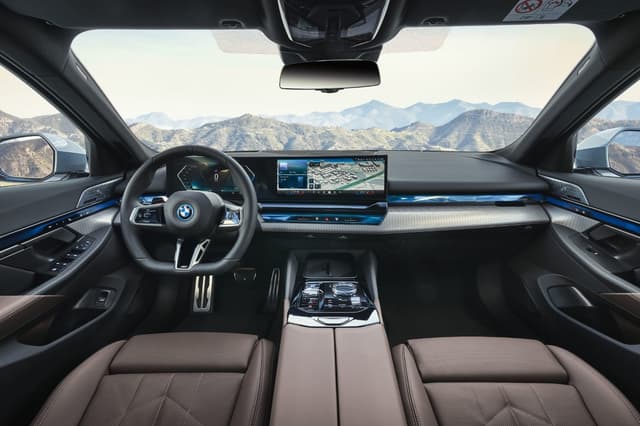
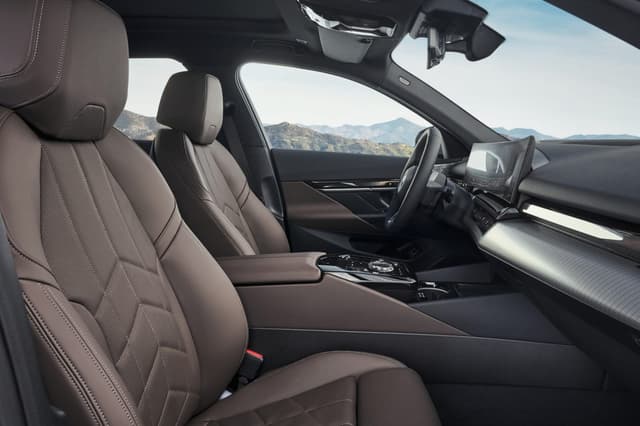
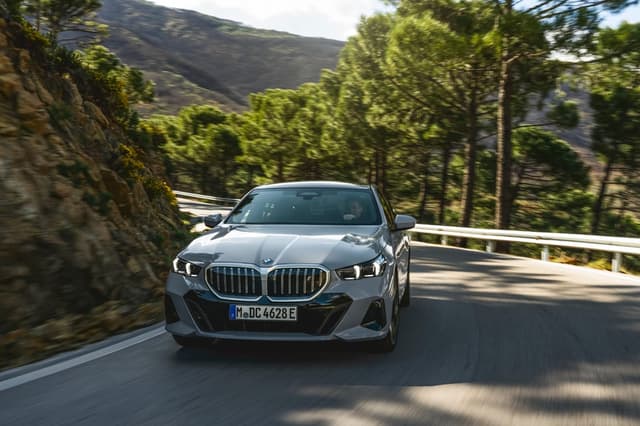
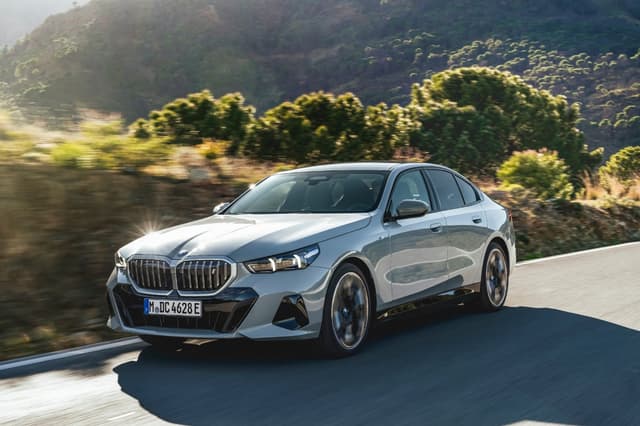
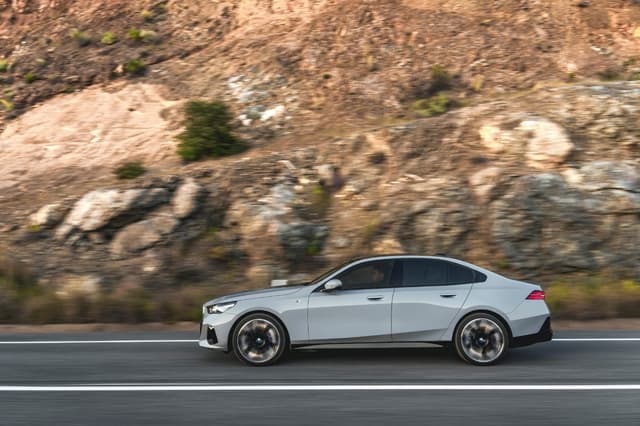
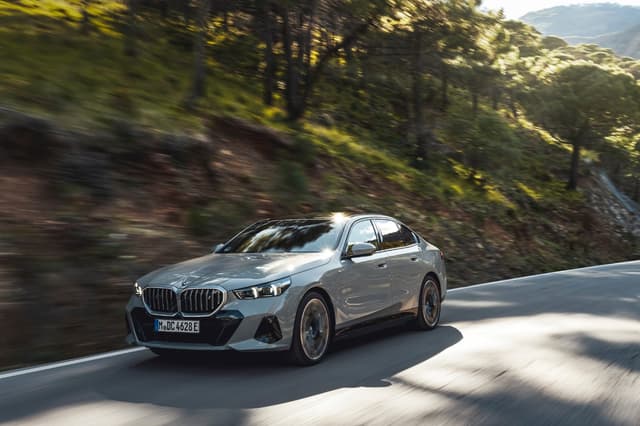
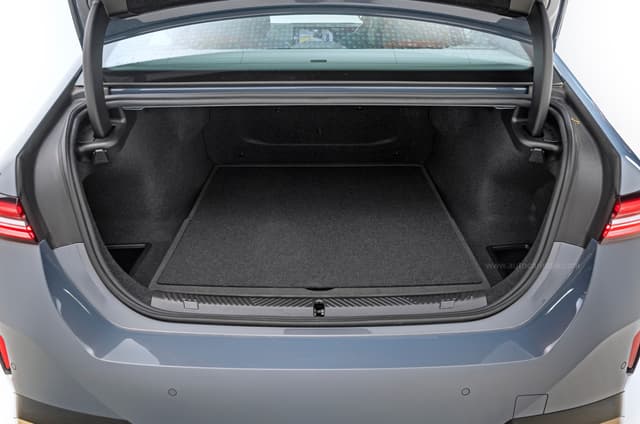
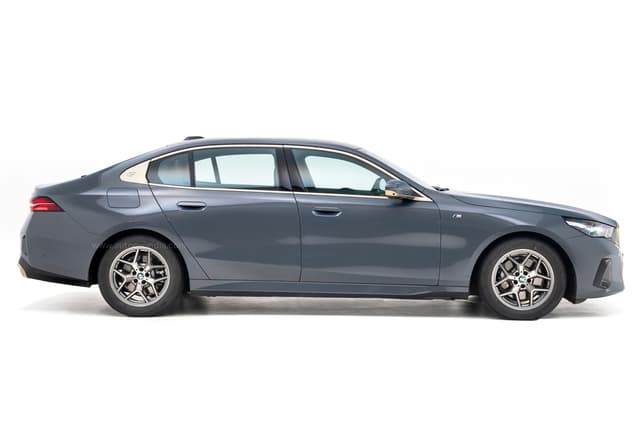
View all Sedan Cars Under ₹1 CroreBMW 5 Series LWB Images
BMW 5 Series LWB Colours
BMW 5 Series LWB news
BMW 5 Series LWB videos

BMW 5 Series LWB FAQs
The 5 Series price starts at ₹76.60 lakh (ex-showroom).
The 5 Series price in Narayanpet starts at ₹76.60 lakh (ex‑showroom).
BMW only offers the 5 Series LWB 530Li M sport variant in India. In Narayanpet, the 5 series is priced at ₹95.37 lakh on‑road depending on local levies.
In Narayanpet, the 5 Series on‑road price typically begins near ₹95.37 lakh.
Questions you may find useful
I am planning to buy the new Lexus ES 350h but I am confused as it is a completely new design and unlike the typical Lexus. I need your advice and suggestions for any other cars under 90 lakh (on-road) budget.
The new Lexus ES 350h is looks quite different to the previous ES, but the proposition remains the same. It is now a much larger car, with a more imposing design and a significantly more powerful hybrid powertrain. It is no longer the understated luxury sedan the previous ES was, and this is Lexus's new, bolder approach that's unfolding across its model range. Inside too, the relatively old-school use of wood, metal and multiple layers has been traded for a cleaner, minimalist look that's more futuristic and somewhat generic. However, the luxury prospect hasn't changed too much, with high-quality materials, tactile surfaces and even more features. And since it is larger, cabin space has improved too. If you are looking for a more traditional luxury sedan experience, the Mercedes-Benz E-Class LWB is the better choice. It offers a more refined and comfortable ride, a more understated design and a more traditional luxury car ownership experience. The E-Class LWB is also a better chauffeur-driven car, with a more spacious and comfortable rear seat. If you are looking for a more performance-oriented luxury sedan, the BMW 5 Series LWB is worth considering. It offers a more engaging driving experience and a more dynamic character. The Lexus ES may look very different now, but if you're interested, it's worth at least a test drive, because its proposition of refined, hassle-free, efficient Japanese luxury hasn't changed.
Which one should I buy between Mercedes E-Class and BMW 5 Series? I am confused between the E 220d, E 200 petrol, and BMW 5 Series. I drive around 1,500-2000 km per month and I’m planning to keep the car for the long term. I’m considering the E 220d mainly because it’s a diesel and seems to offer a great combination of performance, comfort, and mileage. It keeps coming back to my mind because I feel it could give me the best of all three. But at the same time, I have a concern about DPF issues with diesel cars, especially because a significant part of my driving is in the city. Is DPF clogging or regeneration really something I should worry about with my usage, or would my monthly running be enough to consider E 220d? I live in the NCR, where the 10-year diesel rule is also a major concern. So, is the E 220d actually useful for me, or would the E 200 petrol or BMW 5 Series make more sense? I drive the car myself but also spend a lot of time sitting in the rear, so I want something that is extremely comfortable, luxurious, and relaxing in the back, while its still being fun and enjoyable to drive when I’m behind the wheel. I want a proper luxury experience but also good performance and driving pleasure. If you were in my position, which one would you choose amongst E 220d, E 200, or BMW 5 Series considering my 1,500 km monthly usage, city driving, occasional highway driving, DPF concerns, comfort, performance, mileage, maintenance, long-term ownership, and overall value for money? If I choose the E 220d, how many kilometres should I ideally drive over 10 years for the diesel to actually make financial sense and be paisa vasool? And after 10 years, what resale value can I realistically expect, especially considering the 10-year diesel restriction in NCR?
With 1,500-2,000 km a month, the E 220d is financially justified, but in NCR the 10-year diesel rule is a deal-breaker. Even if you drive enough to make diesel “paisa vasool”, the car is effectively worthless after 10 years, and that wipes out any savings. DPF is less of a concern at your running, but the NCR rule is the bigger problem.The E 200 petrol is the safer choice. It gives you the same luxury experience, is extremely comfortable in the rear, and is still enjoyable to drive. The BMW 5 Series is the driver’s car of the three, but the E-Class is the better all-round luxury car, especially if you spend time in the back.If you were outside NCR, the E 220d would make sense. In NCR, go for the E 200 petrol. It is the best balance of comfort, performance and long-term ownership. The 5 Series is the better driver’s car, but the E-Class is the better luxury car.
I have a Škoda Superb L&K 2022, which comes with a front-wheel-drive (FWD) drivetrain, while in some international markets, the Superb has been offered with a rear-wheel-drive (RWD) setup. My first question is: how does FWD differ from RWD in terms of basic driving dynamics? Secondly, what does chassis weight distribution mean in a car, and what significance does it have for driving dynamics and handling? Is an ideal weight distribution necessarily associated with an RWD setup? Also, is it correct to say that RWD is always better than FWD or AWD? Finally, does a four-cylinder engine with twin turbochargers have any significant advantage over an inline-six-cylinder engine?
The Skoda Superb is a front-wheel-drive car globally, including in international markets. There is no rear-wheel-drive version of the Superb. The confusion may come from the fact that some premium sedans in the same segment, such as the BMW 5 Series and Mercedes E-Class, are rear-wheel drive, but the Superb itself is not. The Superb is available in some markets with AWD (all-wheel drive), but that too is a front-biased system with the rear wheels driven only when needed.The difference between FWD and RWD is most noticeable in driving dynamics. In a front-wheel-drive car, the front wheels are responsible for both steering and putting power down, which can lead to understeer (the car does not turn as much as intended) and torque steer (the car pulls to one side on its own) when pushed hard. In a rear-wheel-drive car, the front wheels steer while the rear wheels deliver the power, which generally results in better balance and a more engaging driving experience, especially in performance driving.Weight distribution refers to how the car's mass is spread between the front and rear axles. A 50:50 weight distribution is often considered ideal because it helps the car remain balanced during cornering. This is not exclusive to rear-wheel-drive cars, but it is easier to achieve in RWD layouts because the drivetrain components are more evenly distributed along the length of the car.It is not correct to say that RWD is always better than FWD or AWD. Each layout has its own advantages. FWD is more space-efficient, cost-effective, and better in slippery conditions; RWD offers better driving dynamics; and AWD provides the best traction in all conditions.On the engine front, a 4-cylinder twin-turbo can produce impressive power and torque, and tends to be lighter, but an in-line 6 or V6 is inherently smoother and more refined. A larger-capacity engine tends to also be more effortless than a boosted low-capacity engine making the same power output. The choice between the two depends on the application: the 4-cylinder is lighter and more efficient, while the inline-6 offers a more premium and refined driving experience.
Hi Autocar team, I'm buying my first luxury sedan and have shortlisted the newly launched Lexus ES350h, BMW 530Li LWB and Mercedes E-Class LWB. I plan to keep the car for 10-12 years, so reliability, comfort, refinement and low ownership costs matter more to me than outright performance. If all three had the same badge, I'd choose the Lexus. However, the BMW and especially the Mercedes have much stronger brand recognition in India, and my family feels that matters at this price point. The Mercedes is also around 20 lakh more expensive than the Lexus on-road. Given my priorities, would you still recommend the Lexus, or do the BMW/Mercedes offer enough additional ownership satisfaction over the long term to justify the higher price?
Given your priorities of long-term ownership, reliability, comfort and low running costs, the Lexus ES Hybrid 350h is the most sensible choice. The hybrid powertrain is refined, efficient and well-proven, and Lexus has a strong reputation for reliability and low ownership costs over a 10-12 year period. The new-generation ES that's just been launched is also a genuinely comfortable and luxurious car, with a focus on refinement and rear-seat comfort that suits your usage perfectly.The BMW 530Li LWB and Mercedes E-Class are both excellent cars, and the Mercedes in particular has the strongest brand pull in India. However, as you've pointed out, this Mercedes-Benz car is significantly more expensive than the well-priced Lexus. Similarly, the BMW 530Li LWB is priced higher and offers a more engaging driving experience, but that does not seem to be your primary requirement.If you are genuinely happy with the Lexus car, we would not let brand perception override that decision. The ES 350h is genuinely a premium sedan, and over a decade of ownership, the satisfaction of a reliable, comfortable and refined car will matter far more than the badge on the bonnet.
Hi, I currently own a Jeep Meridian and a BMW 330Li. I’m looking to trade in my BMW 330Li for a better car. The problem with the current 330Li is extremely poor ingress and egress, no ventilated seats and no 360-degree camera. My budget is 85 OTR Delhi. My current usage is a 50 km office drive three times a week and a quarter-yearly outstation trip with less than 400 km one way. Since I love driving and am the sole driver in my family, I don’t need a chauffeur. I’ve owned the Jeep for four years and driven it over 40,000 km. I’ve owned the BMW for two years and driven less than 10,000 km. I’ve seen a few options, including the Volvo XC90, BMW X3 30i, BMW 5 Series, Mercedes E200, BYD Sealion 7 and felt that the 5 Series fits best. Please suggest the best way to proceed, or if there are other options that I have missed. I’ve considered selling the Jeep as well and getting two new cars. I’m looking for expert advice.
You're right, the BMW 5 Series LWB is probably your best bet. For a self-driven upgrade, it delivers the best mix of performance, driving feel, luxury and long-distance comfort. The hip point is noticeably higher, and the doors open wider than your 330Li, so getting in and out is easier, and the ride is comfy over broken Delhi roads while still feeling stable out on the highway. It also has the features you're looking for, including ventilated seats.Downsides are that it is a significantly larger car and not as exciting to drive as your 330Li, and since you enjoy driving, that might feel like a step backwards. Also, while ingress and egress are better than the 3 Series, it's still a low-slung sedan, so try it out, and if it's a bother, the BMW X3 30 might suit you better. Same engine, even more features, and almost as much fun to drive. The Sealion 7 is an excellent EV alternative, but the BYD car won't be as nice to drive as the BMW car, and though a 400km trip is manageable on a single charge, range anxiety will always hang over the journey.If you're happy with the Jeep, hold on to it for a while. Diesel cars are becoming rarer these days, and you've already taken the depreciation hit, so you might as well enjoy it as long as you can.
BMW 5 Series LWB On Road Price in India
Upcoming Cars


BMW Cars

Trending Cars


Latest Cars