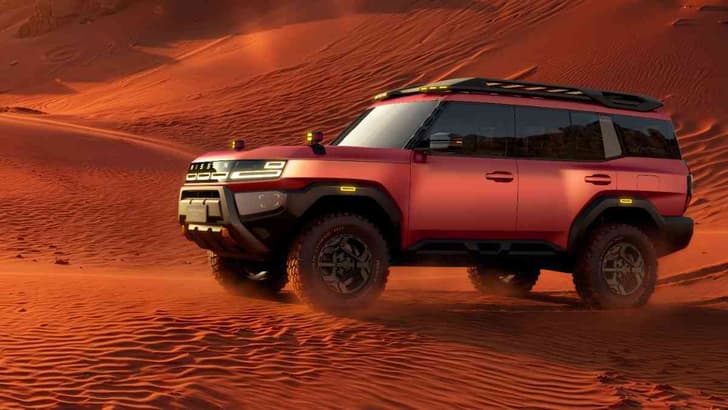
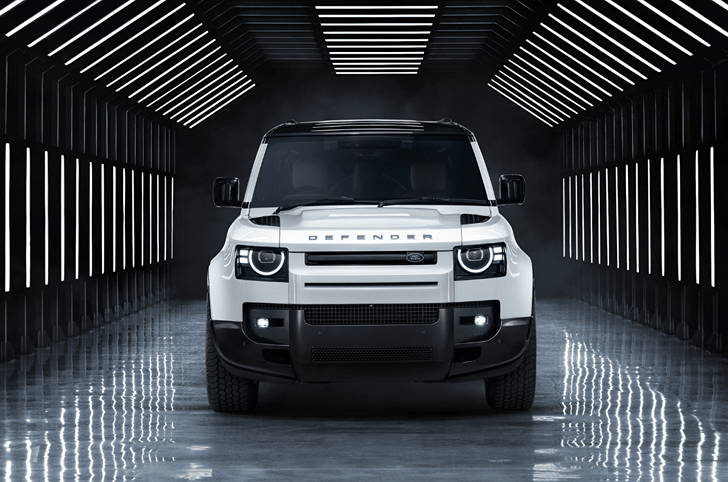
JLR has filed a lawsuit against BYD, alleging that the Chinese carmaker stripped down a Defender to reverse-engineer its technology for use in the Ti7 SUV. The lawsuit follows raids by court-appointed officials at BYD’s offices in Schiedam and Hoofddorp in the Netherlands earlier this year, during which digital records were seized, The Sunday Times reported. JLR reportedly wanted to secure these records to prevent them from being destroyed. They could help establish how the Ti7 was developed, whether BYD examined a Defender and whether it accessed protected technical information.

Before the raid, BYD said it had done everything possible to co-operate with JLR’s requests for information. The company’s lawyers called JLR’s move a “fishing expedition” and argued that too many files had been seized, The Sunday Times stated, citing local reports.
The case is heading to court in The Hague, where a preliminary ruling is expected today. The court will have to consider the specific protected designs, technologies and evidence involved. Both companies have declined to comment on the matter.
BYD Ti7 vs Defender
The BYD Ti7 is a 5,146mm-long SUV that can seat up to seven occupants, and it has been on sale in China since September 2025. Its boxy shape and upright stance have drawn comparisons with the Land Rover Defender. However, as stated earlier, the case is about more than design and raises questions about reverse engineering and infringement of intellectual property rights.

The publication added that some commentators have called the Ti7 a “Chinese Defender clone”, saying it bears “more than a passing similarity” to JLR’s global bestseller. In India, strong demand for the SUV has led JLR to recently start local assembly of the Defender 110. The Defender benefits from its brand heritage, luxury and off-road capabilities. It’s also an important part of JLR’s global brand identity, making the protection of its design and intellectual property crucial.
Notably, this is not the first time JLR has taken legal action against a Chinese carmaker. In 2019, the company won a case against Jiangling Motor Corporation over the alleged copying of the Range Rover Evoque.
Chinese carmakers have also gained ground in Western markets. Their models are often priced lower than those of established rivals. For instance, five years ago, Chinese-owned brands accounted for just 2.5 percent of new car sales in the UK. By September, their share had risen to 23 percent of new registrations.
 Viraaj Bhatnagar
 Uday Singh

 Dipan Sur
 Saptarshi Mondal
 Glenn Noronha