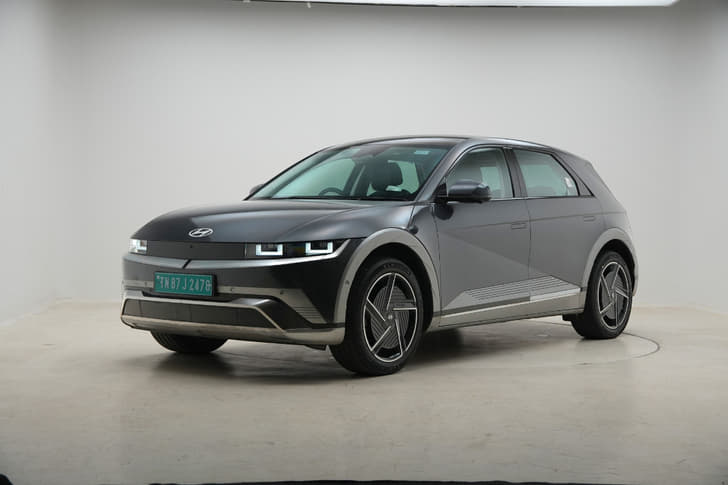

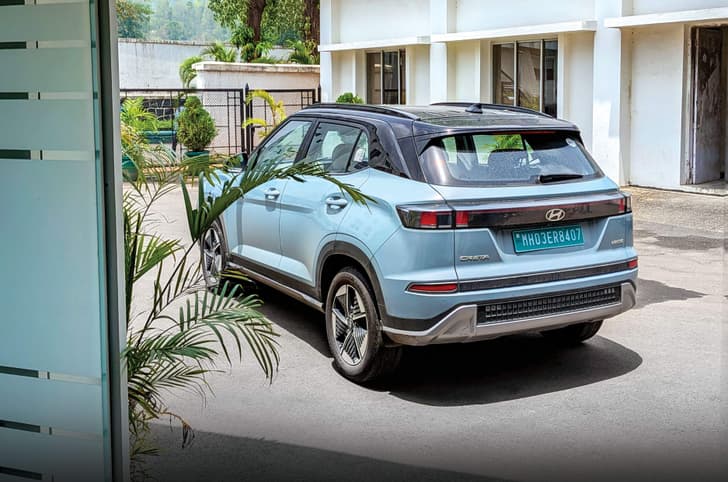
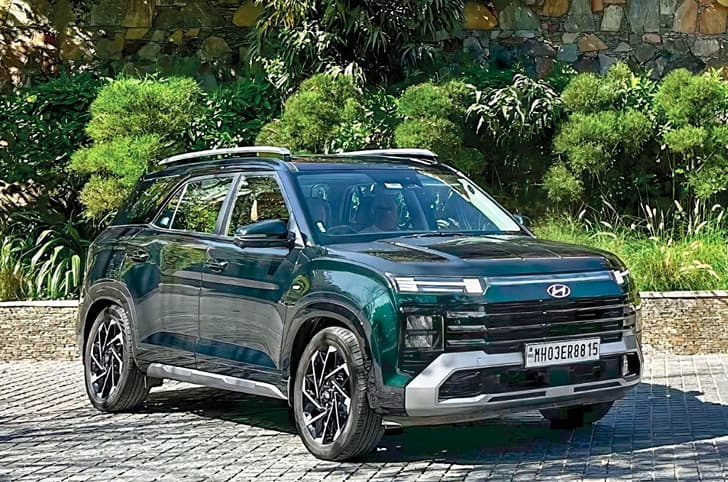
If any single car could kickstart the electric revolution, it would be the Creta. An electric version of the ‘king of the SUVs’ – and India’s second-largest-selling car in 2025 – would seem like a panacea for the EV world, except it hasn’t really been that. As we found out in the many months we’ve had it, though, the problem is a perception one and not really the product.
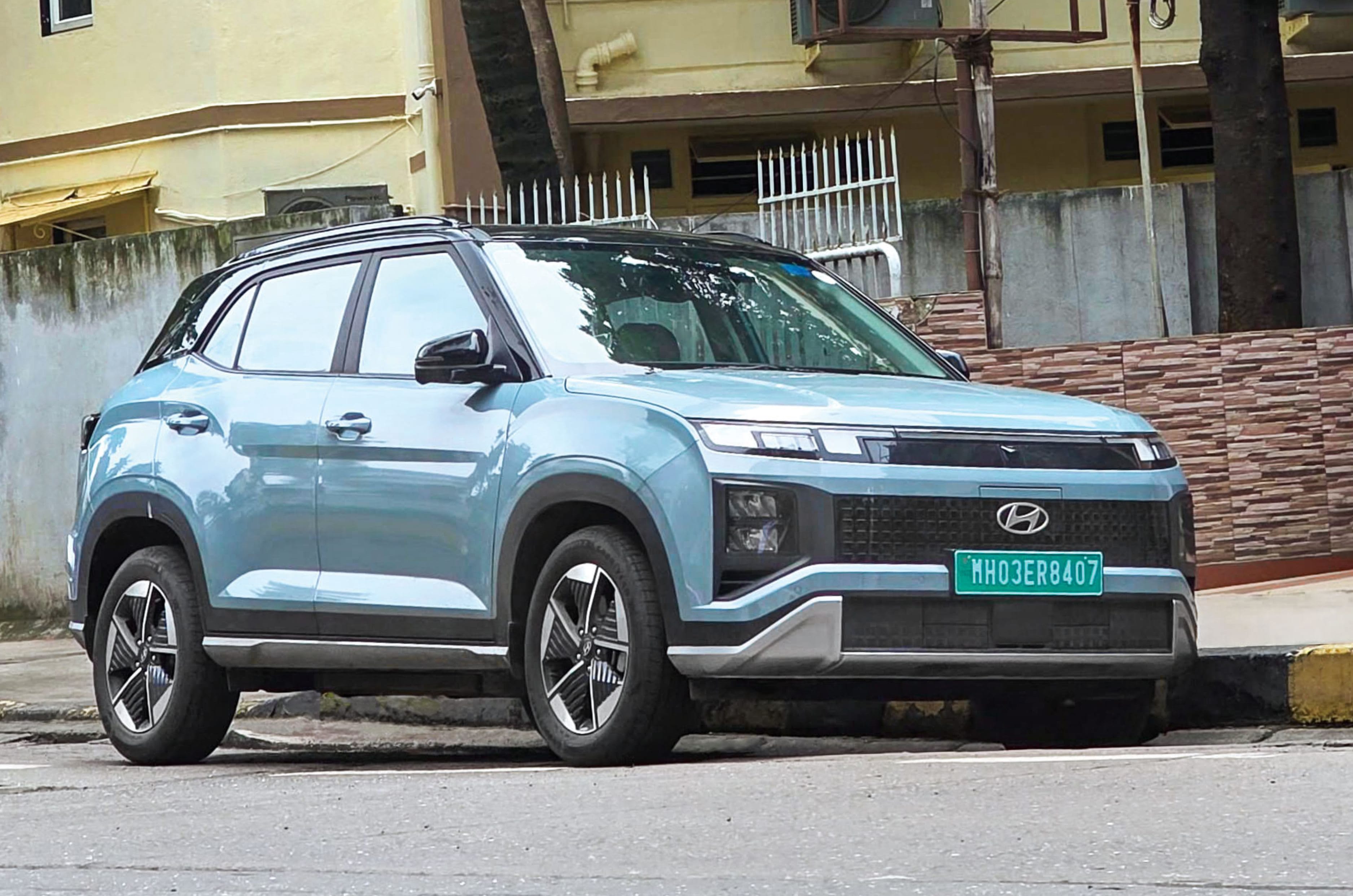
Let me begin with the non-electric bits. It’s a Hyundai, so it’s very well equipped with goodies like a Bose sound system, climate control, ventilated front seats, a panoramic sunroof and even thoughtful details like sun blinds and fold-out tables at the rear. Then, it’s a Creta, so you get an SUV that’s mid-sized, which has proven to be the perfect fit for India; not too large to be unwieldy in our crowded cities, but not too small with tight interior space either. Besides a spacious interior, it’s also a very comfy place to be in. The seats feel just right, and unlike many EVs, which force rear occupants into a knees-up sitting position, here you sit with your knees only very slightly elevated. My son, who’s about 5 foot 11 inches, liked the fact that there’s plenty of knee and foot room too. So, while he hates sitting in the rear of most EVs, here he was just fine.
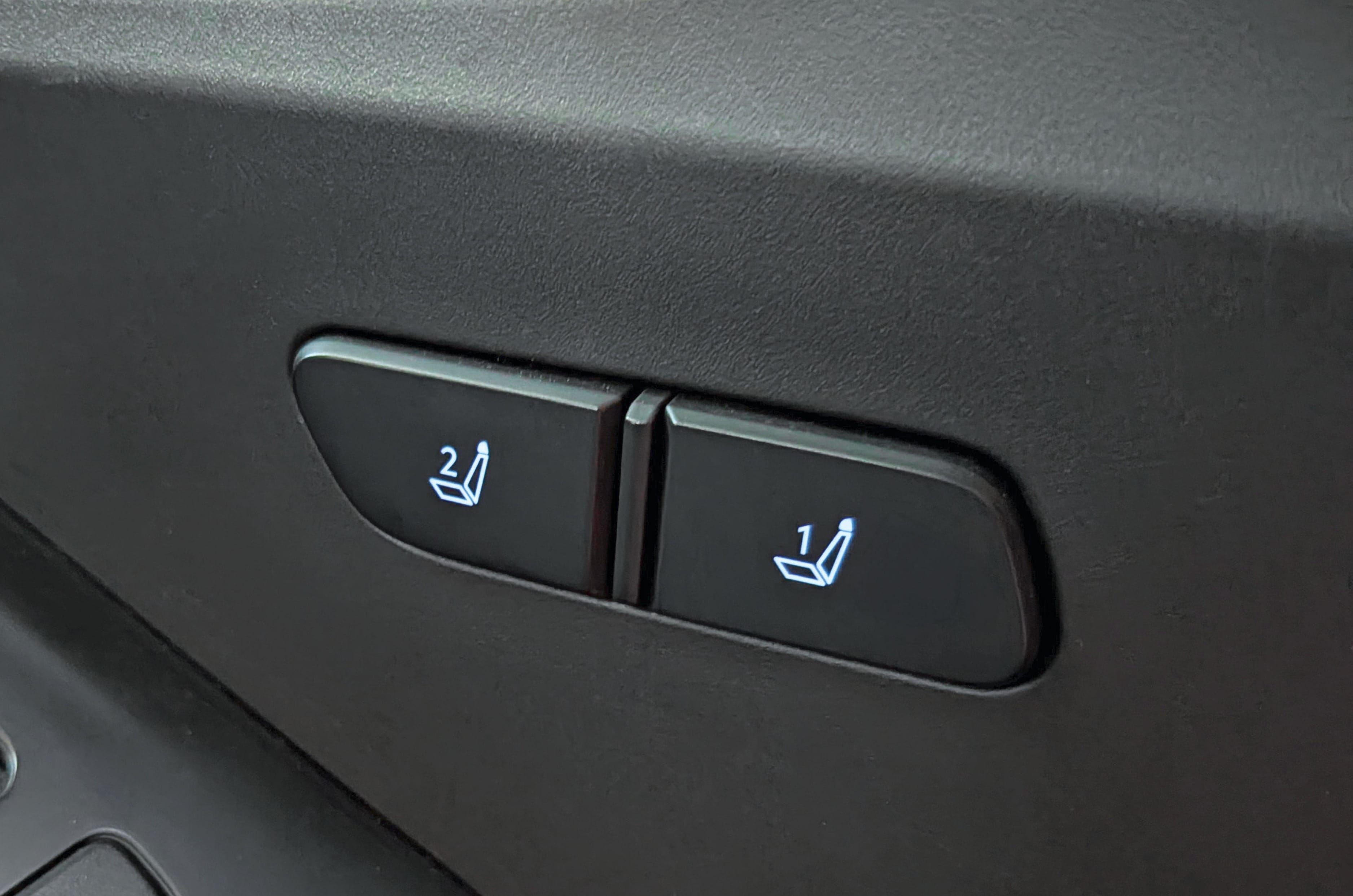
My daughter, too, liked the rear, as she found the window line was low enough to offer her a good view outside; important as she does feel car sick easily. What she also liked was the ride; ‘not bouncy’ is how she put it. That really comes down to the damping balance. To compensate for the extra weight, it is set up stiffer, and what that has done is eliminate secondary body movements, which means a nice and even poise, and that’s less bothersome for people prone to motion sickness.
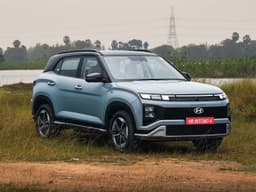
I, too, really like the ride. It’s just right to be comfy enough and also feels stable and secure at speed. When it comes to handling, though, the electric Creta feels more benign, but that’s just fine for me in what is supposed to be an everyday family car. But this has been one contentious area. Shapur says the drive feel is too characterless, and that’s probably down to a light steering that’s devoid of any feel. Others think it should be peppier. Yes, it does not have that instant kick of torque like you get in, say, a Mahindra BE 6. But again, I think this is just fine for a family SUV, and the 171hp and 255Nm motor delivers a 0 to 100kph time of 8.2 seconds, which is quick enough. And to Nikhil’s embarrassment – he loves the N-Line – it also out-dragged its sportier sibling and dispatched the BMW iX1 too in a set of drag races we had set up.
Since we’re on the electric powertrain, I have to talk of range and efficiency too. The long-range electric Creta that we have comes with a 51.4kWh battery, and in our standard test cycle it returned a 432km range, close to its ARAI-claimed figure of 473km, which is impressive. This means an efficiency of 9.45km/kWh; very impressive. And while our test cycle uses the most fuel-efficient mode – Eco – even living with it, where we all pretty much left it in Normal, we saw an efficiency of 8+ km/kWh. It’s worth noting, though, that rivals with larger batteries have a longer range.
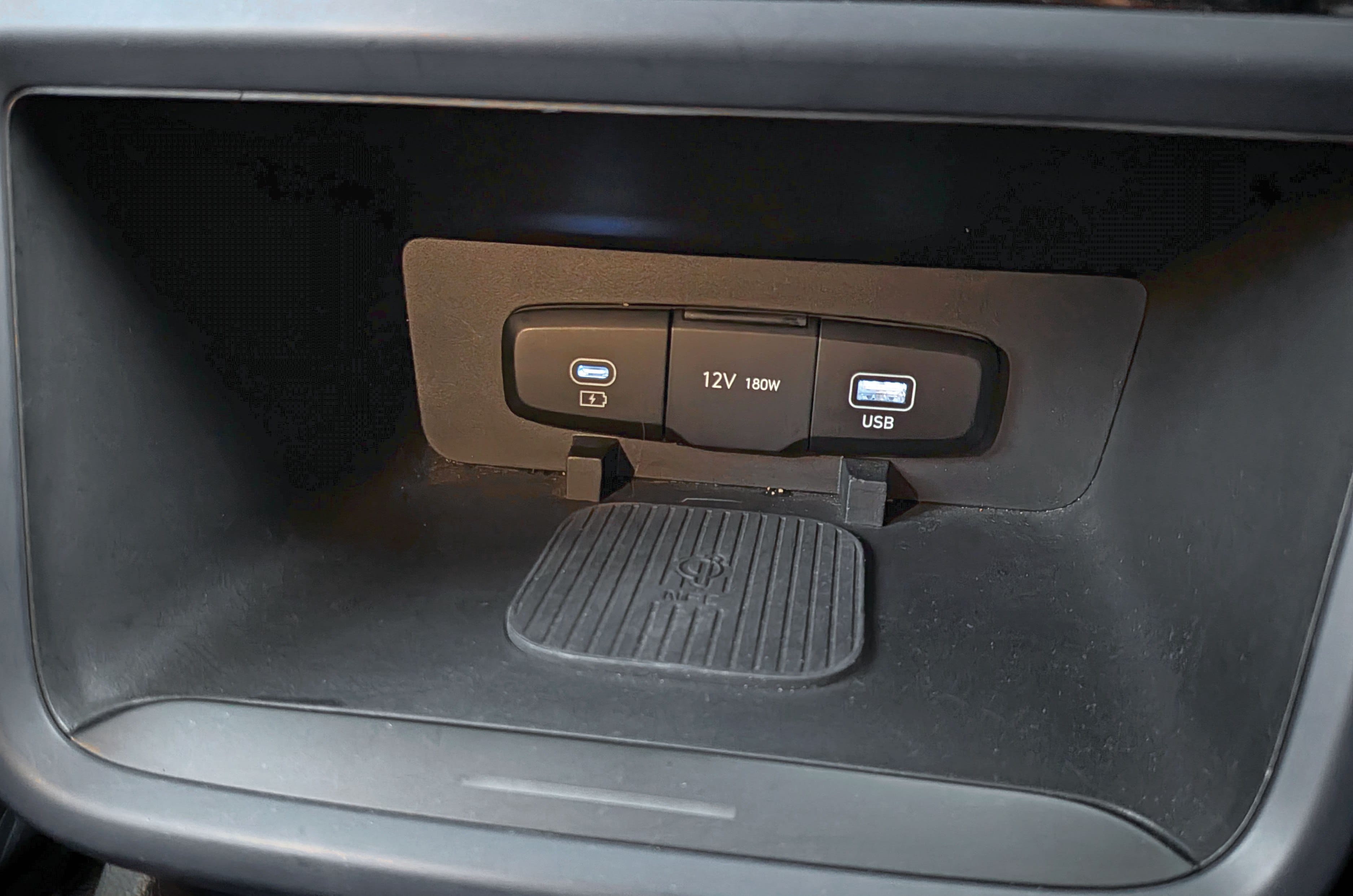
While it was with us, it was also sent back to the dealer for a software update that Hyundai said would improve charging speeds. Of course, we tested that claim when we got it back. Before the update, the car’s charging speed would peak at roughly 46kW and would average about 41kW on DC chargers. After the update, it now peaks at 72kW, and more importantly, it consistently maintains higher average charging speeds of 67kW – a massive improvement. So, a 20-80 percent battery charge takes about 30 minutes now, whereas earlier, it would take a little over 50 minutes.
What community is saying on the Creta Electric?
The rest of the software experience has proved to be stellar as well. If you’ve been a regular reader, you’ll have seen our reports on almost every other mass-segment EV where we’ve had some software glitch or the other, like random screen shutdowns to even high-voltage battery errors. Here? Its proximity sensors, only once, started beeping randomly, and the door request sensor has been erratic at times.
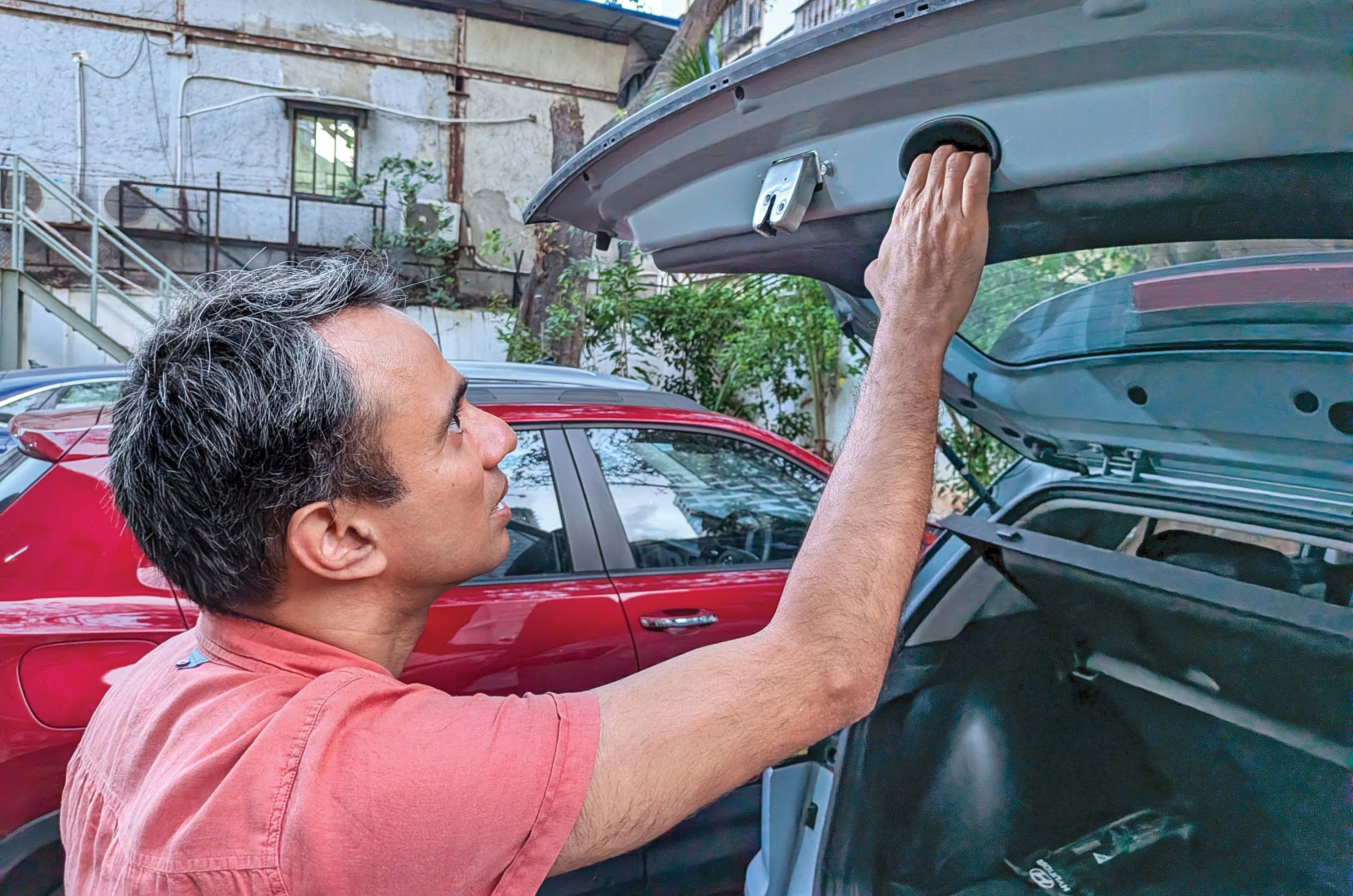
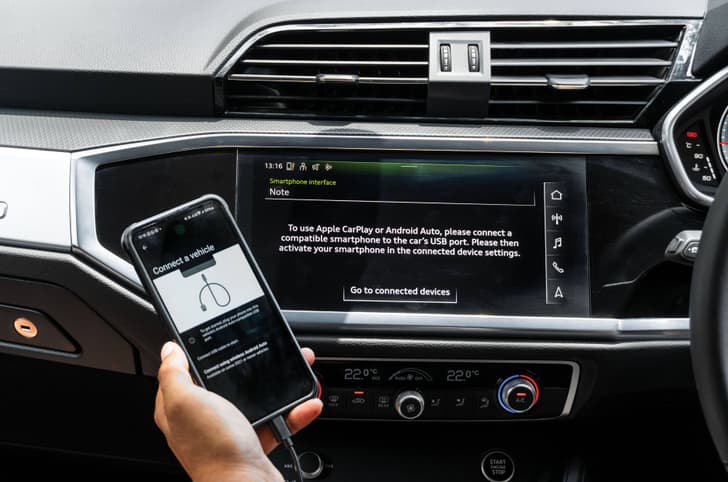
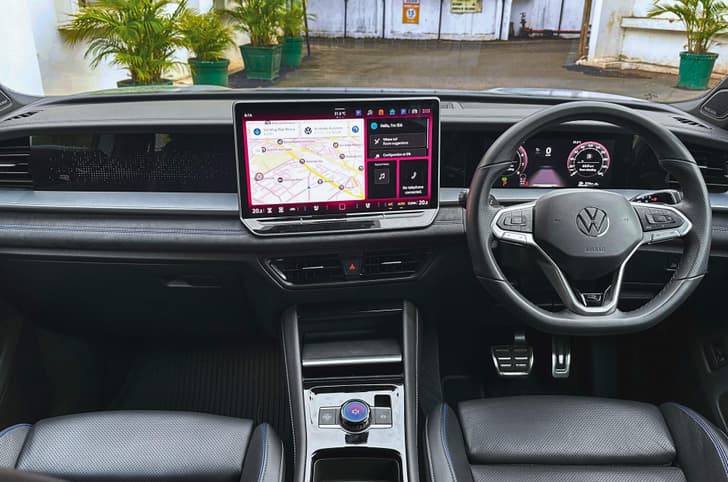
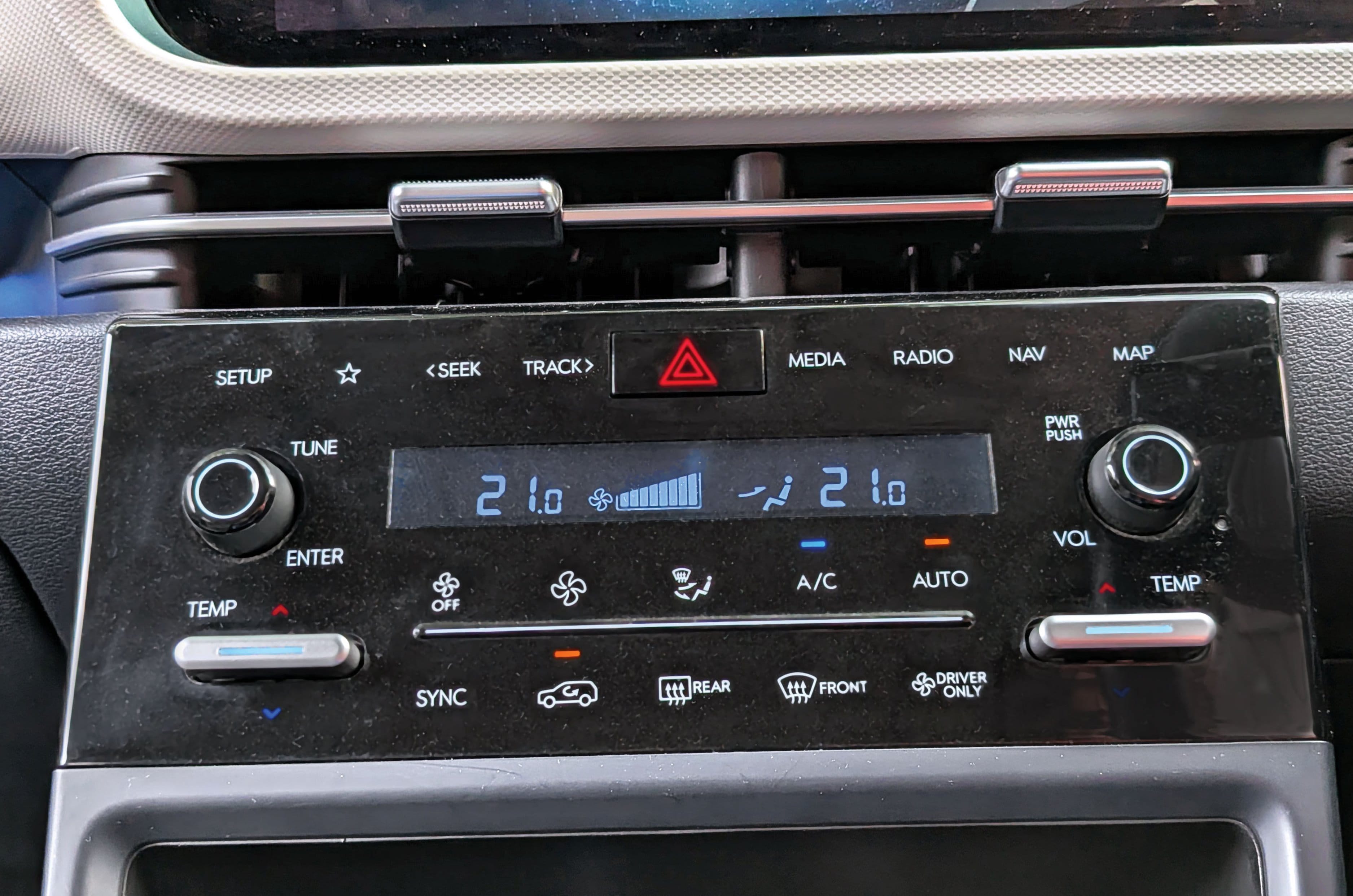
The Creta is not without faults, of course. My daughter finds the tailgate very heavy to lift. After shopping, it’s the kids’ duty to unload the car, and a powered tailgate would have been so much better at this price point. I also don’t like that, unlike its ICE siblings that get HVAC buttons, here you have touch surfaces instead. There’s no wireless Android Auto or Apple CarPlay either. And then there’s also the battery, which is easily visible beneath the floor and looks like it would scrape on a speed breaker, but ground clearance is not an issue.
As you’ve read, the electric Creta is a very impressive product, as Saumil put it when we first reviewed the car – ‘it’s everything we love about the Creta, with all that we love about EVs’. The sales, though, just don’t reflect this. It’s priced towards the higher end of the segment, but sales are well below other rivals. The electric Creta clocks 500 units a month. A Windsor, for reference, clocks over 2,000. Turns out, its brand strength is proving to be its biggest weakness. At this price point, EV buyers are upgrading from the midsize ICE segment, so buying a ‘Creta’ does not feel like a step up. But just look past the familiarity, and you will be rewarded with what is perhaps the most sensible electric SUV.

 Rahul Kakar
 Shapur Kotwal
 Ameya Dandekar
 Saumil Shah