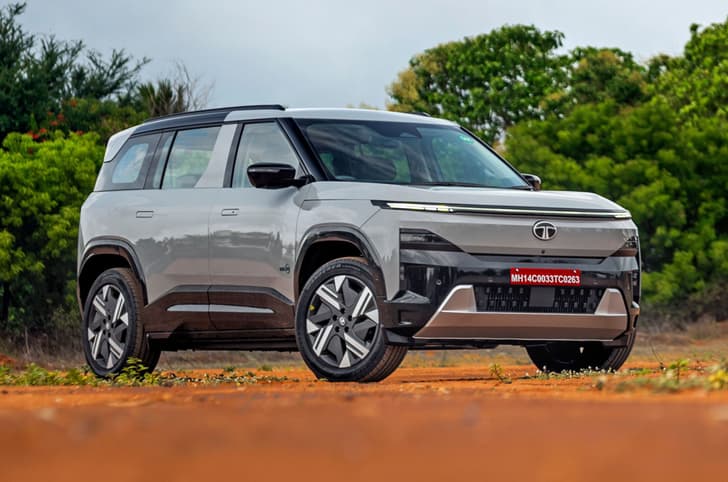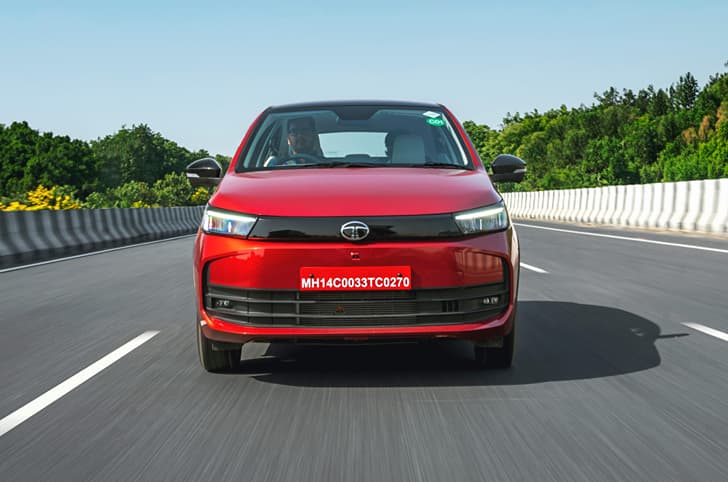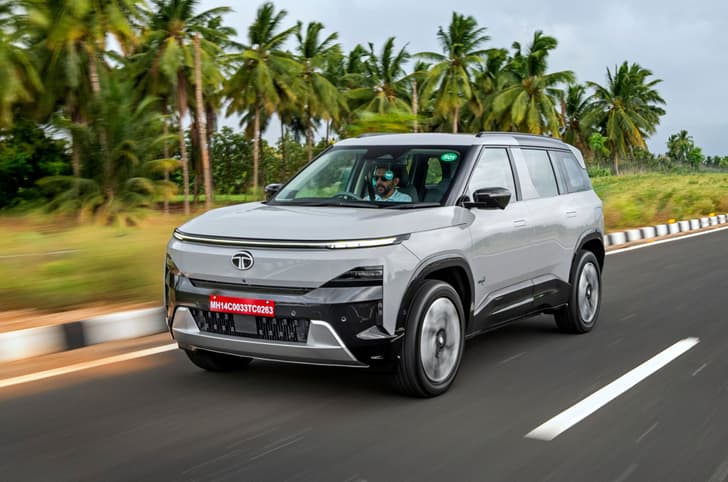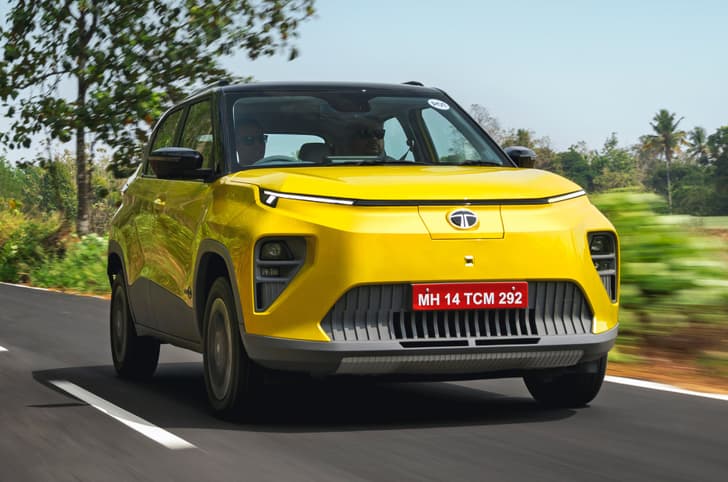


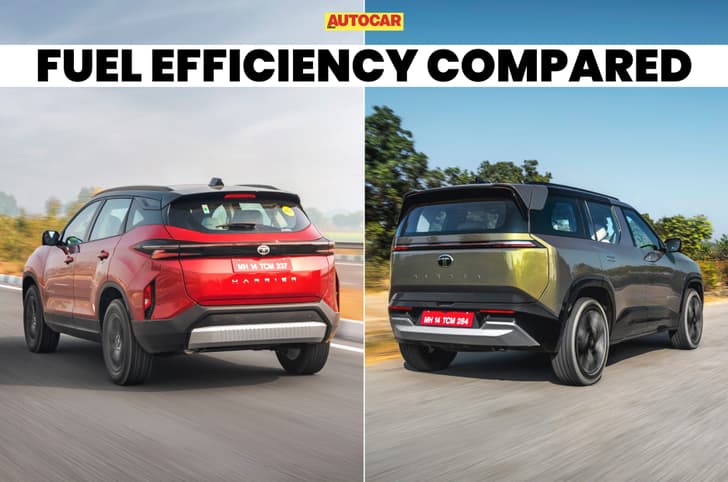
The new 1.5-litre ‘Hyperion’ turbo-petrol engine was developed in-house by Tata and first debuted on the Sierra in 2025. In January 2026, the carmaker introduced this engine into its larger stablemate, the Harrier. Since its inception in 2019, the Harrier has been offered only with a diesel engine. We’ve put the turbo-petrol automatic versions of both SUVs through our real-world mileage tests and compared their efficiency figures to find out which is more frugal.
Tata Harrier vs Tata Sierra turbo-petrol AT: Specifications
Though powered by the same 1.5-litre turbo-petrol engine, both SUVs are tuned differently. While the Sierra’s mill develops 160hp and 255Nm, the Harrier’s unit develops more power and torque at 170hp and 280Nm. However, the larger Harrier is 186kg heavier than the Sierra. Common to both SUVs are 6-speed torque-converter automatic gearboxes and 50-litre fuel tanks.
Tata Harrier vs Tata Sierra turbo-petrol AT: Real-world fuel efficiency
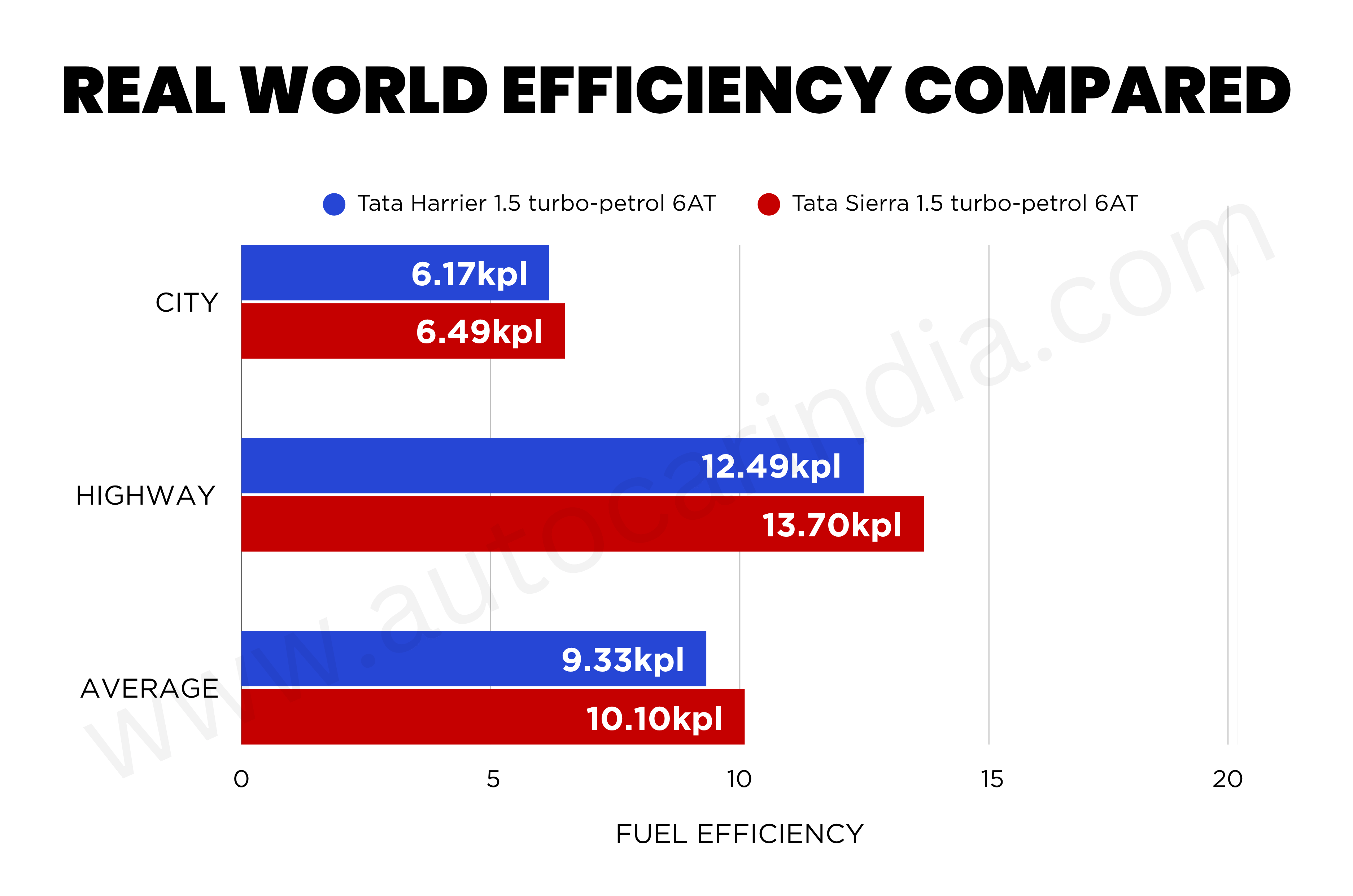
In our real-world fuel efficiency tests, the Sierra’s lighter weight helped it deliver 0.77kpl better fuel efficiency than the Harrier overall. Despite the Harrier getting an ‘Eco’ driving mode over the Sierra to improve fuel efficiency, the latter outperformed it by 0.32kpl in the city. On the highway, the efficiency gap increased to 1.21kpl because at 100kph, the Harrier’s engine runs at 1,900rpm in top gear, whereas the Sierra cruises at 1,750rpm in sixth gear at the same speed.
What community is saying on the Harrier?
Tata Harrier vs Tata Sierra turbo petrol AT: Price
Considering the price range of the turbo-petrol automatic variants, the Harrier is Rs 31,000 cheaper than the Sierra. This is because the engine-gearbox combination is offered from the one-above-base trim on the former, while on the latter, it is available only from the mid-level trim onwards. At the top end, however, the Harrier is pricier than the Sierra by Rs 3.86 lakh.
Autocar India’s fuel-efficiency testing
Before our real-world fuel-efficiency tests, we fill our test cars’ tanks to the brim and maintain tyre pressures based on the manufacturer’s recommendations. These cars are driven in fixed city and highway loops in and around Navi Mumbai, and we maintain certain average speeds. Throughout the tests, there is only one person in each car, operating the air conditioner and other electricals, such as the audio system, indicators and wipers, when required, just like a regular user would. Periodic driver swaps further neutralise variations in driver patterns. At the end of each cycle, we calculate efficiency by filling the tanks to full again.
All prices are ex-shoroom, India.



 Uday Singh
 Dipan Sur