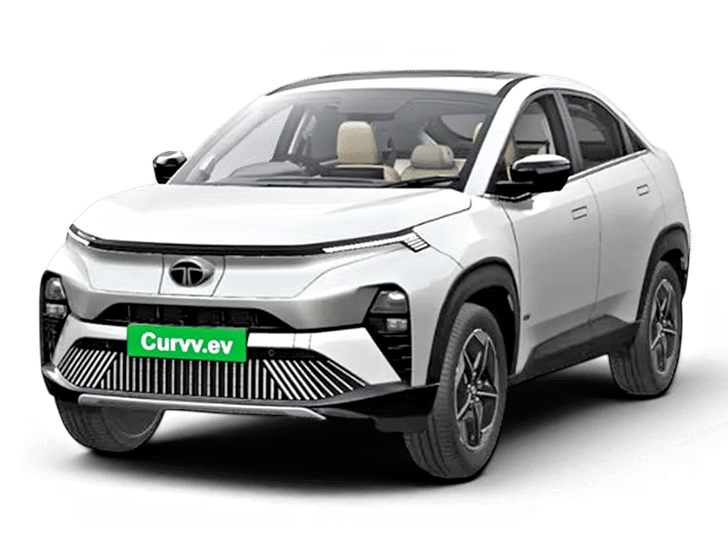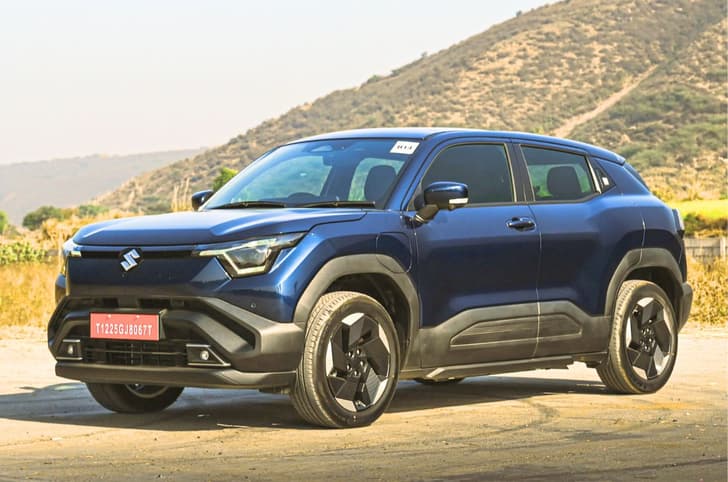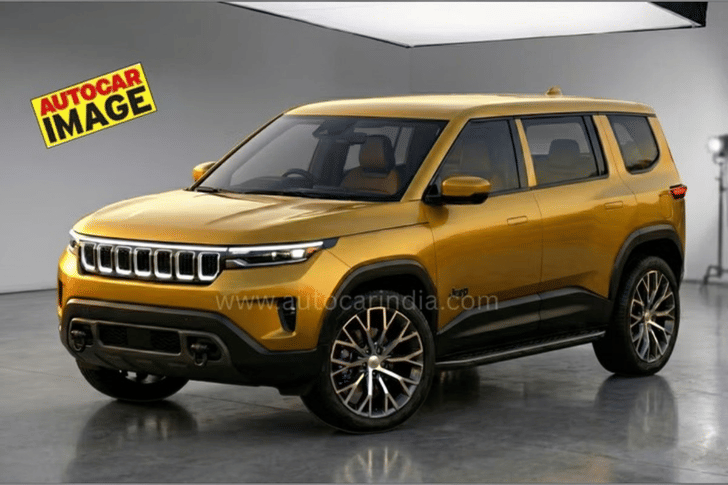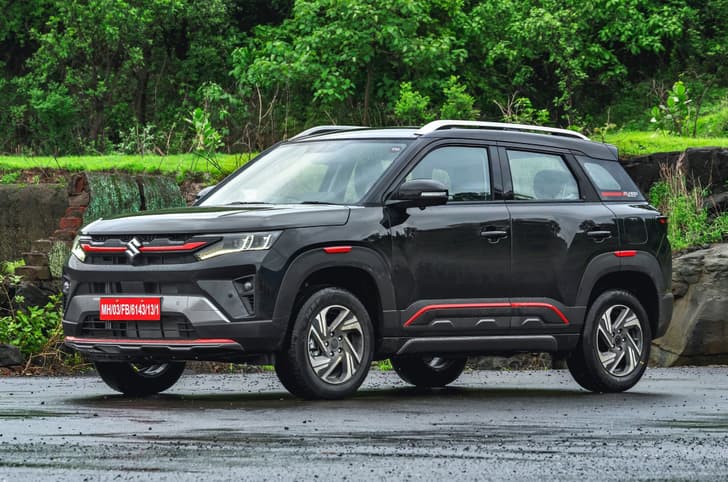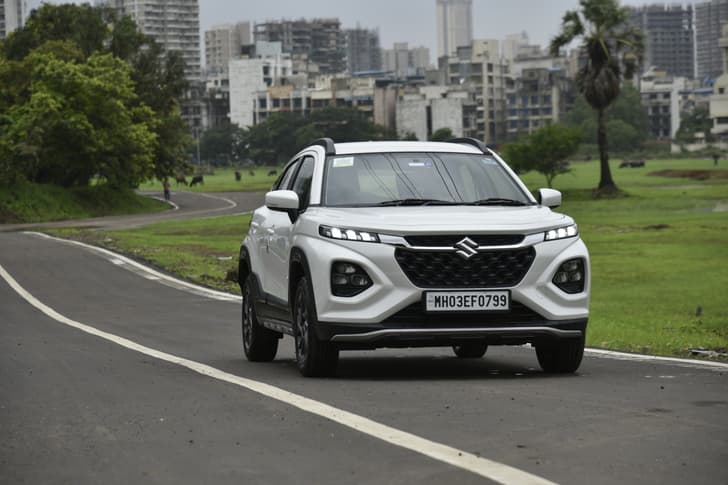

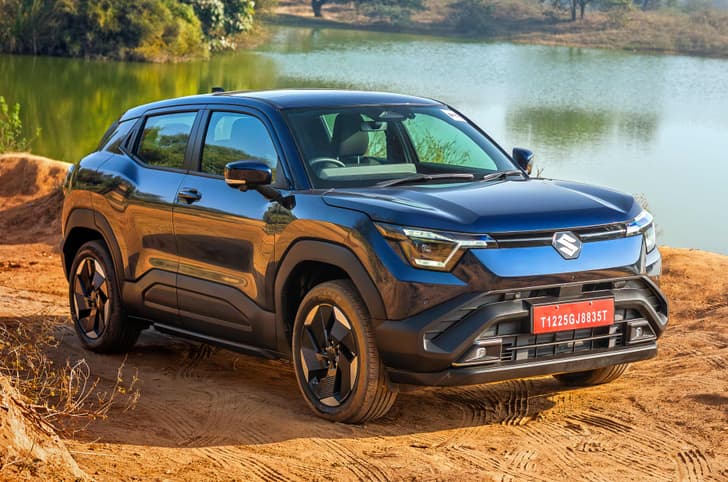
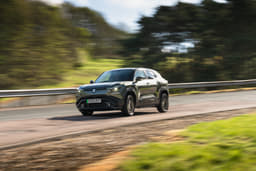
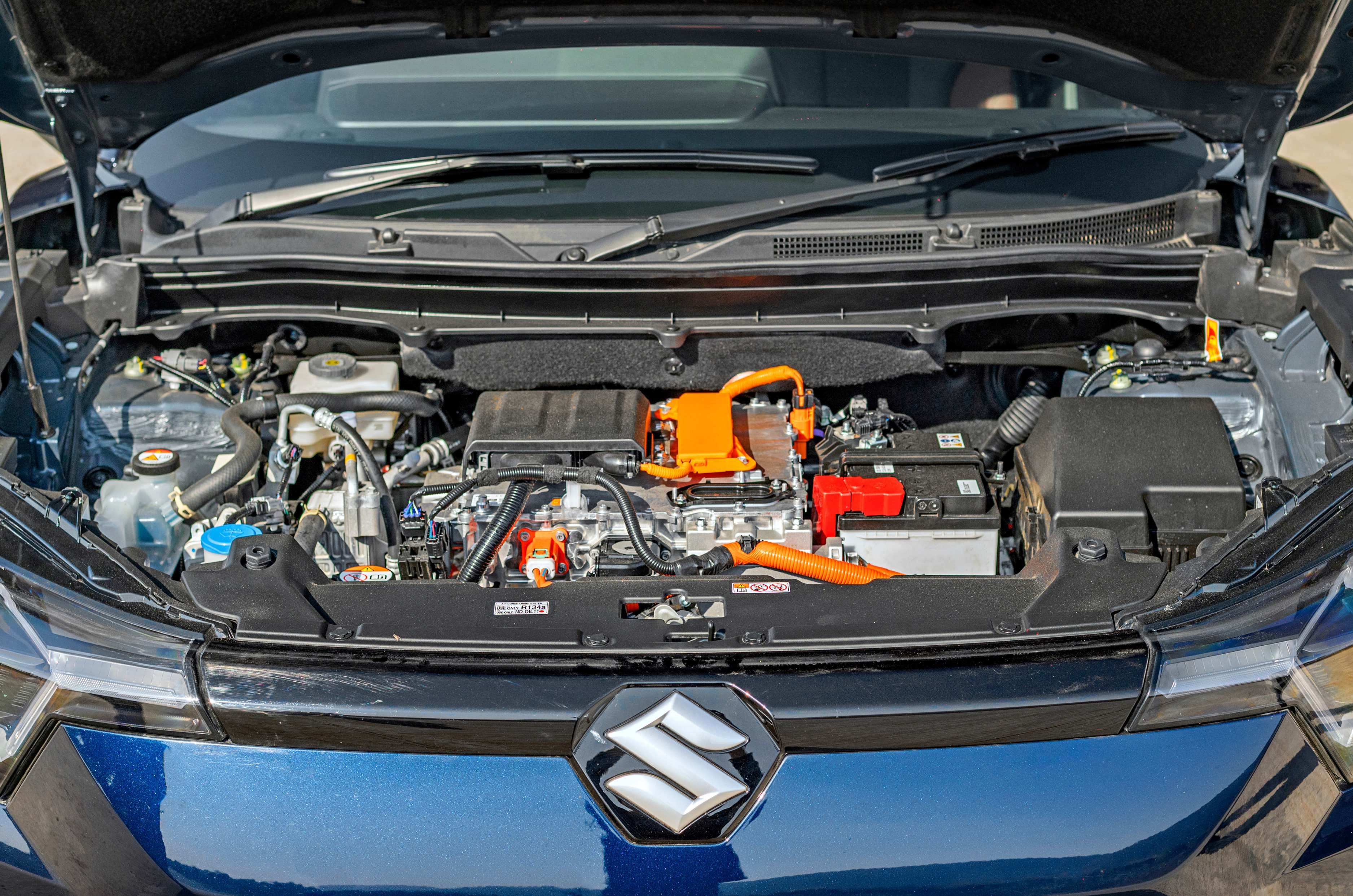
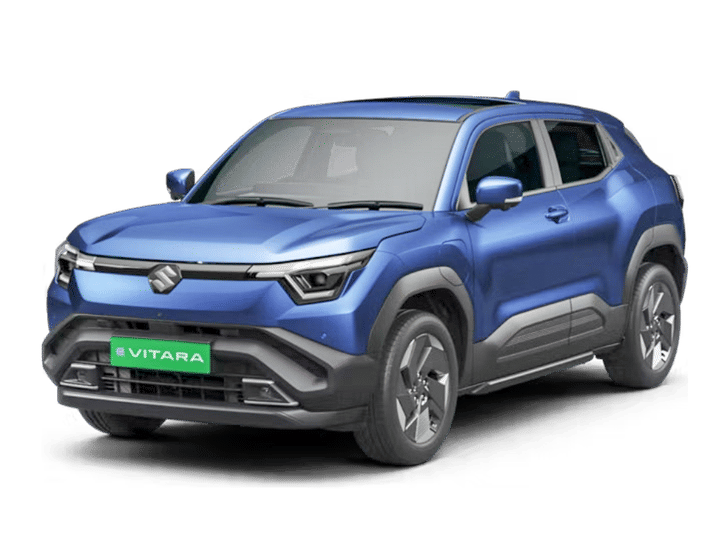
Full pricing details for Maruti Suzuki’s debut EV, the e Vitara, are finally out after a long period of anticipation. The e Vitara price starts at Rs 15.99 lakh and tops off at Rs 19.79 lakh, placing it neatly among rivals such as the Hyundai Creta Electric, MG ZS EV, Tata Curvv EV, Vinfast VF6 and Mahindra BE 6.
To further compel prospective electric midsize SUV buyers, Maruti Suzuki is offering 50-60 percent assured buyback, free charging at Maruti stations for up to one year or 1,000 units of electricity (whichever comes first), complimentary AC wallbox installation at home, an 8-year/1,60,000km warranty on the battery pack, and most importantly, a Battery-as-a-Service (BaaS) scheme for the e Vitara.
What is BaaS?
Removes battery cost from EV’s upfront price and finances it instead
BaaS is a somewhat recent pricing structure that excludes the cost of an EV’s battery pack from its ex-showroom price, affording the buyer a substantially lower upfront cost. The battery cost is then financed per kilometre of usage for a certain tenure and interest rate, depending on the financier. It’s worth noting, though, that charging expenditures are not included in the battery usage costs.
If an EV owner enrolled in a BaaS scheme wants to exit before the end of tenure, financiers usually offer easy exit options. Moreover, BaaS doesn’t prohibit EV owners from selling their car if the need arises. All that’s required is paying off any outstanding and/or balance amounts from the BaaS scheme.
As it stands, only Maruti Suzuki and MG offer BaaS rental programmes for their EVs, though Toyota will join the fray soon with the Urban Cruiser Ebella.
How are the Maruti e Vitara BaaS prices calculated?
e Vitara BaaS price range is Rs 10.99 lakh-14.29 lakh
*Dual-tone paint finish available as an optional extra worth Rs 22,000.
The e Vitara is available in three variants, namely Delta 49kWh, Zeta 61kWh, and Alpha 61kWh. The battery cost for the e Vitara Delta is Rs 5 lakh, while the larger units in the Zeta and Alpha variants cost Rs 5.5 lakh. Similarly, the Delta variant has a lower battery usage cost of Rs 3.99/km, whereas the Zeta and Alpha charge Rs 0.4 extra per km.
What community is saying on the E Vitara?
How do the Maruti e Vitara BaaS prices compare to those of MG?
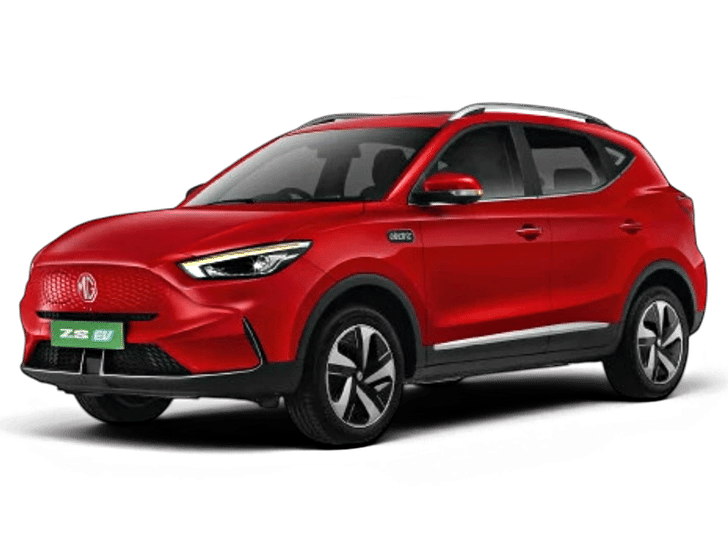
MG Motor India was the first carmaker to usher BaaS schemes into the mass market, and it currently offers them for the Comet EV, Windsor EV and ZS EV. Of those, the Windsor EV and ZS EV fall into the e Vitara’s price bracket, so let’s zero in on what their BaaS pricing looks like.
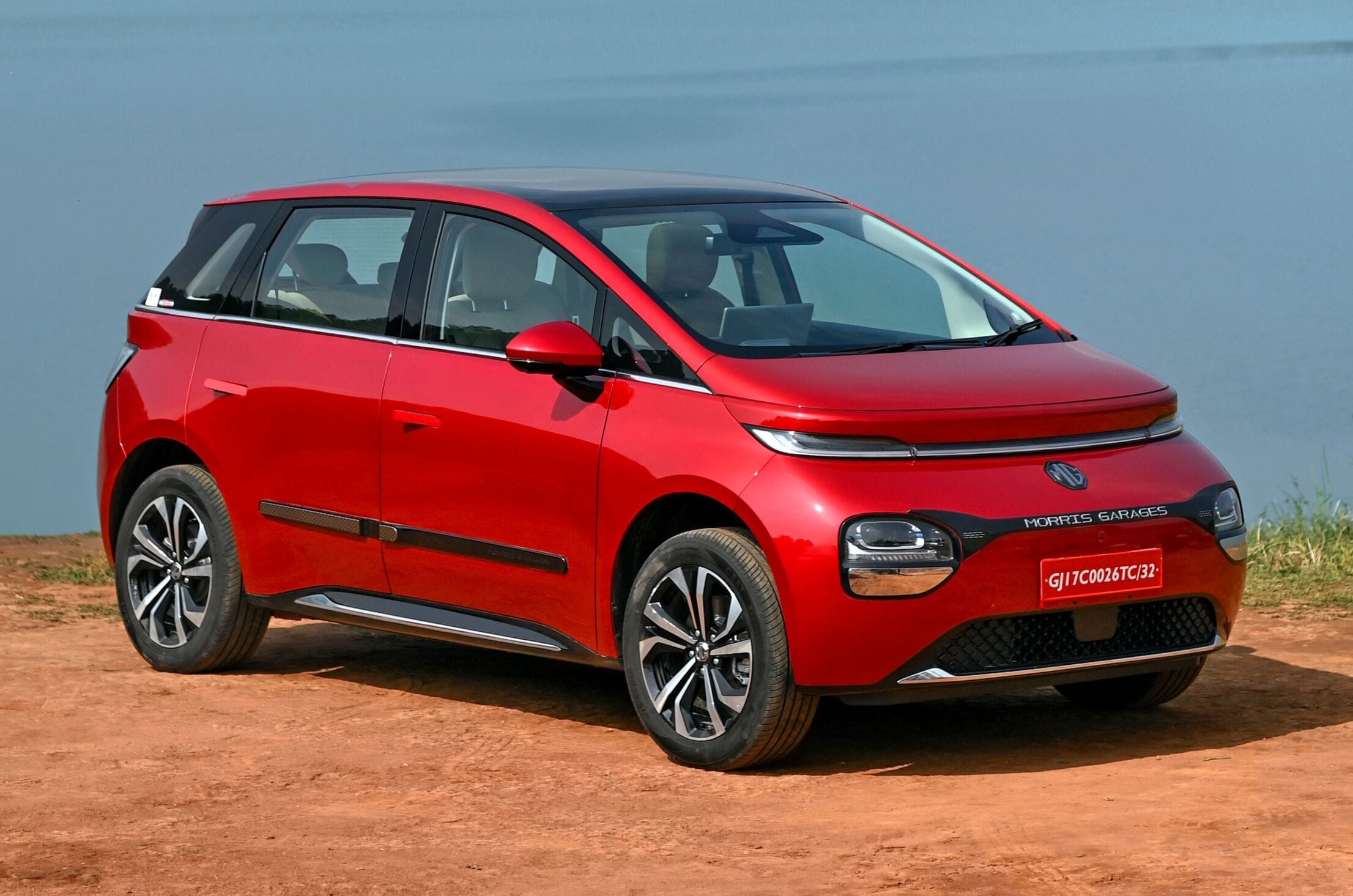
The Windsor EV price range without BaaS is Rs 14 lakh-18.5 lakh, and it comes with 38kWh and 52.9kWh batteries. Opting for the BaaS scheme knocks off up to Rs 4.38 lakh for the 38kWh pack and up to Rs 5.13 lakh for the 52.9kWh unit, bringing the Windsor EV’s price range down to Rs 9.99 lakh-13.39 lakh. As for battery usage costs, the 38kWh unit charges Rs 3.9/km, while the 52.9kWh pack bumps it up to Rs 4.5/km.
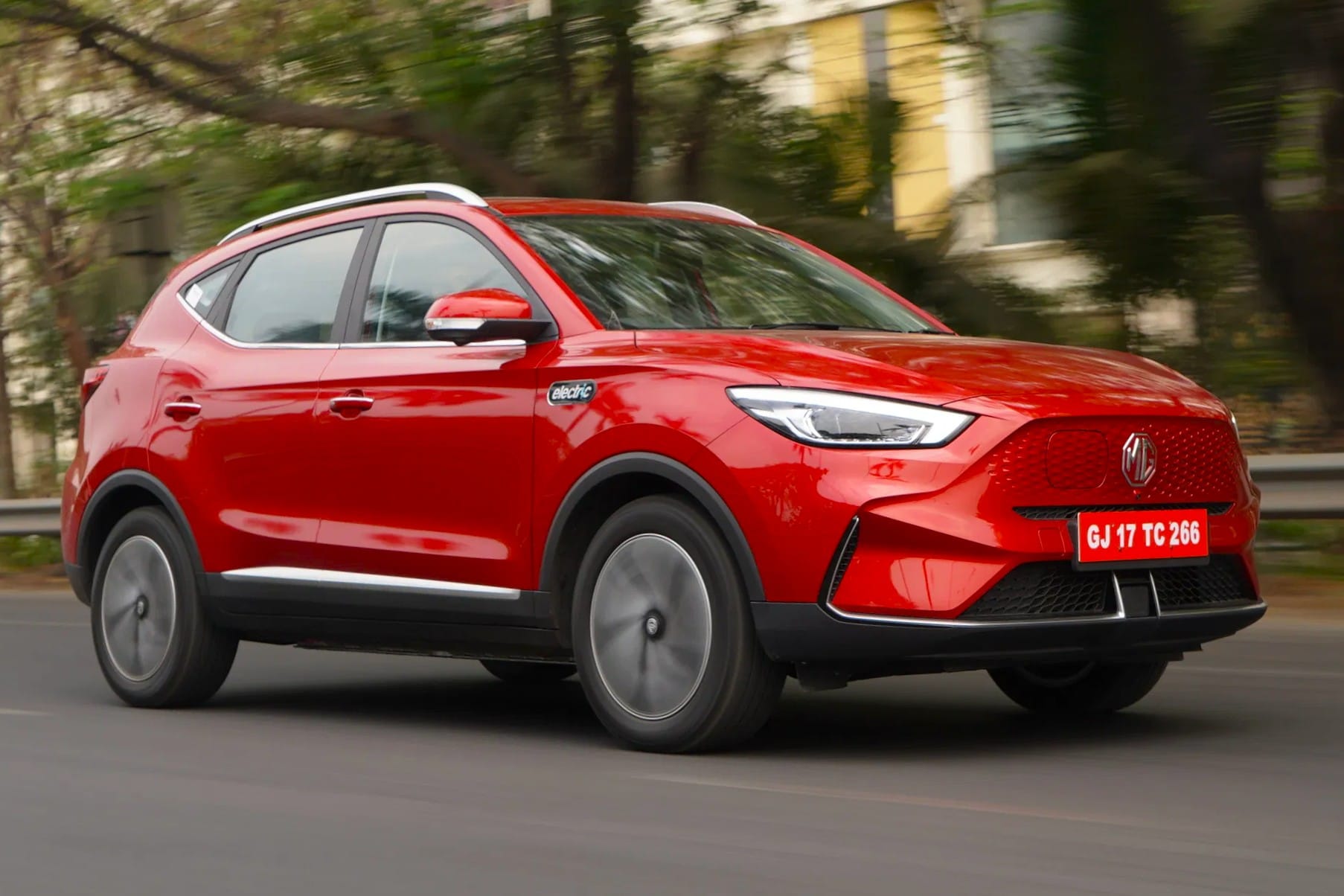
As for the ZS EV, non-BaaS pricing is Rs 17.99 lakh-20.75 lakh – more expensive than the e Vitara – and the SUV gets a sole 50.3kWh battery pack. The BaaS program reduces the ZS EV’s upfront cost by up to Rs 5.24 lakh, with the price range coming down to Rs 13 lakh-15.51 lakh. Battery usage costs tally up to Rs 4.5/km for all ZS EV variants.
With the above information in mind, it’s clear that the e Vitara’s BaaS pricing represents more value overall than that of the Windsor EV, though the latter is ultimately more affordable to buy, and its 38kWh battery usage cost is expectedly lower. The ZS EV, on the other hand, offers a greater price drop for a slightly bigger battery than the e Vitara Delta’s 49kWh unit. However, the ZS EV’s battery usage costs are higher than even the e Vitara’s 61kWh variants.
All prices are ex-showroom, India.



 Uday Singh
 Glenn Noronha
 Dipan Sur