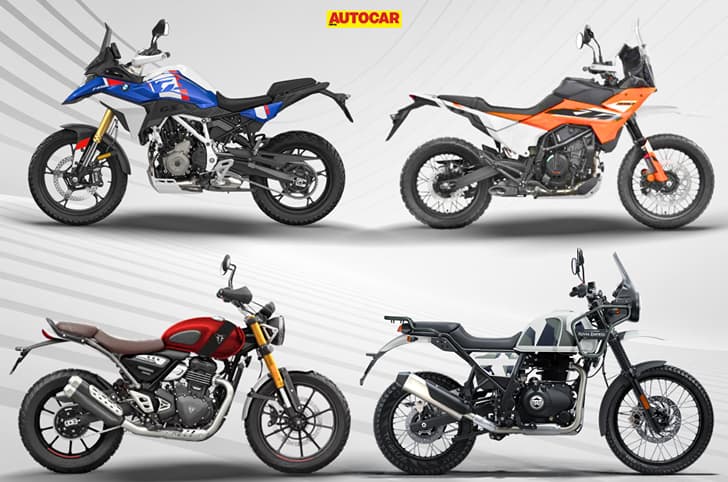

Adventure motorcycles promise long-distance comfort, good performance to make a highway stint enjoyable, suspension that can absorb our unpredictable roads and, when the tarmac disappears, enough ability to comfortably keep going. Rather than a conventional comparo, we decided to use the five bikes you see here exactly as their owners might. We loaded them with luggage, pointed them south from Mumbai and headed towards Goa. There was a long highway run, plenty of rain, bad stretches of road, winding sections, fuel stops and, eventually, some mud and trails. More importantly, five riders with very different preferences took turns on every motorcycle.
The Plan
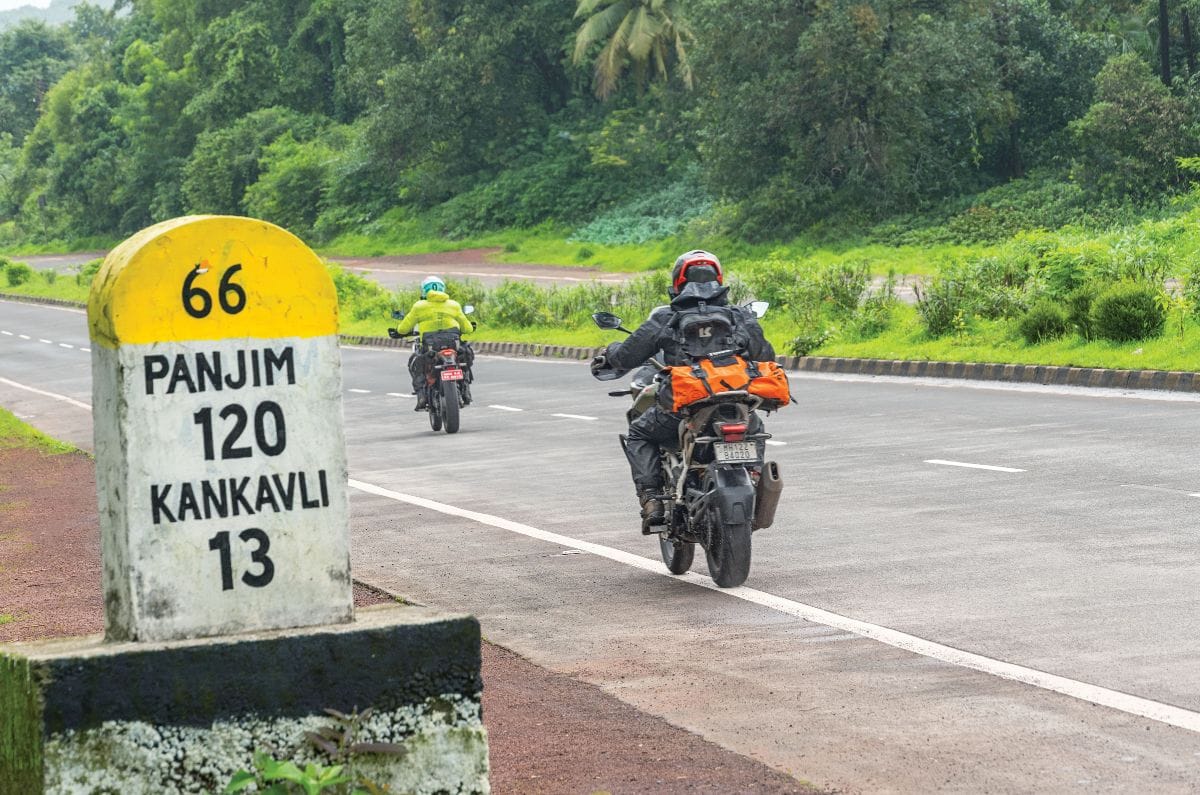
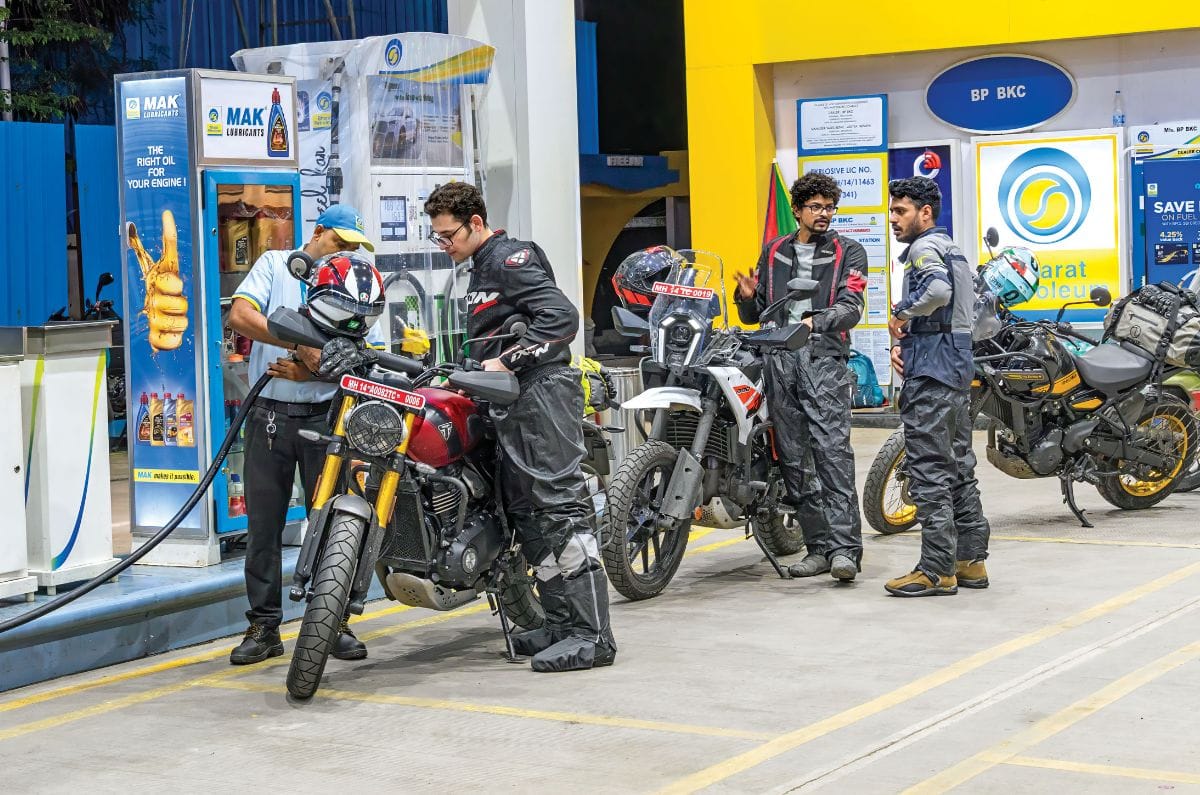
Our plan for this ride was simple. Day one would see us ride down to Goa via NH66, putting the bikes through a long stint of highway riding and giving us a chance to see how they performed after several hours in the saddle.
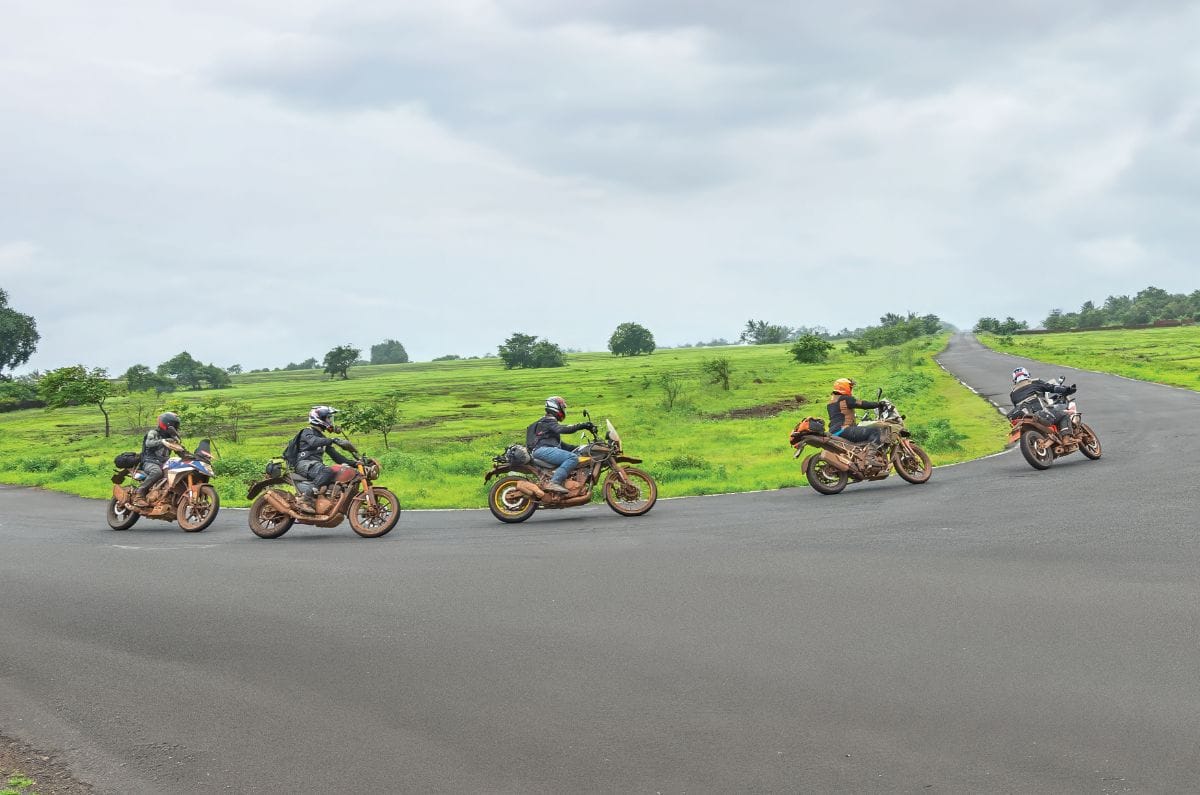
On day two, we explored some inner roads and beautiful trails and, finally, got these adventure bikes properly dirty. Day three was the start of the journey back to Mumbai, but rather than simply retrace our route, we headed towards the coast and stopped for the night at Kunkeshwar. That left us with one final day to make the dash back to Mumbai.
It was a route that gave us a bit of everything: long, fast highway stretches, flowing and twisty roads, broken surfaces, plenty of rain and, of course, some proper off-road trails. More importantly, it gave us enough time on each motorcycle to understand what they are really like when the kilometres start adding up.
Day 1: Mumbai to Goa
On the first day, we started out early in the morning and covered roughly 550km, much of it in rain, with wet roads stretching almost all the way to Goa. After more than 12 hours in the saddle, fatigue has a way of exposing a motorcycle’s weaknesses. A firm seat that seemed acceptable for an hour starts hurting. A heavy throttle becomes annoying. Vibrations you barely noticed in the morning become impossible to ignore.
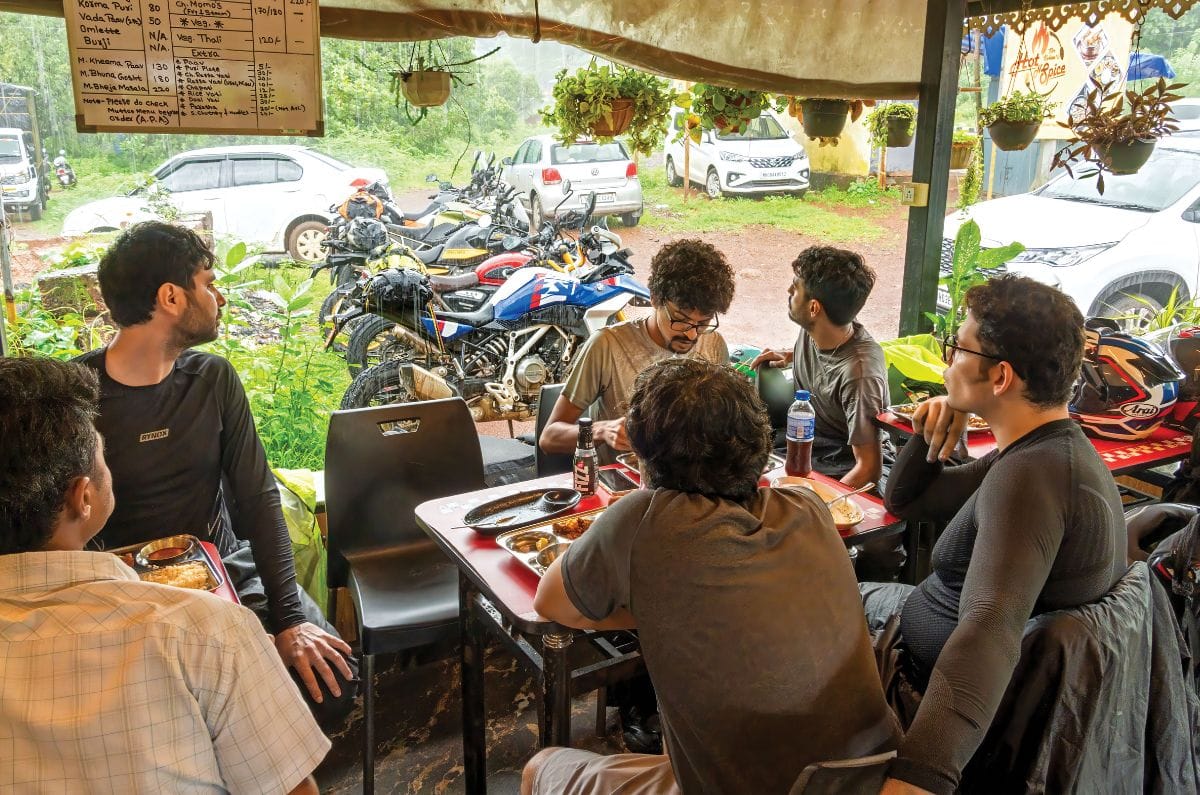
We also got a chance to see how the motorcycles held up in different conditions, and swapping motorcycles every hour or two was so useful. Each rider approached the bikes differently, and the common points began to emerge. By the time we had got to our first lunch stop, each of us had experienced all the motorcycles and started to discuss our findings.
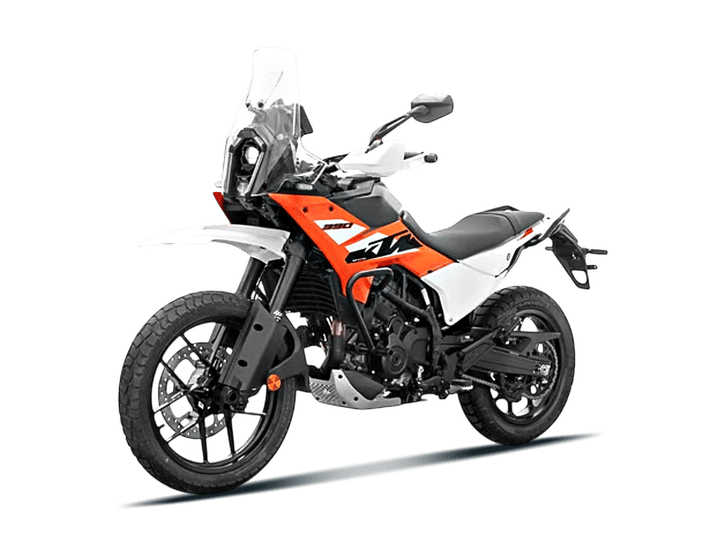
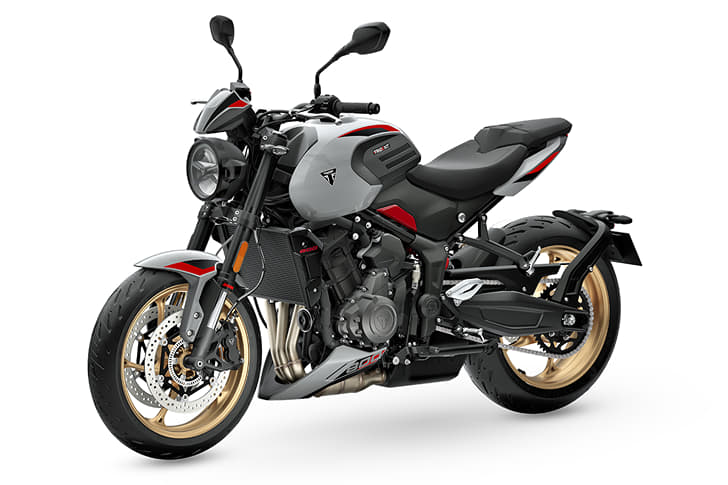
The RTX was a big surprise. It was the most affordable motorcycle here, yet punched above its weight. Its easy-going nature and light handling made it one of the least demanding bikes to ride. Cruise control proved useful on NH66, allowing us to settle into a steady pace and take some load off the right hand. The suspension also impressed, dealing well with the broken sections of highway, while the motorcycle changed direction easily and felt composed when leaned over.
Even the headlight earned praise for its wider, cleaner spread, something that became particularly useful when we were riding together early in the morning. The compromise was the 299cc engine. It is the smallest here and has to work the hardest at highway speeds. Short gearing means higher revs when cruising, and at around 120kph, both engine noise and some vibration become noticeable. Helmet buffeting was another recurring complaint.
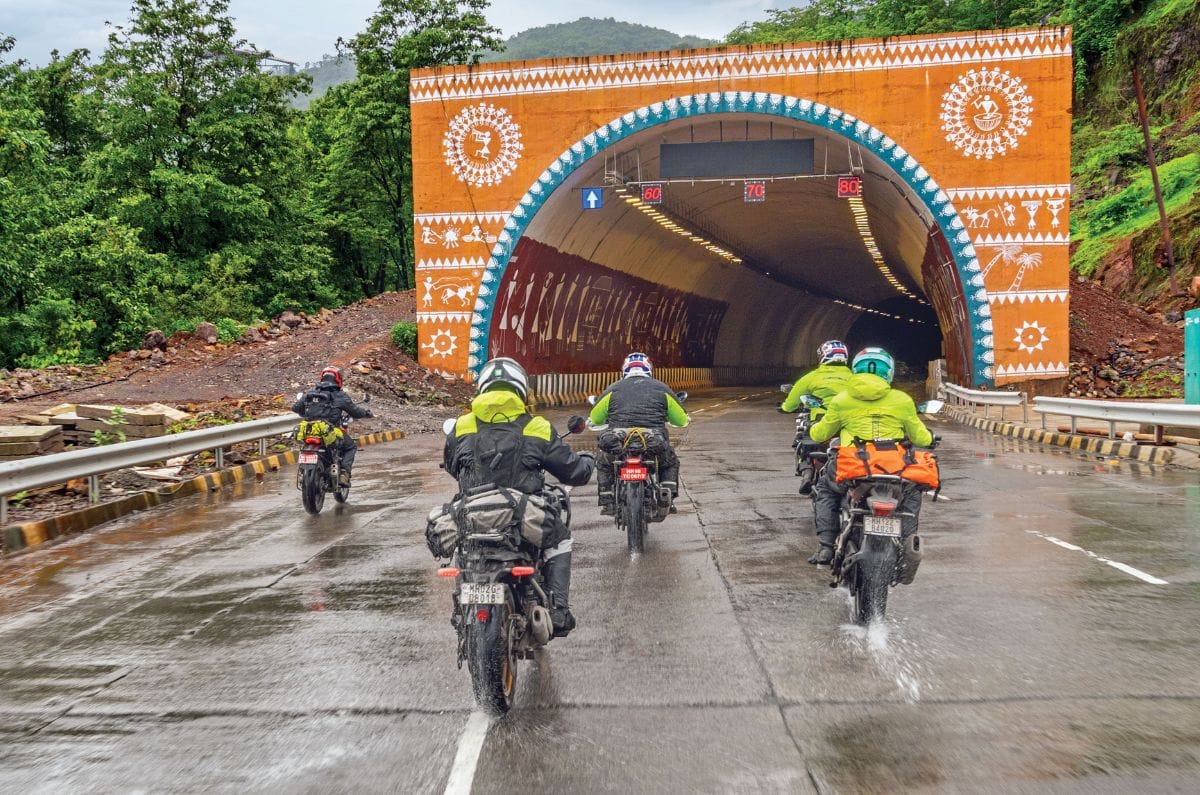
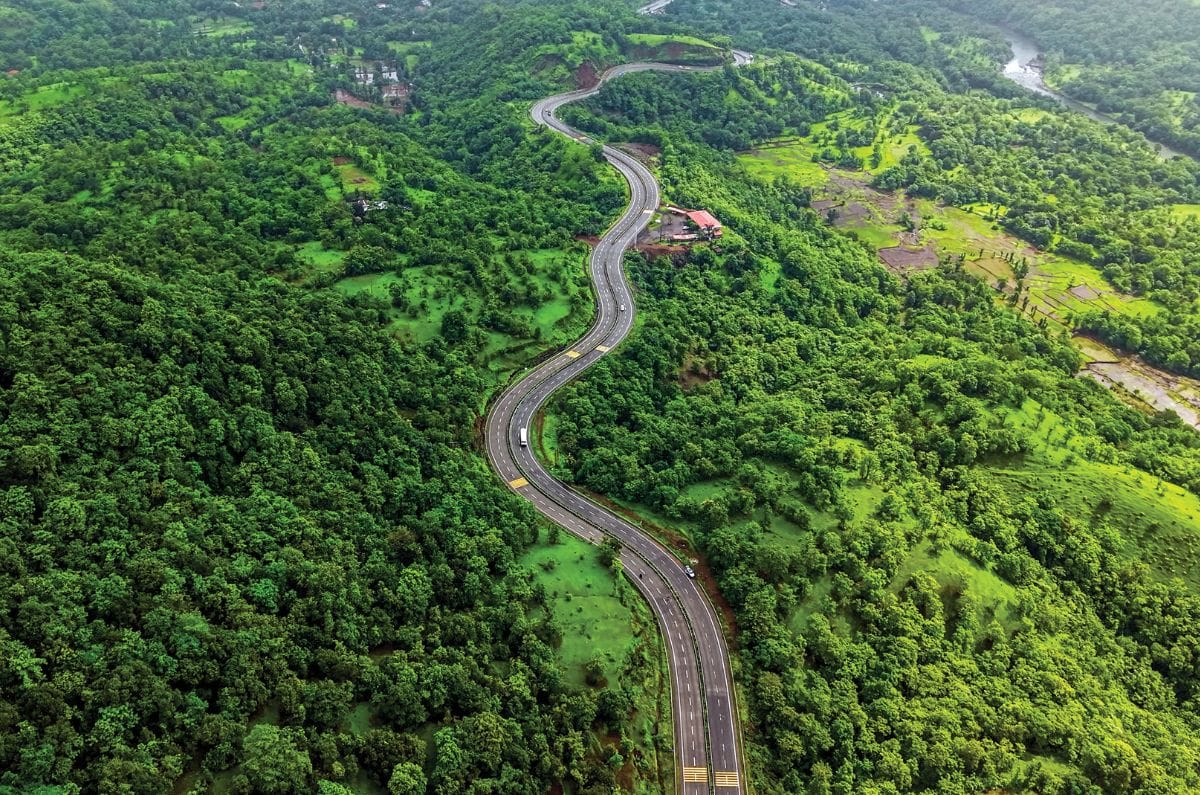
Yet the engine’s lack of drama can actually be an advantage on a long ride. It isn’t exciting, but it is effective, and the RTX simply settles into a rhythm and keeps covering ground. There was one serious concern, though. On three occasions, the motorcycle lost power. Stopping and restarting brought everything back to normal, but it is The only tunnel on our route now bypasses what used to be a long and winding ghat on the 66.
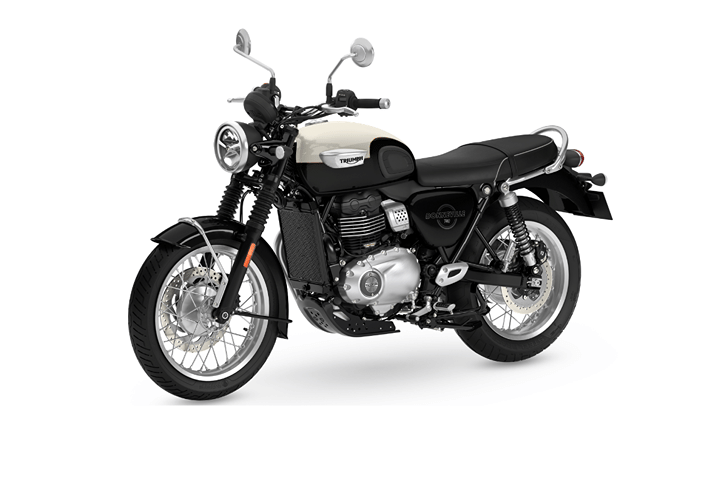
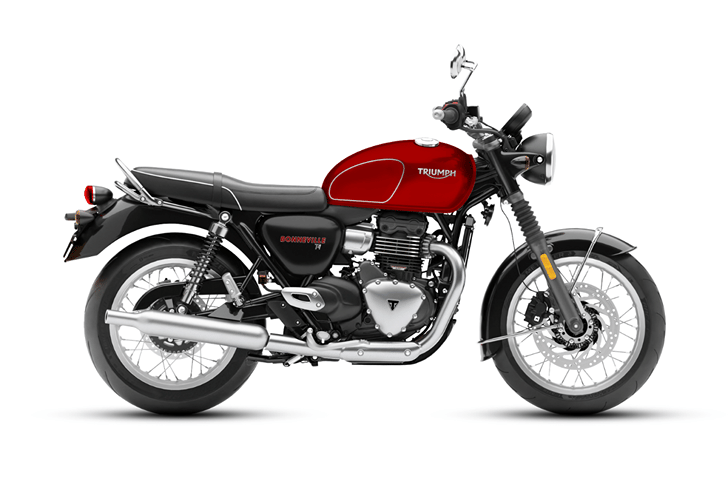
Something that needs investigating because a touring motorcycle should not leave its rider wondering whether the engine is going to keep running. The Triumph offered a completely different experience. Its single-cylinder engine was the smoothest among the singles, while the light clutch and slick gearshifts made it particularly pleasant to ride. On flowing roads, it was easy to settle into a rhythm and simply enjoy the ride. But after several hundred kilometres, its lack of wind protection became increasingly obvious. The absence of a windscreen may not matter on a short ride, but on a day like this, the constant wind tires you out and you’ll arrive at your destination feeling a little more sore than on the others.
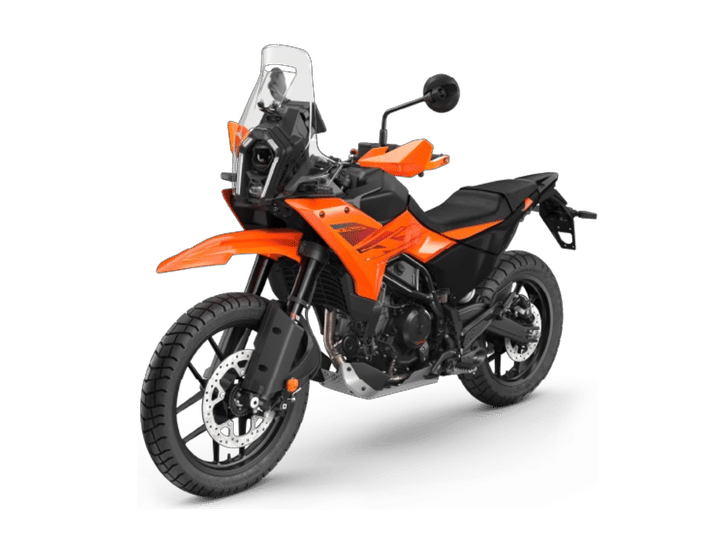
The KTM, meanwhile, made its priorities very clear. This was the motorcycle for riders who enjoy travelling quickly. At 110kph and beyond, there is enough performance to maintain a high pace, and the suspension inspires confidence when the road gets fast and bumpy. Its electronics were another highlight. The menus were logical, the switchgear easy to use, and changing riding modes or electronic settings straightforward.
The quickshifter was also considered crisp to use, while cruise control (the RTX was the only other bike with this) worked well. But the new 350cc engine is a downer. Below 5,000rpm, it can feel rough and crude, with a weak bottom end that forces you to work the engine harder. At highway speeds, the performance is certainly there, but vibrations remain noticeable. It also stalled repeatedly at slower speeds, which took some shine off an otherwise impressive package.
The seat was another issue. Its slim contouring and passing was the least comfortable here and becomes uncomfortable after around 80-100km. The suspension sagged enough under the shortest rider in our group to make it easier for him to get both feet down, making the relatively light KTM the friendliest motorcycles here for shorter riders.
Then there was the BMW 450. On paper, it looked like the obvious choice for covering long distances quickly, but the highway revealed a different character. Above roughly 115kph, the twin-cylinder engine starts to feel less relaxed, and noticeable vibrations creep in. But the BMW felt special in other ways. It has the most premium build quality, the firm suspension was excellent, soaking up the broken and bouncy sections of NH66 with ease, and the brakes were judged the best of the group. They are sharp and powerful, although the initial feel takes some getting used to. The quickshifter was also excellent, and the heated grips were a welcome addition as the rain and cold set in.
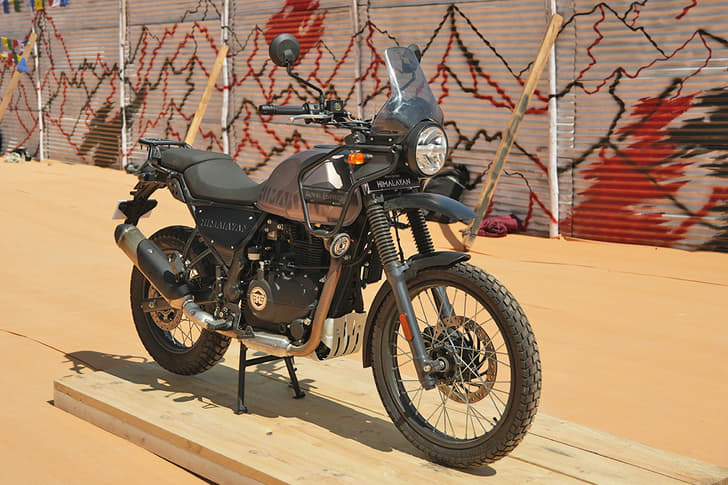
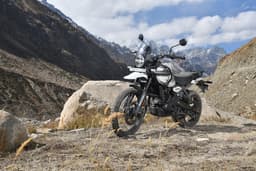
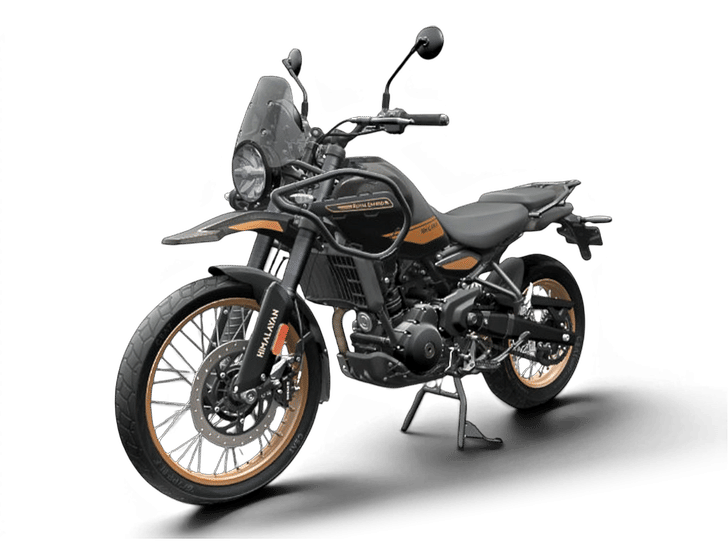
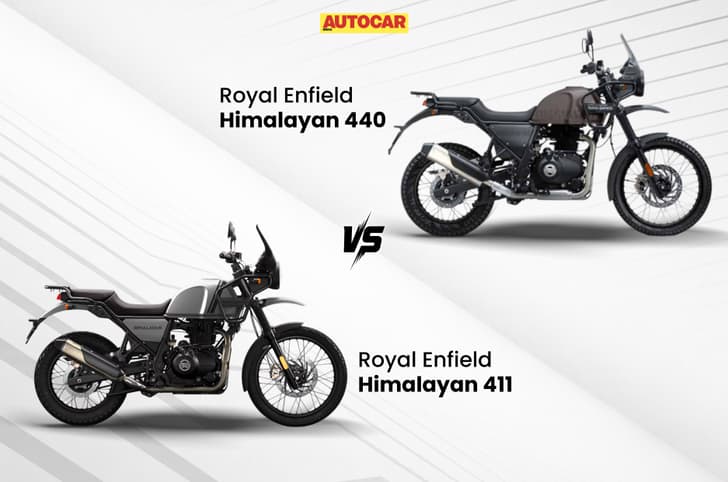
And then there was the Himalayan. It doesn’t have the slick electronics of the KTM or the premium feel of the BMW. It isn’t as light as the RTX, nor does it have the road-going polish of the Triumph. But after several hundred kilometres, it was the motorcycle that kept coming back into conversation. The reason was simple: comfort.
The seat is excellent, the riding position works beautifully for long distances and the suspension offers an impressive combination of plushness and stability. It does require more effort than the others when it comes to lifting it off the stand, changing direction at low speeds and holding the throttle open for hours. The clutch is also heavier. But somehow, those individual compromises disappear into a motorcycle that feels exceptionally capable as a long-distance tourer. While all the bikes returned an average of 23-26kpl, the Himalayan was consistently at the top of this list, and its big 17-litre tank meant that it offered the largest range by far. By the time we rolled into Goa after more than 12 hours in the saddle, we had a pretty good idea of what each bike could do on the road. But the following day was going to change the conversation completely.
Day 2: Into the Mud
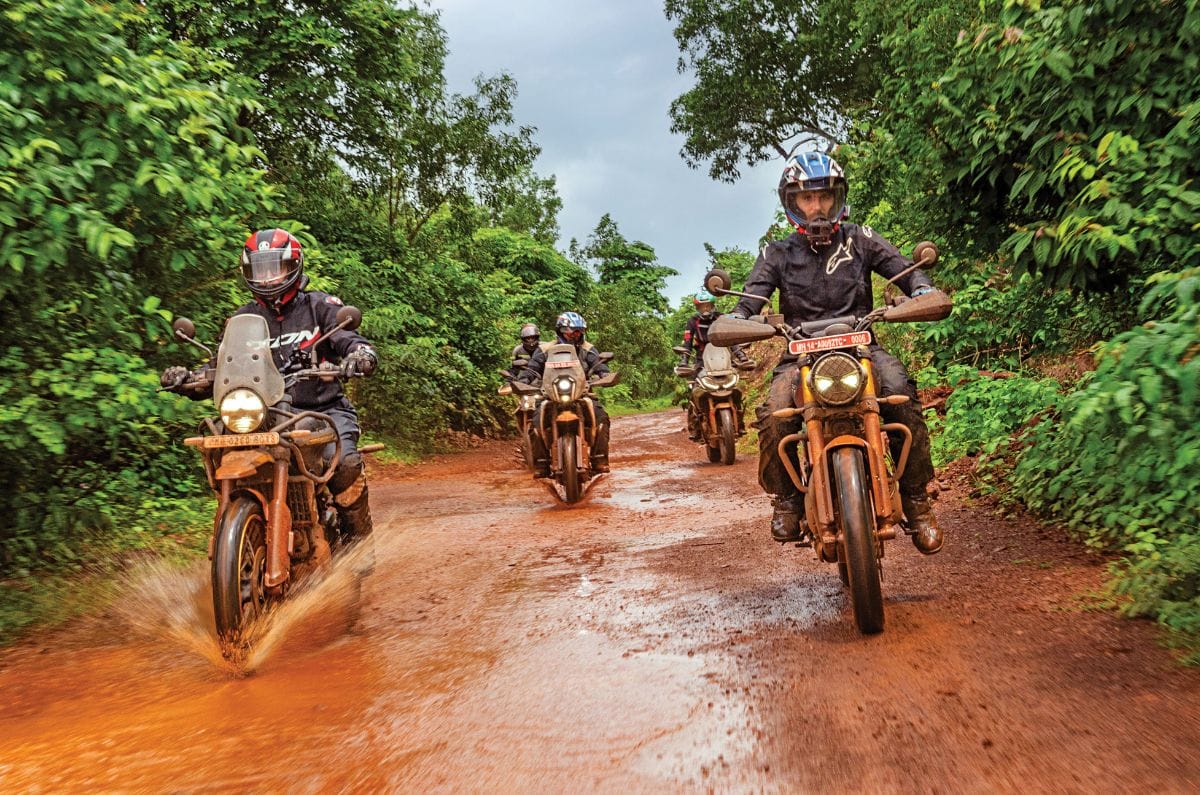
In Goa, we caught up with an old friend, Sherman, who took us away from the familiar roads and towards some untouched trails. This was where the motorcycles had to actually demonstrate their adventure credentials.
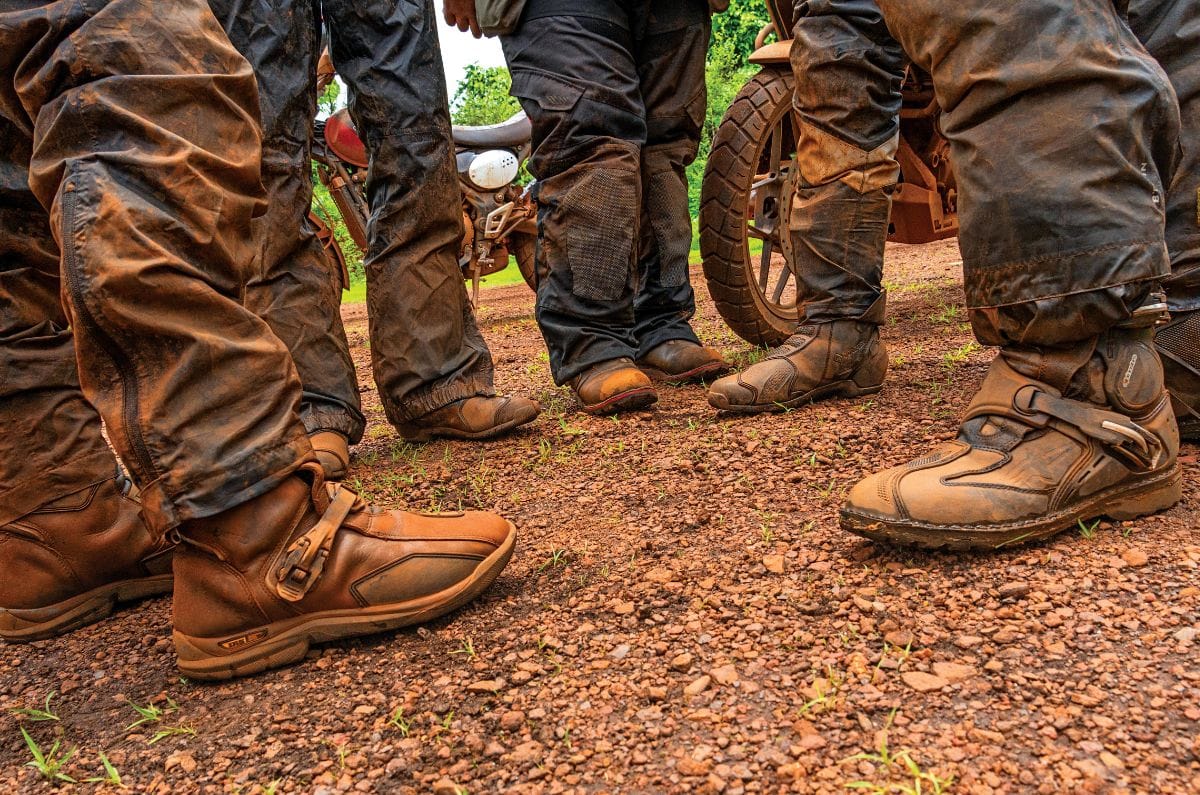
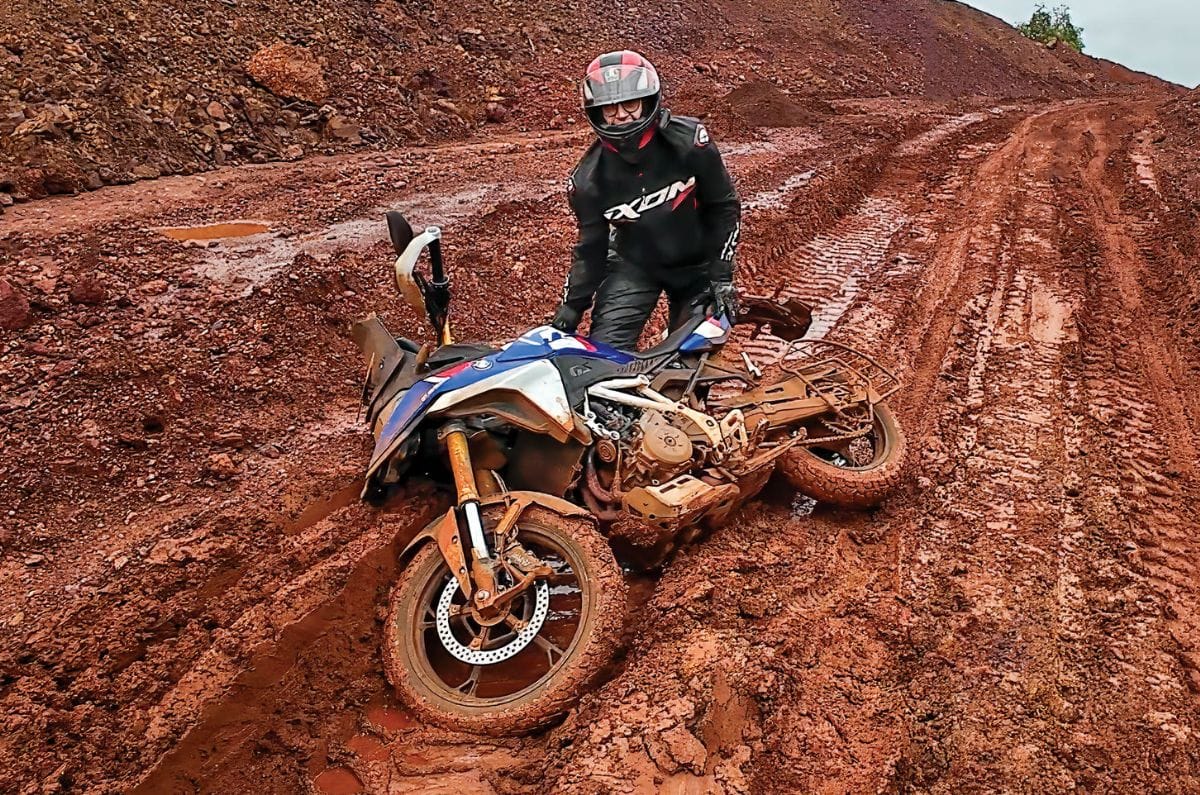
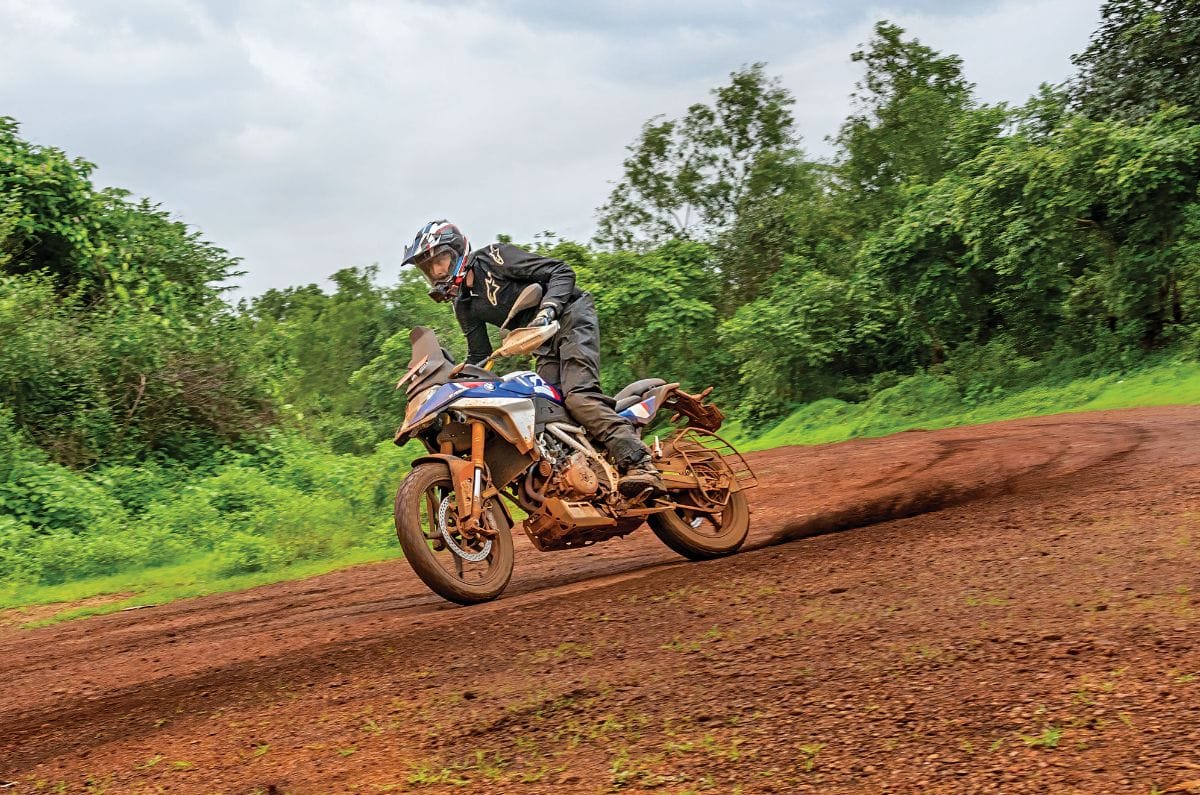
The trails were slippery, muddy and, thanks to the rain, increasingly covered in slush. The surface changed constantly, forcing us to stand on the pegs, pick lines carefully and rely on the motorcycles’ suspension and chassis to keep things under control. The first talking point between us was the BMW. Its standing ergonomics are excellent, allowing you to grip the motorcycle properly and move around it when the trail gets technical. The engine has a strong mid-range, giving it exactly the sort of push you want when riding on loose surfaces. It is easy to provoke, easy to slide and, most importantly, easy to have fun on.
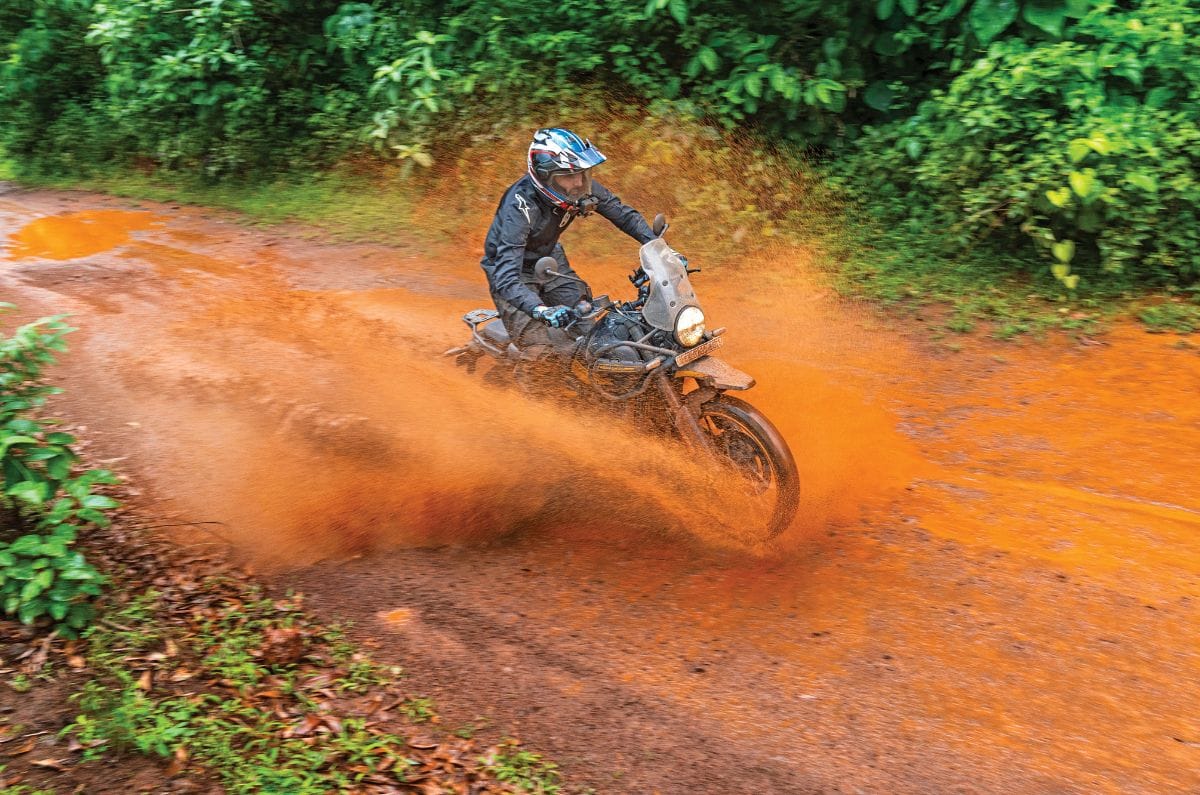
The ERC, or Easy Ride Clutch, was particularly useful. Put the bike in first gear, and it will simply chug along through difficult slow-speed sections, allowing you to concentrate on where you’re pointing the motorcycle rather than constantly managing the clutch. It takes some getting used to, but once you understand how it works, it becomes a useful tool both off road and in the city. It is safe to say that most of us came away from the trails saying the BMW was the motorcycle that put the biggest smile on our faces.
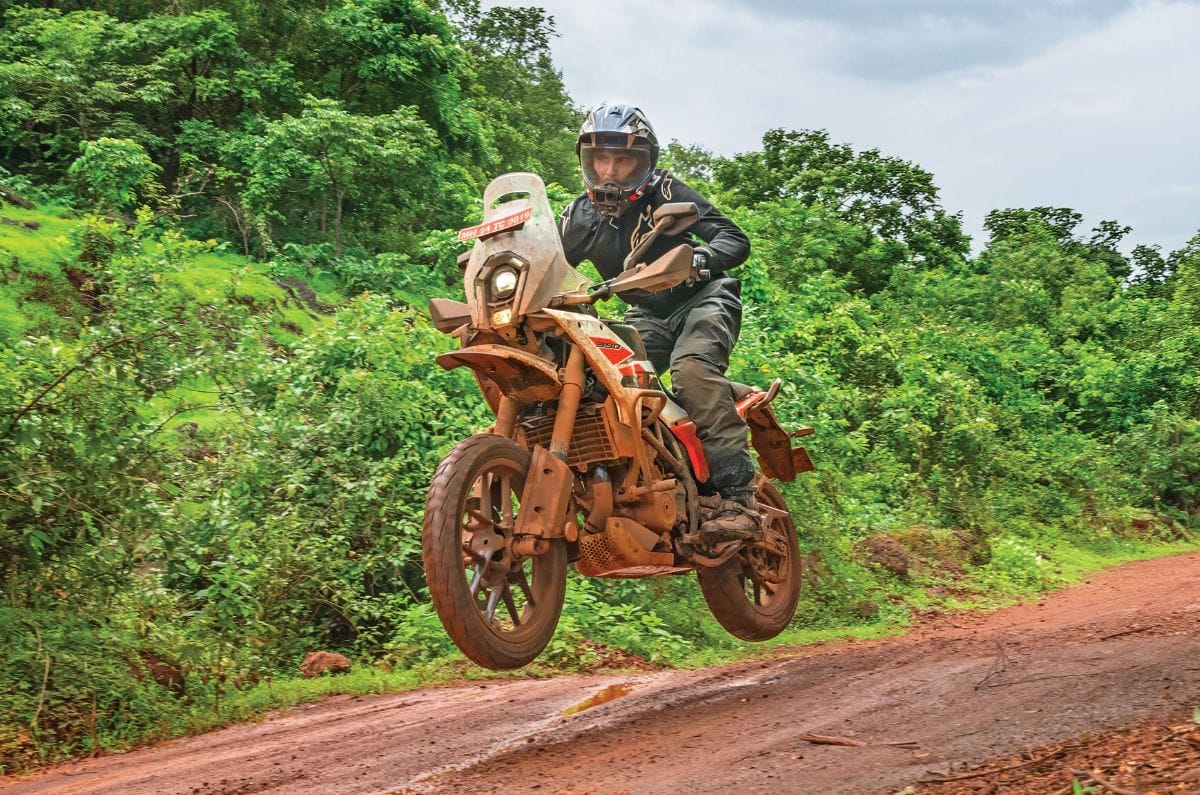
The Himalayan offered a very different kind of confidence. Despite its intimidating size and weight, it was repeatedly described as the most trustworthy motorcycle on the trail. It has solid torque, tracks straight, doesn’t get unsettled easily and remains composed when the surface deteriorates. It isn’t the most playful motorcycle here, but that almost doesn’t matter. In mud, loose surfaces and unknown trails, predictability is worth a lot. The Himalayan simply goes where you point it and gives you the confidence to keep moving.
The KTM’s chassis composure is superb, but standard suspension wasn’t quite as convincing off road, particularly compared with the more serious R version. The large windscreen was also a personal annoyance, sitting directly in my line of sight and coming in contact with my helmet at times while standing on the pegs off-road. The tendency to stall at low revs was another issue. The Triumph, meanwhile, reminded us why it is fundamentally a road motorcycle.
It will get you through rough stuff, but with only 150mm of suspension travel, it will run out of room much sooner than the more adventure-focused machines. The rear can also feel a little springy. It is better thought of as a rugged road bike than a hardcore adventure motorcycle, but its light and easy feel brought in a different kind of fun for the riders who were a bit nervous off road.
What community is saying on the Himalayan?
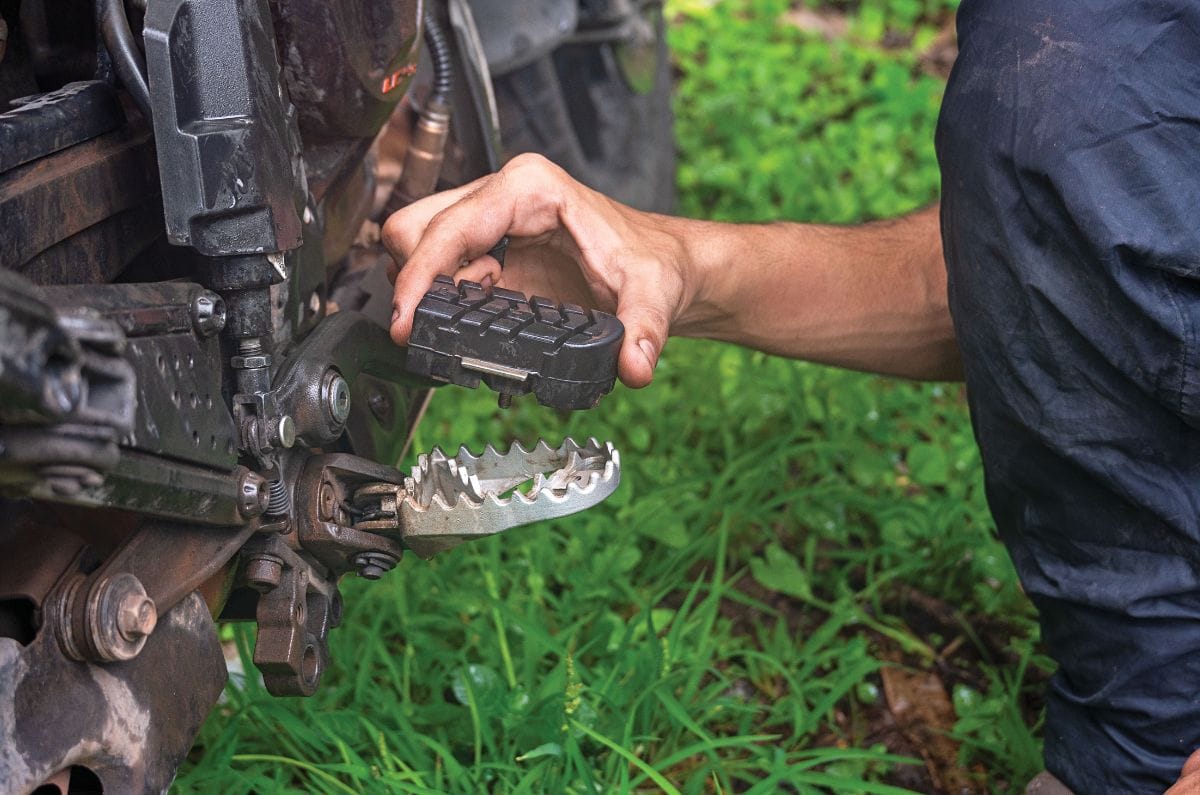
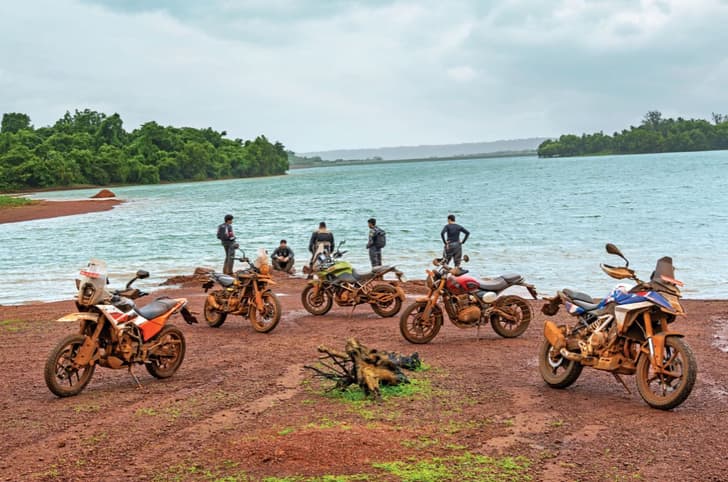
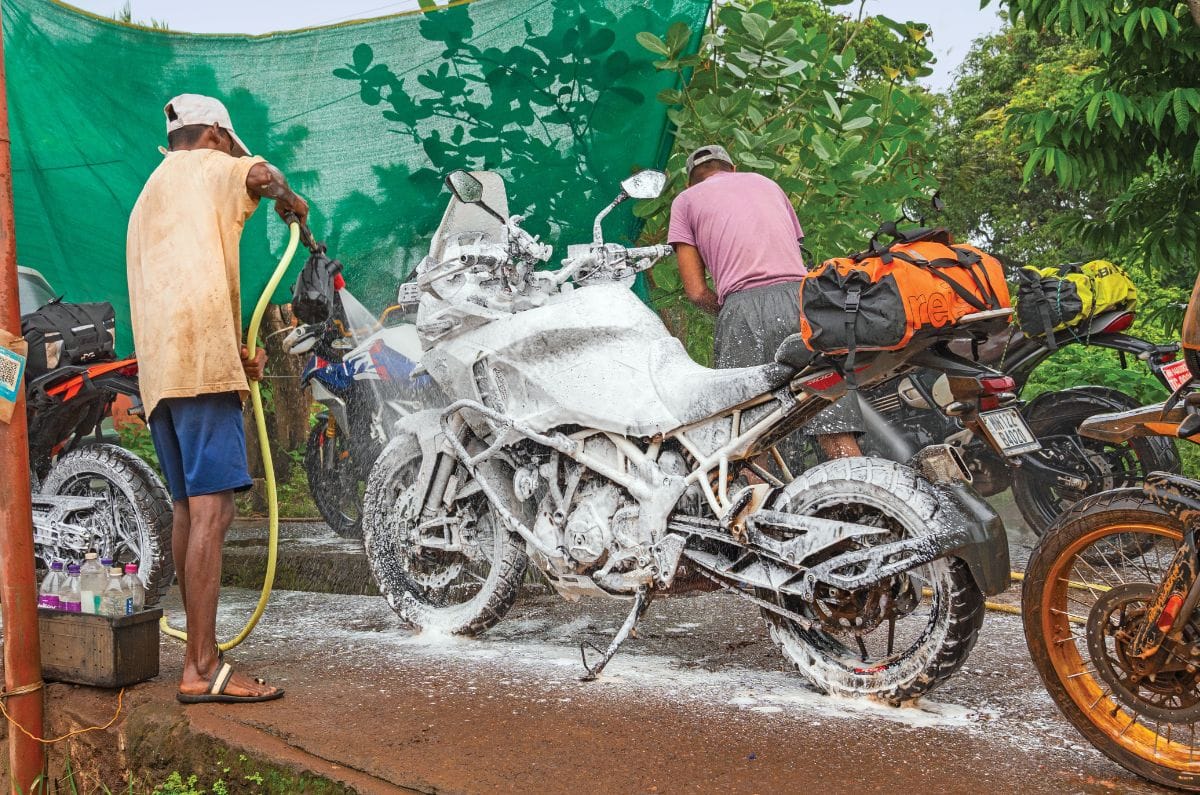
Even the RTX managed to prove that it was quite capable off-road. It feels light, is easy to manage and the engine has enough performance to get it through the rough bits. The suspension is also surprisingly capable, but our only complaint here was that the quickshifter kept cutting power with the slightest touch of our boots, and the traction control kicked in too much, making us switch off the electronics. It also began to produce some bodywork rattle after the off-road day. By the end of the day, all five bikes were covered in mud, but the experience had reshuffled our opinions. The BMW was clearly the pure-fun machine, while the Himalayan’s ability to remain composed made it arguably the most reassuring motorcycle when the going got difficult.
Day 3: Goa to Kunkeshwar
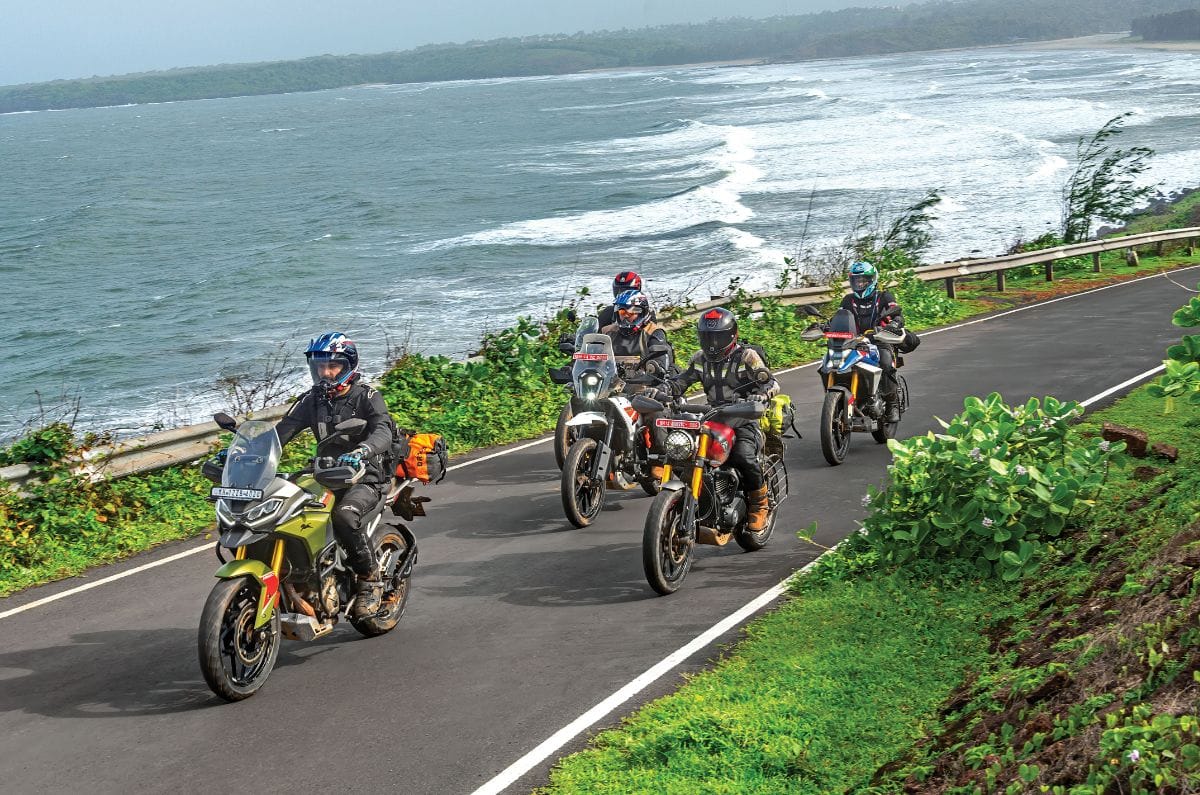
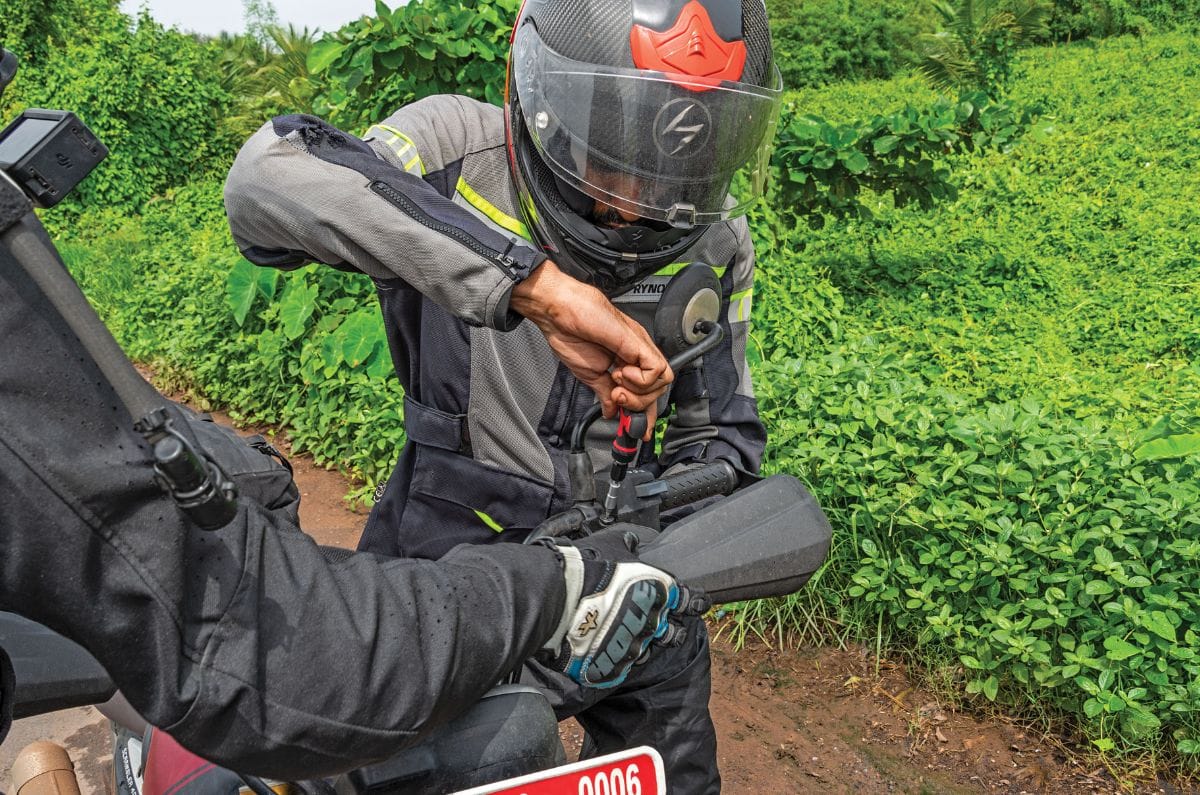
Day three was deliberately shorter. Rather than retracing NH66, we headed towards the coast and eventually to Kunkeshwar in coastal Maharashtra, using narrower twisty backroads. This was perhaps the best environment for the Triumph. Its smooth engine, light clutch and slick gearbox made sense on roads that constantly changed direction. You could carry momentum through the corners, and its approachable nature made the ride feel effortless. It had one concern of its own during the trip where the left handguard came loose on multiple occasions. The BMW was entertaining through the corners too, although its stronger character made it feel more eager to play. The KTM was equally happy when the road opened up, its chassis and engine encouraging a faster pace, but its rough engine was a turn-off at more gentle speeds.
The Himalayan continued to make a strong case for itself. It isn’t the quickest to change direction and requires more physical effort, yet it feels remarkably stable and planted. You can ride it slowly, push it through corners, or simply settle into a comfortable rhythm. The downsides are the joystick, which is frustrating to use, and the sidestand isn’t particularly friendly, especially for shorter riders. A quickshifter and cruise control would also make this an even more enjoyable tourer. By the time we reached Kunkeshwar, the motorcycles had now experienced almost everything we’d intended to throw at them, including highway speeds, rain, broken roads, tight corners, mud and trails
Day 4: The Long Way Home
The idea wasn’t to find a winner. In fact, that would have been almost impossible. The price spread alone made a conventional comparison unfair, with the most affordable motorcycle starting at Rs 2.34 lakh and the most expensive touching Rs 5.3 lakh. The final day was the return to Mumbai, another long stint that gave us time to reflect on everything we’d experienced. After almost 1,300km, what mattered was which motorcycle suited which rider.
In our books, the RTX had established itself as the value champion. Its equipment, easy handling and effective performance make it remarkably capable for the money.
The engine is not the most engaging here, and the power-loss incidents were concerning, but its strengths are difficult to ignore. The Triumph emerged as the gentleman of the group. It is polished, smooth and approachable, and if your idea of adventure involves considerably more tarmac than mud, it has a really good charm.
The KTM is the highway specialist. If you enjoy travelling quickly and value electronics, cruise control and a superb quickshifter, it makes a compelling case. But the buzzy engine, weak bottom end and uncomfortable seat prevent it from being the effortless long-distance machine it could otherwise have been. Most of us also found the wind protection to be excessive in our hot climate.
The BMW 450 was easily the most entertaining bike off-road. It didn’t quite deliver the high-speed touring experience we expected, but once the road disappeared, it came alive. Its suspension, standing ergonomics and strong mid-range make it a lot of fun, and the ERC adds another layer of capability. It also feels the most special and expensive of the lot, and it will be the most expensive – not just to buy, but also to run. And then there is the Himalayan. It doesn’t win any individual metrics, but over four days and almost 1,300km, it demonstrated an extraordinary ability to adapt. Ride it slowly, and it is happy.
Push it through corners, and it responds. Take it onto a rough trail, and it remains composed. Load it up, point it towards another state, and it feels like it was built for the job. It is the best all-rounder here, and it does the best job of matching the traditional requirements of what an adventure bike should be. Then again, adventure motorcycles are ultimately about having the freedom to choose where the road takes you.
Over four days, through rain, highways, winding backroads, broken surfaces, mud and trails, all five motorcycles proved capable of taking us there. They simply went about it in very different ways. So, the trick isn’t finding the “best adventure motorcycle”. It is figuring out which version of adventure is best for you.
 Autocar India Team
 Stephen Raj Antony
 Vishal Venugopal