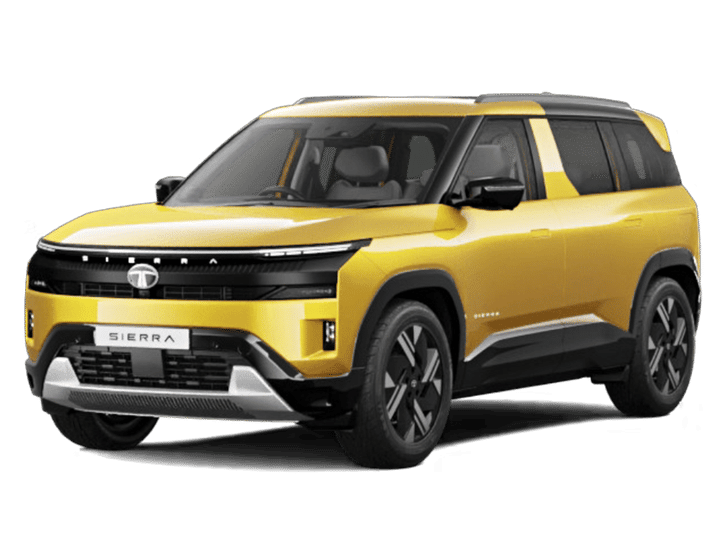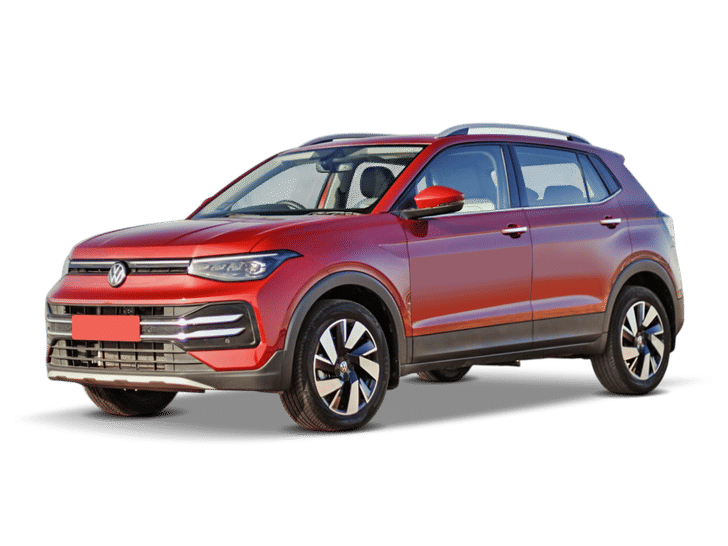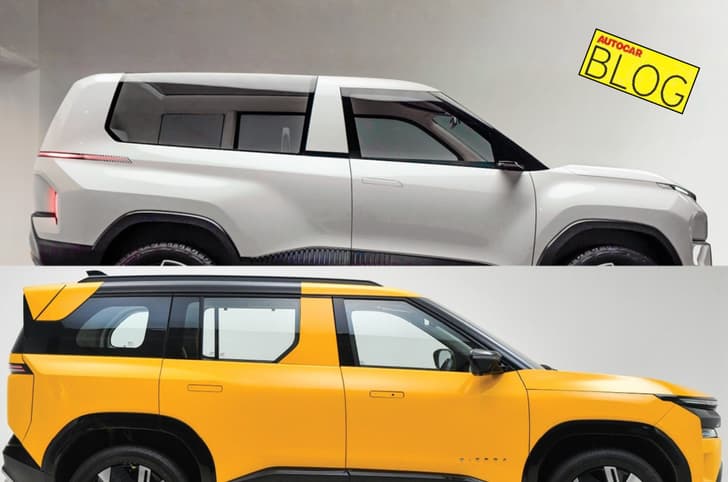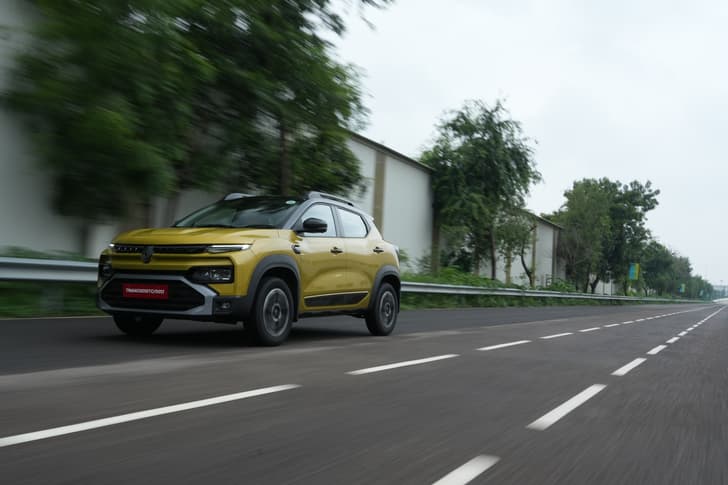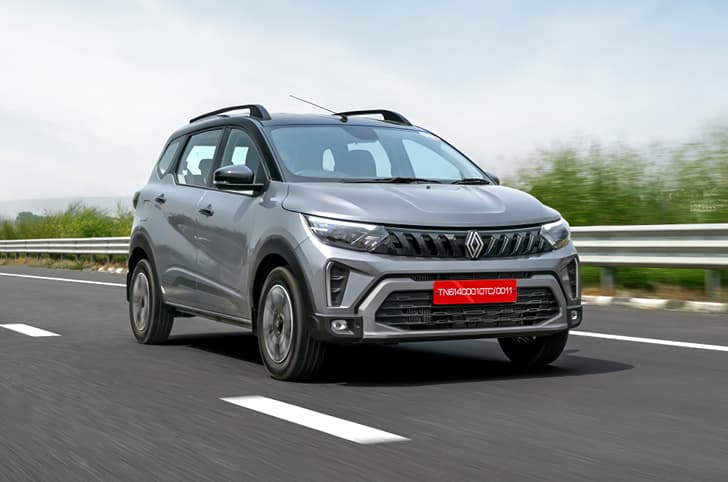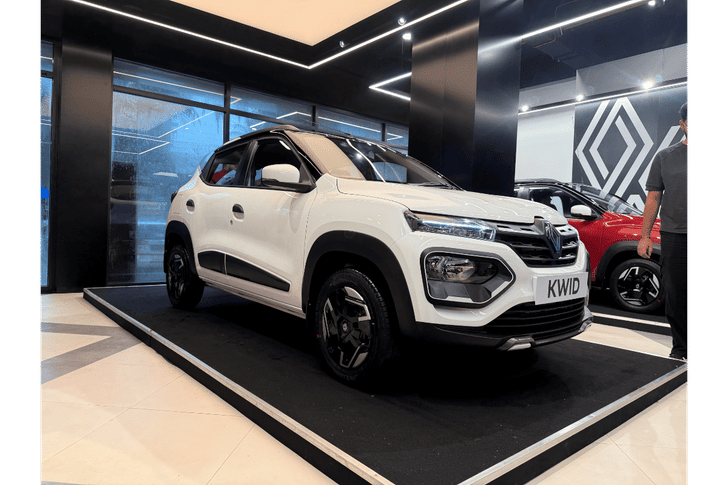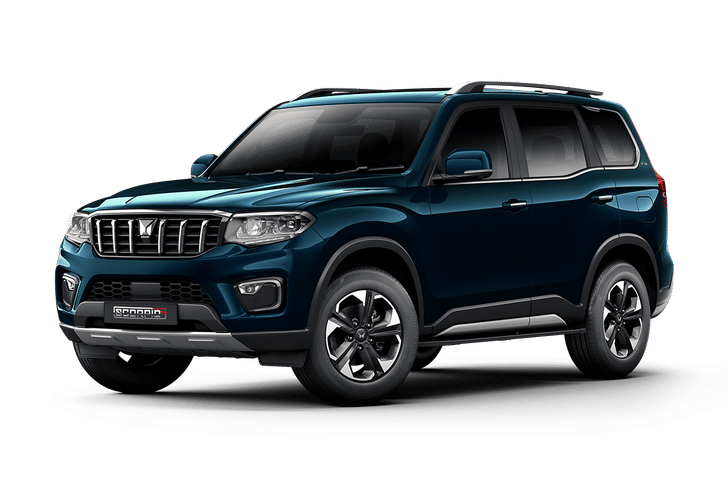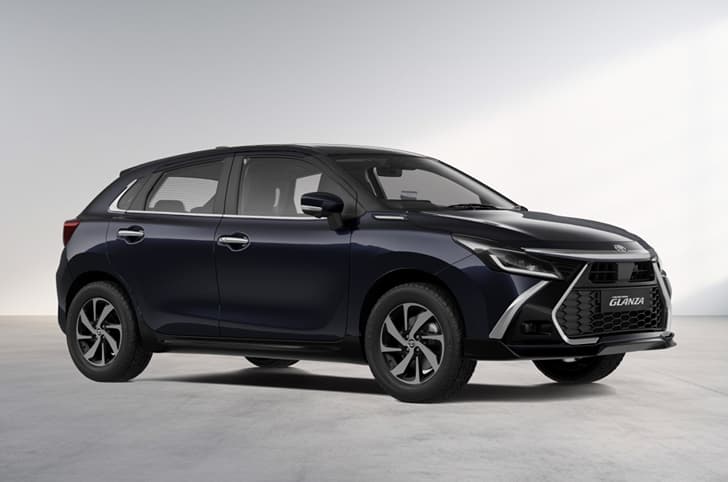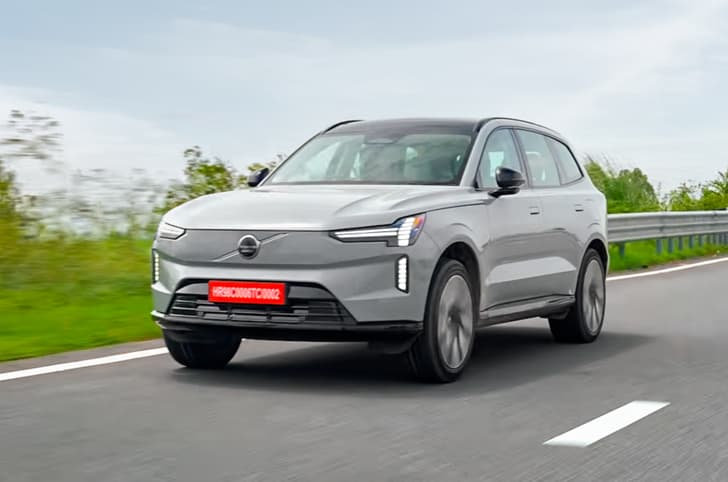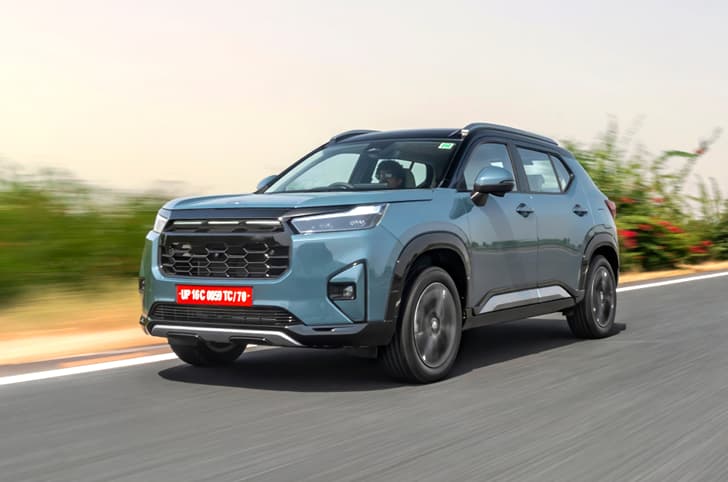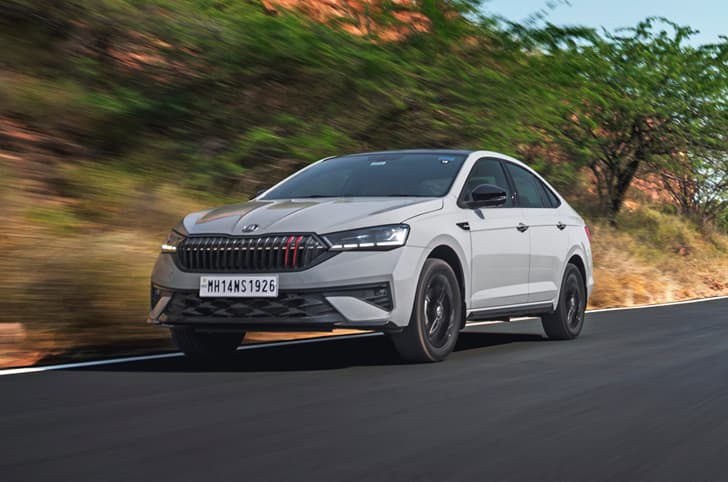

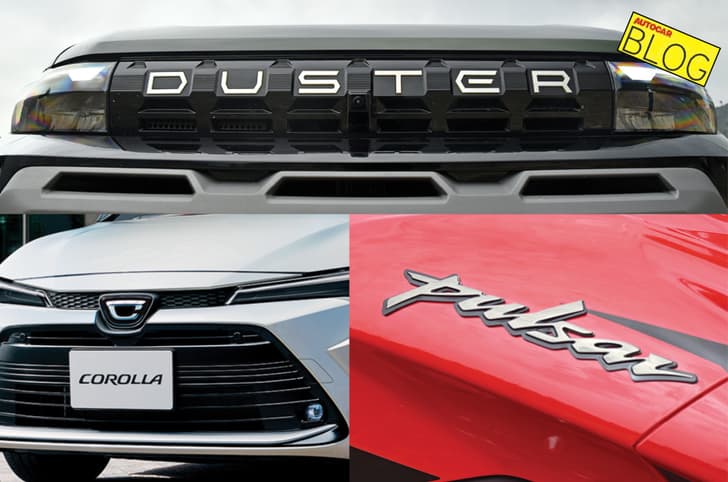
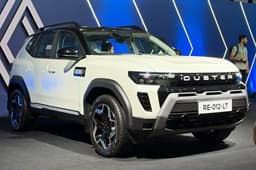
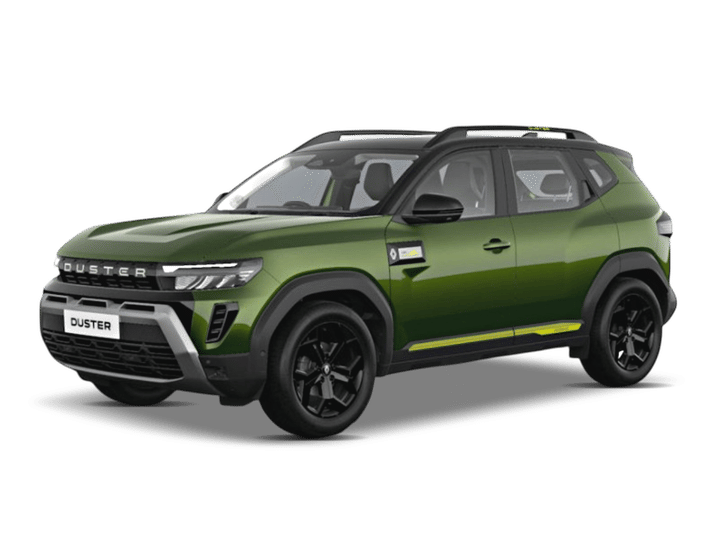
One of the discussions on social media about the Renault Duster (re)launch is that the front grille carries only the Duster name and no Renault logo. People are debating the pros and cons. Are people going to buy it because it is a Duster, not a Renault? Has Renault played it right or put too much focus on just a product name?
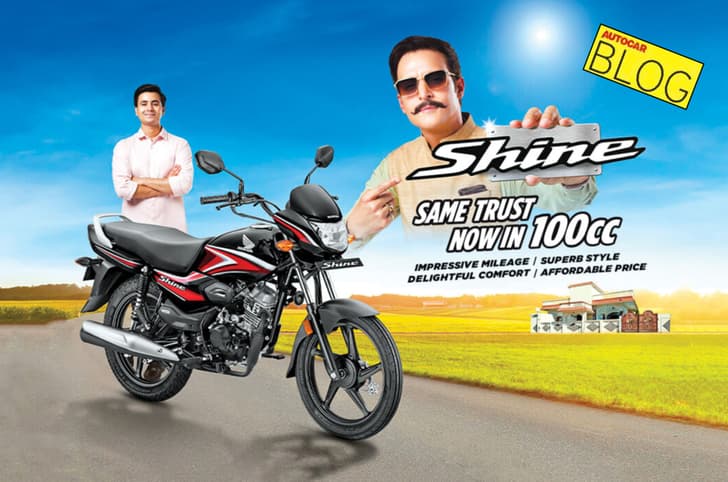
This is the classic sub-brand strategy. We have some examples already, like in the two-wheeler world, there’s Bajaj’s Pulsar and TVS’ Apache. Product names that have been elevated into strong sub-brands with the capability of finding their own consumer mind space. These companies have invested heavily in these brands, in terms of product portfolio, customer ecosystem and communication, and Mahindra has gone on record to say that not just the Thar, but the Scorpio and the XUV line would grow into their own sub-brands as well, à la JLR’s Defender, Range Rover et al.
In some markets, Toyota has a specific badge for the entire line-up offered under the Corolla name. The creation of the sub-brand came to them as an afterthought, looking at the sheer popularity of the brand name. The Dodge Ram started with the product being given its own distinct badge, including on the steering wheel.
There can be various reasons why such sub-brands are strategically created by automakers. One is to cater to a specific customer segment that will not otherwise emotionally connect with the mother brand. This could be due to the legacy image of the mother brand, like in the case of Bajaj purposely creating a ‘Pulsar’, consciously away from the image of a ‘scooter maker’.
The second could be to club a category of vehicles with a distinct ethos under the mother brand. The ethos itself is such a powerful equity that giving it a distinct identity does justice to its fan club, from the badge and product portfolio to a retail channel. There’s Corolla under Toyota, which has its own Corolla stores.
The third could be to kickstart the creation of a specific ‘tribe’ of that specific product in a specific market, where the product name possibly carries greater traction than the mother badge, thereby connecting stronger. That could very well be the case with the Duster and Renault.
Does it always work? I believe it does, as long as the auto marketer and product planner have a well-thought-out product portfolio and engagement plan in mind. Only then will one be able to maximise the market potential of a sub-brand. I’m quite sure Renault has a lot cooking up on this front.
 Sergius Barretto
 Rishaad Mody