Last Updated on: 19 Jun 2026
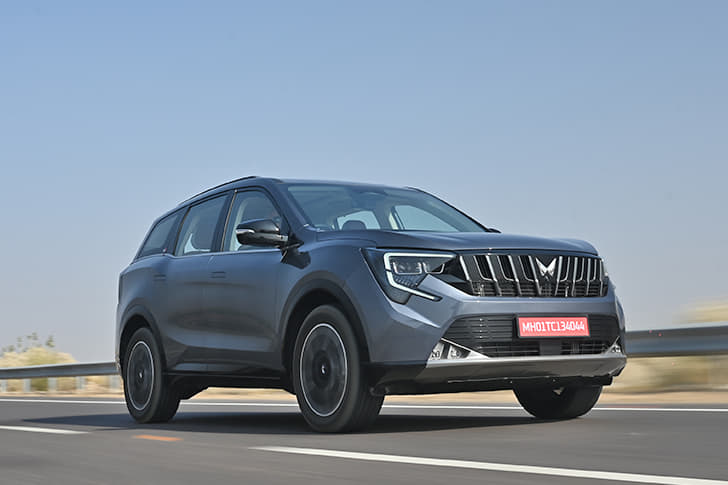
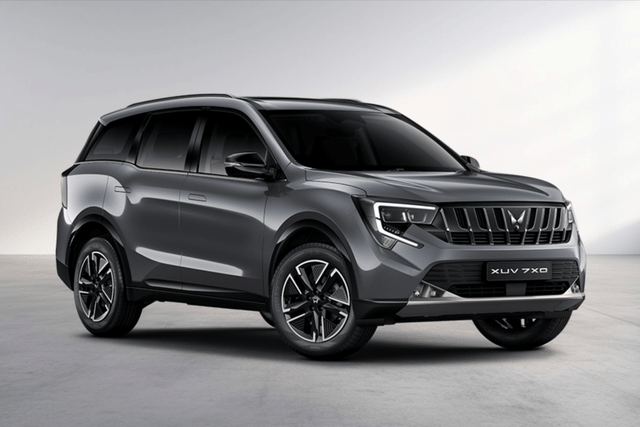
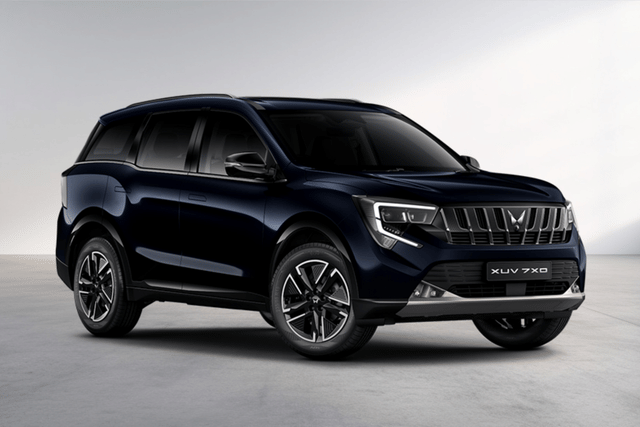
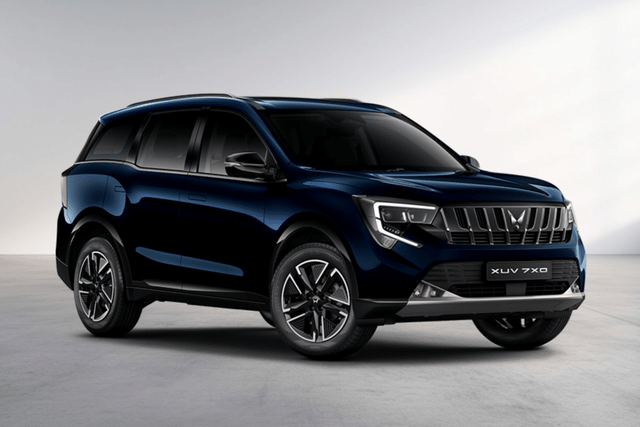
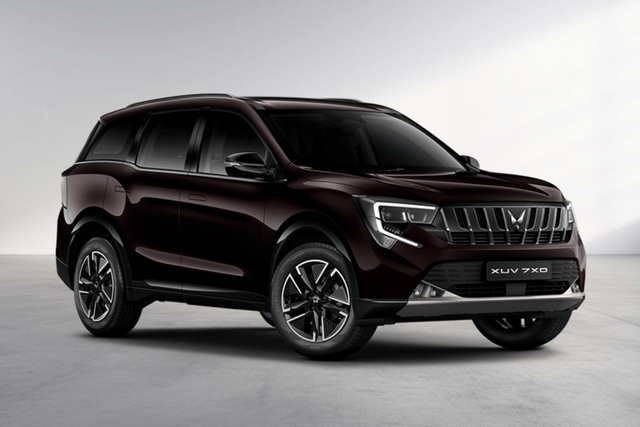
Mahindra XUV 7XO price in Belagavi
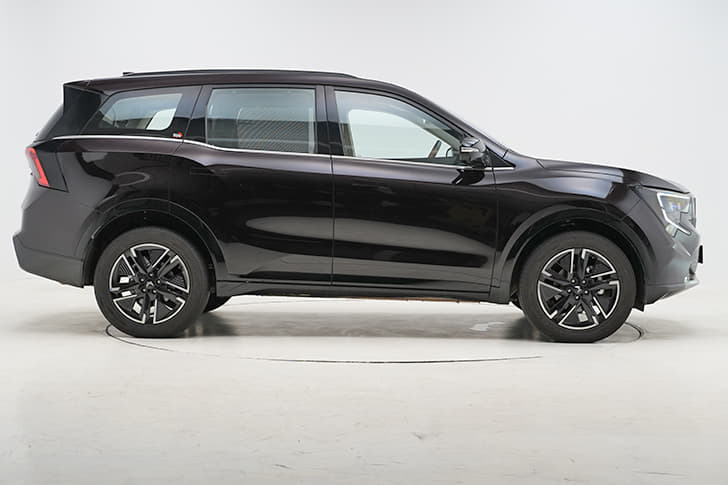
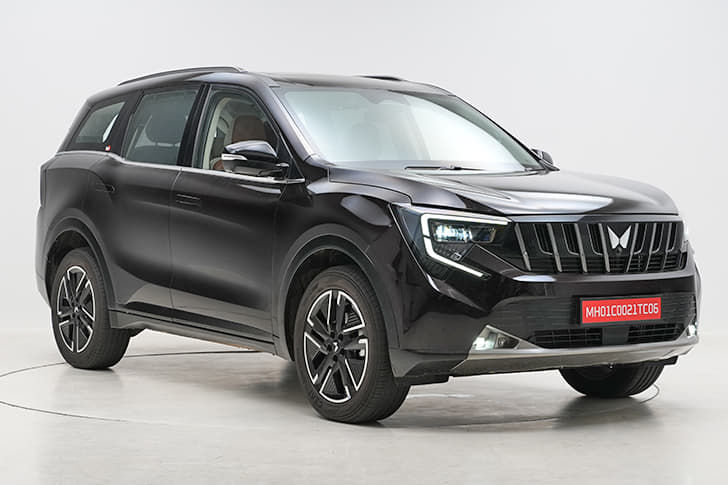
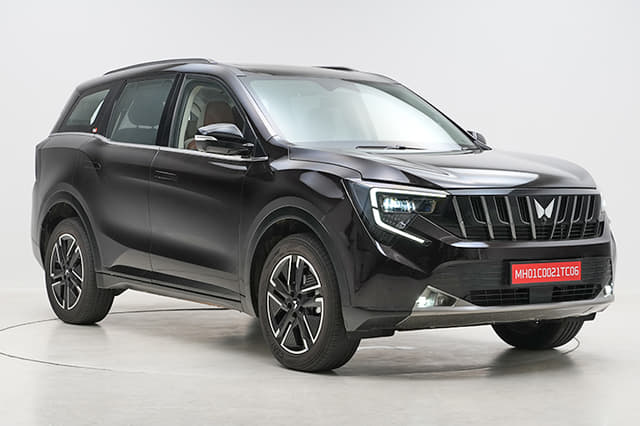
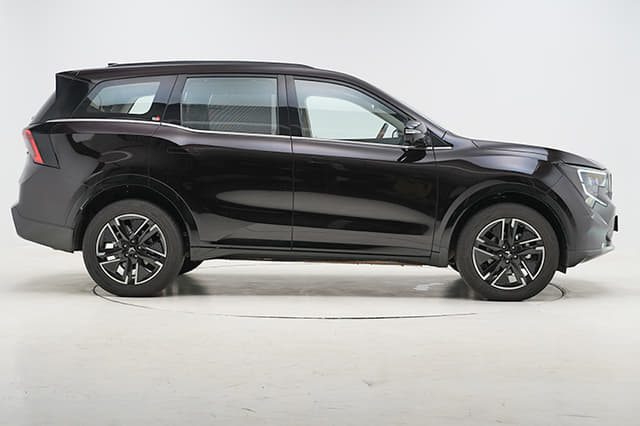
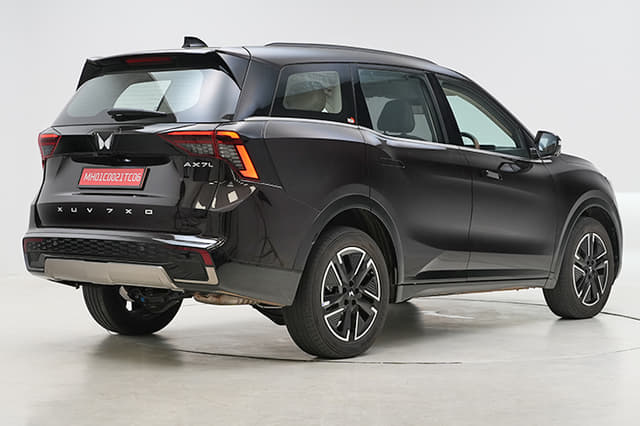
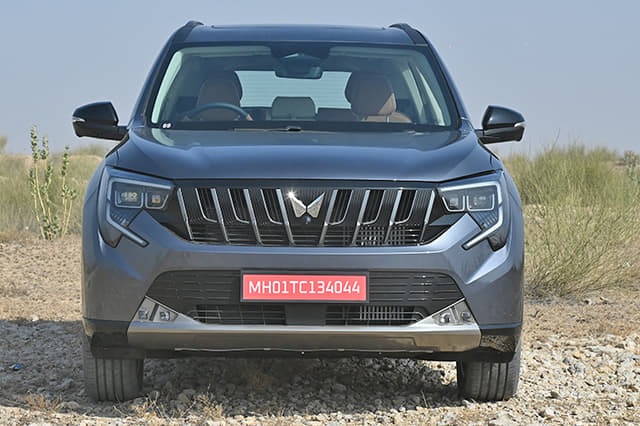
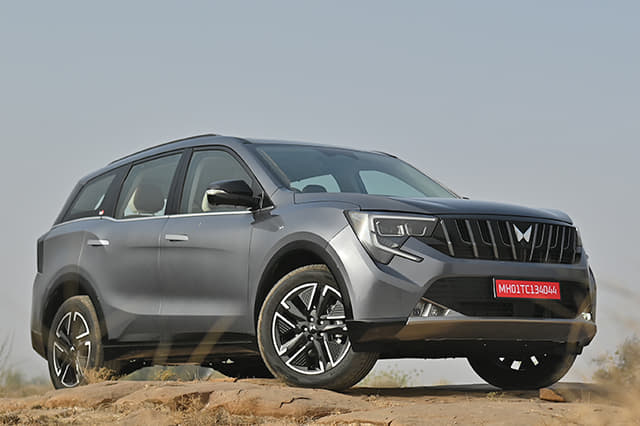
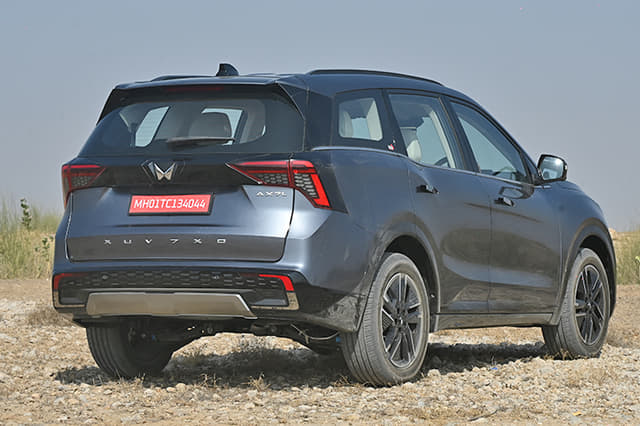
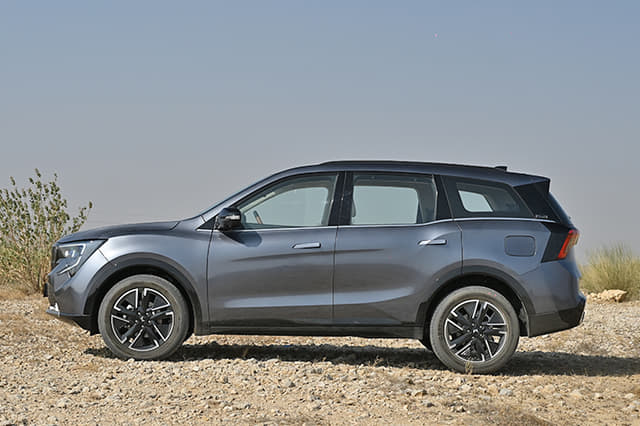
The XUV 7XO price in Belagavi starts at ₹13.66 lakh for the entry-level AX 2.0 Petrol MT variant. The fully-loaded AX7 Luxury 2.2 Diesel AWD AT variant price is ₹24.92 lakh (Ex-showroom). Meanwhile the XUV 7XO on road prices in Belagavi starts from ₹16.81 lakh to ₹31.03 lakh. Notably, the XUV 7XO variants includes 27 choices.
Mahindra XUV 7XO price in Belagavi
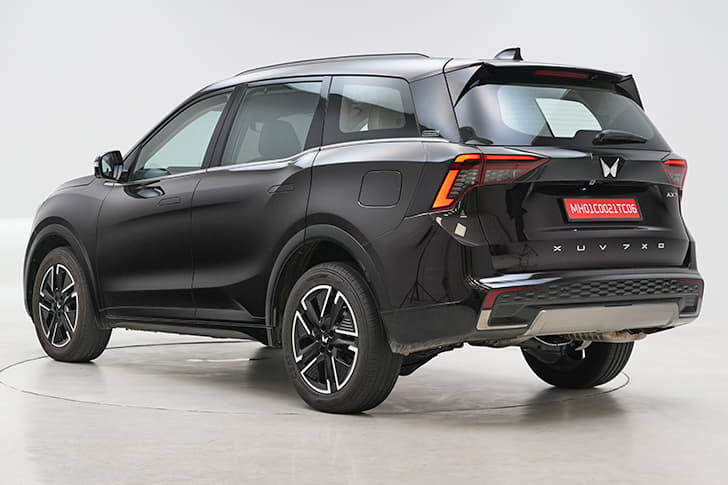
The XUV 7XO price in Belagavi starts at ₹13.66 lakh for the entry-level AX 2.0 Petrol MT variant. The fully-loaded AX7 Luxury 2.2 Diesel AWD AT variant price is ₹24.92 lakh (Ex-showroom). Meanwhile the XUV 7XO on road prices in Belagavi starts from ₹16.81 lakh to ₹31.03 lakh. Notably, the XUV 7XO variants includes 27 choices.
Mahindra XUV 7XO Pricing by Variants
* Estimated on-road price. Final amount may vary.
Mahindra XUV 7XO Official Brochure
Download the complete brochure with specs, features, and variants.
On Road Price of Mahindra XUV 7XO Alternatives in Belagavi
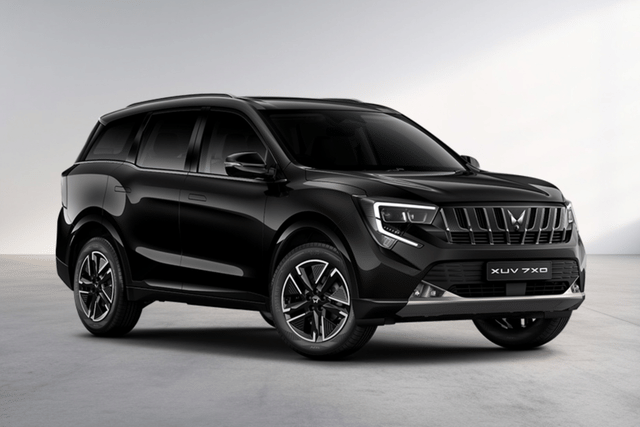
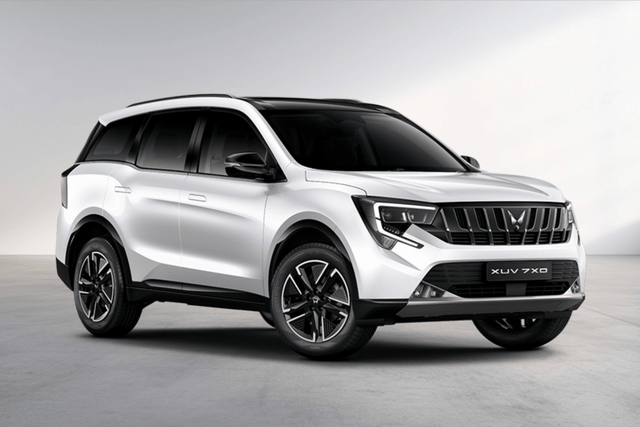
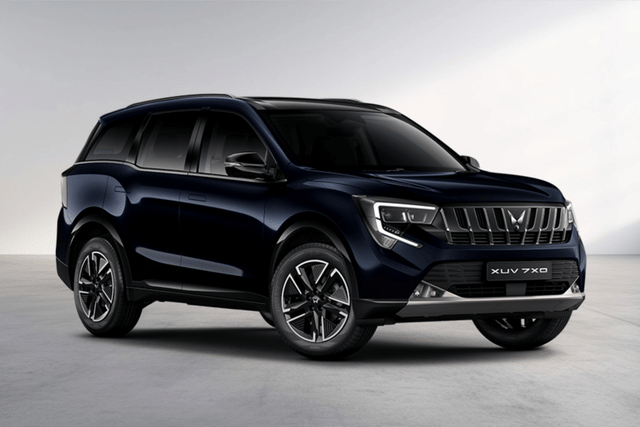
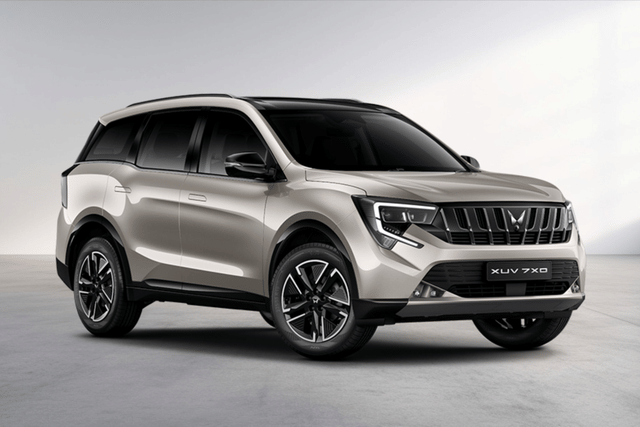
Mahindra XUV 7XO Images
Mahindra XUV 7XO news
Mahindra XUV 7XO videos


Mahindra XUV 7XO FAQs
The base-spec Mahindra XUV 7XO AX 2.0 Petrol MT on road price in Belagavi is ₹16.81 lakh.
The Mahindra XUV 7XO AX7 2.2 Diesel AT on road price in Belagavi is ₹25.40 lakh.
The top-spec Mahindra XUV 7XO AX7 Luxury 2.2 Diesel AWD AT on road price in Belagavi is ₹31.03 lakh.
The starting price of Mahindra XUV 7XO in Belagavi is Rs 13.66 lakh, ex-showroom.
The top-spec Mahindra XUV 7XO in Belagavi is priced at Rs 24.92 lakh, ex-showroom.
Questions you may find useful
Mahindra XUV 7XO AX7L Diesel AT or XUV 7XO AX7L Diesel AT AWD for the next 10 years? My usage will be 70% city and 30% highway driving, including trips to hilly regions such as Himachal Pradesh and Uttarakhand.
Pick the Mahindra XUV 7XO AX7L Diesel AT 2WD. With 70% city use, the AWD hardware is just extra weight on most days, costs more to purchase, and will be less fuel efficient. For HP and UK hill trips on normal tarmac, the diesel’s torque, good tyres and the drive modes are enough for climbs and wet hairpins. Simpler 2WD also means fewer drivetrain parts. You’ll only feel AWD’s real benefit in snow, slush, or on steep, broken tracks. If that kind of terrain is a regular thing each winter, then spending on the AWD makes sense.
I am looking to buy an SUV under Rs 25 lakh with good comfort, a powerful engine, plenty of features and strong road presence. I do not like the look of the Mahindra XUV 7XO or Scorpio N. I am currently leaning towards the Thar Roxx. Are there any better options? I am open to EVs as well.
The Thar Roxx is a good choice if you are prioritising road presence. It has strong engines, good performance and is well equipped. It is also reasonably comfortable for a ladder-frame SUV. However, it cannot match the XUV 7XO in terms of passenger comfort and ride quality.Alternatively, you could consider the Tata Safari or the Harrier if you do not need seven seats. They ride well on bad roads, have comfortable cabins, and offer the broad-shouldered stance you are after. The 2.0-litre diesel has strong torque for quick highway overtakes and hill driving, and the automatic makes traffic easy to deal with.The Thar Roxx looks great and is brilliant off-road, but in daily use, the ride is busier, the rear seat is tighter, and the boot is smaller.If you want a petrol SUV with a more tech-heavy feel, the Kia Seltos 1.5 turbo-petrol automatic is also a solid choice within your budget, but it will not have the same road presence as the Harrier or the Roxx.
As we all know, the Mahindra XUV 7XO AX5 diesel still has a long waiting period. In that case, how does the Tata Safari Adventure X Plus Automatic Diesel compare to it? Since it is available for quicker delivery, would it be a good alternative to the XUV 7XO AX5 Diesel?
The Tata Safari Adventure X Plus Automatic Diesel is a good alternative if the waiting period for the XUV 7XO is proving too long.The Safari's biggest strengths are its comfortable ride, spacious cabin and excellent second-row seating. It is a very capable long-distance cruiser and feels premium. The diesel automatic powertrain is well suited to highway use and delivers relaxed performance for family touring.That said, the XUV 7XO still has the edge as an overall package. Its diesel engine feels stronger and more refined, the automatic gearbox is better calibrated, and it offers a more modern feature set in comparable variants. It is also the more engaging SUV to drive.If immediate delivery is important, the Safari is not a compromise that will leave you disappointed. In fact, buyers who prioritize rear-seat comfort and long-distance travel may even prefer it to the Mahindra car.
I want to purchase a car for my daily commute on village roads, as well as for highway driving. My monthly running is around 3,000 km, and once every quarter, I travel to a city that is approximately 350 km away from my town. Considering my usage pattern, would an EV be a suitable choice? Please suggest the best options within a budget of Rs. 20-30 lakh.
If you can install a charger at home and have charging stations on the route to your destination, an EV does make sense for your heavy use. Under Rs. 20 lakh, consider the Tata Curvv EV with the 55kWh battery pack. In our real world tests, it managed 352km on the highway which means your 350km journey is possible with a quick stop in between to top up. It also has good ground clearance and rides well, so it will deal with village roads nicely.For under Rs. 30 lakh, consider the Mahindra XEV 9e with the 79kWh battery pack. In our tests, it managed 488km on the highway meaning with some care, your 350km journey is possible in one go. You will need to charge at your destination though. EVs are less efficient on the highway and particularly with a full load require care to ensure the battery doesn't deplete too quickly. Your charging stops will also need to be planned in advance and there is possibility that you will have to wait at a stop for charge to become available. If this seems like too much work, then stick to a diesel. Under Rs. 20 lakh, consider the Kia Seltos diesel or the Hyundai Creta diesel. Under 30 lakh, you could consider the Mahindra XUV 7XO or the Scorpio N. All of these will comfortably manage village roads and do long highway stints without worries.
I am buying the Mahindra XUV 7XO AX7T Diesel Automatic. My annual usage is approximately 12,000-13,000km with this pattern: Highway (guaranteed): approximately 6,000km annually. City: Weekend drives of minimum 15-20km, one 150km City exploration monthly. No daily office commute by car — public transport for that. The car will sit idle Monday to Friday. The authorised Mahindra workshop is 3km from home. My questions: 1. Is my pattern low-risk or high-risk for DPF issues? 2. Does the car sitting idle on weekdays followed by 15-20km weekend drives create cumulative soot risk? 3. Diesel AT or Petrol AT for my profile - which do you recommend? I am leaning toward Diesel AT, but want expert validation before booking
Go for the Mahindra XUV 7XO diesel automatic. Your guaranteed highway running every year is exactly what a DPF likes, and the diesel will be cheaper to run and nicer to cruise with its strong torque. With your usage, the diesel should return clearly better highway economy than the petrol and feel more relaxed on long trips.Your pattern is low-risk for DPF trouble. Those steady highway stretches will keep the filter clean via passive regen, and Mahindra’s active regen will step in if needed. A workshop 3 km away also means any rare forced regen is easy to sort.The car sitting Monday to Friday does not create soot. Soot builds only when driving, especially on repeated cold starts with short, crawling trips. Your weekend 15-20 km runs are long enough to get the exhaust hot unless they are pure bumper-to-bumper. The monthly 150 km city loop adds a good safety margin.Between diesel AT and petrol AT for you, diesel wins. Expect lower fuel costs on highways and stronger pull when loaded.
I want to buy an SUV, and my budget is around 20 lakh. I have seen the MG Hector, the Mahindra XUV and the Tharr Rox. Which car should I buy, and given the current scenarios on the govt policies, should I go for petrol or diesel?
Pick the Mahindra XUV 7XO. At around Rs. 20 lakh, it gives you the best mix of space, strong performance and safety, and it is far easier to live with every day than the Thar Roxx while being a better value than a low or mid Hector variant. You also get both petrol and diesel choices, so you can match it to your running.Fuel choice is simple. Go petrol if most of your use is in the city or your running is under about 1,200 km a month. It is quieter, has fewer policy worries, and resale stays safe even if some cities tighten diesel rules. Pick diesel only if you drive long highway distances often, want a longer tank range, or haul a full family with luggage regularly.The only real downside with the XUV 7XO is that the fanciest features push you beyond Rs. 20 lakh, and there may be a wait period. If you mainly want a rugged toy, the Thar Roxx is great, but for family life, the XUV 7XO fits better.
Hi Autocar, I am looking to buy a 6-seater car under 35 lakhs. I have checked out the Mahindra XUV 7XO AX7L Diesel Automatic and the Tata Safari Accomplished Ultra Diesel Automatic. Now I am in confusion about what to buy since I want a balance of both performance and comfort in the 2nd row seats. Tata Safari excels in 2nd row comfort, but the engine is moderate, whereas the Mahindra XUV 7XO engine is excellent to drive, and 2nd row comfort is good. But the waiting period of 7XO is making it difficult to choose what to buy. Please provide your suggestions on this.
The Safari's biggest advantage over the XUV 7XO is its third row packaging and the slightly more premium second row experience. However, once performance, drivability, technology and overall ownership proposition are considered, the XUV 7XO pulls ahead in most areas.The waiting period is understandably frustrating, but considering this is likely to be a long-term purchase, a few extra months of waiting is generally easier to justify than living with a second choice for several years.The only reason to choose the Safari would be if second row comfort is overwhelmingly more important than every other factor, and the vehicle needs to be purchased immediately. Otherwise, the XUV 7XO AX7L Diesel Automatic is the better all-around product and worth waiting for.
Hi, I have booked the Mahindra XUV 7XO AX7T Diesel. This will be my second car and will be used primarily for highway travel, serving as an alternative vehicle with occasional family trips. My annual running will be around 5,000 km, and I plan to sell the car after about two years. Given this usage pattern, would it be better to opt for the diesel variant despite potential DPF-related concerns, or should I consider the petrol variant instead? I am also somewhat concerned about the resale value of the petrol version.
In your case, we would actually stick with the diesel. The reason is that this is not going to be your primary city car. You have clearly stated that it will be used mainly for highway travel, occasional family trips and as a second vehicle. Those are exactly the conditions under which a modern diesel is happiest. With regular highway runs, the DPF gets the opportunity to regenerate properly, so we would not be overly concerned about DPF issues.The bigger factor is your planned two-year ownership period. In the used market, the diesel XUV 7XO is likely to be more desirable and easier to sell than the petrol, especially because buyers looking at a large SUV often prefer the stronger torque delivery and superior fuel efficiency of the diesel. That should help residual values as well.If you were doing 5,000 km a year entirely in city traffic, we would steer you towards the petrol. But your usage pattern is different. The car will spend most of its time doing exactly the kind of driving that suits the diesel powertrain.
I currently own a Maruti Suzuki Ertiga, which is either 5-seater or a 7-seater with a large boot space. I am planning to upgrade and am currently confused between the Toyota Innova HyCross and the Mahindra XUV 7XO. My annual running is around 35,000-40,000 km. Space and seating capacity are important requirements for my daily work. Based on these needs, which of these two vehicles would you recommend? Alternatively, is there any other option that might suit my requirements better?
Go for the Toyota Innova HyCross, because space is your maximum priority, and it has the most usable third row and the best boot flexibility here. The HyCross’ cabin is wider, the floor is flatter, and access to the last row is easier, so adults actually fit. Fold the third row and you get a big, clean load bay for daily work. The hybrid is smooth and quiet in traffic and will save you fuel in city use, as well as out on the highway.Pick the Mahindra XUV 7XO only if you want diesel punch, the SUV body style and road presence, and the latest tech. Its third row and boot are smaller and fuel use is higher, so is ultimately not as practical a 7-seater as the Hycross. The only thing you have to bear in mind is the Innova Hycross hybrid price at the top end will be higher than the XUV 7XO. That aside, however, the Toyota car remains the better option for you.
I am planning to buy the Mahindra XUV 7XO AX7T Automatic and would like to keep it for the next 10 years. However, I am confused between the petrol automatic and diesel automatic variants. My annual running will be around 6,000-8,000 km, with an occasional long highway trip once every three months. Considering my usage pattern, especially the potential DPF-related concerns with a diesel vehicle, which variant would you recommend?
For your usage, we would recommend the Mahindra XUV 7XO AX7T petrol automatic without much hesitation. Your yearly running is relatively low for a diesel to make financial sense. More importantly, while your occasional highway trips every three months will help, the usage pattern still does not naturally favour a diesel. Modern diesels are happiest when they are regularly driven for longer distances, and while you may never face a DPF issue, you are also not really using the diesel in the way that maximizes its advantages.The petrol automatic will be smoother for everyday use, quieter, easier to live with and better suited to a 10 year ownership horizon. The fuel efficiency will be lower than the diesel, but at your annual running, the difference in fuel cost is unlikely to offset the higher purchase price and the potential complexity of diesel ownership.
Mahindra XUV 7XO price in India
Mahindra Cars