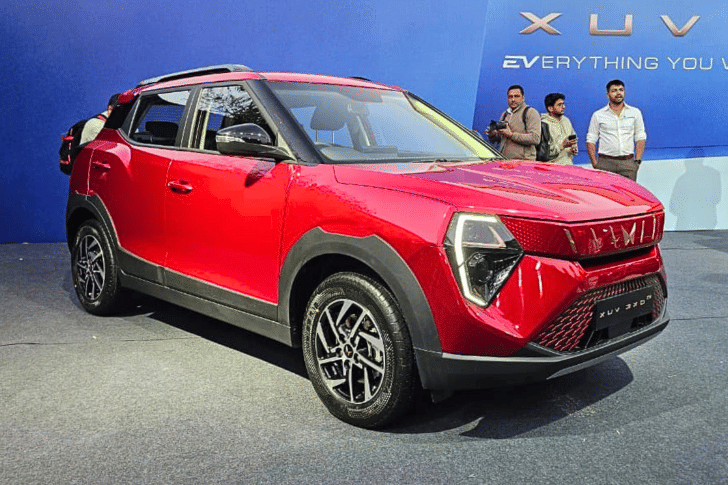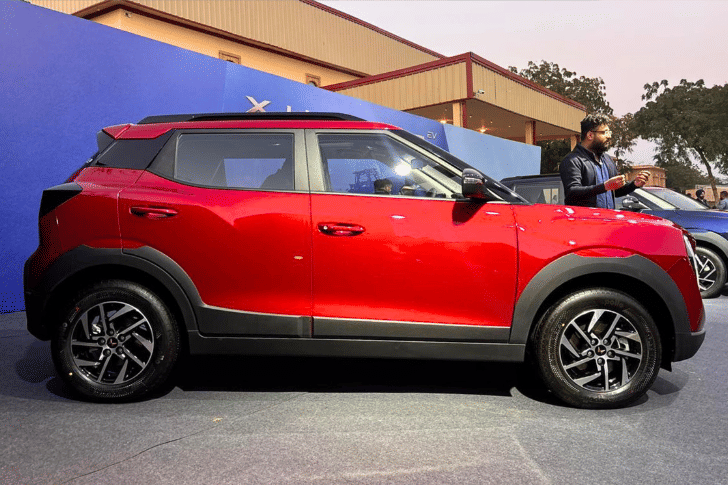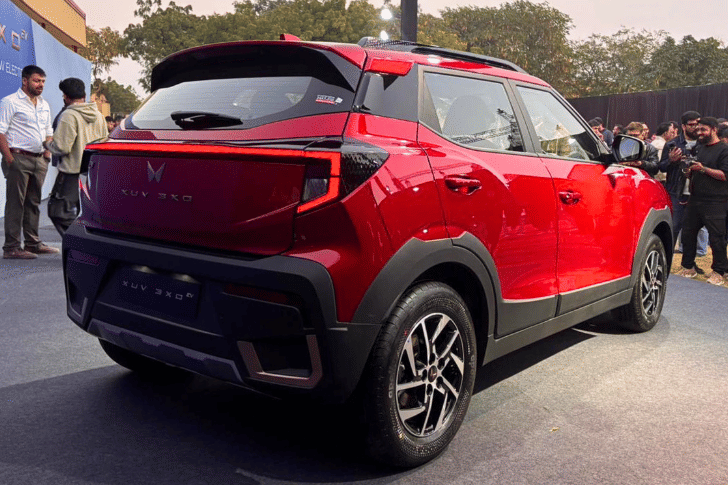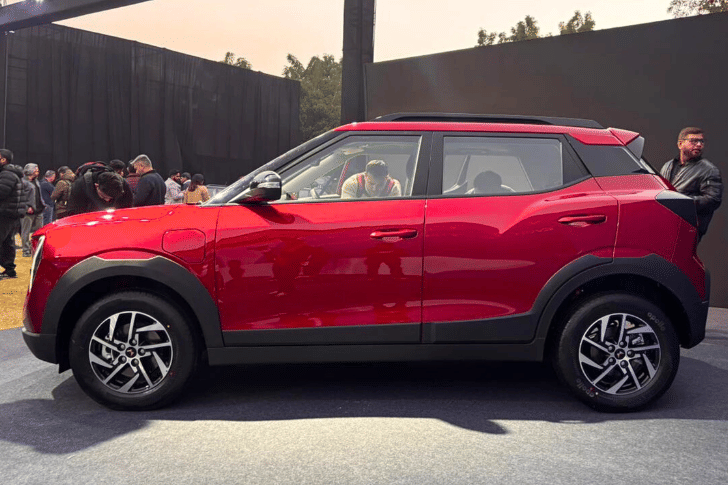



Last Updated on: 04 Sep 2026

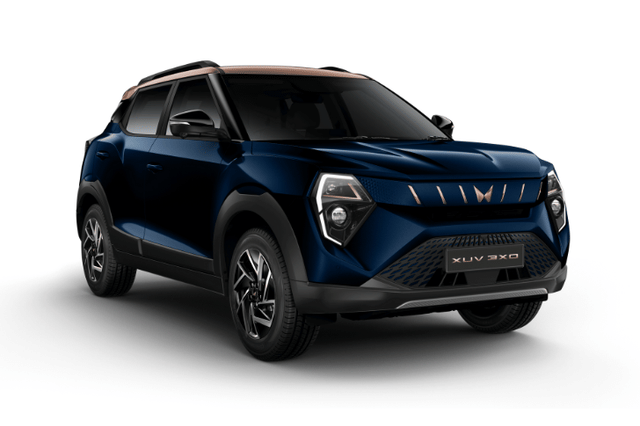
Mahindra XUV 3XO EV price in Alipurduar
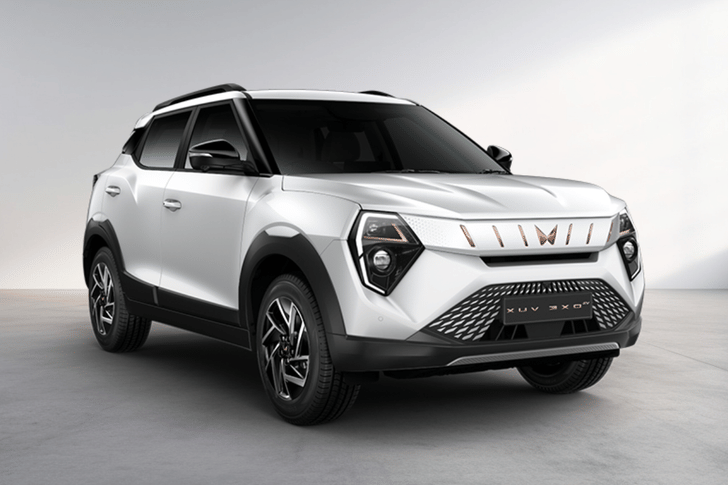
The Mahindra XUV 3XO EV on road price in Alipurduar ranges from ₹14.73 lakh for the base model to ₹15.86 lakh for the top variant (including all taxes, RTO fees, and insurance). In comparison, the ex-showroom prices in Alipurduar are between 13.89 lakh and ₹14.96 lakh.
Mahindra XUV 3XO EV price in Alipurduar
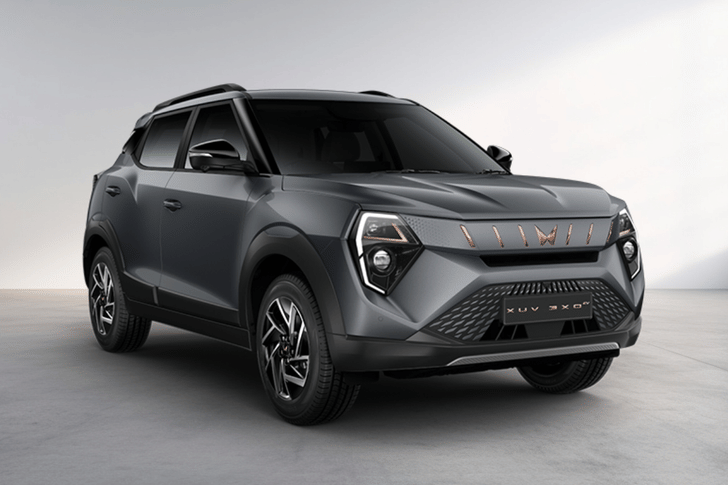
The Mahindra XUV 3XO EV on road price in Alipurduar ranges from ₹14.73 lakh for the base model to ₹15.86 lakh for the top variant (including all taxes, RTO fees, and insurance). In comparison, the ex-showroom prices in Alipurduar are between 13.89 lakh and ₹14.96 lakh.
Mahindra XUV 3XO EV On Road Price by Variants
* Estimated on-road price. Final amount may vary.
Mahindra XUV 3XO EV Booking & Test Drive - User Reviews
Tell us about your experience
Mahindra XUV 3XO EV Official Brochure
Download the complete brochure with specs, features, and variants.
Calculate your Charging cost for Mahindra XUV 3XO EV
Mahindra XUV 3XO EV Images
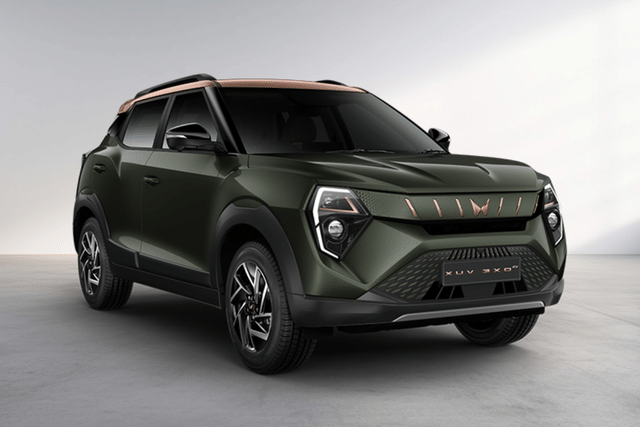
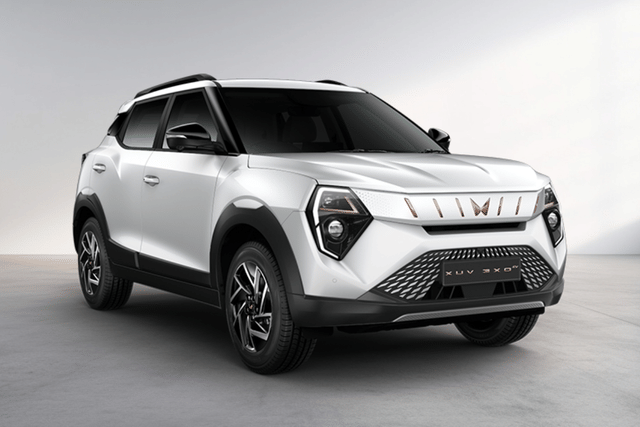
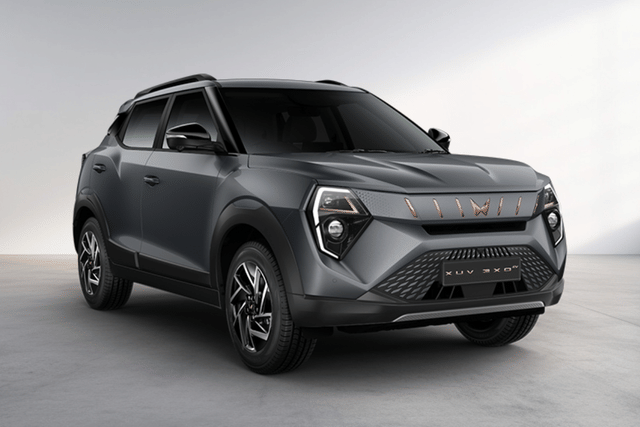
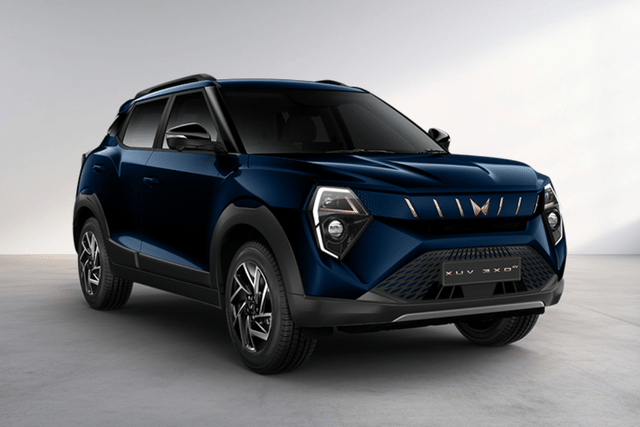
Mahindra XUV 3XO EV Colours
Mahindra XUV 3XO EV news
Mahindra XUV 3XO EV videos

Mahindra XUV 3XO EV FAQs
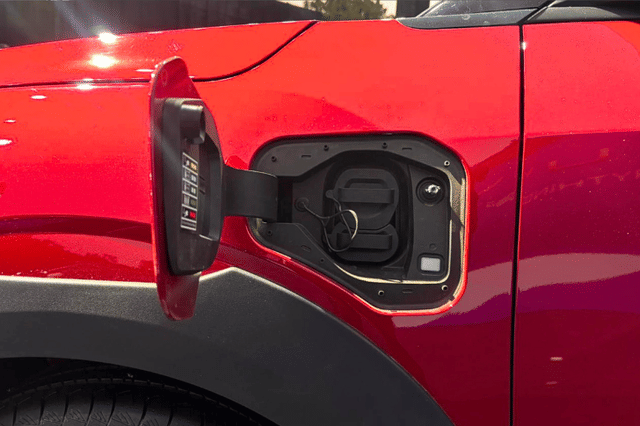
No, a fast charger is sold separately with the Mahindra XUV 3XO EV.
A 7.2kW AC charger costs an additional Rs 50,000 over the ex-showroom cost of the Mahindra XUV 3XO EV.
No, the Mahindra XUV 3XO EV is on sale with a battery rental scheme option.
Considering a 10 percent down payment and a 7 year loan tenure, the Mahindra XUV 3XO EV EMI starts at Rs 21,398.
Questions you may find useful
I am looking to buy the top-spec Punch EV, but I am willing to wait for Hyundai's upcoming compact EV if it is priced in a similar bracket. Is it worth waiting, or is the Hyundai likely to exceed the Rs 15 lakh price bracket?
Yes, it is worth waiting. Hyundai has now confirmed that its new compact EV, codenamed HE1i, will debut by the end of 2026. It will sit below the Creta Electric and compete with the Punch EV, Nexon EV, XUV 3XO EV and Syros EV. It will also get standard- and long-range versions.The interesting part for you is pricing. Current expected pricing puts the Hyundai at roughly Rs 10–14 lakh in Delhi, depending on the battery/variant, although these are still estimates and not Hyundai's official prices.So if your ceiling is around Rs 15 lakh, there is a good chance the Hyundai will fit, including a higher-spec version. It should also be more spacious and better suited to your requirements than the Punch EV.
Hi, I am planning to buy the XUV 3XO EV AX7L but am a little confused, as many people are saying that it uses an older NMC battery pack. I am also considering the Tata Punch EV top-spec variant, but overall, I prefer the XUV 3XO EV. Please suggest which one would be a better choice and also explain the NMC battery technology.
The NMC battery chemistry is not a reason to avoid the car. NMC (Nickel Manganese Cobalt) batteries are widely used in EVs and are proven technology here in India and globally. They offer good energy density and performance, but need proper thermal management, which is what every manufacturer, including Mahindra, has engineered the battery pack for. The concerns around NMC are often overstated – the key is how the battery is managed, not just the chemistry. The Mahindra XUV 3XO EV is also a more spacious car and offers better performance; however, the overall powertrain calibration in terms of throttle response, easy drivability and power efficiency is better in the Tata Punch EV. So, keeping that in mind, if you are ok with the smaller size, we would lean towards the Punch EV. A good alternative would be the Kia Syros EV, which will offer you a very well calibrated and tuned powertrain, excellent reliability and a lot of interior space too.
After going through all the reviews and discussions, I have shortlisted the Tata Nexon EV Empowered 45 and the Mahindra XUV 3XO EV AX7L. Please suggest which one would be the better choice.
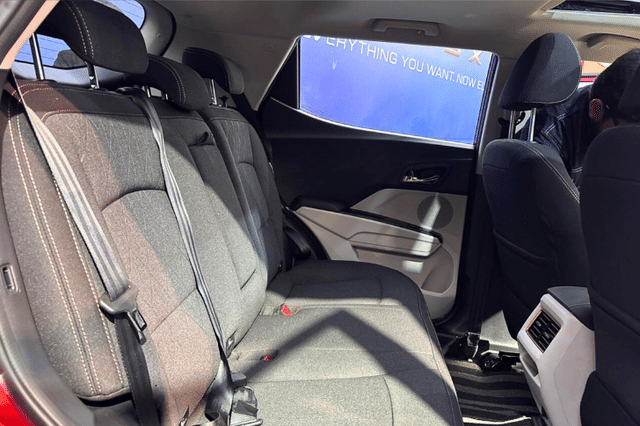
Go for the Mahindra XUV 3XO EV AX7L. The Tata Nexon Empowered 45 is a strong product, but the XUV 3XO EV is the better all-rounder. It is the more spacious car, with a wider rear seat and a more comfortable cabin for five passengers. The ride quality is also better, and the car feels more premium overall. The Tata car mentioned above is still a good choice, but the XUV 3XO EV is the more complete package.
I am currently using a 2024 VW Virtus 1.5 GT (electric seats variant) and have completed 16,000 km. My current monthly running is around 1,000 km, mostly in the city. Should I continue with this car or switch to an EV? My Virtus has an online resale value of around Rs. 14 lakh, and I do not want to spend more than Rs. 3-4 lakh over its resale value. Please suggest whether I should buy an EV within this budget or continue with the Virtus.
If you enjoy driving, we'd recommend you stick with your Volkswagen Virtus 1.5 GT. At 16,000km and a 1,000km/month usage pattern, mostly in the city, the car is still relatively new and well within its prime ownership window. The 1.5 TSI is a strong, efficient engine and the Virtus is a genuinely enjoyable car to drive, especially in urban conditions where its size and performance are well suited. Your budget of Rs 14 lakh resale plus Rs 3-4 lakh extra puts you in the Rs 17-18 lakh range, which limits your electric car options to models like the Tata Nexon EV, Mahindra XUV 3XO EV, MG Windsor and Kia Syros EV. While these are competent cars, they will not feel like a meaningful upgrade over the Virtus in terms of overall ownership experience. The financial case for switching to an EV at this stage is also weak given the depreciation hit you would take on a nearly new car. Unless you have a strong desire to go electric, it makes more sense to continue with the Virtus for a few more years and revisit the EV decision when your usage pattern or the EV market justifies it.
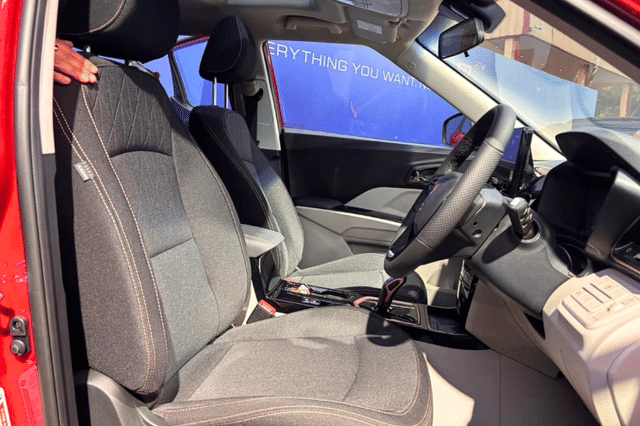
Hi, I am planning to buy an electric vehicle and am considering the Mahindra XUV 3XO EV. Since it offers more cabin space and a taller seating position than the Tata Nexon EV, it seems like a better fit for my needs. What are your thoughts on the XUV 3XO EV? Would you recommend it over the Tata Nexon EV?
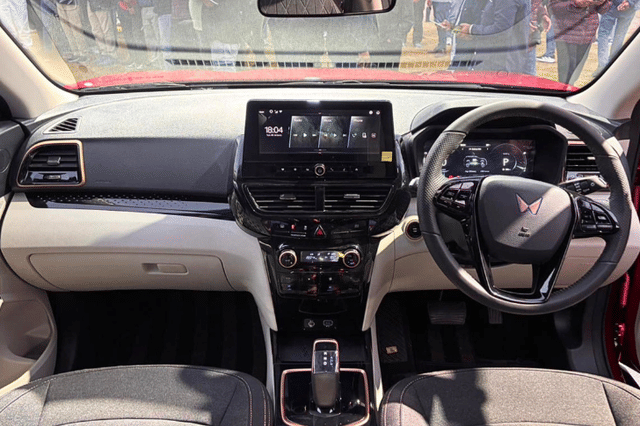
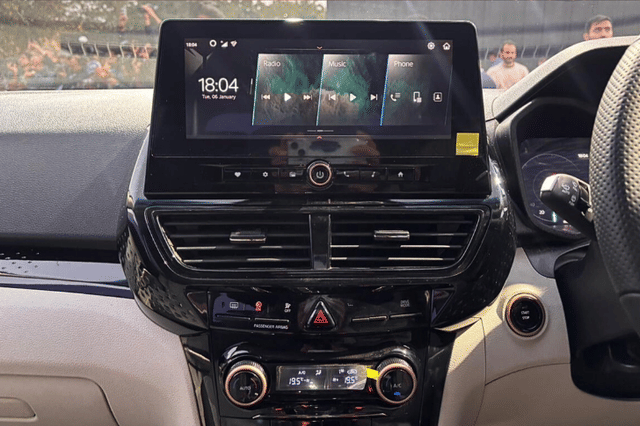
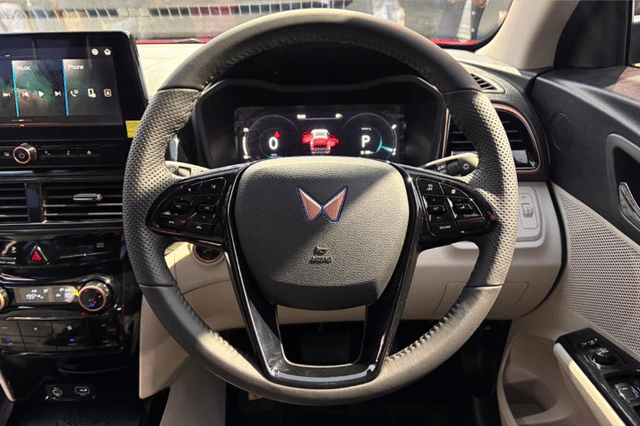
The Mahindra XUV 3XO EV does have a roomier cabin and benefits from the latest 3XO interior, improved ergonomics and a long features list. However, underneath, it is essentially a facelifted XUV400. It carries over the same 39.4kWh battery pack, 150hp motor and front-wheel-drive powertrain, rather than using Mahindra's newer INGLO architecture seen on the BE 6 and XEV 9e. Mahindra itself positions it as the replacement for the XUV400.That means you're buying a car with a much-improved body and cabin, but not an all-new EV platform. The battery size and real-world range also lag behind some newer rivals, so while performance remains strong, the underlying technology doesn't move the segment forward.If your choice is strictly between the XUV 3XO EV and the Tata Nexon EV, we'd still lean towards the Nexon EV. This Tata car benefits from a more modern dedicated EV architecture, offers larger battery options, longer range and has matured into a well-rounded package over successive updates. The XUV 3XO EV's biggest advantage is its more spacious cabin, but that alone isn't enough to outweigh the Nexon's more contemporary electric underpinnings.If you're open to looking beyond these two, the MG Windsor EV remains our top recommendation in this price bracket. It feels like a segment above in terms of cabin space, comfort and overall value, making it the most compelling family electric car unless your requirement is for a more compact SUV.
Upcoming Cars


Mahindra Cars


Trending Cars


Latest Cars