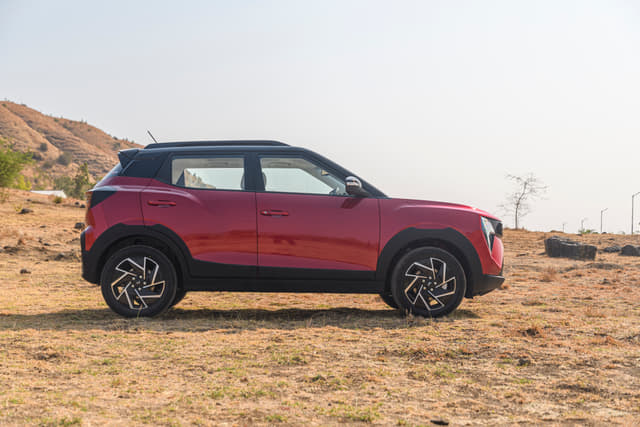
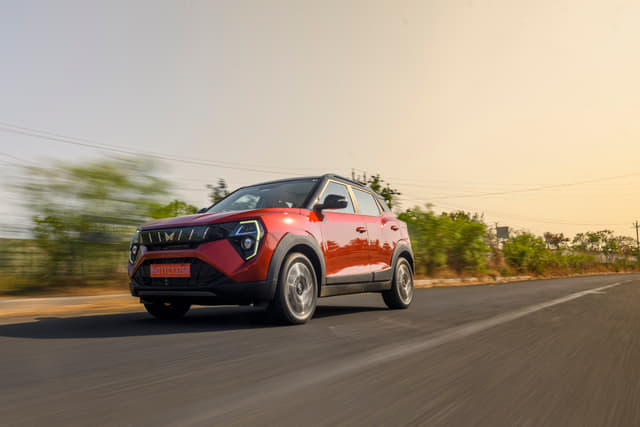
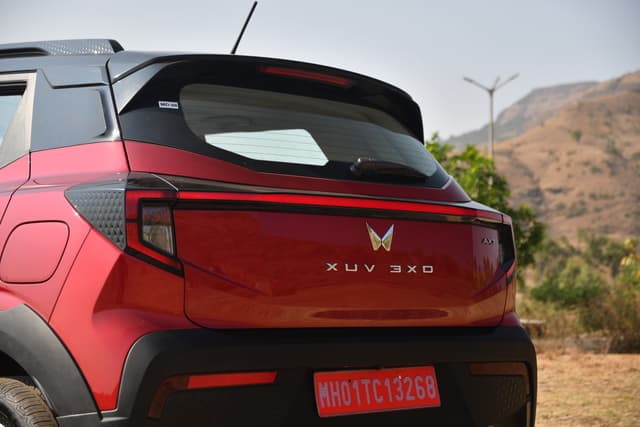
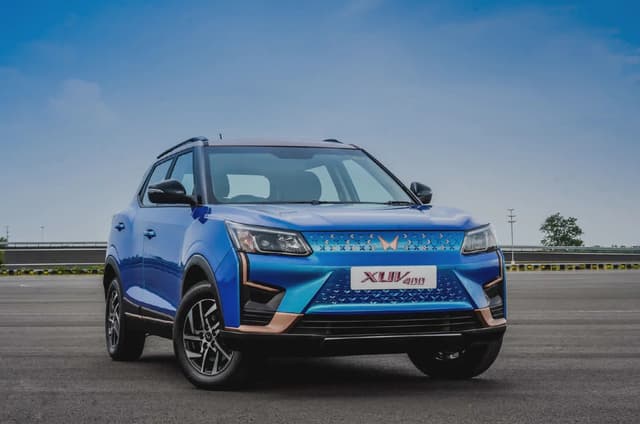
Mahindra cars in India (20)
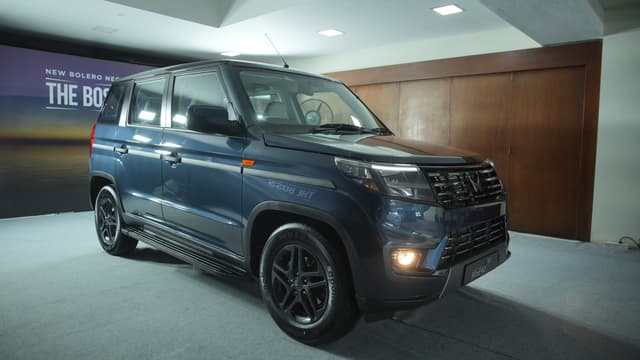
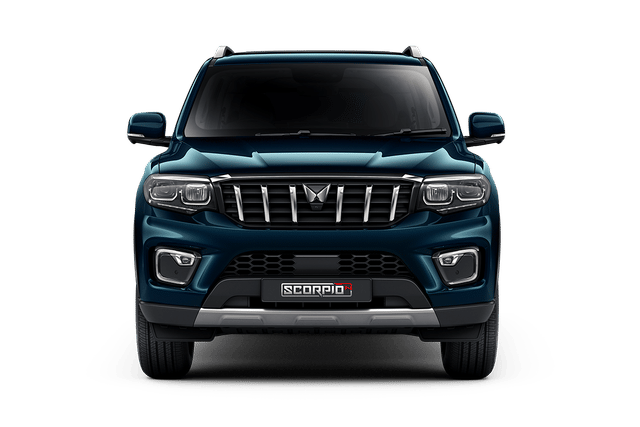
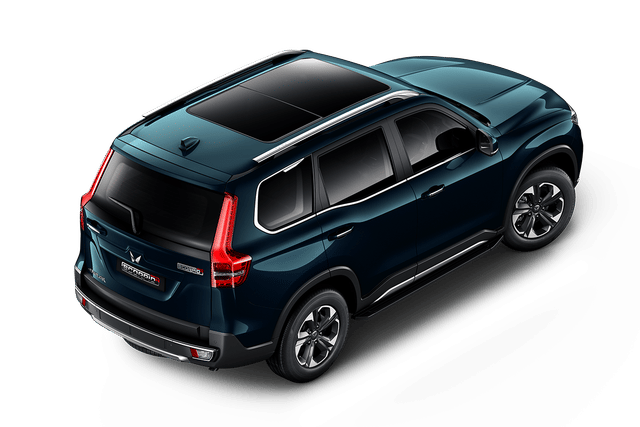
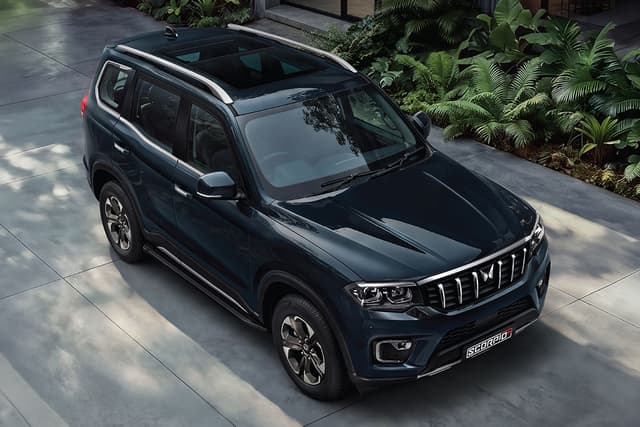
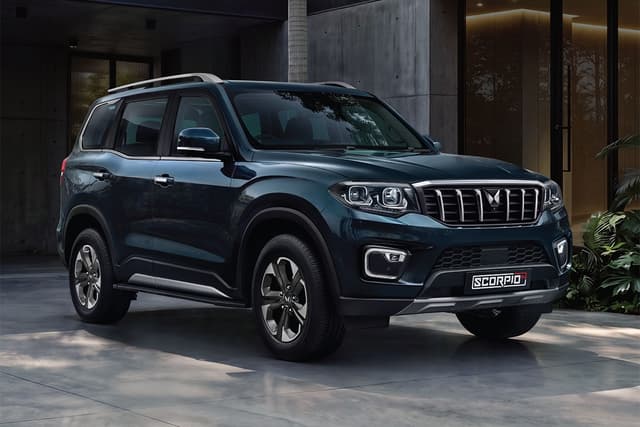
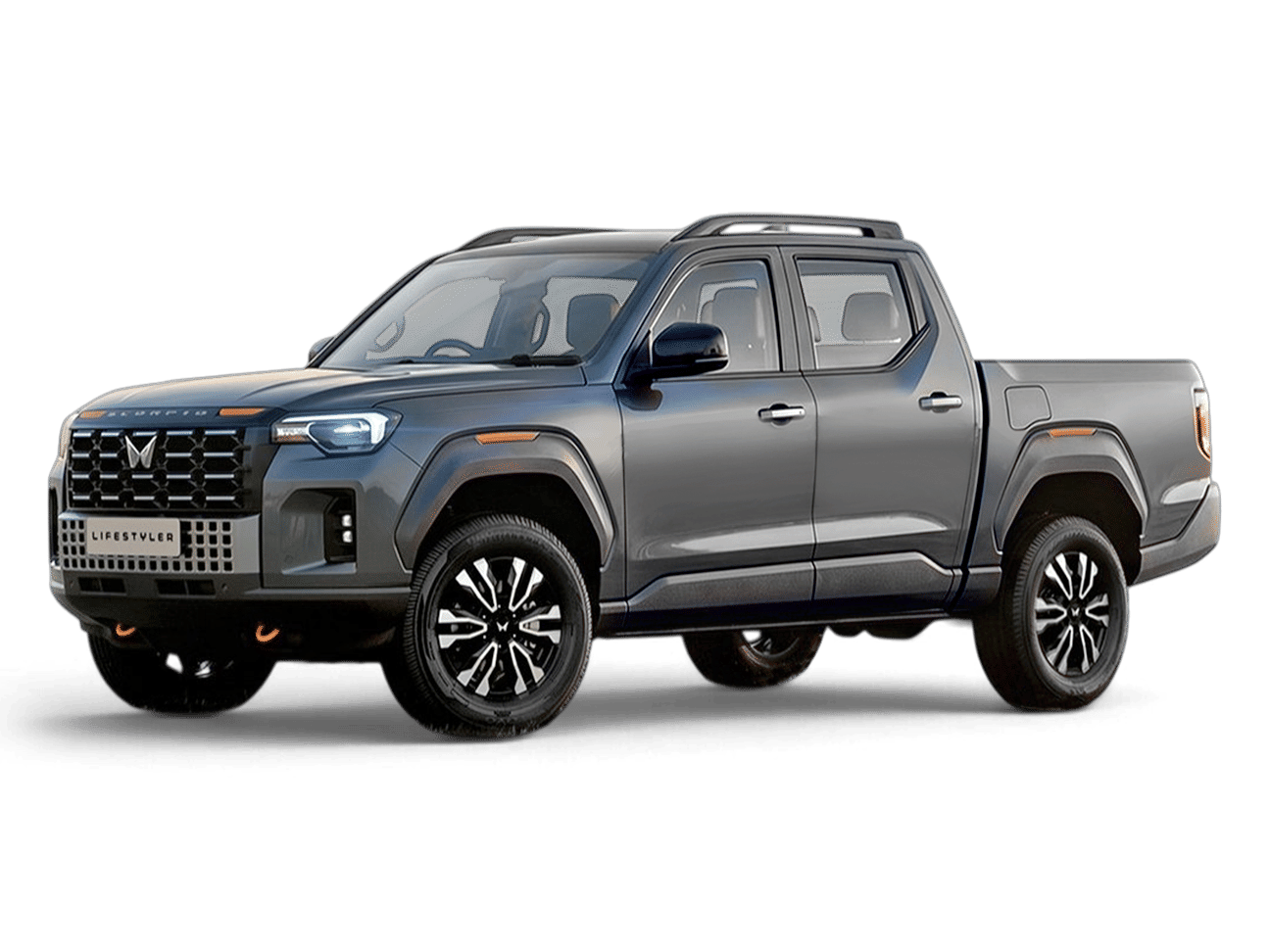
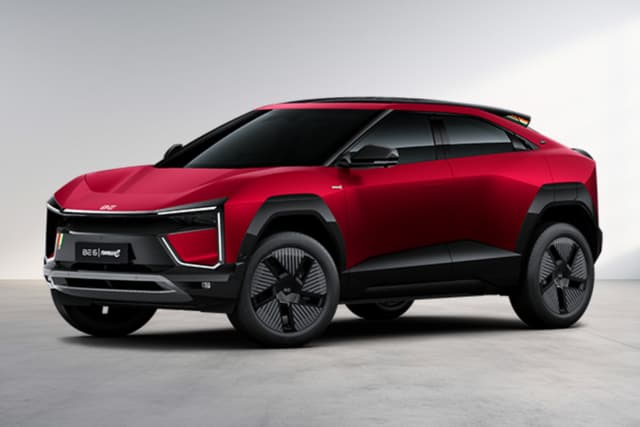
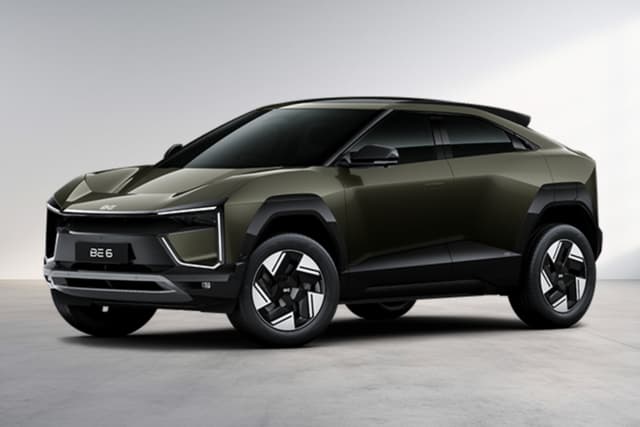
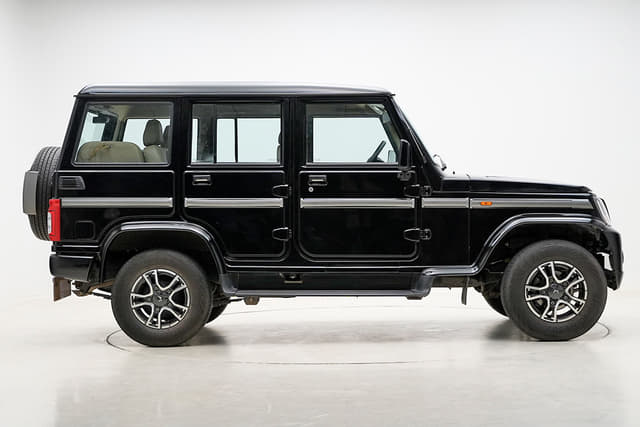
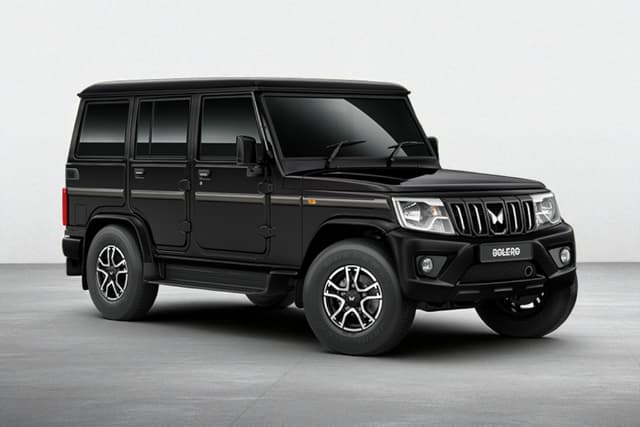
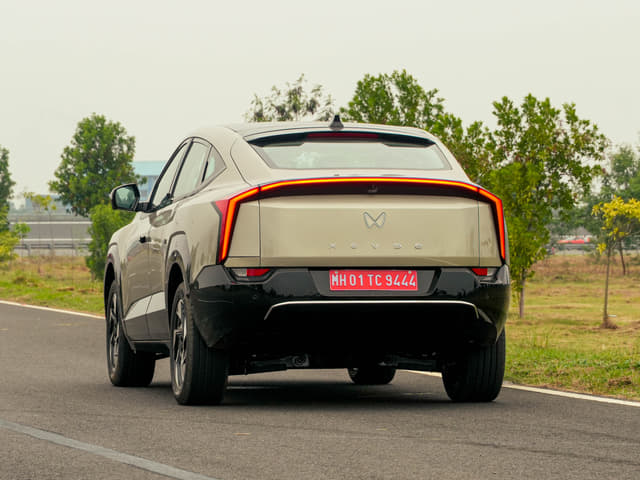
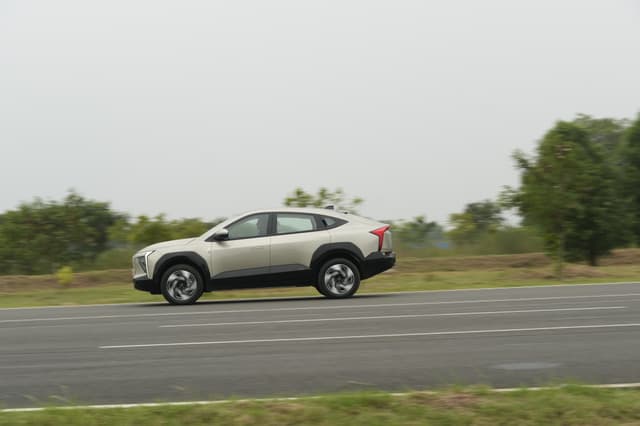
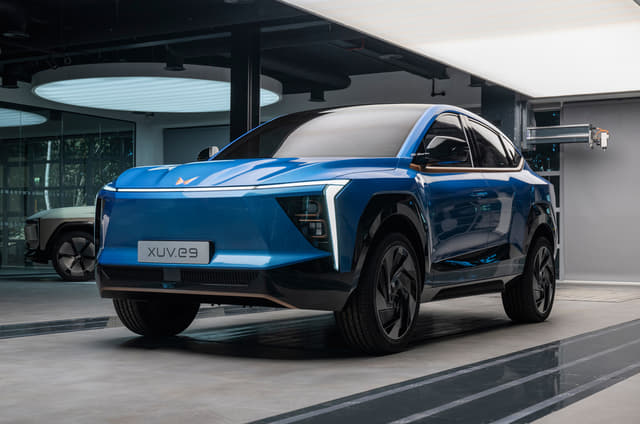
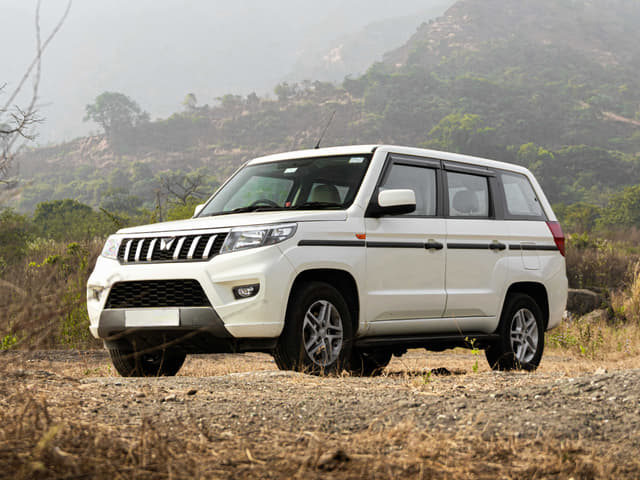
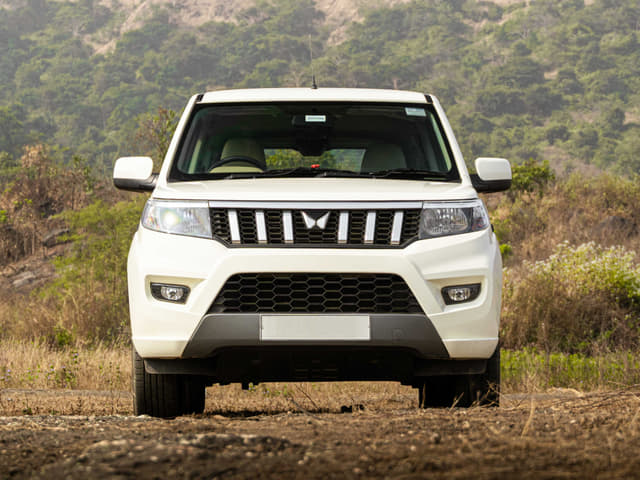
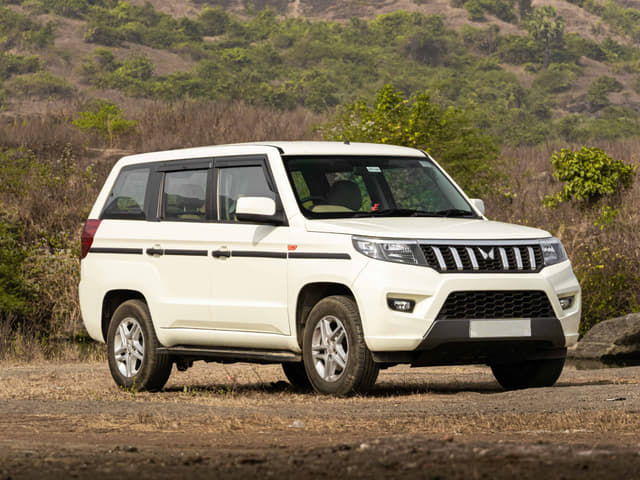
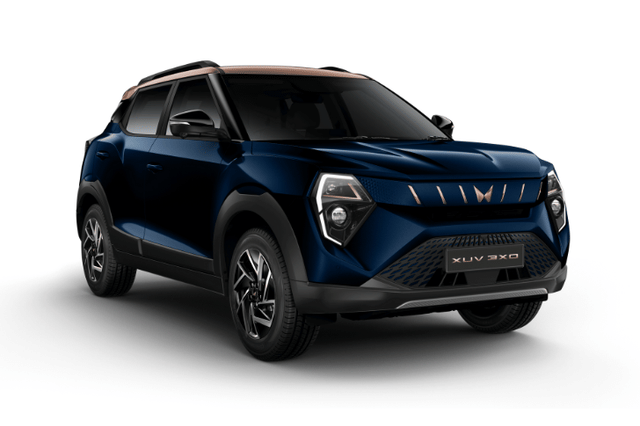
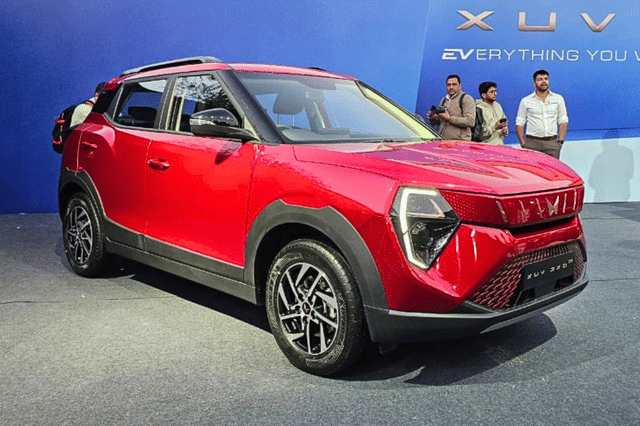
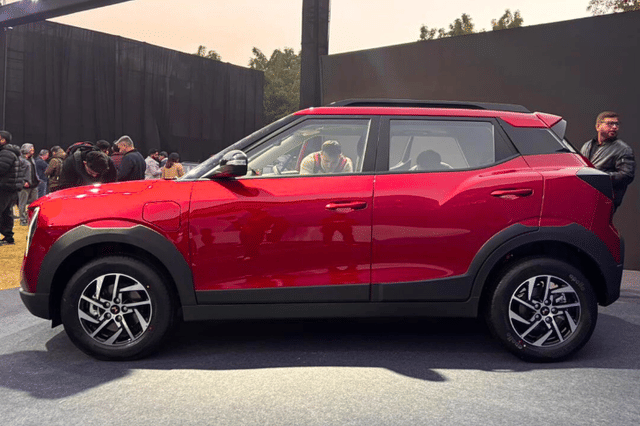
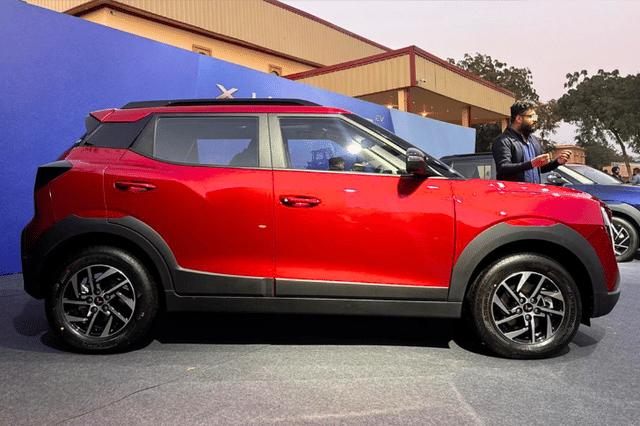
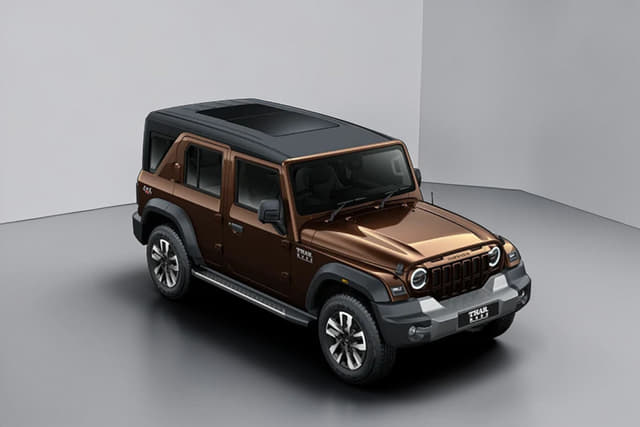
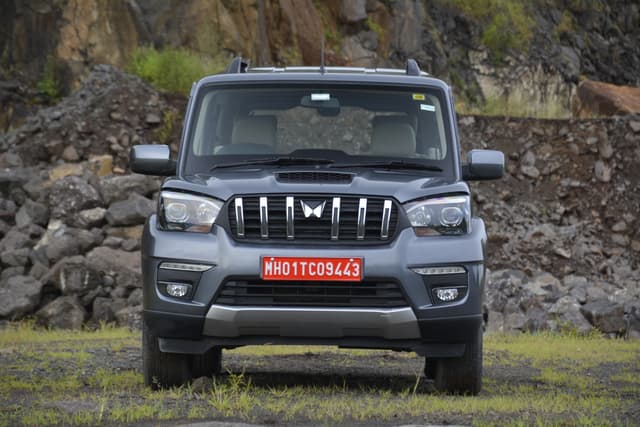
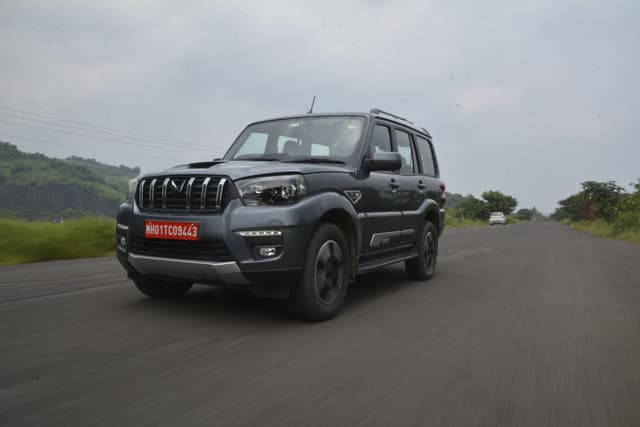
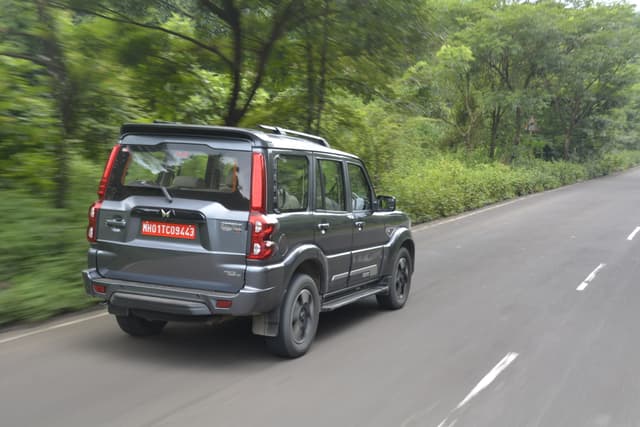
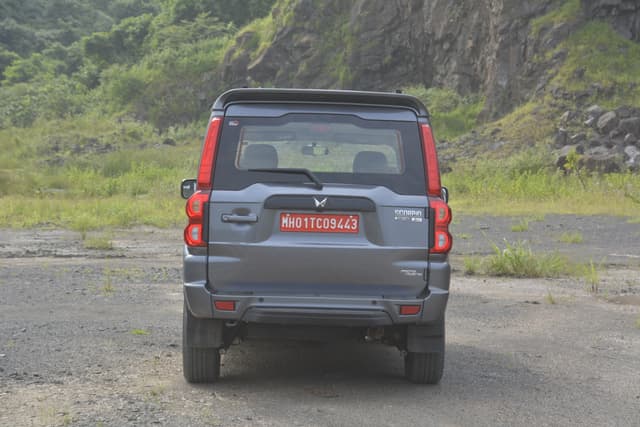
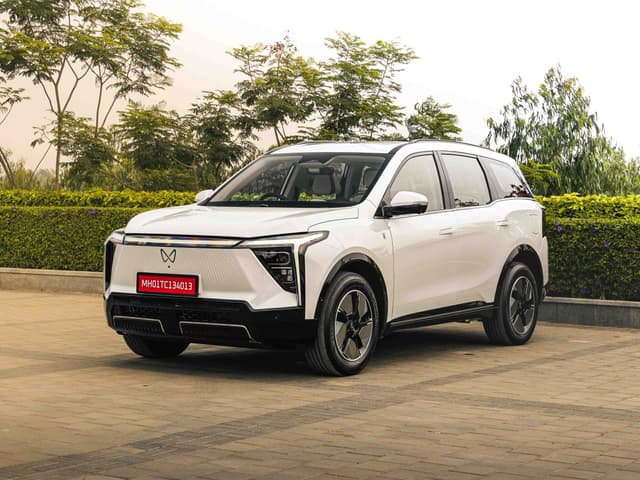
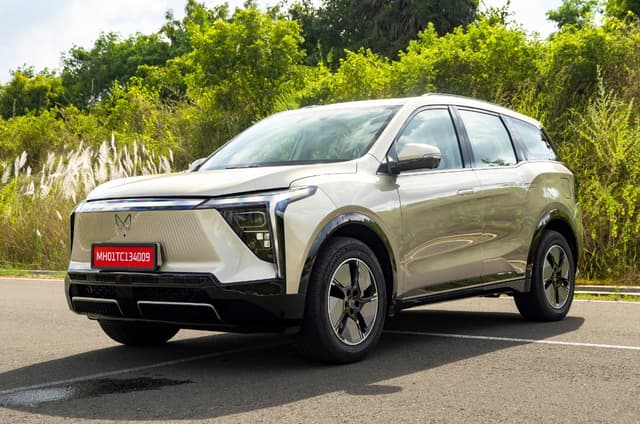
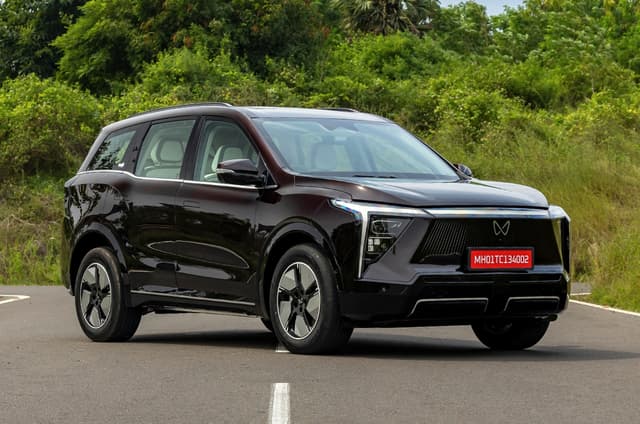
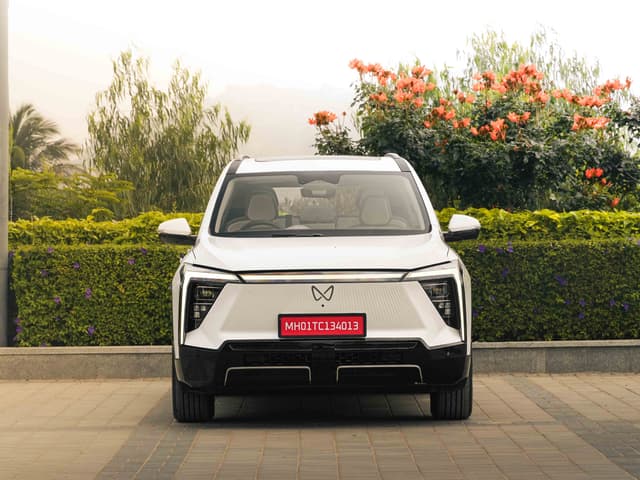
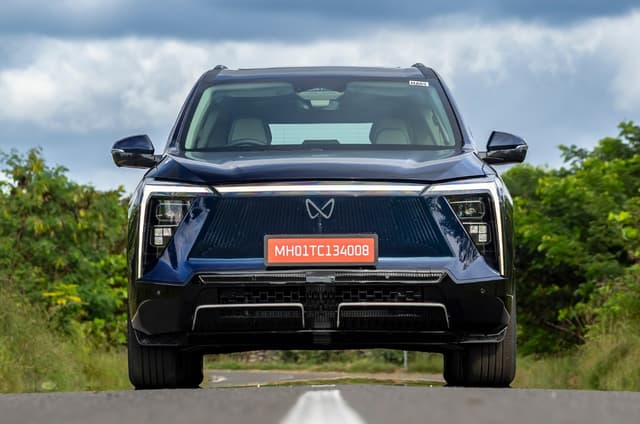
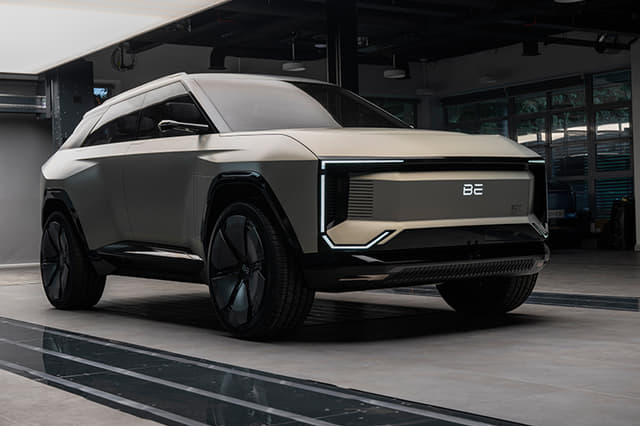
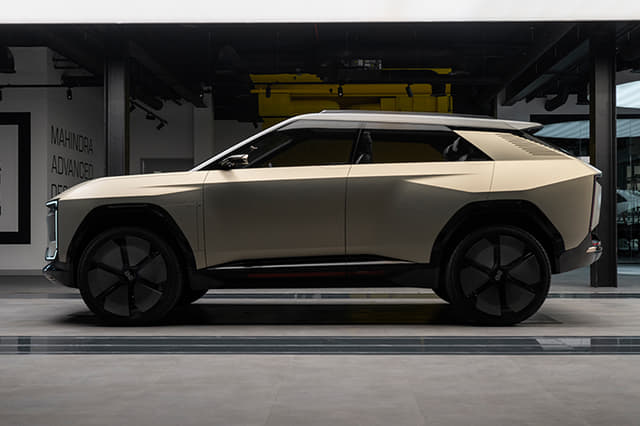
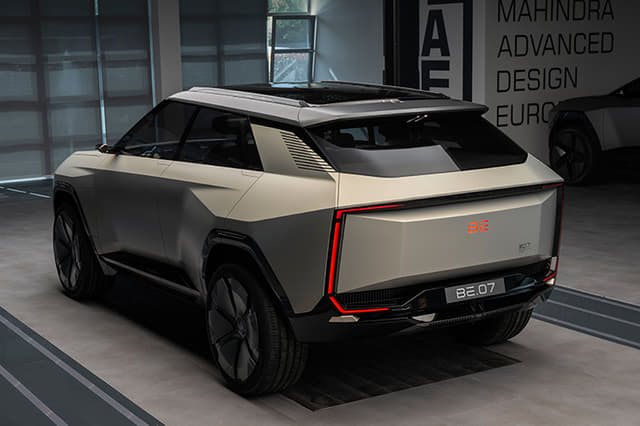
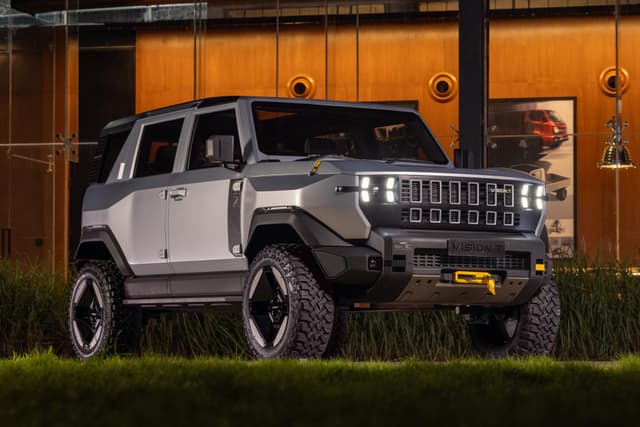
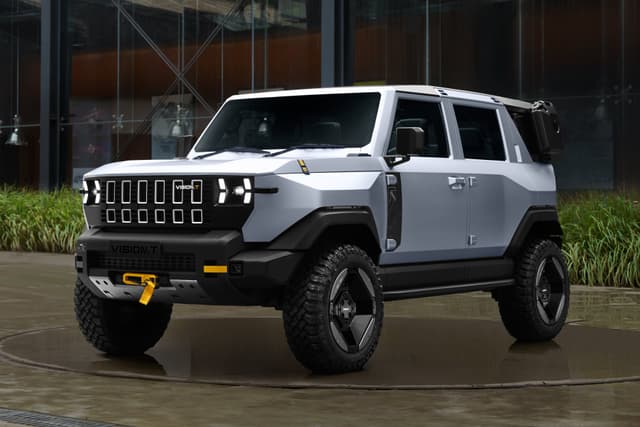
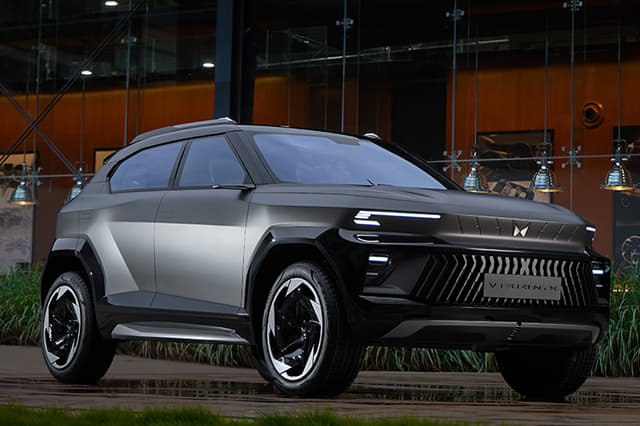
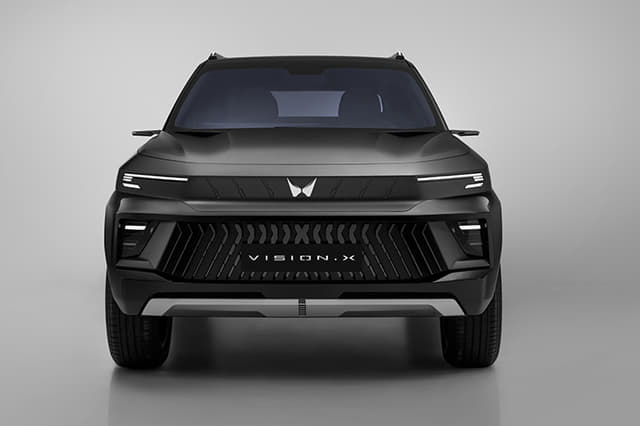
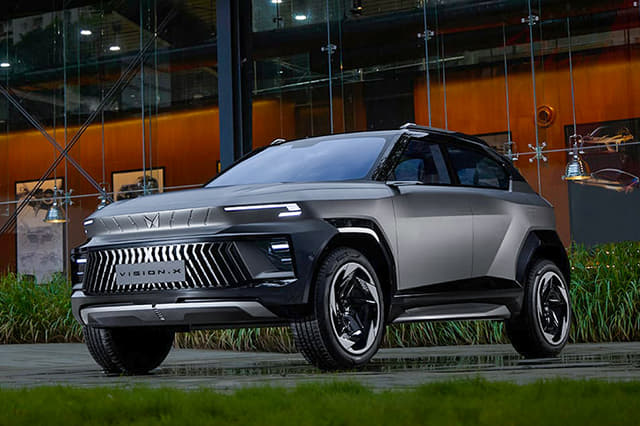
Initially a steel trading firm founded by brothers Kailash and Jagdish Mahindra, along with Malik Ghulam Muhammad in October 1945, Mahindra officially began its automotive journey in 1949. This was followed by the assembly of the brand’s first contracted Jeep CJ series for the Indian military. Mahindra’s entire line-up currently consists of utility models that primarily include SUVs and pickup trucks, with petrol, diesel and fully electric powertrain options.


Filter your search


Filter your search
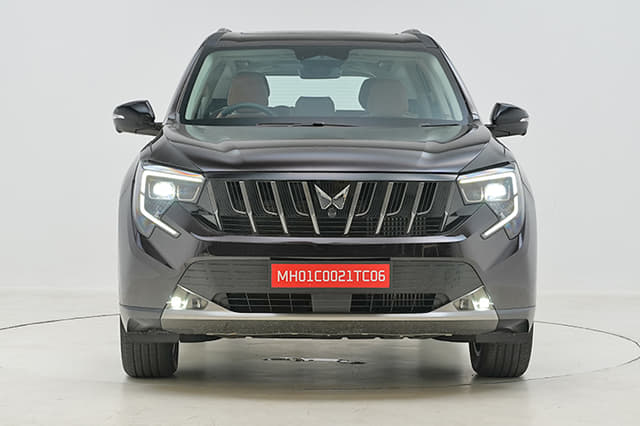

Find cars by fuel type
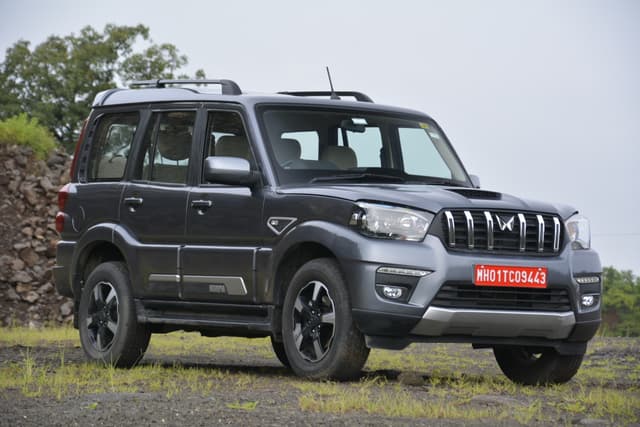


Find cars by transmission
Find cars by transmission


Mahindra Cars - FAQs
While Mahindra's legacy is rooted in SUVs and farm equipment like tractors, the company launched the Logan sedan in April 2007 as a joint venture with Renault. This was followed by the Verito and Verito Vibe hatchback a few years later.
Only a handful of Mahindra's body-on-frame SUVs come equipped with old-school mechanical four-wheel drive systems with a low-ratio transfer case and a locking differential.
While new Tata SUVs are all based on monocoque platforms, select Mahindra models are still available with rugged body-on-frame architecture for those who wish to go off-roading regularly without worrying about accidental structural damage.
Trending Questions on Mahindra Cars - Answered by Autocar Experts
I am planning to buy a 7-seater car. My daily running is approximately 15-20 km, with occasional trips of 60-70 km once a week. I have shortlisted two cars based on my preferences: the Innova Hycross and XUV 7XO. I am confused between the two. Which one would be the best for my requirements, and which fuel option should I choose?
Go for the Toyota Innova Hycross strong hybrid. With your daily running of 15-20 km and occasional 60-70 km trips, a diesel does not make financial sense, and the hybrid will give you significantly better fuel efficiency in city driving than petrol. The Hycross is also the more comfortable and spacious 7-seater, with a proven Toyota ownership experience and lower long-term maintenance costs. The XUV 7XO is the better driver's car, offers more features and has a more premium cabin, but for your usage pattern, the Hycross strong hybrid is the more sensible and hassle-free choice.
My budget is under Rs. 14.5 lakh. I can get an automatic variant in the sub-4-metre segment, while in the above-4-metre segment, I would have to choose a manual, such as the Duster, Tekton or Seltos. Which one should I buy? I mostly travel within the city, but I prefer above-4-metre SUVs. Could you please suggest the better pick for my requirements?
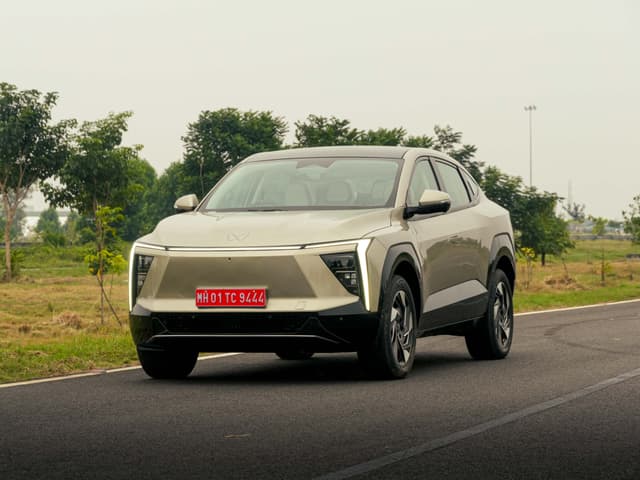
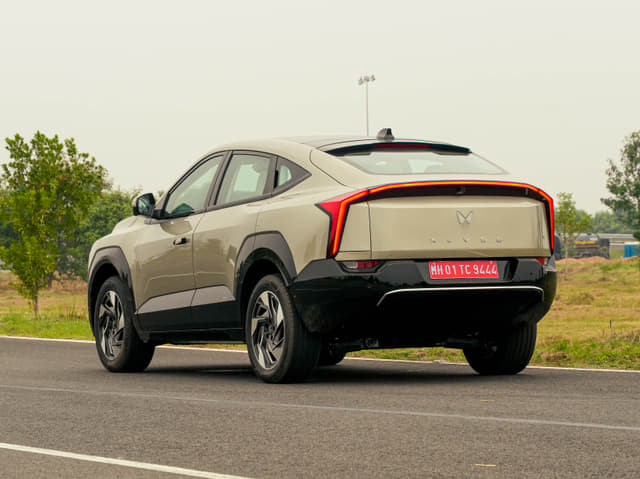
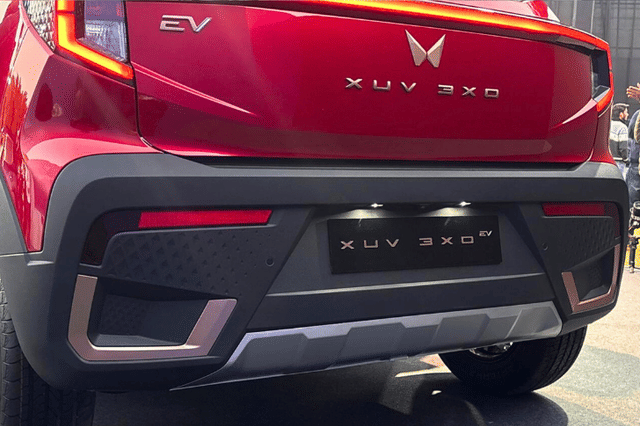
Go for the Mahindra XUV 3XO automatic. Your usage is mostly city driving, and in that environment an automatic gearbox makes a huge difference to daily comfort and convenience. This Mahindra car is one of the most spacious and comfortable sub-4m SUVs, with a wide cabin that makes it a genuinely good family car. It also offers strong performance, good safety credentials and a well-rounded ownership experience.While the Duster, Tekton and Seltos are all excellent above-4m SUVs, at your budget you are limited to manual variants. Given your city usage, the lack of an automatic would quickly become a compromise you notice every day. The 3XO automatic is a better fit for your needs than a larger manual SUV.If you are absolutely set on an above-4m SUV, the Honda Elevate might be worth considering. Since a facelift is just around the corner, you will get good discounts on the current version and may even find an automatic version in your budget. The Elevate has great ride comfort and is reliable too, but it isn't the most feature-rich or the most premium SUV in the segment.Overall, the 3XO automatic is the more sensible and satisfying choice for your usage.
Hi Team, I am confused between the Mahindra XUV 7XO diesel AX7T and Tata Harrier EV Fearless Plus. My concern is that diesel vehicles may be phased out sooner, which could affect diesel engines in general. Since there is no proper hybrid vehicle in this segment and reliability concerns around EVs in India are causing some uncertainty, I am a bit unsure. Any advice would be appreciated.
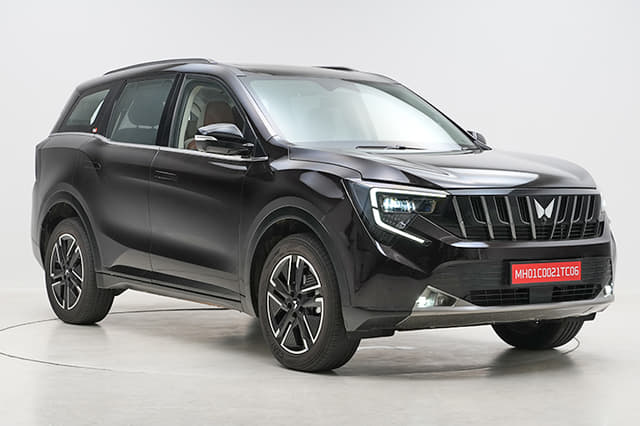
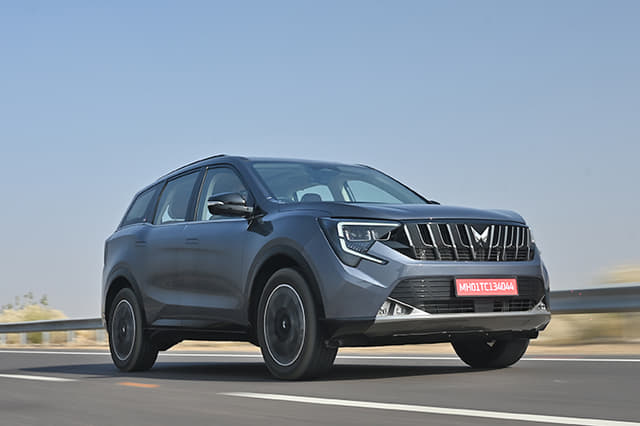
First, a quick clarification: diesels are unlikely to be phased out anytime soon. There are tighter emissions norms and some city-specific restrictions to keep an eye on, but there is no immediate reason to avoid a modern BS6 diesel purely on the assumption that it will soon become unusable. Mahindra, in particular, is likely to continue offering diesel SUVs for as long as there is meaningful demand. The XUV 7XO AX7T’s 2.2-litre diesel remains a strong fit for frequent highway use, long-distance touring, heavy loads and buyers who value effortless torque and quick refuelling.Your EV reliability concern is understandable, but it should not be a deciding negative by itself. An electric car has fewer mechanical moving parts than an ICE vehicle, which can reduce routine powertrain maintenance requirements. The more relevant question is whether your charging situation and typical driving pattern suit one. If you have dependable home or workplace charging, the Harrier EV makes a compelling case with its quieter, smoother driving experience and substantially lower running costs. The Fearless+ gets a 65kWh battery with a claimed 538km range, while 75kWh versions claim up to 627km, though real-world range will naturally be lower and depend on speed, weather and driving style.If you do regular intercity runs, especially in areas where charging stops may be inconvenient, the Mahindra XUV 7XO diesel is still the easier all-round ownership proposition. It is also likely to be the better choice if you plan to keep the car for a long time without changing your travel routine.If a hybrid is what you are after, there are now two relevant options. The MG Hector Tomahawk PHEV offers a useful EV-only range of around 100km, backed by a 1.5-litre petrol engine. However, a plug-in hybrid only makes sense if you can charge it regularly. The Kia Sorento is a conventional strong hybrid, so it does not need external charging and should offer better refinement and economy than a regular petrol SUV. It is, however, considerably more expensive than the XUV 7XOOur advice: Choose the Harrier EV if you have home charging and most of your running is urban or predictable. Choose the XUV 7XO diesel if long highway trips and maximum convenience matter more.
I am planning to buy a car in the Rs 15 lakh price range. Kindly suggest which one I should buy. I prefer a manual and want a powerful driving experience.
Go for the XUV 3XO AX7 T-GDI manual. You get the most powerful petrol engine in the segment, which is a 1.2-litre direct-injection turbo petrol with 131hp and 230Nm of torque. It does 0-100kph in around 11 seconds. More than just the numbers, however, this engine pulls strongly and works well with its 6-speed manual gearbox.The Mahindra XUV 3XO is a solid feeling compact SUV with a spacious cabin, and in your budget of Rs 15 lakh, you can get the fully loaded AX7 variant that comes with a lot of features too.
Hi team Autocar, my usage is 16 km which includes 3 days a week on outer ring road in Bangalore. I take a maximum of 2-3 highway trips in a month around Bangalore. I have shortlisted Kylaq AT which I found peppy enough and has less turbo lag as well as XUV 3XO at that has noticable turbo lag. I am leaning more towards Kylaq but I am a little concerned about its AC performance, higher maintenance that may occur after warranty, EPC error and vehicle going into limp mode and being stalled in the middle of the highway. Do these issues happen in Mahindra as well? Do you think one should choose 3XO over Kylaq. What's your take on this?
Both cars would suit your requirements well -16-18km, 3 days a week on Bangalore’s Outer Ring Road plus a couple of highway trips a month - so you can't really go wrong with either car. On your concerns: the Kylaq’s AC is adequate for Bangalore conditions. The higher maintenance cost post-warranty is a valid consideration, but it is not dramatically higher than Mahindra if you maintain the car properly and stick to authorised service. EPC errors and limp mode are not widespread issues on the Kylaq; they are rare and usually resolved under warranty. The 3XO is not immune to reliability issues either, so it should not be the deciding factor.Between the two, if you want a more nimble and fun to drive car opt for the Kylaq and if rear seat space is important go with the 3XO.
Last Updated on: 15 Sept 2026