

Last Updated on: 06 Jan 2026
Hyundai Creta Electric price in Deeg
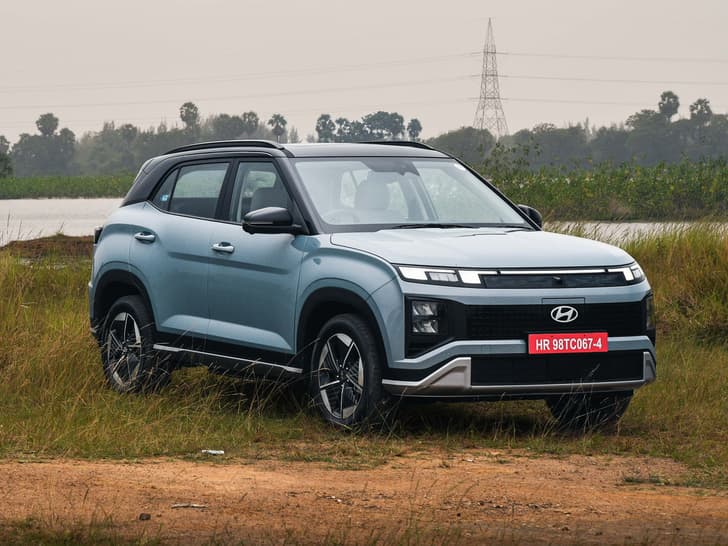
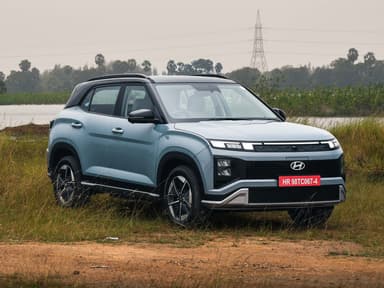
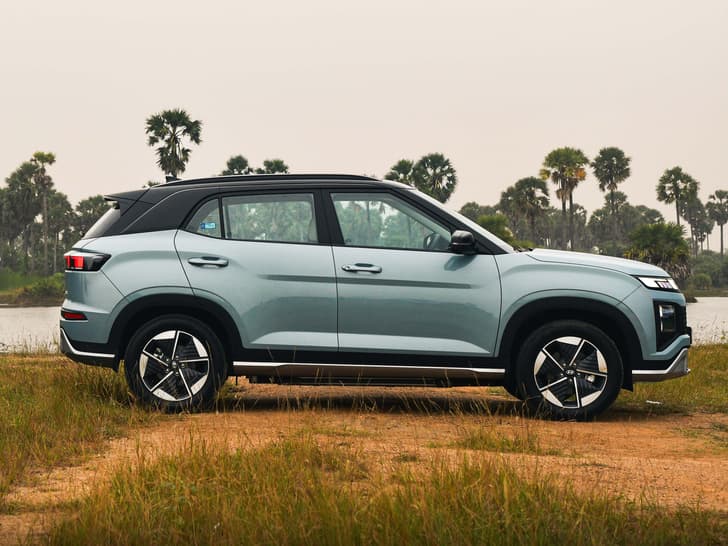
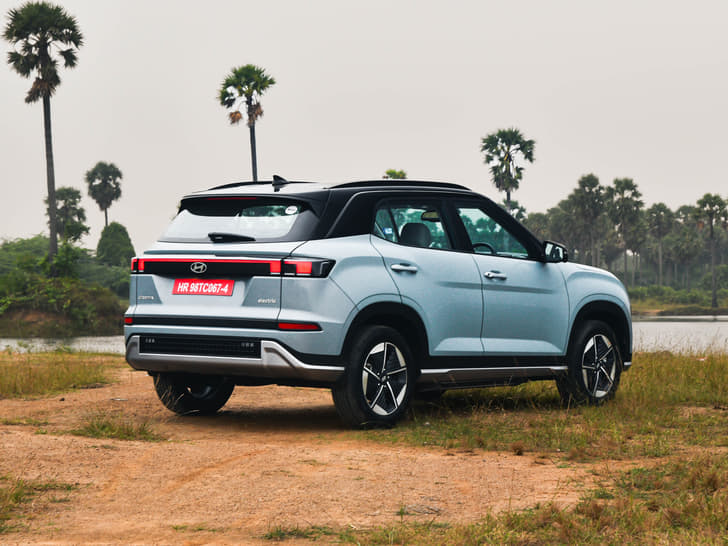
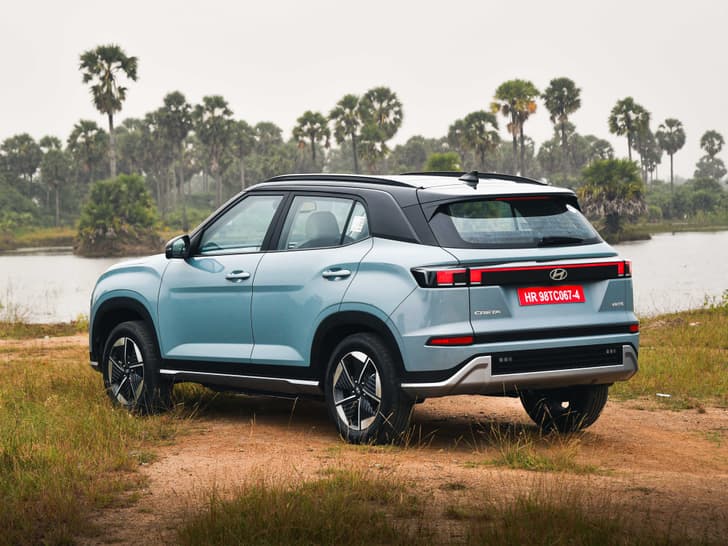
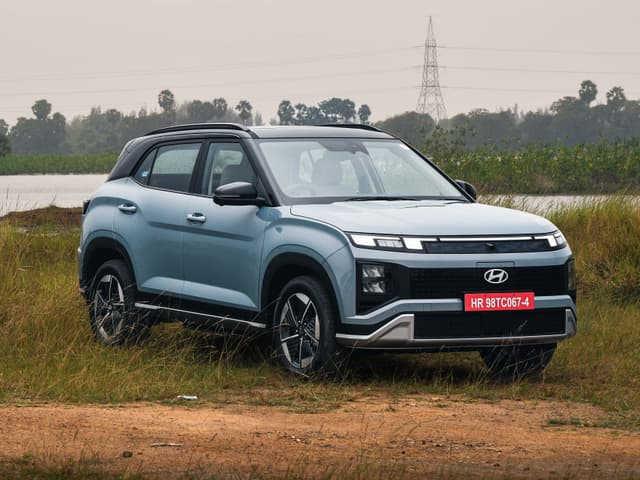
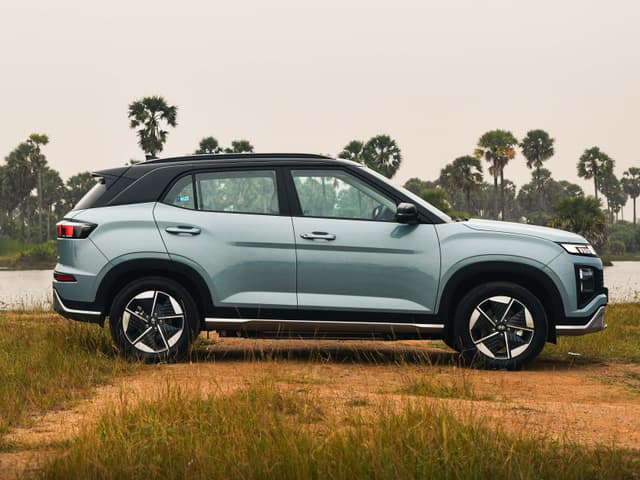
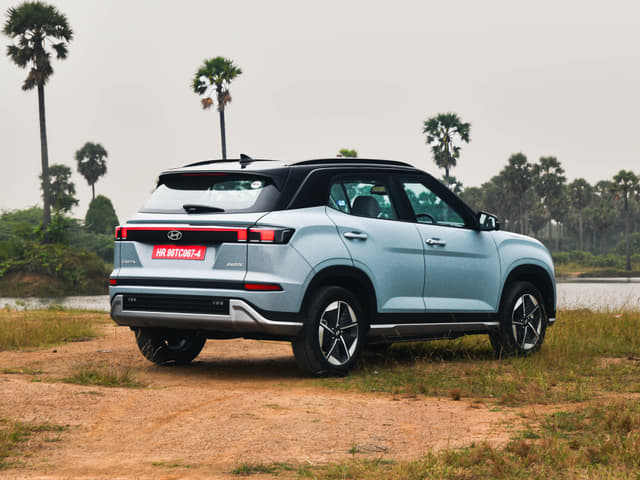
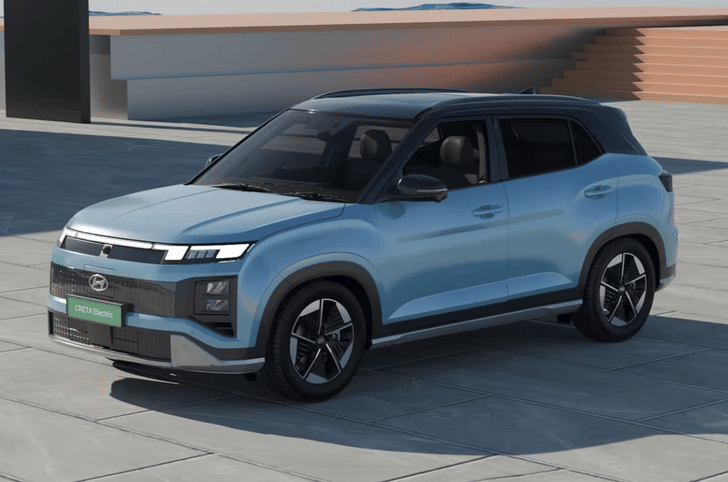
The on road price of the Hyundai Creta Electric in Deeg ranges from Rs19.08 lakh for the base model to about Rs25.28 lakh for the top variant (including all taxes, RTO fees, and insurance). In comparison, the ex-showroom prices in Deeg starts from Rs18.02 lakh to Rs23.82 lakh.
Check the Hyundai Creta Electric on road price of all variants in Deeg in the table below:
Hyundai Creta Electric price & variants
Price of Hyundai Creta Electric alternatives
Hyundai Creta Electric news
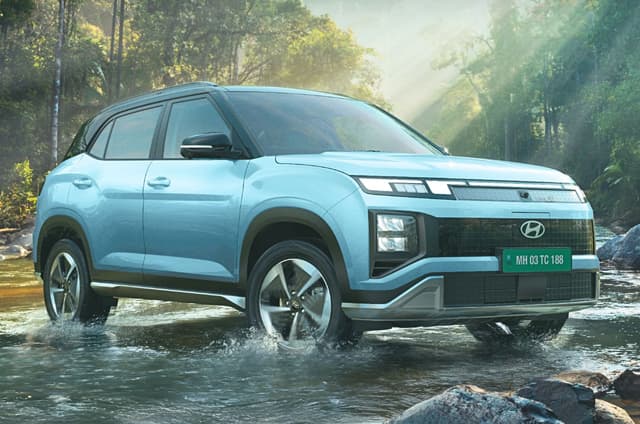
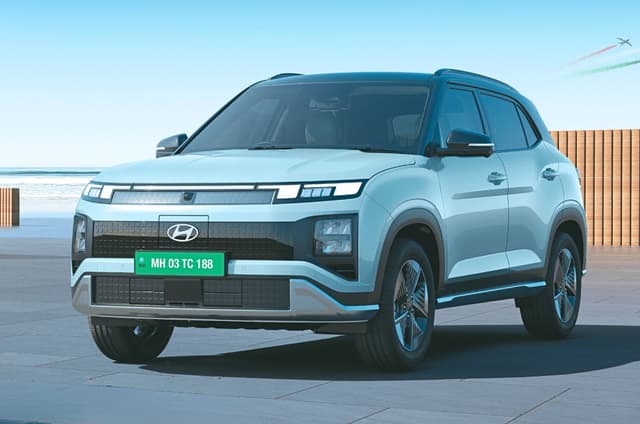
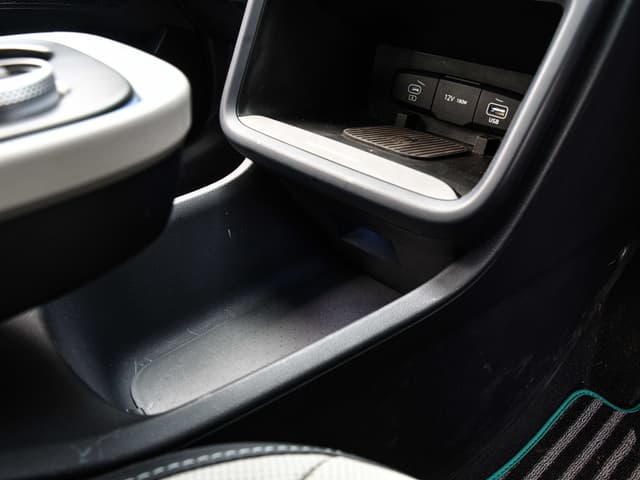
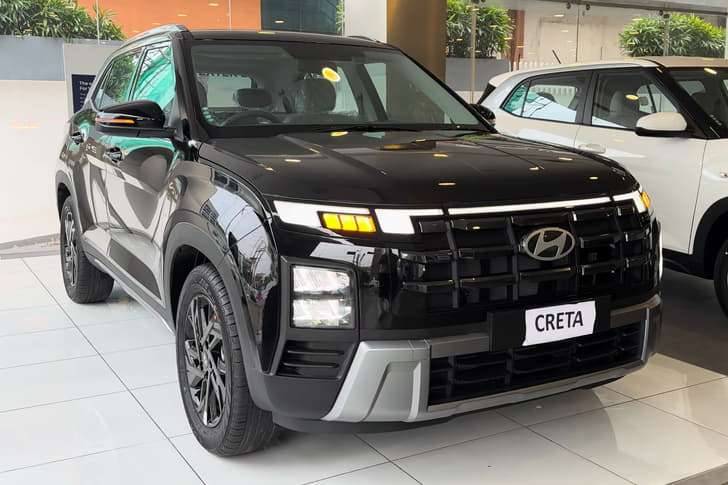
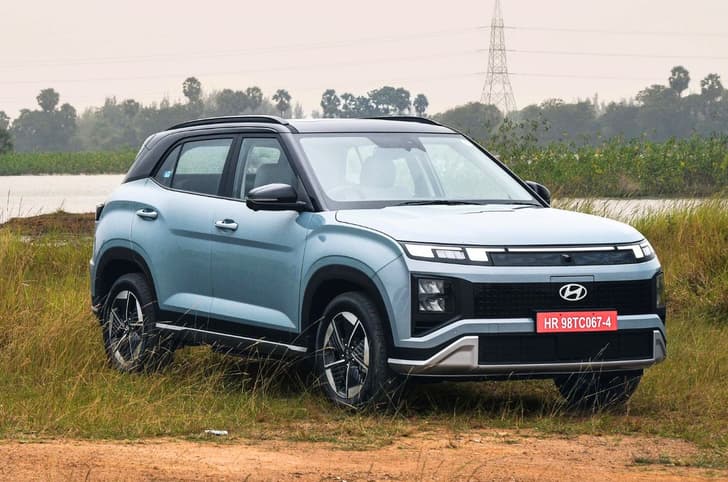
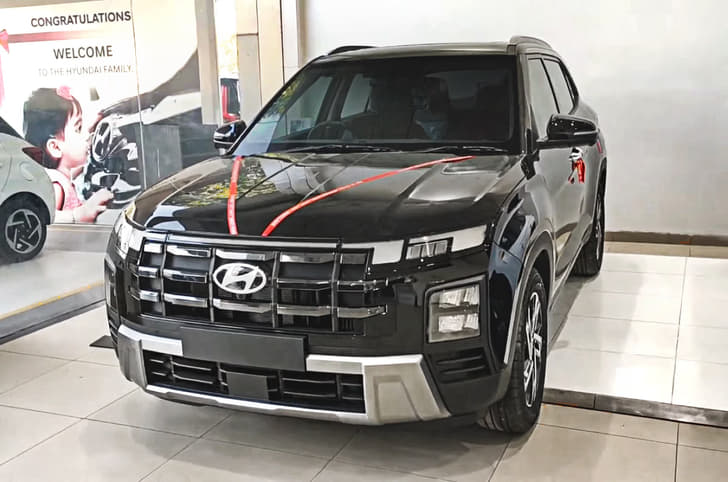
Hyundai Creta Electric Images
Hyundai Creta Electric videos

.jpg?w=640&q=75)

.jpg?w=640&q=75)
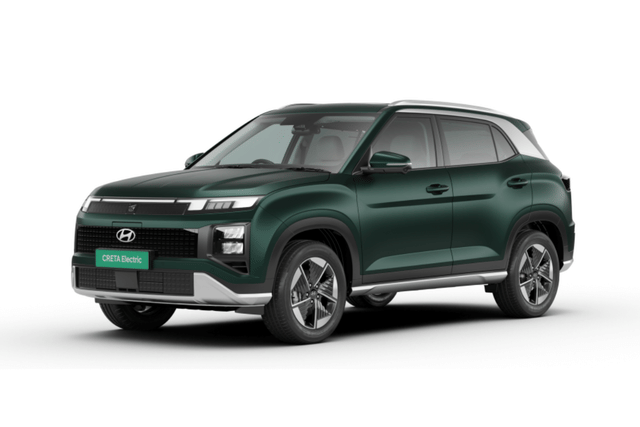
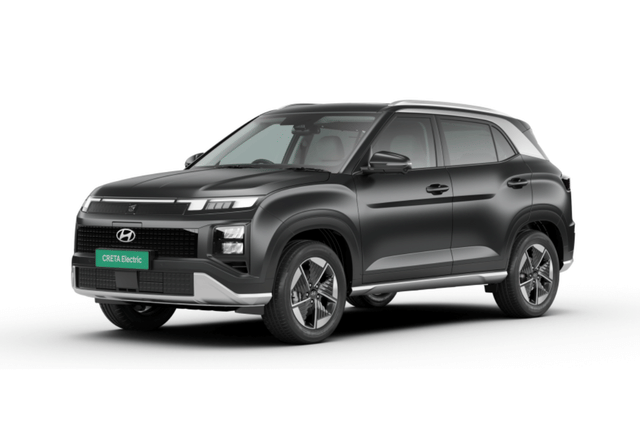
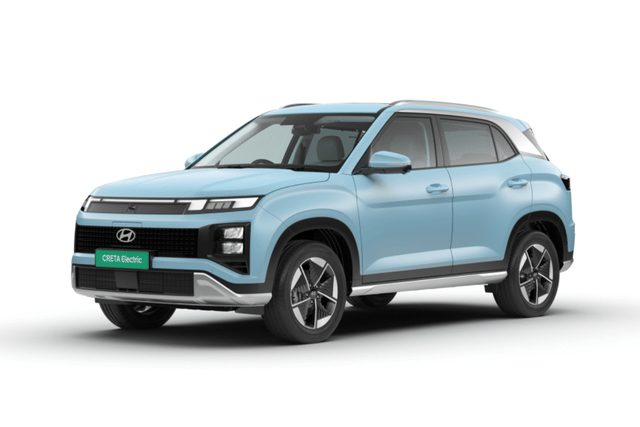
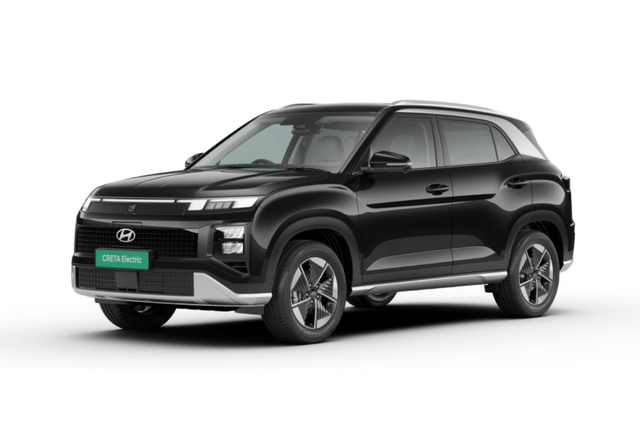
Hyundai Creta Electric Colours
Hyundai Creta Electric FAQs
The Hyundai Creta Electric price in India starts at ₹18.02 lakh and goes up to ₹23.82 lakh, ex-showroom.
The base-spec Executive Hyundai Creta Electric price is ₹18.02 lakh, ex-showroom.
The base-spec Executive Hyundai Creta Electric on road price in Deeg is ₹19.08 lakh.
The Excellence Hyundai Creta Electric price is ₹21.30 lakh, ex-showroom.
The Excellence Hyundai Creta Electric on road price in Deeg is ₹22.63 lakh.
The top-spec Excellence LR Knight Hyundai Creta Electric price is ₹23.82 lakh, ex-showroom.
The top-spec Excellence LR Knight Hyundai Creta Electric on road price in Deeg is ₹25.28 lakh.
Trending Questions on Hyundai Creta Electric - Answered by Autocar Experts
My weekly car travel is 700 km, with 60% on state highways (two-lane) and 40% in the city. I'm confused between the Creta EV Excellence LR 51.4kWh and the Kia 2026 Seltos diesel manual or automatic. My yearly run is approximately 33,000 km. It is also for business purposes, with occasional visits to rural village areas up to 200 km, about three times a week. The above annual run includes all of this.
With respect to my earlier query, I have booked the Maruti E Vitara Zeta variant, which is 61kW. Will this be a sensible buy, as I am replacing it with a 2016 Brezza diesel manual that has done 1.07 lakh km? The E Vitara would be automatic, as electric cars are. I plan to keep it for 10 years for city driving and occasional highway use, or would you suggest any other electric in this price band with the same battery pack and reliability as MS? Monthly run is 900km.
Hi, I am a 38-year-old surgeon with a daily travel of 100 km, split between city roads (50%) and state highways (50%). I am currently driving a 2018 Amaze and facing high fuel costs (around ₹8,000 weekly). I am looking to switch to an electric automatic SUV in the ₹20-35 lakh budget. I have considered the Harrier EV, XEV 9S, and Creta EV. Kindly suggest the right car (new or used) among these or any other suitable option.
I am using a petrol MT EcoSport for my daily office commute and travel about 500-600 km a month. Should I go for an EV or a petrol IVT for city usage? Please share options based on your recommendation.
I have been using a 2025 Honda CR-V Touring in the USA, and I recently shifted back to India. My budget for a new car is around ₹25 lakh. Could you suggest a car that is close to the Honda CR-V in terms of features, fuel efficiency, space, and reliability?
I already have a 2019 Seltos petrol manual. Recently, I got a job, and my workplace is 45km away from my home, so it is a 90km daily drive. This long commute is taking a toll on my pocket, as I hardly get decent mileage. Moreover, pressing the clutch and brake in traffic during my return journey is frustrating and tiresome. Should I install CNG in my car, or should I sell it and buy a new one? If so, which one?
My daily driving is between 80-120 km, mostly on the Hyderabad ORR. Once a month, I also visit my native place, which is 350 km one way from Hyderabad. I’m looking to replace my 2021 Grand i10 Nios, most likely with an EV. My budget is around ₹14-18 lakh. Please suggest.
I am looking to buy an EV under ₹20 lakh for city commuting and want a 360-degree camera for tight spaces. Which are good options, excluding MG?
My running is approximately 5,000 km per year, entirely within the city. Should I go for an EV or an automatic petrol car in the ₹20-25 lakh price range? I am considering an EV mainly for tax savings (40% tax deduction), but I am unsure whether petrol would be better. Please guide me on what makes more sense financially, as well as from a maintenance perspective.
I own a 2021 Ertiga that has done 30,000 km. I primarily use it for my office commute, with 2-3 long-distance trips per year (about 200-500 km). My office commute is a solo drive, but outside of the office, I use it as a family car for four people and occasionally up to six (including two kids). I’m considering upgrading to an EV, but I’m confused about which option to choose among the different ranges - Hyundai Creta EV, Tata Harrier EV, and Mahindra XEV 9S. I plan to hold this vehicle for at least 4–5 years and prioritise passenger comfort and driving pleasure. Please suggest which EV I should choose.
Considering that you may occasionally need more than five seats and plan to keep the car for at least four to five years, we would recommend opting for a six or seven-seater. Because of this, the Hyundai Creta EV and the Tata Harrier EV can be ruled out, as both are strictly five-seaters.
The Mahindra XEV 9S is very competitively priced and comes loaded with features. The downside is the ride quality, especially in the second and third rows. It can feel a bit too soft due to the suspension setup. This is not much of an issue in city driving, but at highway speeds on uneven surfaces, the car tends to bounce as the suspension takes time to settle.
Since you had also shortlisted the Hyundai Creta EV, we would suggest taking a look at the Kia Carens Clavis EV, as it uses the same powertrain and battery. It works better as a six or seven-seater, thanks to a more spacious third row compared to the 9S, where even adults can travel in reasonable comfort. While it is not as powerful as the Mahindra XEV 9S. It still offers more than enough performance even with a full load, and the suspension feels more comfortable overall.
One important thing to note is the battery size. The Clavis EV has a smaller battery pack compared to the XEV 9S. In real-world usage, the Mahindra can deliver over 450 km on a full charge. While the Clavis EV is likely to offer closer to 350 km of realistic range.