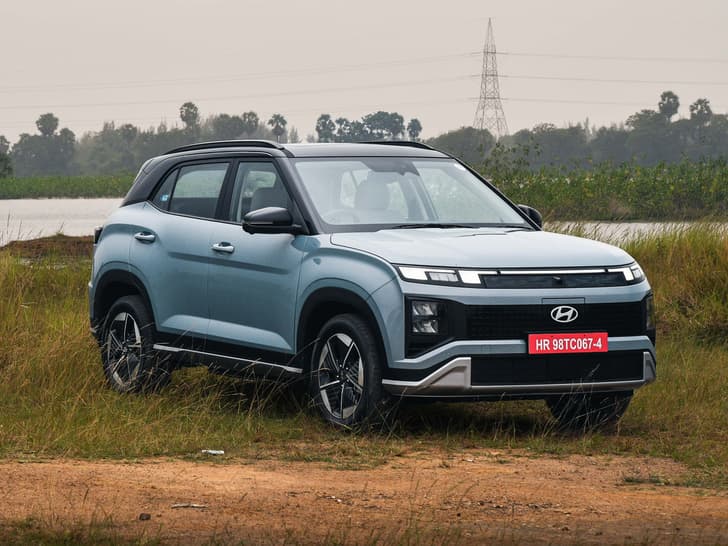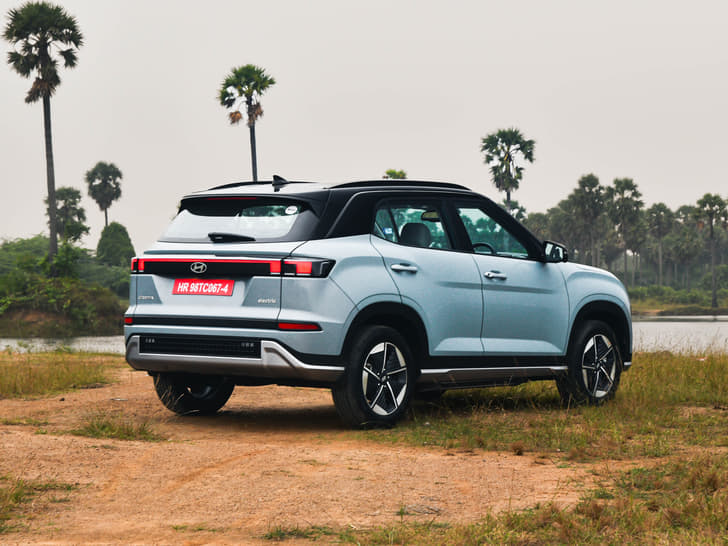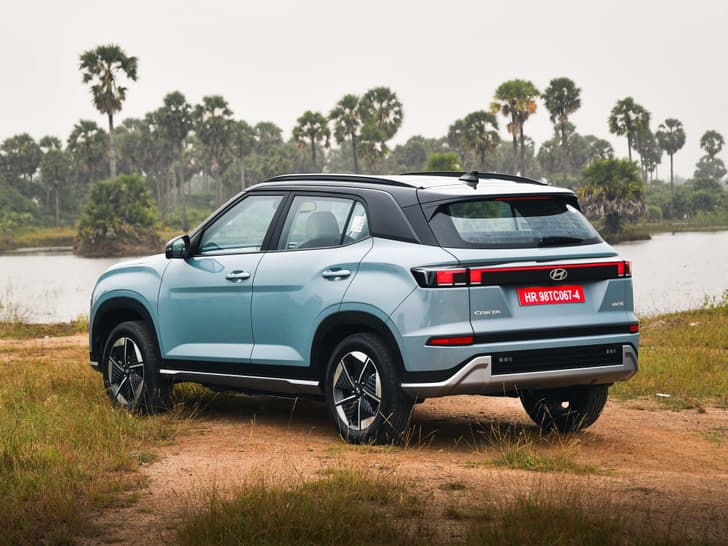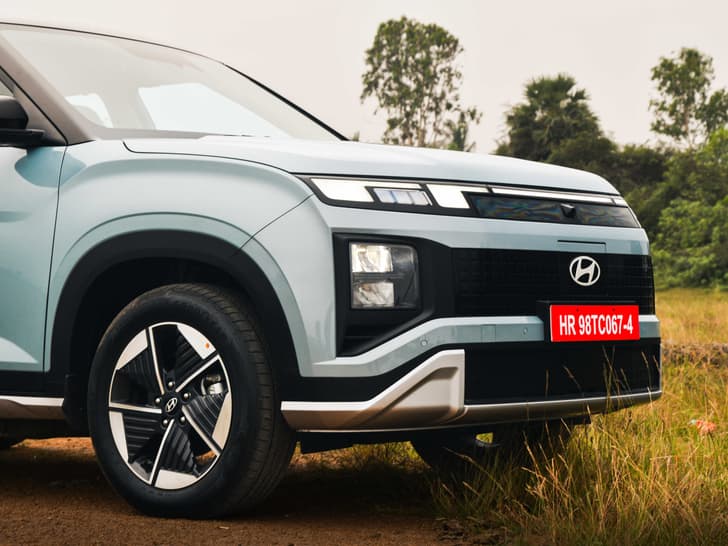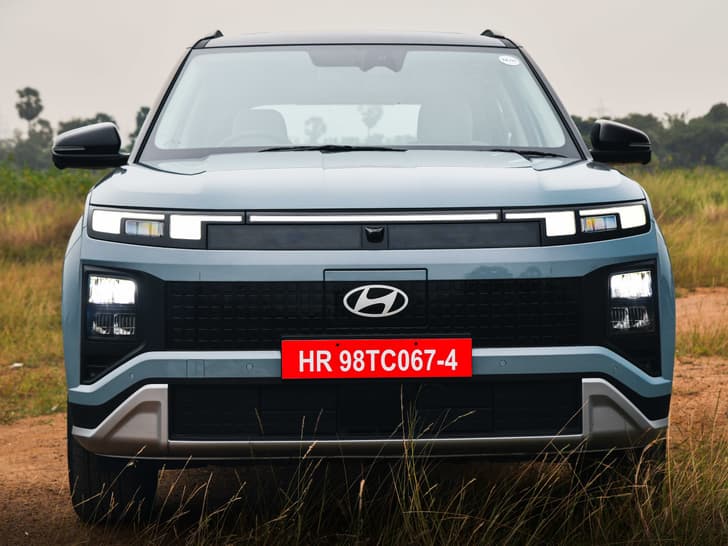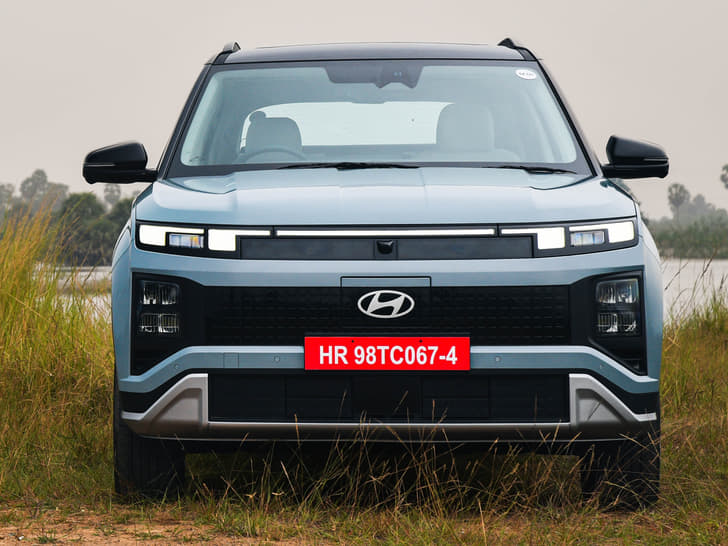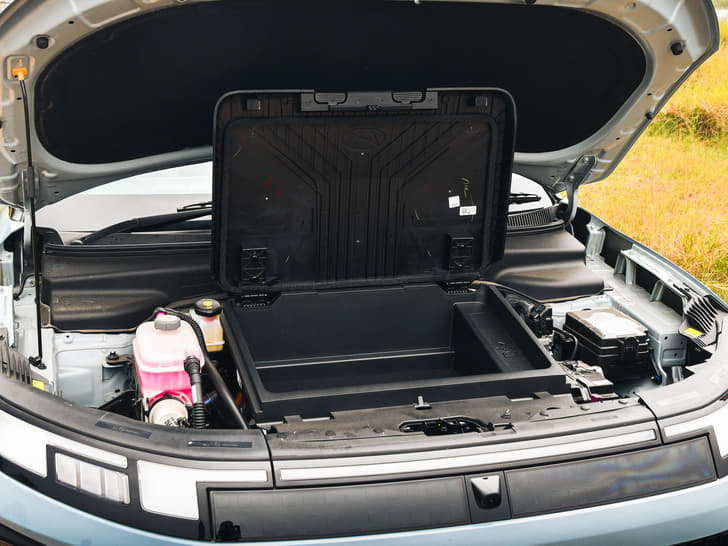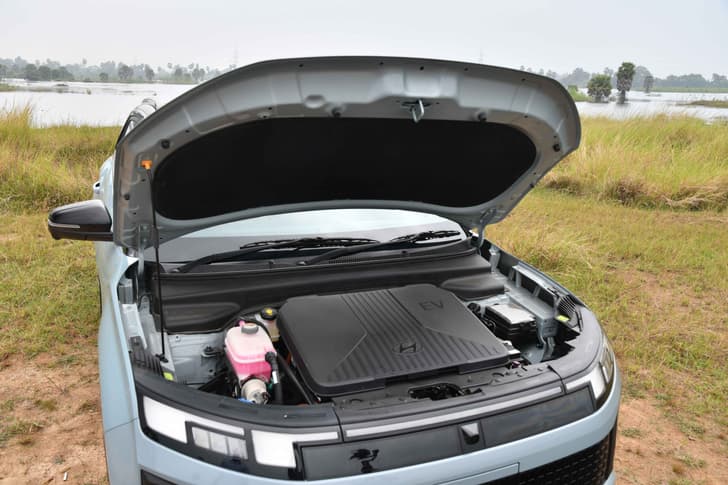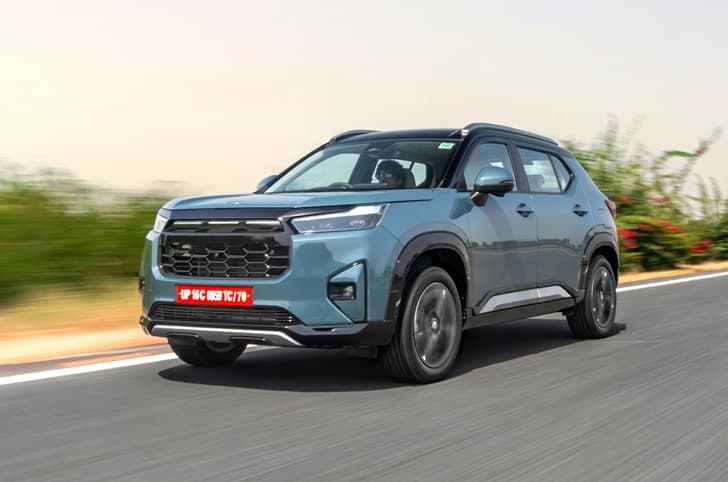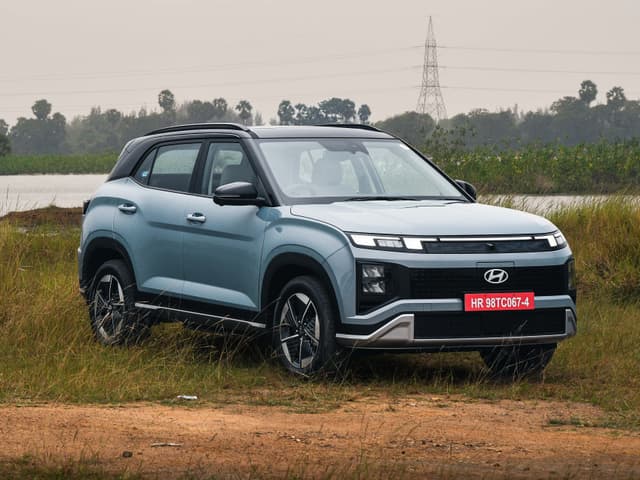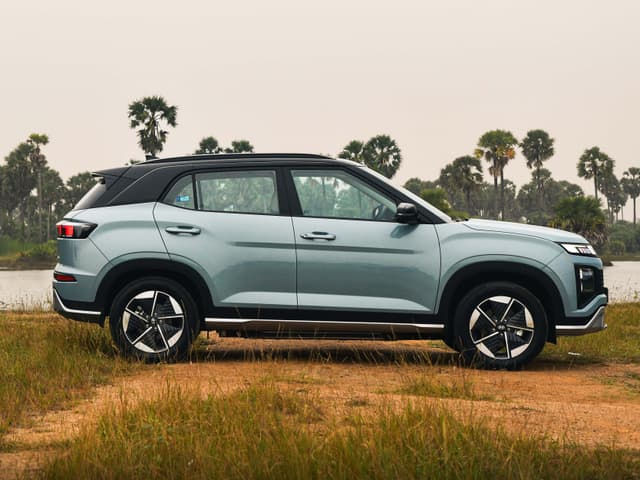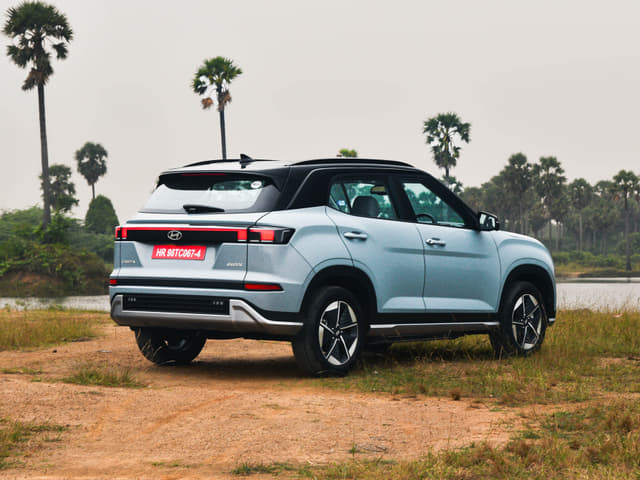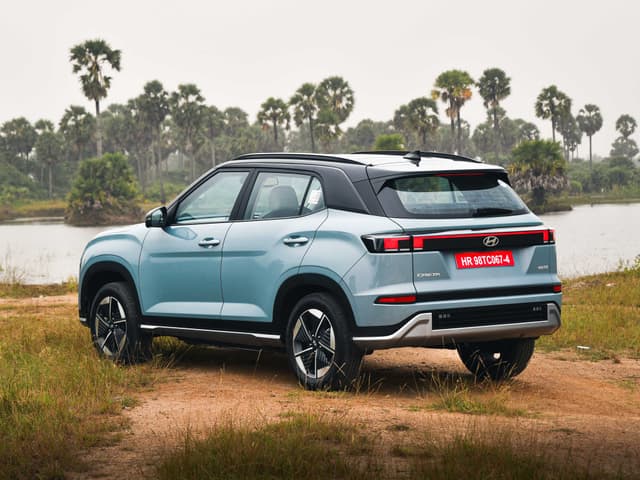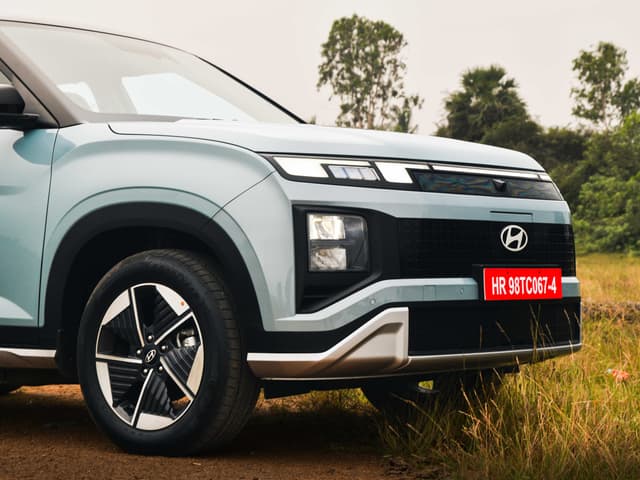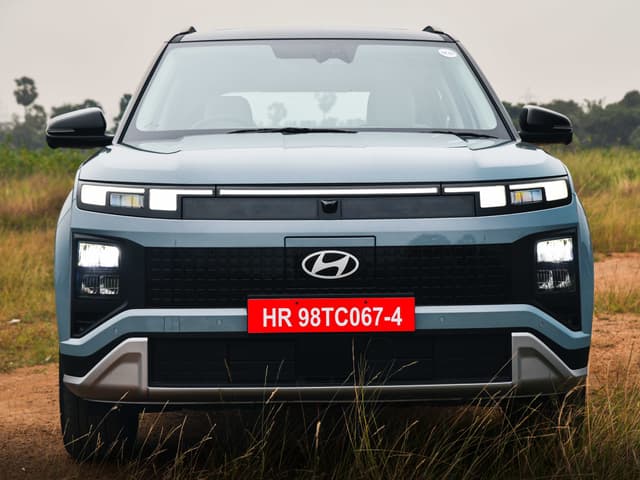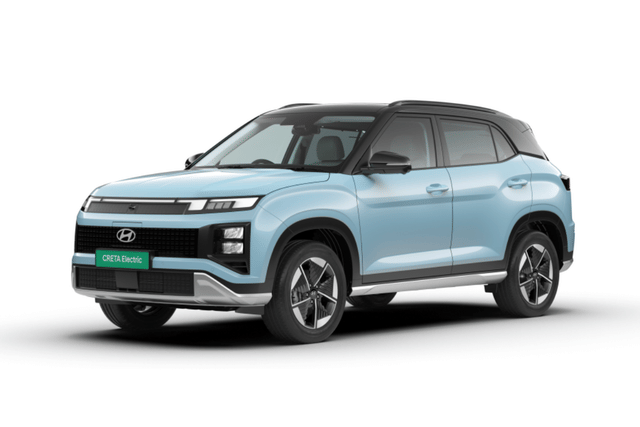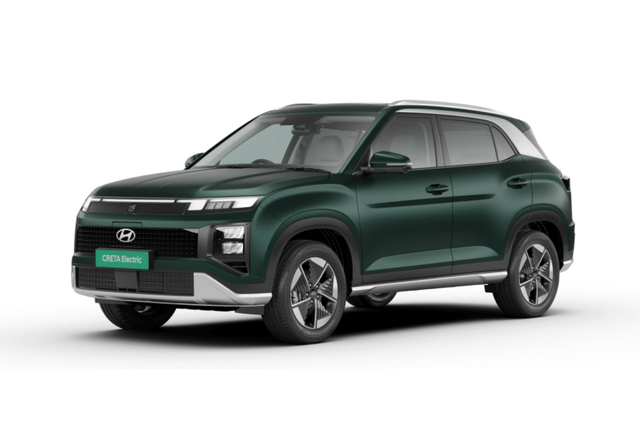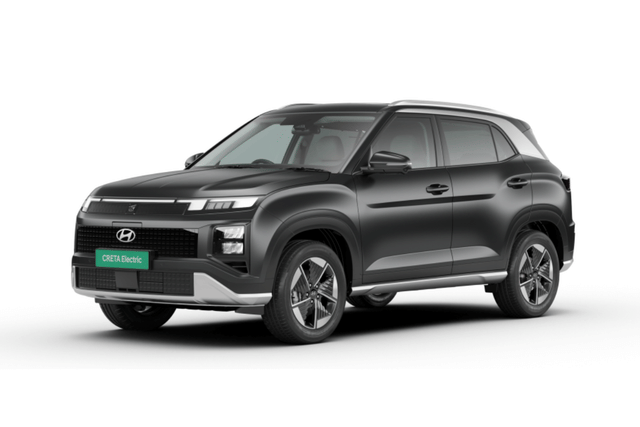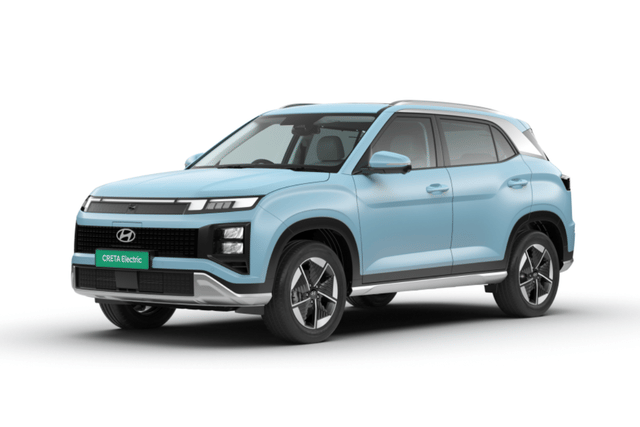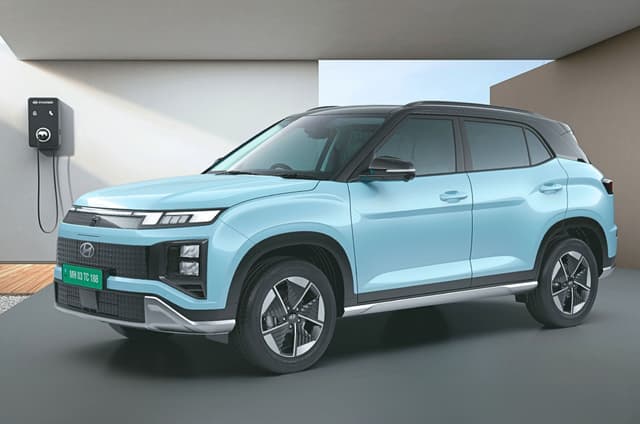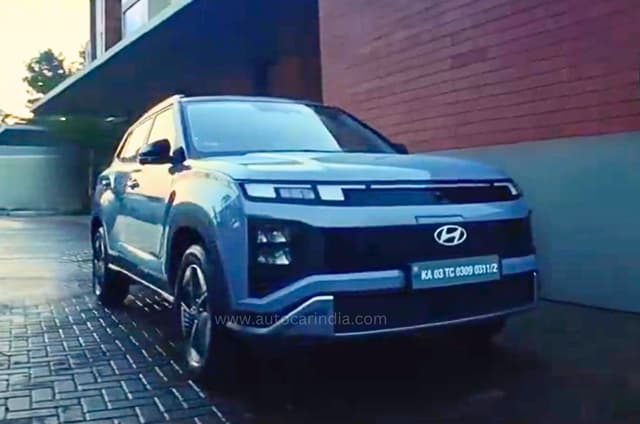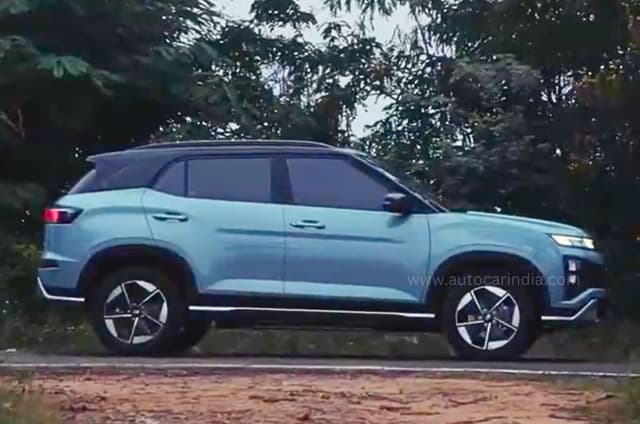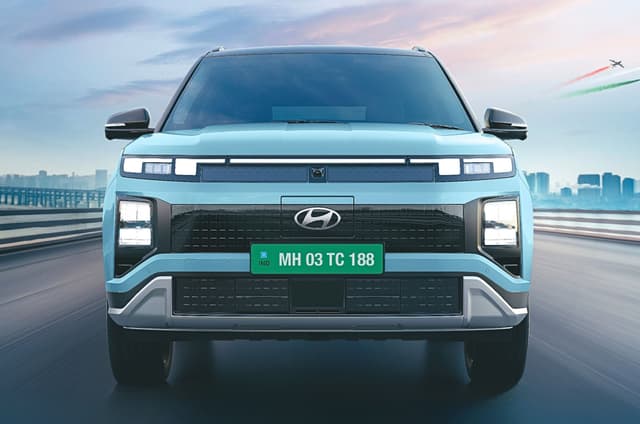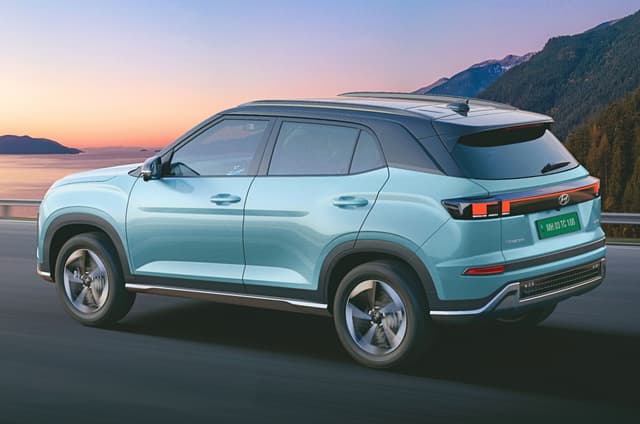
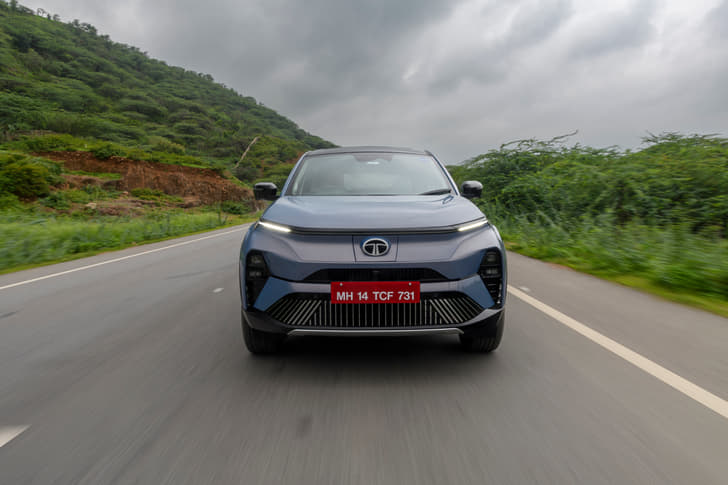
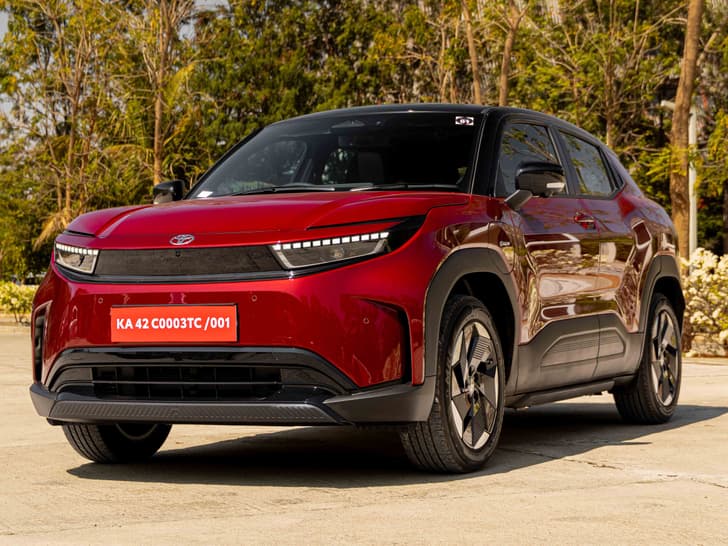
Creta EV or Sierra EV: Buy?


Hyundai Creta Electric price in Banka
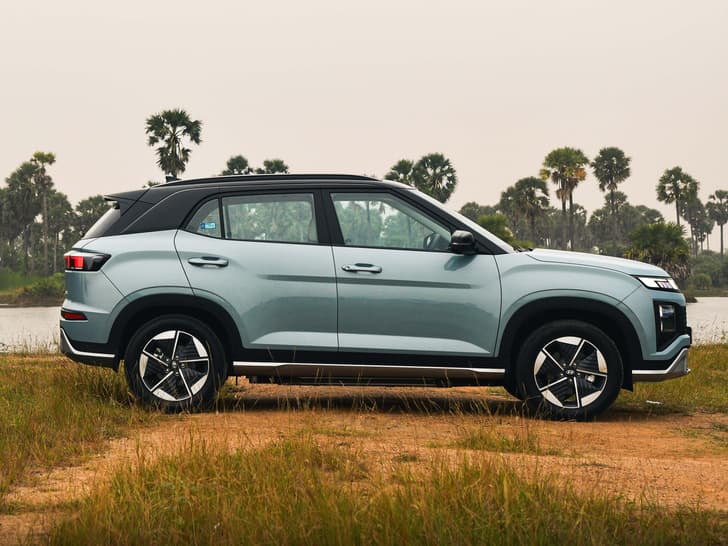
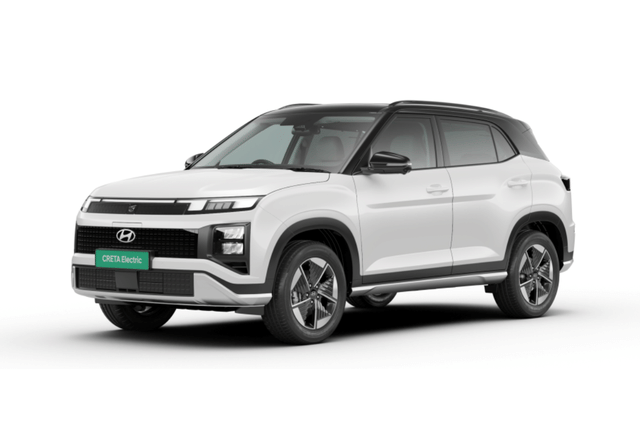
The on road price of the Hyundai Creta Electric in Banka ranges from Rs19.12 lakh for the base model to about Rs25.38 lakh for the top variant (including all taxes, RTO fees, and insurance). In comparison, the ex-showroom prices in Banka starts from Rs18.03 lakh to Rs23.82 lakh.
Check the Hyundai Creta Electric on road price of all variants in Banka in the table below:
* Estimated on-road price. Final amount may vary.
No dealers available in Banka
We don't have authorised Hyundai dealers here

Tell us about your experience
Hyundai Creta Electric Official Brochure
Download the complete brochure with specs, features, and variants.
Hear from the

.jpg?w=640&q=75&fm=auto)

.jpg?w=640&q=75&fm=auto)

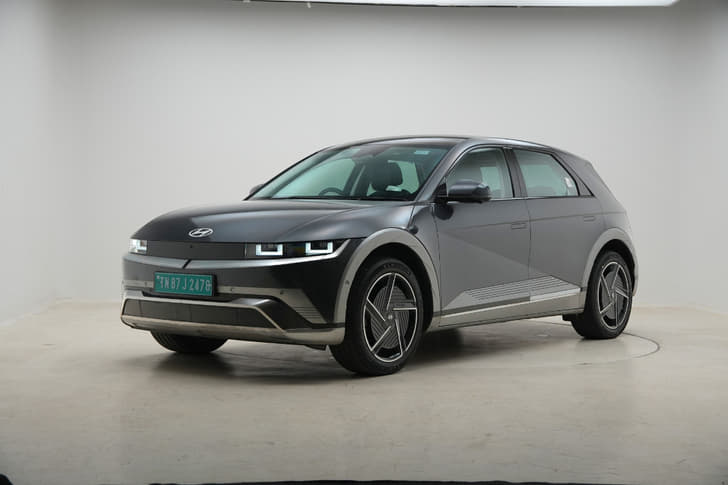
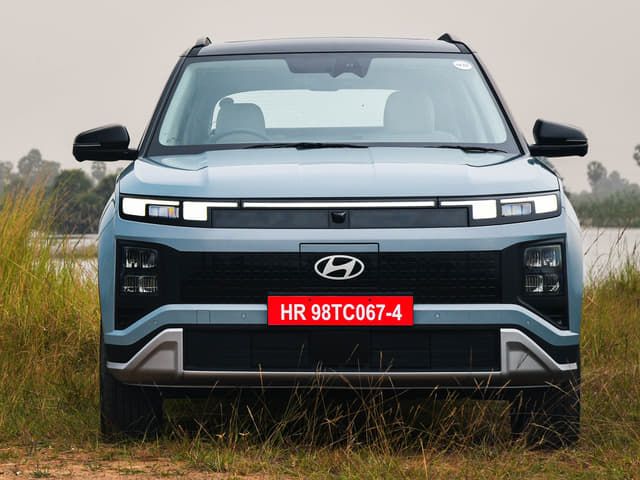
The Rs 20 lakh Hyundai Creta Electric Executive (O) is the most accessible Long Range variant, featuring a 51.4kWh battery pack.
The 11kW AC optional home charger offered with the Hyundai Creta Electric costs Rs 73,000.
Hyundai claims that the matte colour choice is only available in select monotone shades at an additional cost of Rs 15,000.
Hello Autocar Team, I’m planning to buy an EV in November 2026. Please suggest one between the following options: Hyundai Creta Electric 51.2kWh Smart (O) and Tata Nexon EV Empowered Plus
There's a substantial price difference between the top-end variants of the Hyundai Creta Electric and Tata Nexon EV. But since you're comfortable with spending more for the Hyundai, we'd certainly recommend it over this Tata car. The Creta Electric is the more mature product, with a larger battery, a more spacious cabin and a more premium overall feel. Also, you're likely to get an additional 100km (or more) real-world range with the Creta Electric, and its DC fast charging capability is also better than the Tata's. Additionally, it also benefits from Hyundai's strong service network which is important for long-term ownership.We would also recommend you to consider a Kia Syros EV, that is a compact offering with a large battery, excellent cabin space, a posh interior, and is priced a bit more affordable than the Creta Electric.
Hi, I'm considering the Hyundai Creta electric 42kw. I wanted to know if I should wait for its facelift since I have heard about a possible facelift for ICE version in 2027.
Hyundai will launch the next-gen Creta (ICE) early next year which is likely to be a bit larger than the outgoing version, have a new design language inside and out, and get more modern features. Alongside, the Creta Electric, which will be three years into its lifecycle by then, will also receive a major update, possibly with better range and quicker charge times. However, the launch date of the updated Creta Electric is still uncertain. So if you can defer your purchase, it could be worth waiting for.Overall, the Hyundai Creta Electric is a sensible, well-rounded EV. It delivers healthy range despite its smaller battery (compared to larger rivals), and recently after a recent update, its DC fast charging capability has significantly improved too. You won't go wrong even if you purchase the car now. As an added advantage, you might just avail a great deal due to the on-going festive discounts.
I'm planning to buy a new car with an on-road budget of up to Rs. 30 lakh in India. I want a car that offers excellent comfort, low running costs, and a relaxed driving experience for my daily commute. 1. My Driving Profile -Average monthly driving: 2,500 km -Driving conditions: 60% suburban roads and Highway and 40% city traffic -Long-distance trips: One or two trips per month -Current car: 2017 Maruti Suzuki Baleno, manual transmission 2. Comfort and Ergonomics I'm approximately 6 feet tall and currently experience fatigue and leg pain during my daily commute in my manual Baleno. My top priority is to find a car with: -An automatic transmission for easier driving, especially in traffic. -Excellent front-seat comfort and adequate legroom. -Good driving posture, lumbar support, and adjustable seating. -A comfortable suspension setup for daily commuting and long journeys. -Low cabin noise and minimal driver fatigue. 3. Running Costs and Powertrain -Low running costs and excellent overall energy efficiency are important. -I have charging facilities available at home, so I'm open to considering an electric vehicle (EV). -I'm also willing to consider petrol, diesel, or hybrid vehicles if they offer better overall value. -I want to compare energy or fuel costs, maintenance, insurance, and long-term ownership costs. 4. Family Requirements -The car will primarily be used for my daily commute. My family occasionally travels with me, so rear-seat comfort is also important. -I'm open to both 5-seater and 7-seater options, provided the car meets my comfort and cost requirements. 5. Budget and Ownership -Maximum on-road budget: Rs. 30 lakh -I want a reliable car that offers good value for money over long-term ownership. -I plan to use the car for several years, so durability, battery longevity (for EVs), resale value, and total cost of ownership matter. Please suggest a car.
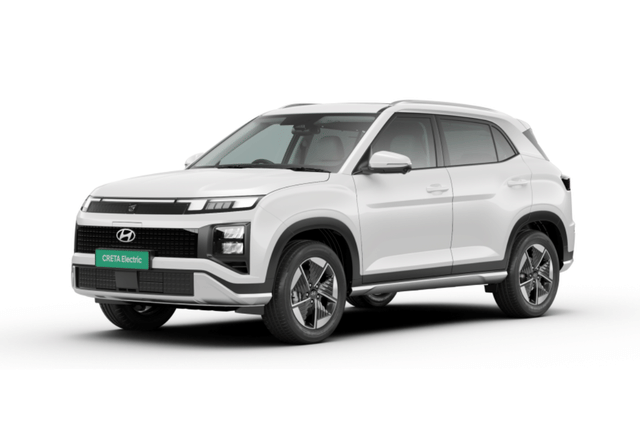
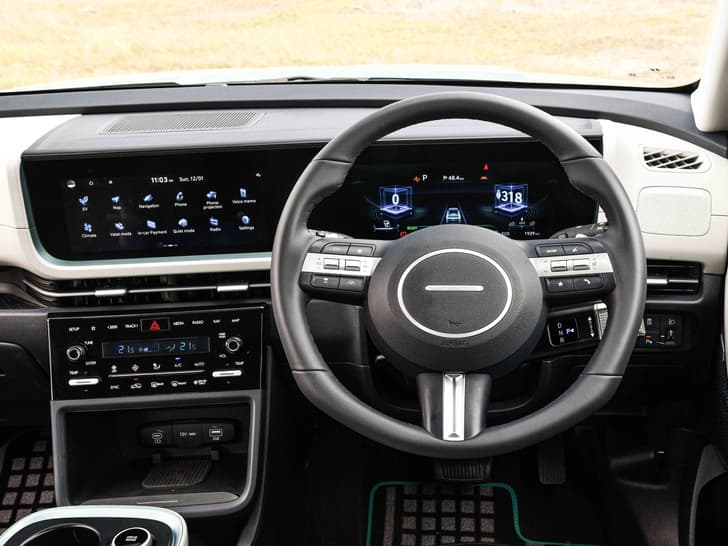
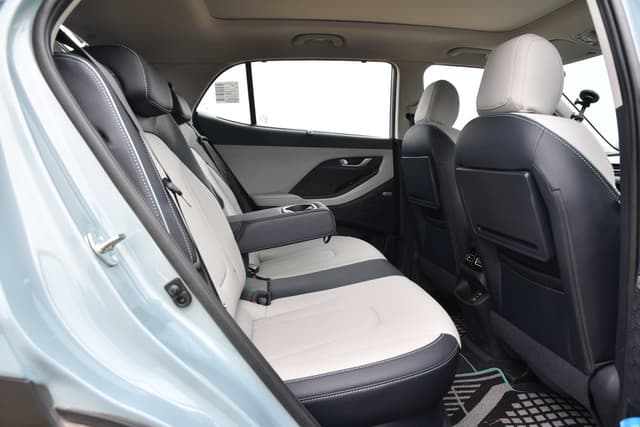
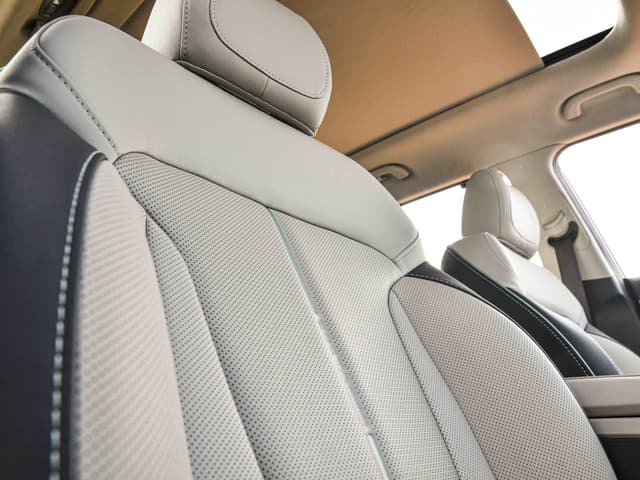
Based on your requirements, the Hyundai Creta Electric is a solid choice. With a 2,500 km monthly running and home charging available, an EV makes strong financial sense, and the Creta Electric stands out for its comfort, refinement and ease of ownership. The front seats are well-cushioned with good lumbar support, the driving position is comfortable for taller drivers, and the suspension is well-tuned for both city and highway use. The cabin is quiet, the ride is comfortable, and the overall driving experience is relaxed and effortless, which will significantly reduce fatigue compared to your Baleno. Running costs are low, maintenance is minimal, and Hyundai's service network is strong. The Creta also offers a spacious rear seat and a practical boot, making it suitable for occasional family trips. If you prefer a petrol option, the Kia Seltos 1.5 IVT automatic is the best alternative. It offers excellent seat comfort, an efficient engine, and a comfortable ride, but the Creta Electric is the better long-term ownership proposition given your usage pattern.
I am confused between the Hyundai Creta Electric and the Tata Sierra EV. I am a little hesitant about the Sierra because of the glitches being reported, whereas the Creta Electric seems to have been relatively problem-free based on what I have heard so far. I also feel that the Creta Electric's motor is better refined, as the motor noise in the Sierra seems to creep into the cabin at speeds above 50kmph. Kindly advise me on which one would be the better choice.
If refinement is your priority, the Hyundai Creta Electric is the safer bet for you over the Tata Sierra EV. Since you've already noticed the Sierra's motor noise creeping into the cabin, that could become an everyday annoyance, particularly on highways. A test drive is worth more than a long list of features in this case.The Sierra EV has the advantage of a newer design and a spacious cabin, but your concerns about glitches are understandable. Early software issues don't necessarily mean the car is unreliable, though it's sensible to be cautious until there's a longer ownership record. The Creta Electric feels like the more familiar, predictable choice, with Hyundai's established service network working in its favour.
Hi Autocar Team, I own a Maruti Suzuki Grand Vitara AT (non-hybrid) and spend around Rs. 12,000-14,000 per month on petrol. Its city mileage has dropped from around 13 kmpl to 10 kmpl. I also have solar panels at home, so EV charging would be almost free or cost a maximum of Rs. 3-4 per unit. I am confused about whether I should replace the Grand Vitara with an EV or keep it and buy a Tata Tiago EV for daily city use. Am I thinking too much about fuel savings? Should I simply keep the Grand Vitara and avoid buying a second car altogether? I would like to hear from people who have been in a similar situation. What makes more financial sense in the long run?
You are not overthinking it. With solar at home and a monthly fuel spend of Rs 12-14k, switching to an EV makes strong financial sense. The question is whether to replace the Grand Vitara or add a Tiago EV as a second car.If your usage is predominantly city-based, replacing the Grand Vitara with an EV is the better solution. You eliminate fuel costs almost entirely, simplify ownership and make full use of your solar setup. If you have the budget for it, EVs like the Kia Syros EV, Hyundai Creta Electric or Kia Carens Clavis EV are a good mix of price to range. Or if you can budget for it, move a step up to the Mahindra XEV 9S, Tata Sierra EV or MG Tomahawk EV.Adding a Tiago EV as a second car only makes sense if you have a genuine need for two cars. The Tiago EV is a great city runabout, but keeping the Grand Vitara just for occasional use while continuing to pay insurance, maintenance and depreciation does not make financial sense unless you regularly need a second car.If you are happy with the Grand Vitara and do not want to change cars, that is also a perfectly valid decision. But from a purely financial perspective, with your fuel spend and solar setup, switching to an electric car is the smarter long-term move.


Last Updated on: 13 Oct 2026