Hyundai Petrol Cars in India (12)
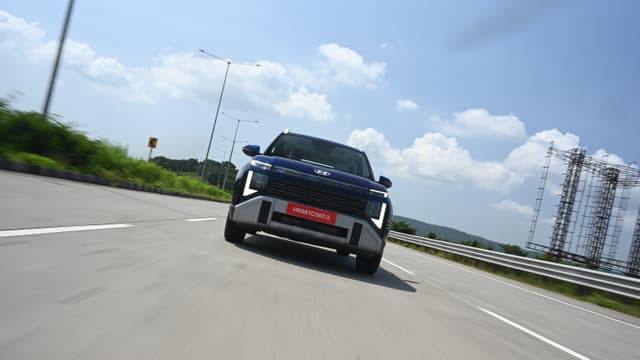
Discover the best Hyundai Petrol Cars. Our comprehensive guide covers detailed specifications, expert reviews, pricing information, and buying advice for Hyundai Petrol Cars. Find the perfect cars that matches your requirements and budget.


Find cars by transmission

Find cars by transmission


Trending Questions on Hyundai Cars - Answered by Autocar Experts
I live in Delhi and am looking for a mid-size SUV. I’m currently considering three options: the Hyundai Creta SX Petrol Manual, Kia Seltos HTK (Optional) Petrol Manual, and Tata Sierra Adventure Petrol Manual. My driving pattern is approximately 90% city and 10% highway. Considering my usage, which of these three would you recommend? Please rank them clearly from 1st to 3rd and explain the reasons behind each position.
Our top pick would be the Kia Seltos. It is the most well-rounded midsize SUV of the three, with a spacious cabin, good equipment levels and interiors that feel genuinely premium. The 1.5-litre naturally aspirated petrol engine paired with the manual gearbox is a smooth, easy-to-use combination, and that is particularly important given that 90 percent of your driving will be in the city. It is easy enough to manoeuvre in traffic, comfortable on the occasional highway run and feels like the most complete package overall.The Hyundai Creta would be our second choice. It uses the same 1.5-litre petrol engine and manual gearbox as the Seltos, so performance, drivability and likely running costs will be very similar. It is also well equipped in SX trim and Hyundai’s service network is a big plus. However, compared to the Seltos, the Creta feels a little less fresh in terms of its cabin ambience and overall appeal. With a replacement expected in the near future, it could also start to feel dated sooner. It remains a sensible option, but the Seltos currently has the edge.The Tata Sierra petrol manual would be our last choice for this specific usage. It is the most spacious of the three, has real road presence and feels the most secure, safe and planted on the highway, thanks to its excellent high-speed manners. However, the 1.5-litre naturally aspirated petrol engine feels sluggish in a vehicle of this size and weight. You have to work it harder in city traffic, while highway overtakes need more planning than in the Hyundai or Kia. It is also larger and heavier, which makes it less convenient in Delhi’s traffic and tight parking spaces. If you are mostly driving yourself, the Seltos is the one we would recommend.
Dear Autocar India experts, I am planning to buy a new car for my daily commute. I live in a hilly area and want my next car to be spacious enough for taking my three kids to school and for family functions. I have been waiting for the Skoda Superb for almost a year. Now that it is finally coming to India, I have heard that it may not be offered with a petrol engine, which is what I was hoping for. I am a fan of diesel cars, but I have had a bad experience with DPF issues in my Velar, so I am now hesitant to go down that route again. As an alternative, I am considering an electric car and have been looking at the Hyundai Ioniq 5 and BYD Sealion 7. I would like to know your expert opinion on these two EVs, particularly when it comes to after-sales service and ownership experience. Which one would you recommend for my requirements, or should I wait and go for the Skoda Superb anyway? I currently use a Brezza diesel for my daily commute and also have a Zen for fun drives. Kindly help me make the right choice. Thank you for your expert advice.
Given your requirements, the Hyundai Ioniq 5 is the better fit. You live in a hilly area, have three kids and need a car for school runs and family functions, so space, comfort and practicality are key. The Ioniq 5 is a large, spacious EV with a flat floor, excellent rear seat space and a big boot, making it well suited to family use. Hyundai also has a far stronger service network and EV support infrastructure than BYD, which is important for long-term ownership confidence.The BYD Sealion 7 is a very impressive EV with a larger battery and longer claimed range, but BYD's service network is still relatively limited compared to Hyundai. In a hilly area where you may need support, that matters. The Ioniq 5's range is already very strong and more than adequate for daily use, so the difference is not worth the trade-off in service confidence.As for the Skoda Superb, it is a fantastic car, but it is coming only as a diesel. Given your bad experience with DPF issues on your Velar and your preference for petrol, it is not the right choice. Modern diesels are cleaner, but DPF issues can still occur in hilly, stop-start conditions if the car is not regularly driven on longer runs.You already have a Maruti Suzuki Brezza diesel for daily use and a Zen for fun drives, so the Ioniq 5 adds a spacious, comfortable and reliable family car to your garage without the DPF concerns. It is the most sensible and future-proof choice for your needs.
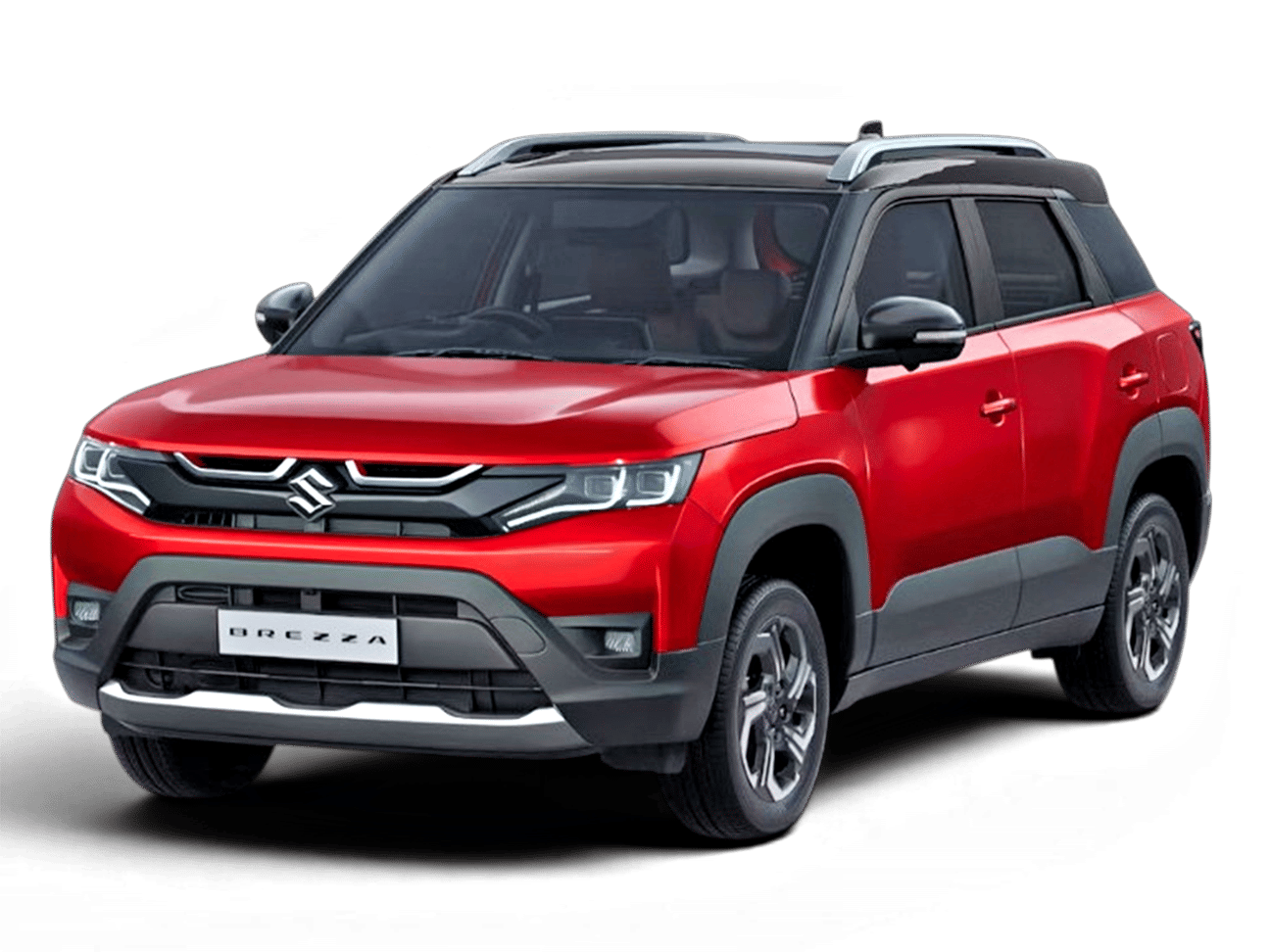
I’m planning to buy a sub-compact SUV with a budget of around Rs 12 lakh. I prefer a manual transmission and am looking for a car that offers a smooth and comfortable driving experience in both the city and on highways. I also travel to hill areas about twice a year, so I’m unsure whether a turbocharged or naturally aspirated (NA) engine would be better suited to my requirements. The two cars I’m currently considering are the Maruti Suzuki Brezza with its 1.5-litre naturally aspirated engine and the Hyundai Venue with its 1.0-litre turbo-petrol engine. I’d like to understand which engine would be better suited to my usage, how the two compare in city traffic, highway driving and hill roads, and which would offer better long-term reliability and ease of maintenance. I’d also like to know the expected difference in real-world mileage between the two and, considering my overall requirements and budget, which of the two would be the better choice.
Go for the Maruti Suzuki Brezza 1.5L naturally aspirated petrol. It is the better fit for your requirements. The 1.5L NA engine is smooth, refined and delivers linear power, which makes it easy to drive in the city, comfortable on highways and predictable on hill roads. It has enough torque to handle inclines without feeling strained, and you do not have to worry about turbo lag or the need to downshift aggressively on steep sections.The Hyundai Venue 1.0L turbo is a punchy engine and feels more energetic when pushed, but it does have some turbo lag at low speeds and requires more gear changes on hills. It is also a smaller three-cylinder engine, so it is not as refined as the Brezza’s four-cylinder unit. In terms of reliability and maintenance, Maruti has the edge with a simpler naturally aspirated engine and a wider service network.Real-world mileage will depend on driving style, but the Brezza should deliver slightly better consistency, especially on highways and hills, while the Venue turbo can be more efficient if driven gently in the city. Overall, the Brezza is the more dependable and easier-to-live-with choice for your usage pattern.
I own a 2015 Maruti Ciaz petrol MT, which I bought as a used car in 2019. As of today, it has clocked over 1,85,000km. Since most of my driving is in the city, parking can sometimes be difficult. I also undertake occasional long drives of around 1,000 - 2,000km round trip. I have not experienced any major issues with the car so far. The clutch assembly has been changed twice in the seven years of my ownership. Should I opt for a new car or continue maintaining and using my current Ciaz?
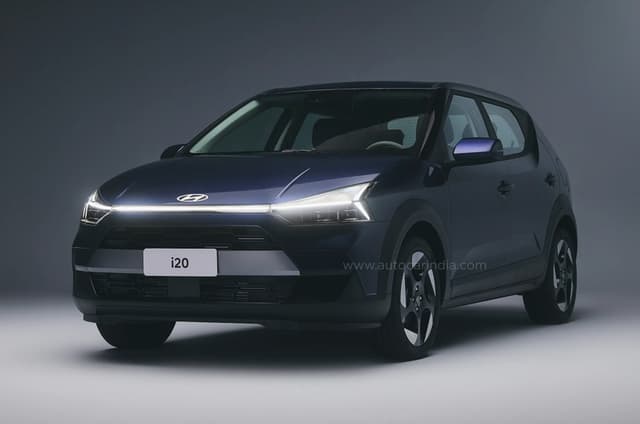
The decision to replace should be driven by either escalating maintenance costs or a change in requirements. If the car is still running well and there are no major mechanical issues, it makes financial sense to continue maintaining it. The cost of periodic maintenance and even occasional repairs will almost always be significantly lower than the depreciation hit and upfront cost of a new car.The only caveat is your mention of parking difficulties. If parking is becoming a genuine daily hassle, downsizing to a smaller hatchback like the Hyundai i20 or Maruti Suzuki Fronx compact SUV could be justified. Otherwise, the Ciaz remains a very capable and cost-effective car for both city driving and occasional long highway trips.
I am looking to buy a petrol automatic SUV around Rs 15 lakh for daily use. My priorities are good mileage, spacious interiors, low maintenance costs, easy access to service centres and a 5-star safety rating. After researching my options, I have shortlisted the new Maruti Suzuki Brezza ZXi automatic and the new Hyundai Venue HX5/HX6. Is this the right preference? If so, which of the two would be the better choice?
The Maruti Suzuki Brezza ZXi AT is the better fit for this brief. The naturally aspirated petrol engine is efficient and reliable; the torque converter automatic is smooth and proven, and Maruti's service network is unmatched. The Brezza also offers a spacious cabin with good rear seat comfort and a practical boot, making it a strong family car. Safety is well addressed too, with a 5-star Bharat NCAP rating.The Hyundai Venue HX5/6 is a good alternative with a more premium cabin feel and a slightly more refined overall package. However, the Brezza's wider service network and lower long-term maintenance costs give it the edge for your requirements.
Last Updated on: 22 Sept 2026