
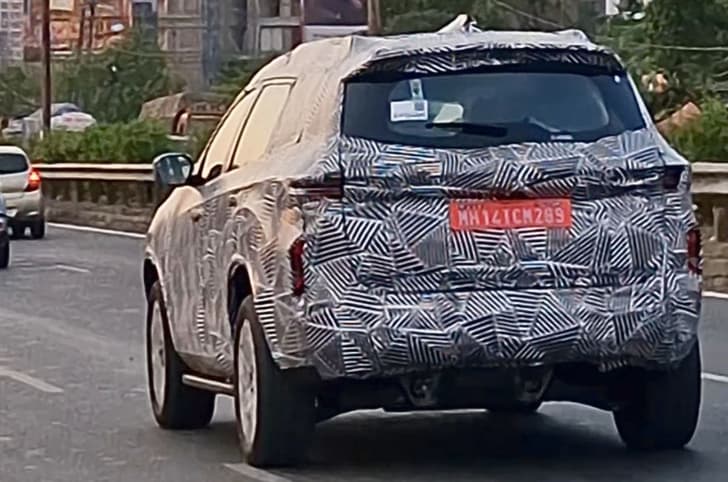
The Tata Safari EV has been spied testing on our roads for the first time. The spy shots hint at a Harrier EV-like rear suspension setup. The Safari EV will be the flagship eSUV in the manufacturer’s line-up and will rival the three-row Mahindra XEV 9S.
- A side step is visible on the test mule; the Safari ICE does not offer it
- Expected to get the same battery and drivetrain options as the Harrier EV
Which features do you want in Safari EV?
Tata Safari EV spied: What was spotted?
Apart from a Harrier EV-like suspension, a side step can also be seen
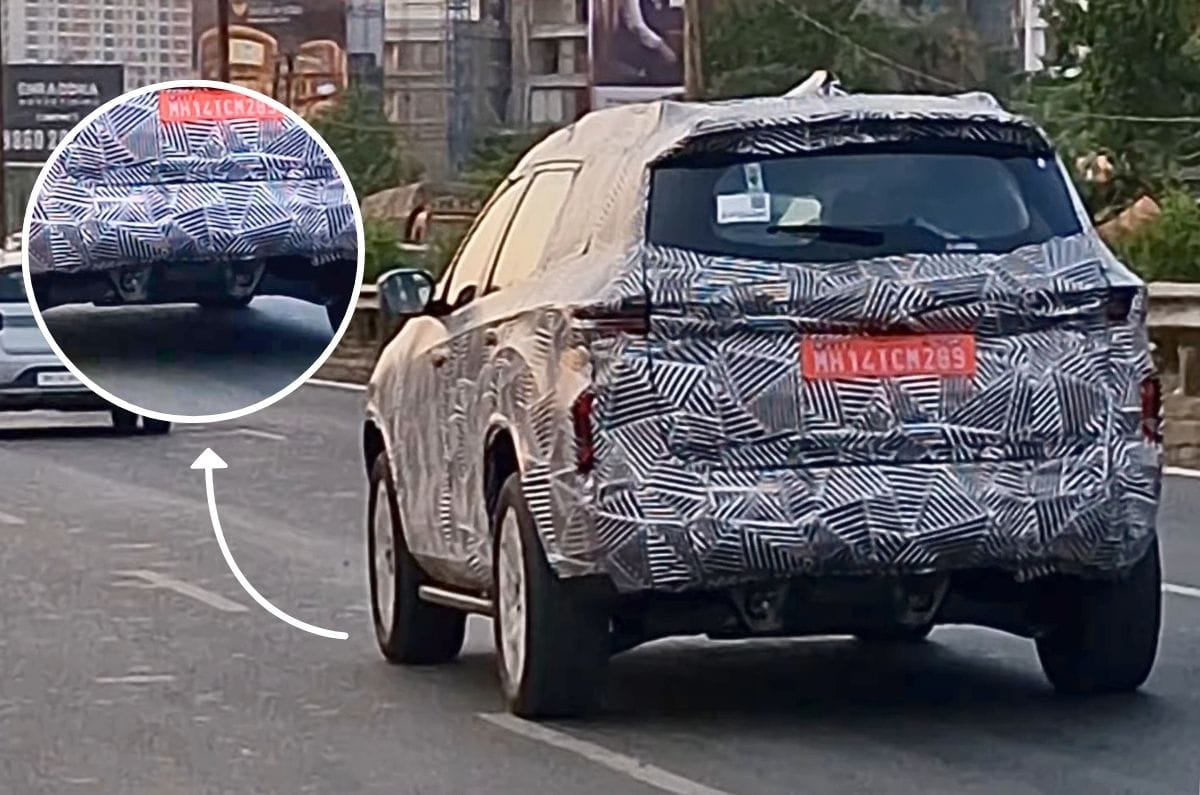
While the spied SUV’s silhouette is the same as that of the combustion-powered Safari, the lack of a tailpipe at the rear and a Harrier EV-like independent multi-link rear suspension setup confirm that it is the Safari’s electric version. Notably, the Safari EV will be built on the same Acti.ev+ platform as the Harrier EV and will be an ICE-to-EV conversion.
Apart from the suspension system, a side step is also noticeable on the spied SUV; this utility feature is not offered with the ICE model. Although other design details were hidden due to the camouflage, they are expected to be similar to the ICE version, save for redesigned front and rear bumpers, new wheels and EV-specific badges. The dimensions are also expected to be similar.
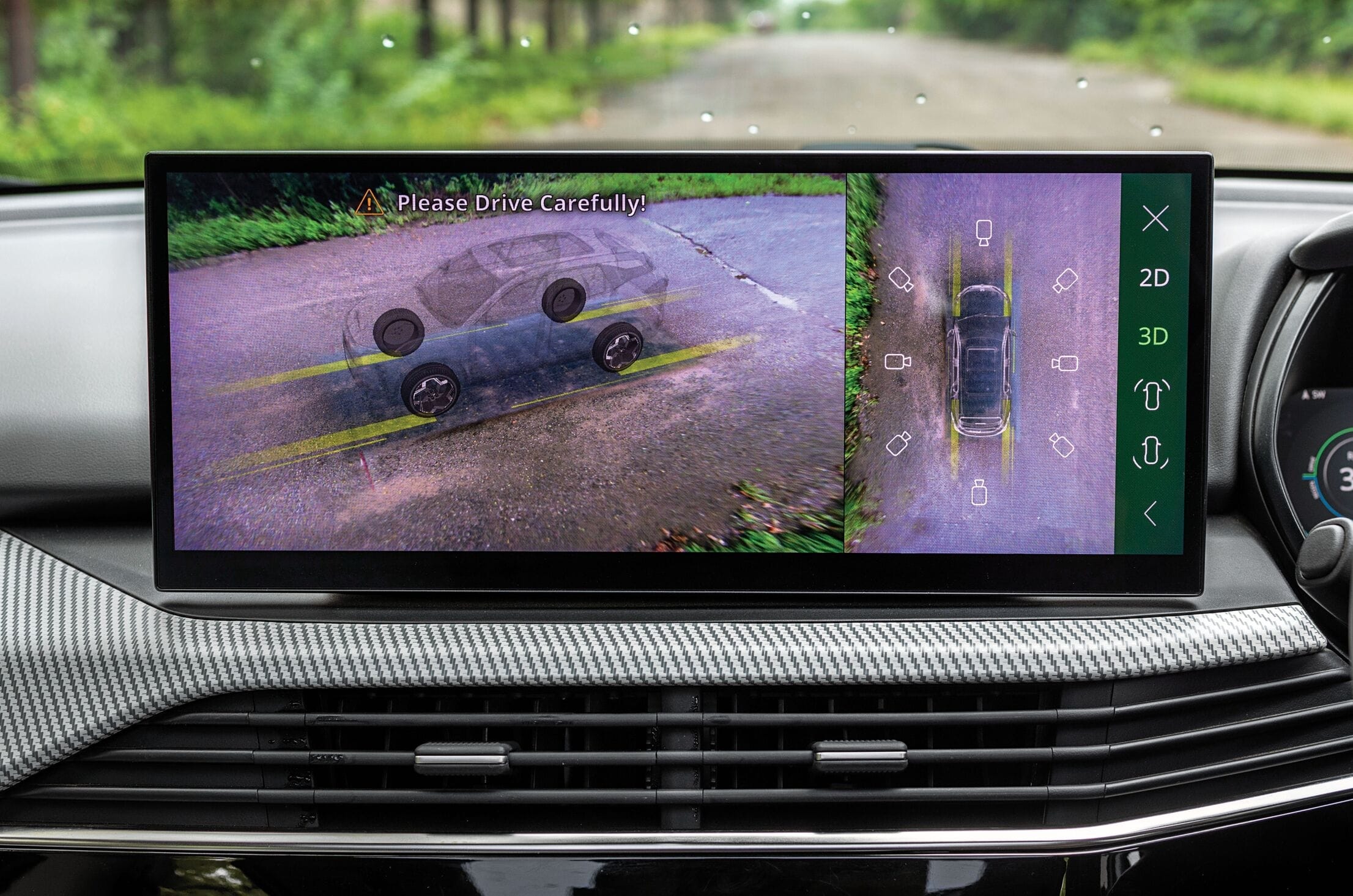
The interior, too, is likely to be similar to that of the ICE model, except for a different cabin theme, as is the case with other Tata EVs. However, it will feature TiDAL (Tata Intelligent Digital Architecture Layer) E&E architecture, which unlocks features such as over-the-air (OTA) updates, auto park assist and summon mode, low-speed cruise control, UPI-based in-car payment services and a 540-degree surround-view camera system.
What community is saying on the Safari EV?
Tata Safari EV spied: Expected powertrains
Likely to feature the same battery and motor setup as the Harrier EV
While official details are awaited, the Tata Safari EV is expected to be offered with the same 65kWh and 75kWh batteries as the Harrier EV, with a dual-motor AWD option exclusive to the larger-battery versions. The Harrier EV produces 238hp and 315Nm in the rear-wheel-drive (RWD) guise, while its dual-motor AWD versions produce an additional 116hp from the front motor and a total torque of 504Nm.
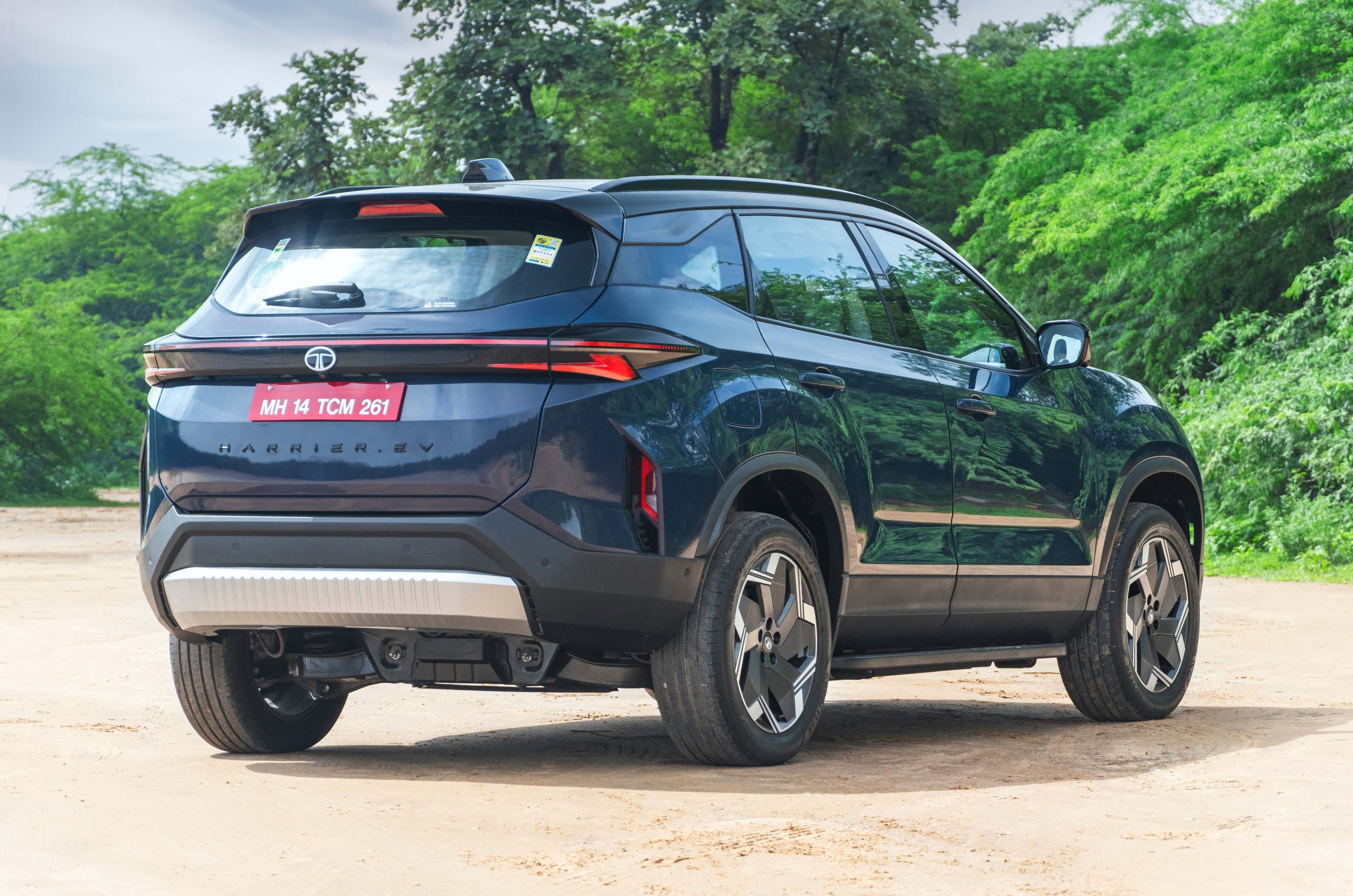
However, the Safari EV is expected to have a shorter claimed range than the Harrier EV due to a larger and heavier body. The 65kWh variants of the Harrier EV have a claimed range of 538km, while the 75kWh battery pack is rated at 627km for the RWD version and 622km for the AWD version.
As reported, the Tata Safari EV will be launched in India during the festive season and will be positioned above the Harrier EV, rivalling the Mahindra XEV 9S.
 Dhruv Dhaka

 Viraaj Bhatnagar