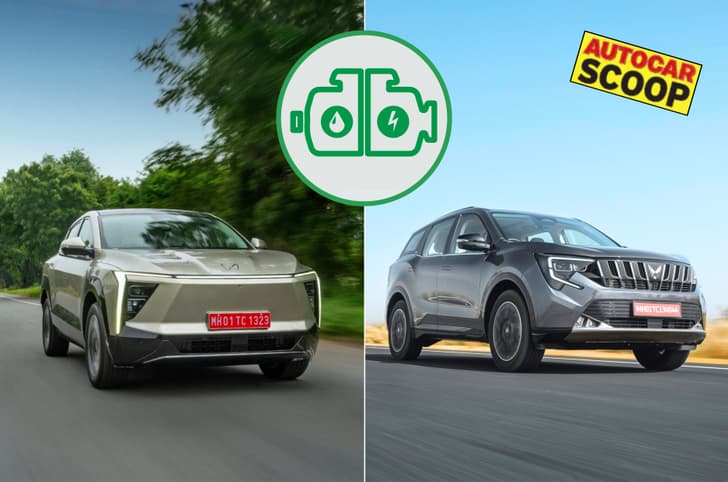
Mahindra is exploring multiple hybrid powertrain options for future SUVs, including range-extender EVs and strong hybrids, according to our sources. The move reflects a broader industry shift towards balancing BEVs with hybrid and alternative electrified technologies across different segments.
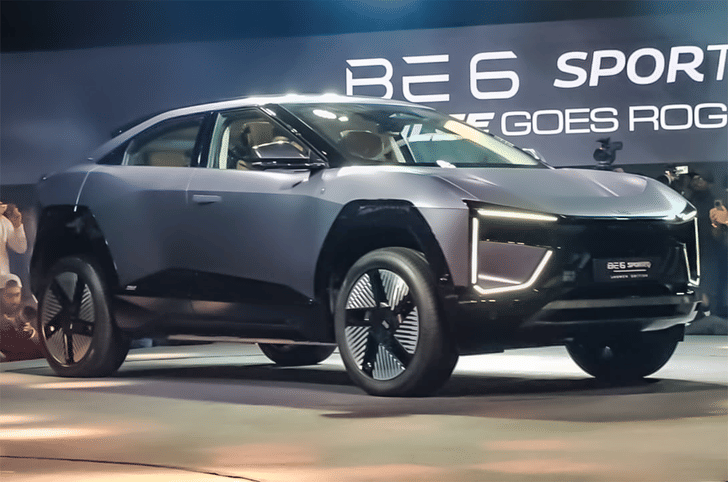
Mahindra had earlier projected EV penetration of 20-30 percent by FY2028 when it committed over USD 1 billion towards its INGLO born-electric platform, which has spawned the XEV 9e, BE 6, and XEV 9S so far. However, EVs accounted for roughly 9 percent of the company’s overall volumes in the last financial year, reinforcing the need for greater powertrain flexibility as the market transitions across multiple stages of electrification.
- Multiple 1.2-litre to 1.5-litre engine options being evaluated
- Upcoming CAFE norms also driving broader powertrain strategy
Internal project codes W613 and W623 are understood to be linked to Mahindra’s upcoming hybrid SUV programme, with the latter expected to take the form of a coupe-styled SUV due around 2028.
XEV 9e range-extender hybrid under evaluation
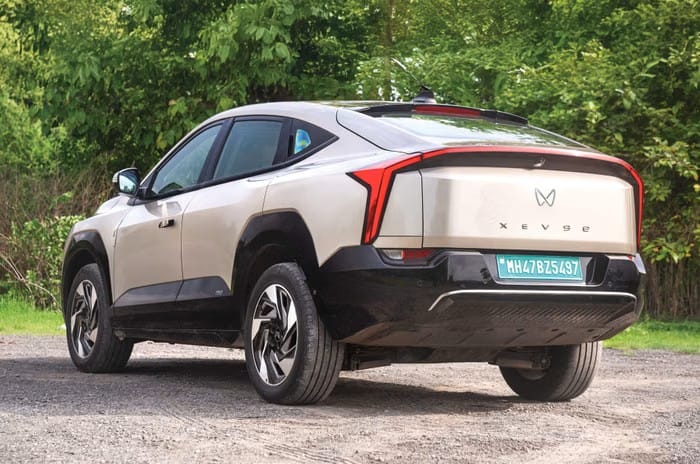
Mahindra is understood to be studying range-extender technology for INGLO-based products, with the XEV 9e (internally codenamed W623) believed to be among the first models under evaluation. Unlike a conventional hybrid, a range-extender setup uses a petrol engine primarily as a generator to charge the battery, instead of directly driving the wheels. This allows the vehicle to retain an EV-like driving experience while reducing range anxiety.
Sources indicate that Mahindra has already begun technical studies and testing around such applications, with two engine configurations, likely a 1.2-litre and a 1.5-litre unit, being evaluated for the INGLO platform.
However, adapting a born-EV platform for hybrid use requires significant re-engineering, as dedicated EV architectures are not originally designed to accommodate an engine, gearbox, an exhaust system, additional cooling hardware, and more.
Mahindra will also have to reconsider packaging, thermal management and crumple zones. The process requires extensive R&D, testing and fresh crash safety validation once combustion-related components are introduced.
XUV 7XO strong hybrid also under study
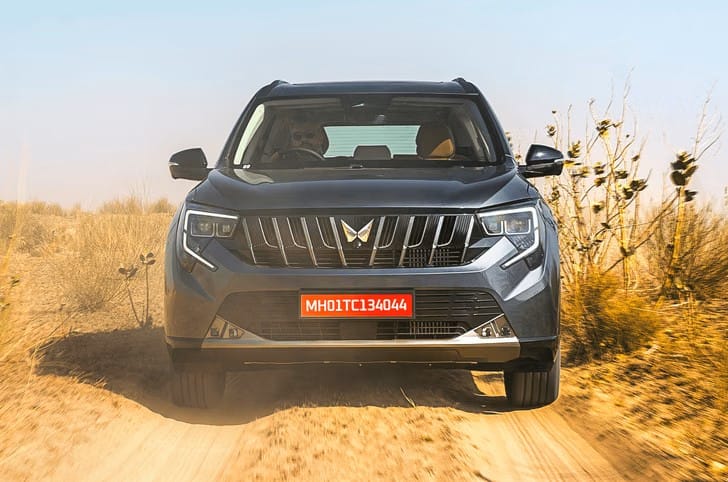
Alongside INGLO-based range-extender projects, Mahindra is evaluating strong hybrid technology for future SUVs based on its existing ICE platforms. The XUV 7XO is expected to be among the first models to receive such a setup, with the hybrid SUV anticipated around 2027.
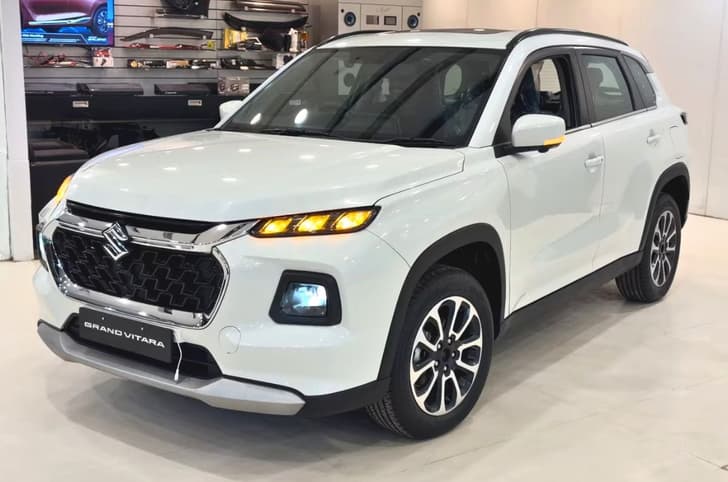
The XUV 7XO is based on Mahindra’s W601 monocoque platform. A strong hybrid system would allow the SUV to run on electric power for short distances while also using the combustion engine to directly drive the wheels when required, much like the hybrid powertrains of the Toyota Hyryder and Maruti Grand Vitara.
Why carmakers are rethinking EV strategies
Mahindra’s move reflects a broader shift across the global automotive industry. Several manufacturers, including Stellantis, Mercedes-Benz, Ford and Honda, have either scaled back or recalibrated EV investments amid lower than expected EV adoption levels globally. Such conversions remain relatively unusual in the industry, especially as many born-EV platforms were originally developed without provisions for combustion powertrains.
The challenge for carmakers lies in balancing future electrification targets with current market realities. EV penetration in India’s passenger vehicle market remains around 4.25 percent, significantly lower than earlier industry expectations. Hybrids, meanwhile, continue to gain traction as buyers look for improved fuel efficiency without depending entirely on charging infrastructure.
Mahindra is also expected to use hybridization to help meet future Corporate Average Fuel Efficiency (CAFE) regulations while continuing to rely on its strong SUV portfolio, much of which currently remains diesel-heavy.
 Viraaj Bhatnagar
 Dipan Sur