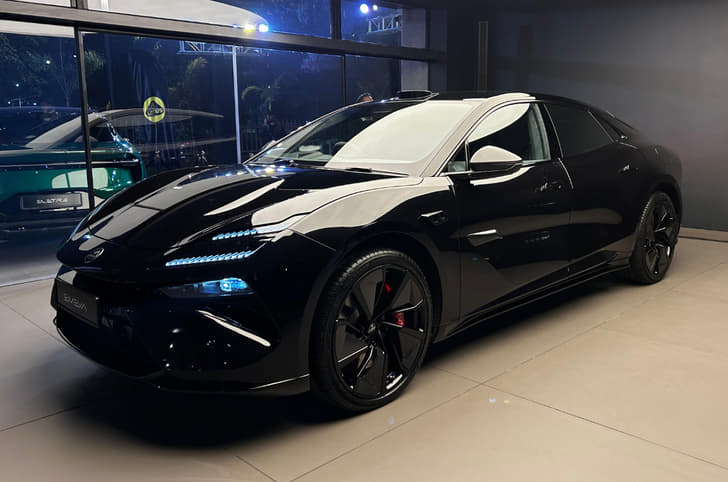

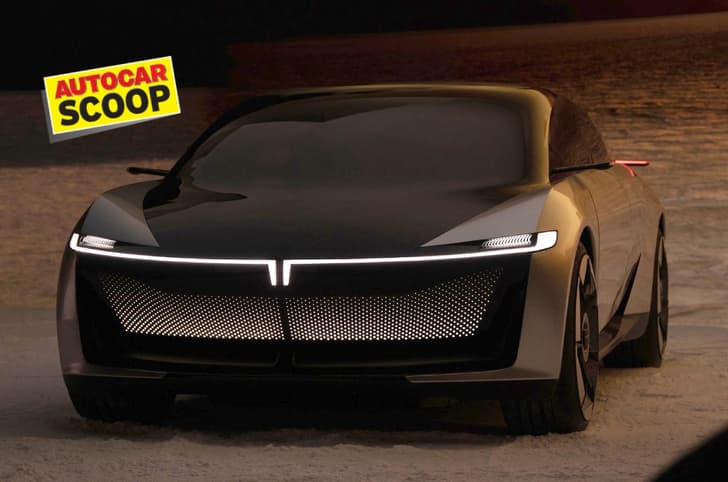
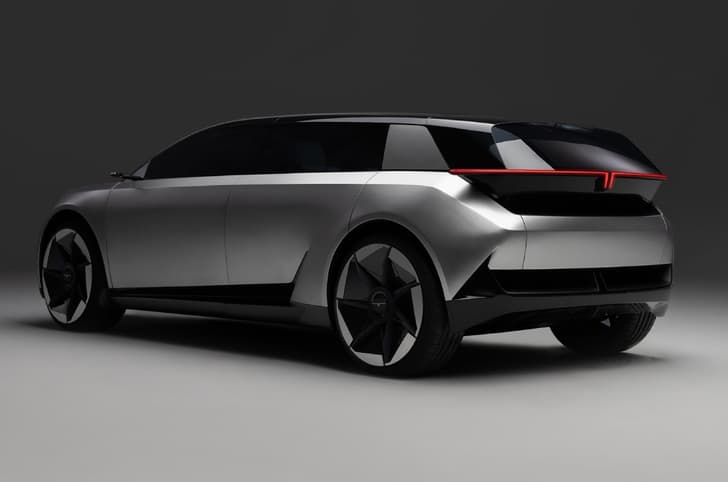
Tata Motors, India’s largest electric carmaker, plans to double down on its EV portfolio expansion amid growing competition, and the strategy could entail an investment of over USD 1 billion. Our sister publication, Autocar Professional, has learnt that the company plans to launch its high-end brand, Avinya, in 2026, positioning it above its existing mainstream portfolio. Under the Avinya brand, the homegrown automaker will introduce multiple models developed on JLR’s EMA architecture.
- Tata Avinya brand likely to have five models codenamed P1, P2, P3, P4 and P5
- The first Avinya model to launch in 2026 with a price tag of over Rs 35 lakh
- Tata Avinya P4 SUV may debut at Bharat Mobility Global Expo 2025
Tata Avinya EVs launch timeline and details
According to sources familiar with the matter, Tata Motors is currently discussing five products, internally referred to as P1, P2, P3, P4 and P5.
The P1 will be the first Avinya model. Based on the Avinya concept showcased in April 2022, this EV is in the final stages of development and will be in showrooms by 2026. The company expects a volume potential of about 24,000 units per annum. Sources suggest that the P1 is likely to be priced above Rs 35 lakh, making it the most expensive Tata Motors vehicle, at least until more premium models arrive.
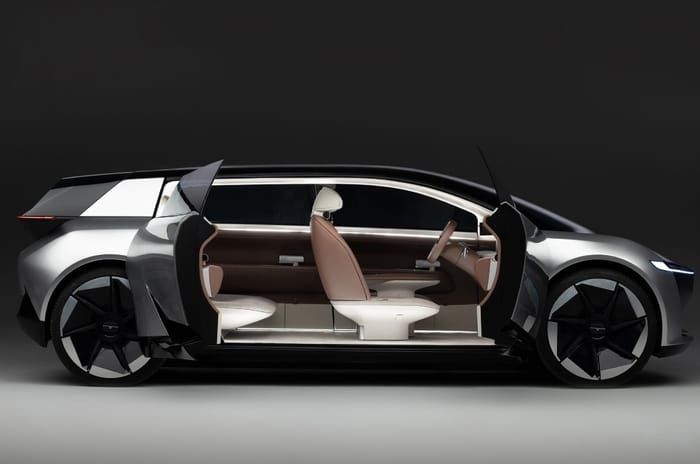
Speaking of more models, the P2 and P3 have yet to clear the business case. So far, we only know that Tata has envisioned the former as a 4.4-metre SUV, similar to the Kia EV3, and the P3 as a 4.9-metre utility vehicle, like the Volvo EM90 MPV.
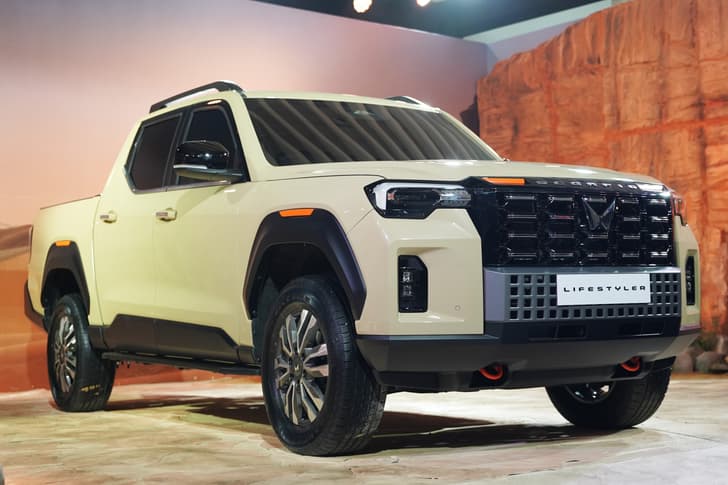
Compared to P2 and P3, the company has made more progress on the P4 and P5 models. The P4 is a lifestyle SUV similar in size to the Range Rover Sport or Velar, and the P5 resembles a full-size Range Rover with three rows of seats. Tata Motors may premiere the P4 at the Bharat Mobility Global Expo in New Delhi.
The company’s strategy involves leveraging the EMA architecture and targeting a combined volume potential of around 1 lakh units per annum once the entire portfolio is launched by the decade’s end.
Tata Avinya production, investment and rivals
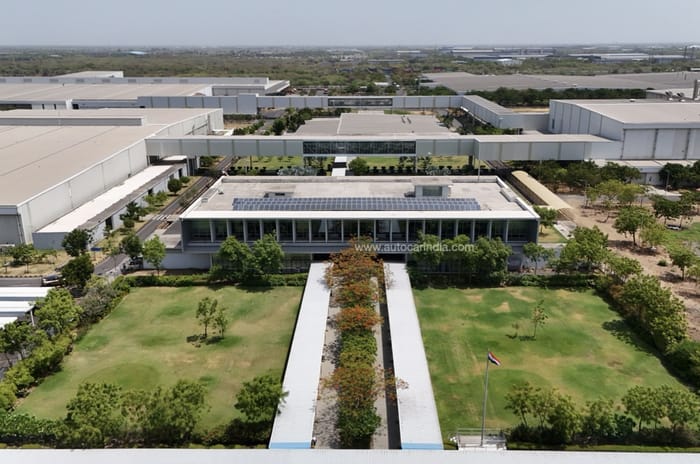
The first model from the Avinya range, the P1, will be manufactured at the company’s Sanand facility, which it had acquired from Ford India. Subsequent models may be produced at Tata Motors’ proposed facility in Tamil Nadu. However, sources say decisions on models beyond the P1 have not been finalised.
Various executives, from the chief financial officer PB Balaji to Tata Passenger Electric Mobility’s chief commercial officer Vivek Srivatsa, have stated that Avinya is a family of products and not just a single offering. While the go-to-market strategy for the Avinya brand is still being developed, given the expected low volumes, the company is likely to use its existing dealers to sell these vehicles.
An email to Tata Motors seeking comments did not elicit a response.
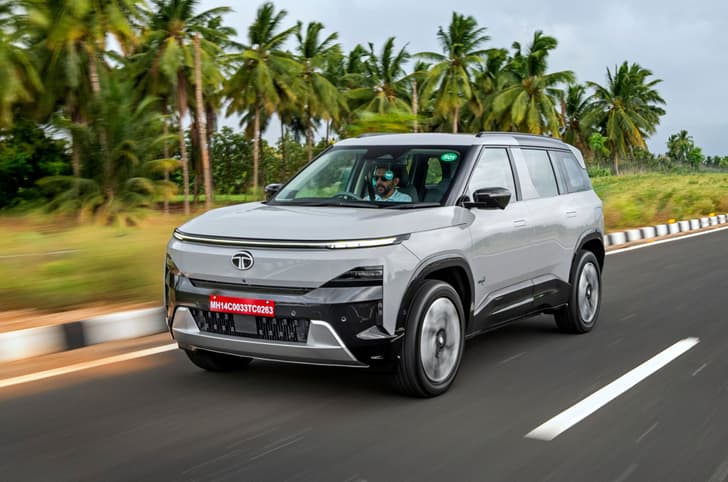
Tata Motors has announced plans to invest USD 2 billion in its EV business over the coming decade, with at least 10 EVs expected to launch by 2026. The company will launch the Harrier EV and Sierra EV this year to strengthen its presence in the premium segment.
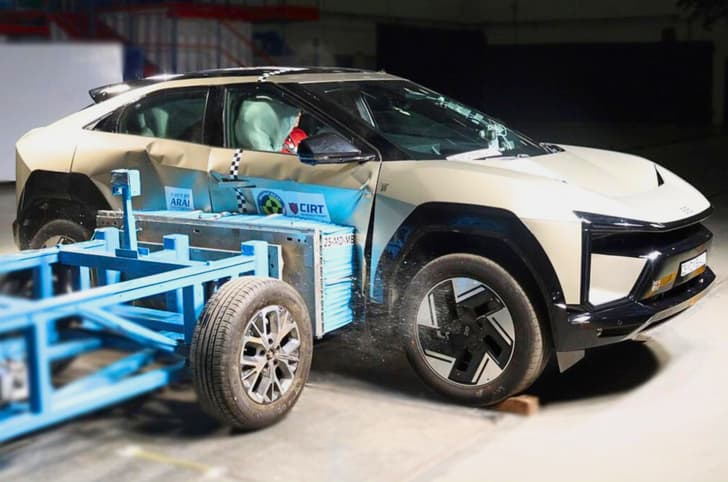
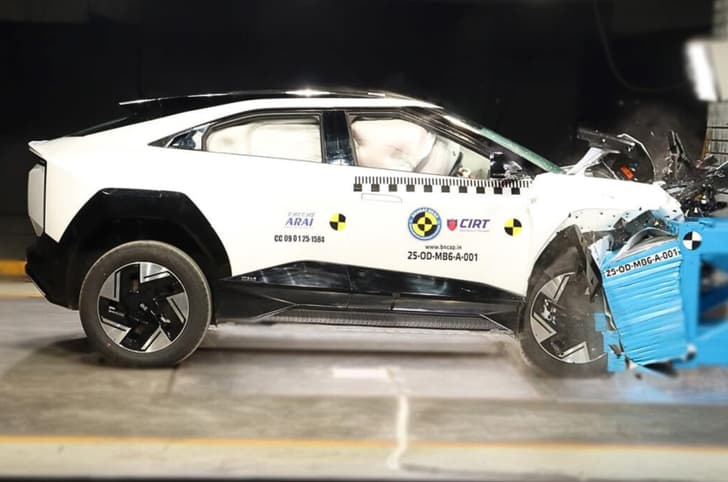
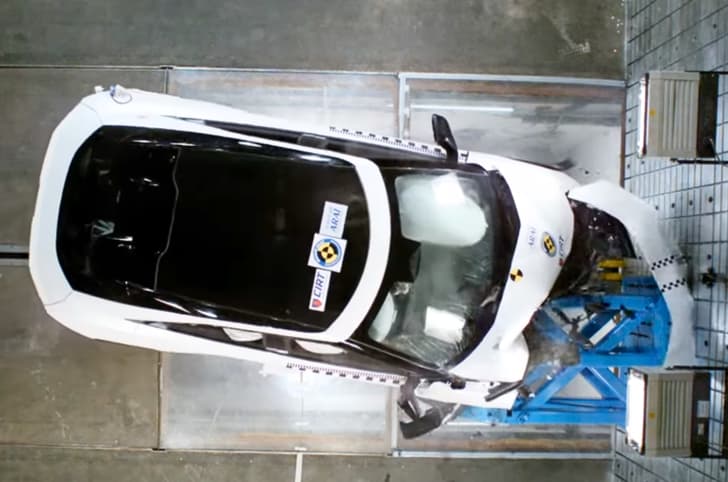
However, competition remains fierce. Tata Motors’ domestic rival, Mahindra, has created a flutter in the market with its high-tech BE 6 and XEV 9e SUVs built on the born-electric INGLO platform. With competitors introducing new models, Tata Motors’ EV market share has recently dipped below 50 percent. Moreover, the company will face stiff competition from Maruti Suzuki at the entry level as the Japanese-Indian automaker plans to introduce hatchback EVs in the coming years. Automakers such as Hyundai, Mahindra, Kia, Toyota and JSW MG Motor are also eyeing the mid-size SUV market.
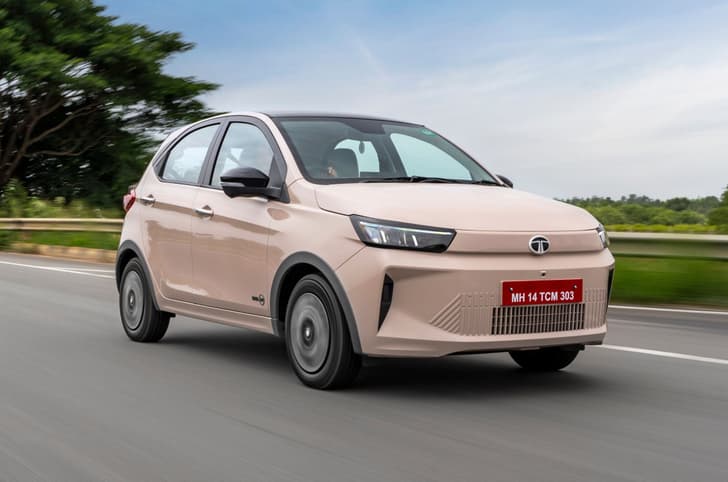
Tata Motors has played a leading role in transforming the Indian passenger vehicle EV market. While experts predict EVs will account for 20 percent of the overall passenger vehicle market by the decade’s end, Tata Motors has declared that over 30 percent of its total sales will come from EVs by 2030-31. Currently, 12-15 percent of its total sales come from EVs.
 Viraaj Bhatnagar
 Dipan Sur
 Dhruv Dhaka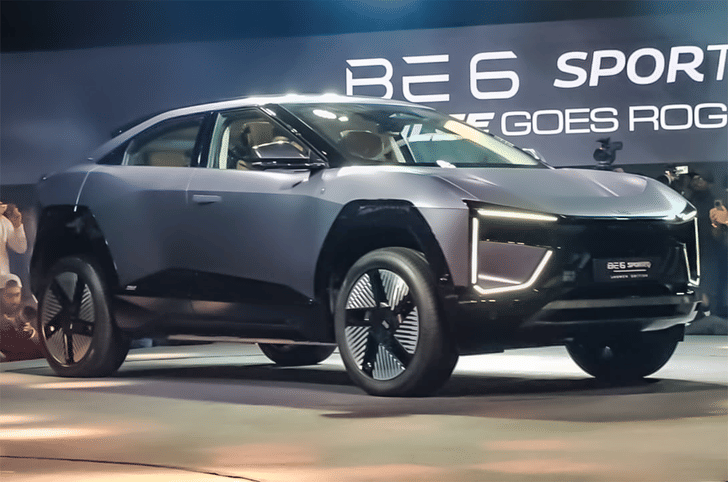
 Saptarshi Mondal