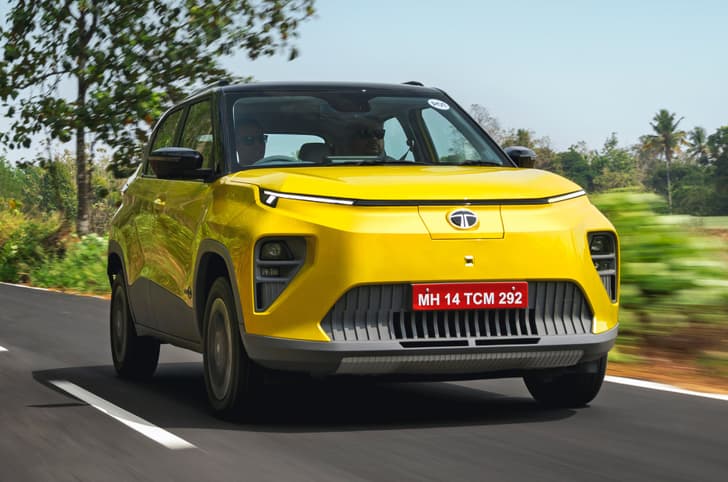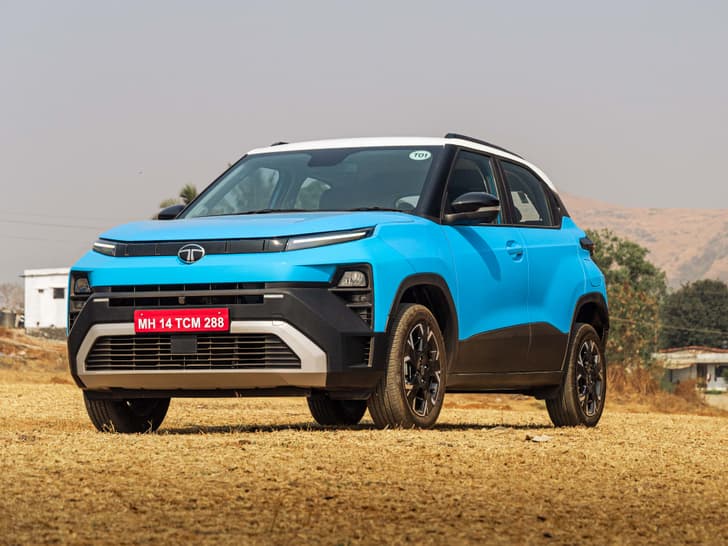
With battery costs falling to a record-low of around $130 (Rs 10,800 approx.) per kilowatt hour, there's a potential to see a mass market electric car with a real-world range of 250km that's priced similar to an ICE-powered vehicle within 18 months, says Shailesh Chandra, MD of Tata Passenger Electric Mobility.
- EVs currently priced 25-35 percent higher than ICE counterpart
- ICE to see price increase, while EV prices will decrease
Speaking at our sister publication Autocar Professional’s India EV Conclave, Chandra said that while early adopters of EVs are willing to pay a 20-30 percent premium over conventional ICE vehicles, mainstream buyers want an EV at the same price as an ICE vehicle. “In the foreseeable future – in less than 1 year, 1 and a half years – you are going to see a car with 200-250km real range in the mass market, hitting that level,” he added.
ICE and EV price trends
The head of India's largest electric carmaker says the future "cost trend is locked in", where the cost of an internal combustion engine will be "inflationary" in nature to meet the future emissions compliance, whereas for EVs will witness a "deflationary" trend with battery costs likely to fall. "It’s a given, EVs will see a deflationary trend. So, there is a breakpoint at some stage that you are going to see," said Chandra.
There are several reasons why battery prices are going down. It's primarily the LFP battery packs – Tata Motors uses LFP, while Mahindra uses NMC – that are becoming more affordable, due to declining raw material costs. This is due to both, a significant increase in lithium production capacity as well as the slowing growth rate of EVs across the globe.
The cost of an electric vehicle over a conventional ICE-powered car is still about 25-35 percent higher due to significant import content and high battery cost. For instance, top-spec variants of the Nexon and Nexon EV are priced at Rs 15.50 lakh and Rs 19.94 lakh (ex-showroom), respectively, which is roughly a difference of about 30 percent.
Chandra believes that with GST at 5 percent, benefit of falling battery cost and benefits accrued out of the government's production linked incentive (PLI) scheme, the company will not only be able to price its products competitively but the EV business will also start generating profits.
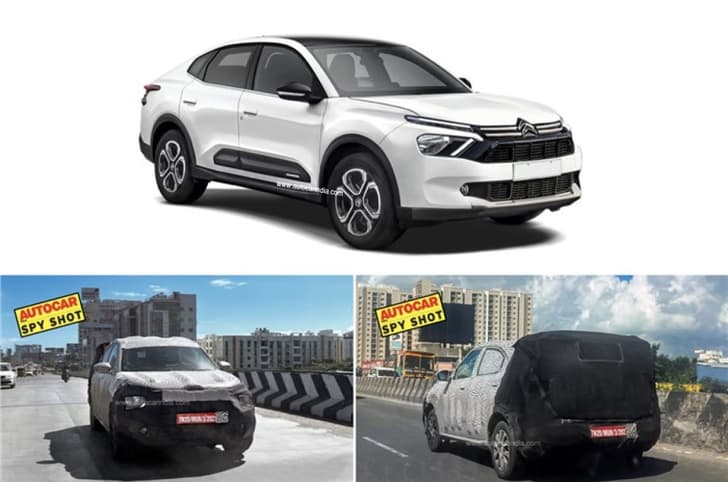
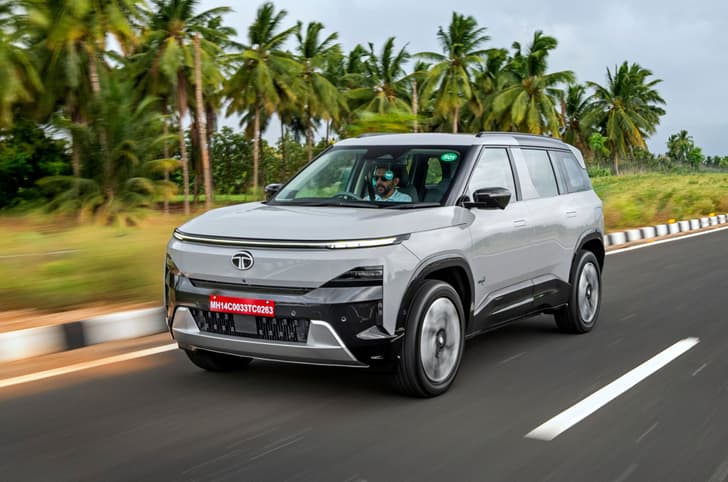
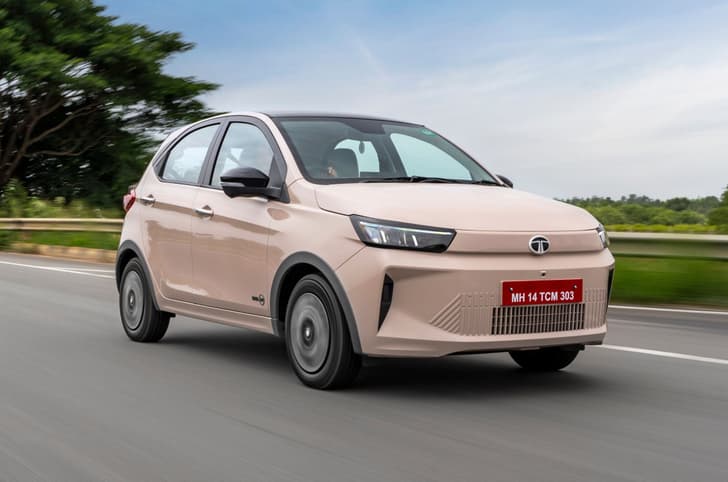
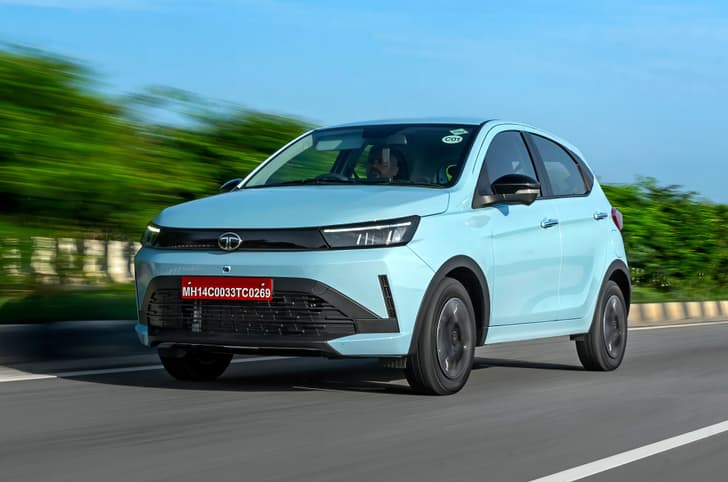
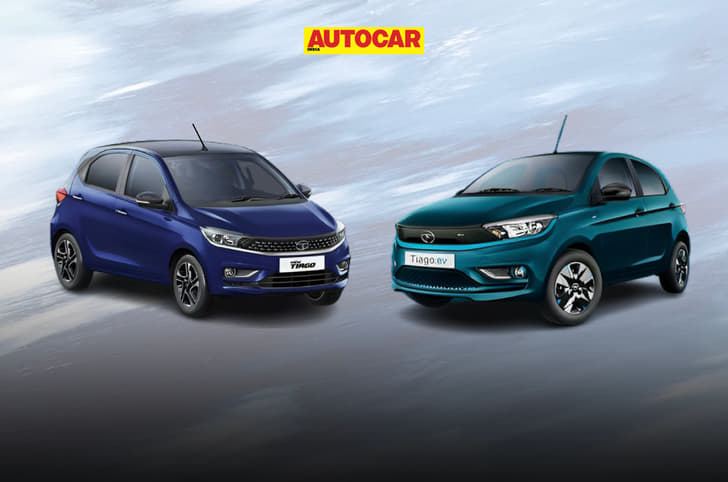
In Tata Motors' portfolio, models such as the Tiago and Tigor EVs have a real-world range of about 200km, and the upcoming Punch EV could also offer a similar range. Therefore, these entry-level models should be able to close the price gap with their ICE counterparts in the future. Tata Motors will also have an electric derivative of the Harrier, and the upcoming Curvv coupe-SUV too will have both ICE and electric versions. However, these larger vehicles with larger batteries may not be able to achieve the same cost competitiveness as the entry-level models.
Tata Motors' share in EVs and investments
Tata Motors on its part has single-handedly helped in creating a market for EVs, and has a predominant share of over 85 percent in the nascent yet fast emerging space. The electric car market in India is likely to cross the 1 lakh mark for the first time ever this financial year, and the company is well on course for a six-digit annual sales mark within a year.
Tata Motors has committed USD 2 billion (around Rs 16,600 crore) in investment for its EV business and it has plans of building a portfolio of 10 electric vehicles by 2025. About 15 percent of its total sales comes from EVs, and the company expects EVs to account for 30 percent of its total volumes by 2025.
 Viraaj Bhatnagar
 Dipan Sur
 Dhruv Dhaka
 Saptarshi Mondal