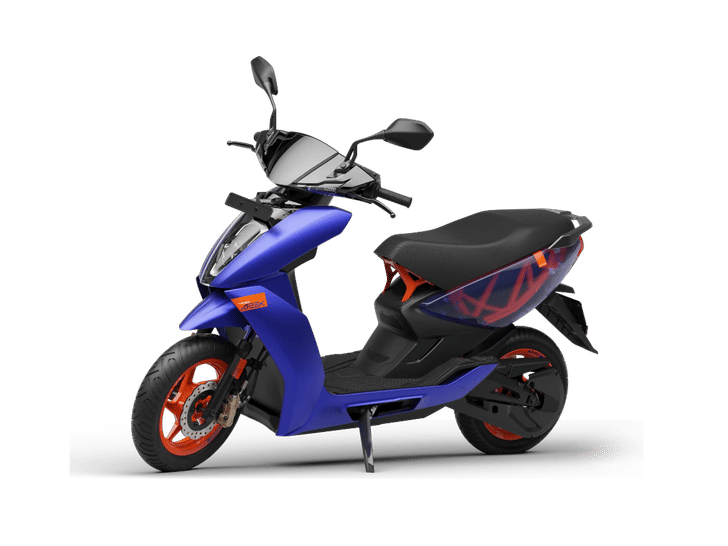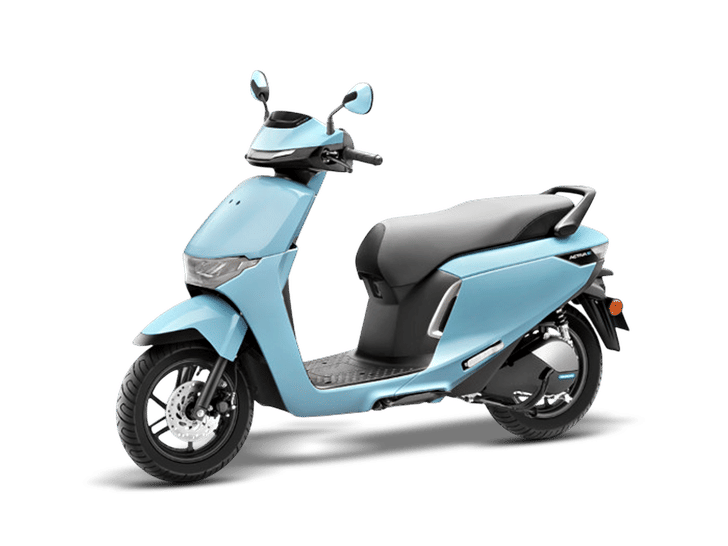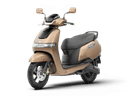

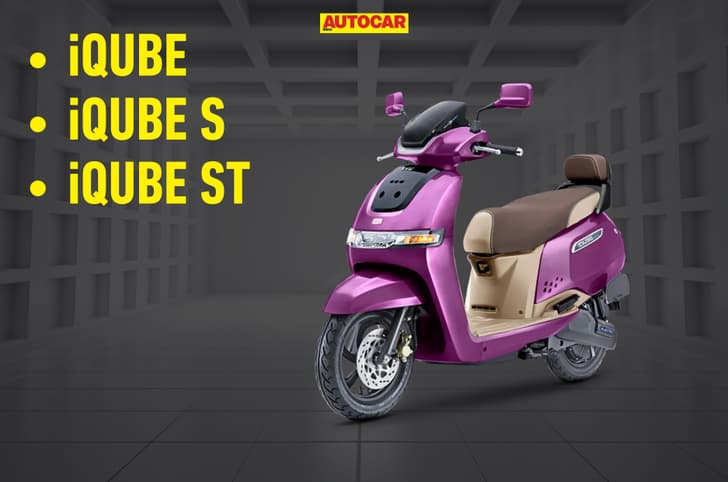
The TVS iQube is offered in three variants – iQube, iQube S, and iQube ST. The base iQube variant is available with three battery capacity options (2.2 kWh, 3.1 kWh, and 3.5 kWh), while the S and ST variants come with fixed larger battery packs. Here’s what else each variant has to offer and what each one costs.
TVS iQube variant breakdown
iQube
The base TVS iQube is offered with three battery pack options – 2.2 kWh, 3.1 kWh, and 3.5 kWh. Across all three versions, the feature list and mechanical package remain largely identical.
The 2.2 kWh battery offers a claimed IDC range of 94km and takes 2 hours 45 minutes for a 0-80 percent charge. The 3.1 kWh version increases the claimed range to 123km, with a 0-80 percent charging time of 4 hours 3 minutes. Meanwhile, the 3.5 kWh option delivers a claimed IDC range of 145km and takes 4 hours 40 minutes for a 0-80 percent charge. The 2.2 kWh variant has a top speed of 75kph, while the 3.1 kWh and 3.5 kWh versions can reach 82kph. All three claim a 0-40kph sprint time of 4.2 seconds.
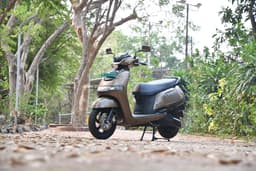
Feature highlights include a 5-inch TFT display, LED lighting, Eco and Power ride modes, and reverse and forward parking assist. Bluetooth connectivity, turn-by-turn navigation, call and SMS alerts, distance-to-empty readout, music controls, and geofencing are also standard.
The base iQube range is priced between Rs 1.11 lakh and Rs 1.33 lakh.
What community is saying on the IQube?
iQube S
The iQube S uses a 4.7 kWh battery pack offering a claimed IDC range of 175km and a top speed of 82kph. Charging from 0-80 percent takes 4 hours, while the 0-40kph acceleration time is rated at 4.3 seconds. In addition to the features offered on the base iQube, the iQube S gets a larger 7-inch TFT display (non-touch), voice assist, and hill hold functionality. The rest of the scooter remains mechanically similar.
The TVS iQube S is priced at Rs 1.55 lakh
iQube ST
The top-spec iQube ST features a 5.3 kWh battery pack delivering a claimed IDC range of 212km and a top speed of 82kph. Charging from 0-80 percent takes 4 hours 18 minutes. Interestingly, the iQube ST is also the slowest accelerating version in the lineup, with a claimed 0-40kph time of 4.5 seconds, likely due to the added weight from the larger battery pack. Building on the iQube S, the ST adds a 7-inch touchscreen TFT display and a tyre pressure monitoring system (TPMS).
The TVS iQube ST is priced at Rs 1.72 lakh
All prices ex-showroom, Bengaluru.
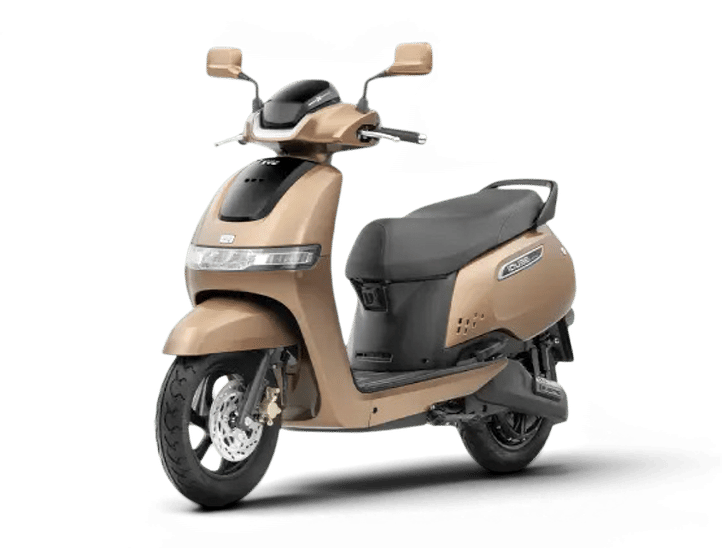
 Ved Janve
 Stephen Raj Antony