Autocar India

Toyota Ebella vs Mahindra BE 6 performance comparison

How does the Ebella in its sole fully loaded variant fare against the BE 6 with the largest battery?
3 min read•4 Sep '26
Glenn NoronhaGlenn Noronha
5K+ views
Toyota Ebella vs Mahindra BE 6

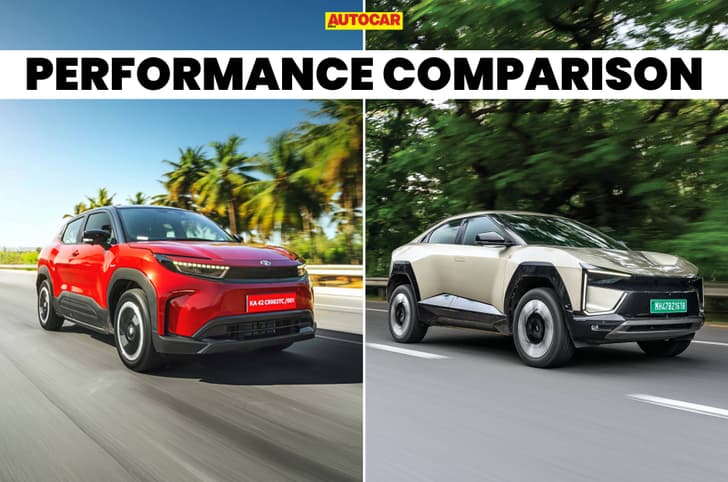
Earlier in 2026, Toyota launched the Urban Cruiser Ebella, its first EV for India. The Ebella competes in the popular electric midsize SUV segment that includes models such as the Mahindra BE 6. First introduced in 2024, the BE 6 was updated in 2026, with ‘Sporteq’ added to its name, along with changes to the feature list and a variant rejig. Here, we’ve tested and compared the real-world performance of the Urban Cruiser Ebella and the BE 6 to determine which one is quicker.

Toyota Ebella vs Mahindra BE 6: Specifications 
Toyota Ebella vs Mahindra BE 6: Specifications
Specifications
Toyota Ebella
Mahindra BE 6
Battery capacity (kWh)
61
79
Electric motor setup
Single, front-mounted
Single motor, rear-mounted
Power (hp)
174
286
Torque (Nm)
193
380
Kerb weight (kg)
1,815
2,115
Power-to-weight (hp/tonne)
95.86
135.22
Torque-to-weight (Nm/tonne)
106.33
179.67
Gearbox
Single-speed automatic
ARAI range (km)
543
708

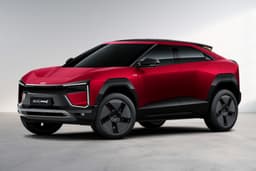
The Urban Cruiser Ebella is powered by a 61kWh battery pack paired with a front-mounted motor. Meanwhile, the larger BE 6’s 79kWh battery pack is mated to a rear-mounted motor. The BE 6 comes across as the more powerful one on paper, with higher power-to-weight and torque-to-weight ratios, but the Ebella is 300kg lighter.

Toyota Ebella vs Mahindra BE 6: Acceleration  

More powerful BE 6 takes the lead here by a fair margin

Toyota Ebella vs Mahindra BE 6: Acceleration (in seconds)
Toyota Ebella
Mahindra BE 6
0-20kph
1.75
1.37
0-40kph
3.32
2.69
0-60kph
4.93
4.00
0-80kph
6.95
5.38
0-100kph
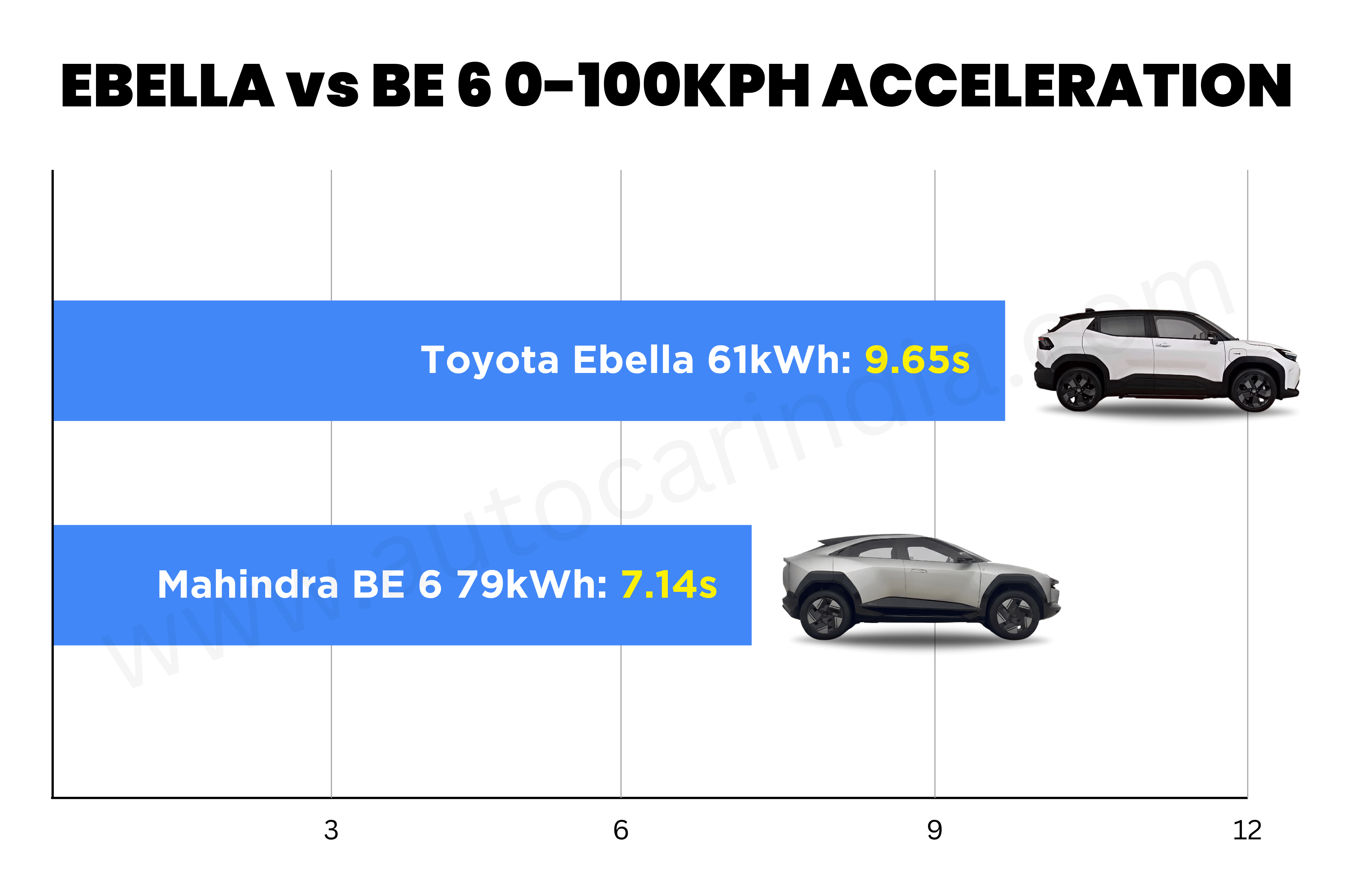
9.65
7.14
0-120kph
13.18
9.48

The BE 6’s more powerful motor helps it get off the line quickly. The Ebella trails behind and fails to catch up while the BE 6 extends its lead to 2.51 seconds at 100kph. Interestingly, the BE 6’s 0-120kph time is even quicker than that of the Ebella’s 0-100kph time. The Mahindra EV’s higher weight doesn’t stop it from outperforming the Toyota. Though both models deliver power in a progressive manner, the Ebella’s much lower torque output is a reason why it is much slower than the BE 6.
Toyota Ebella vs Mahindra BE 6 performance comparison

Toyota Ebella vs Mahindra BE 6: Rolling acceleration 

Ebella is not too far behind in rolling acceleration
Toyota Ebella vs Mahindra BE 6: Rolling acceleration (in seconds)
Toyota Ebella
Mahindra BE 6
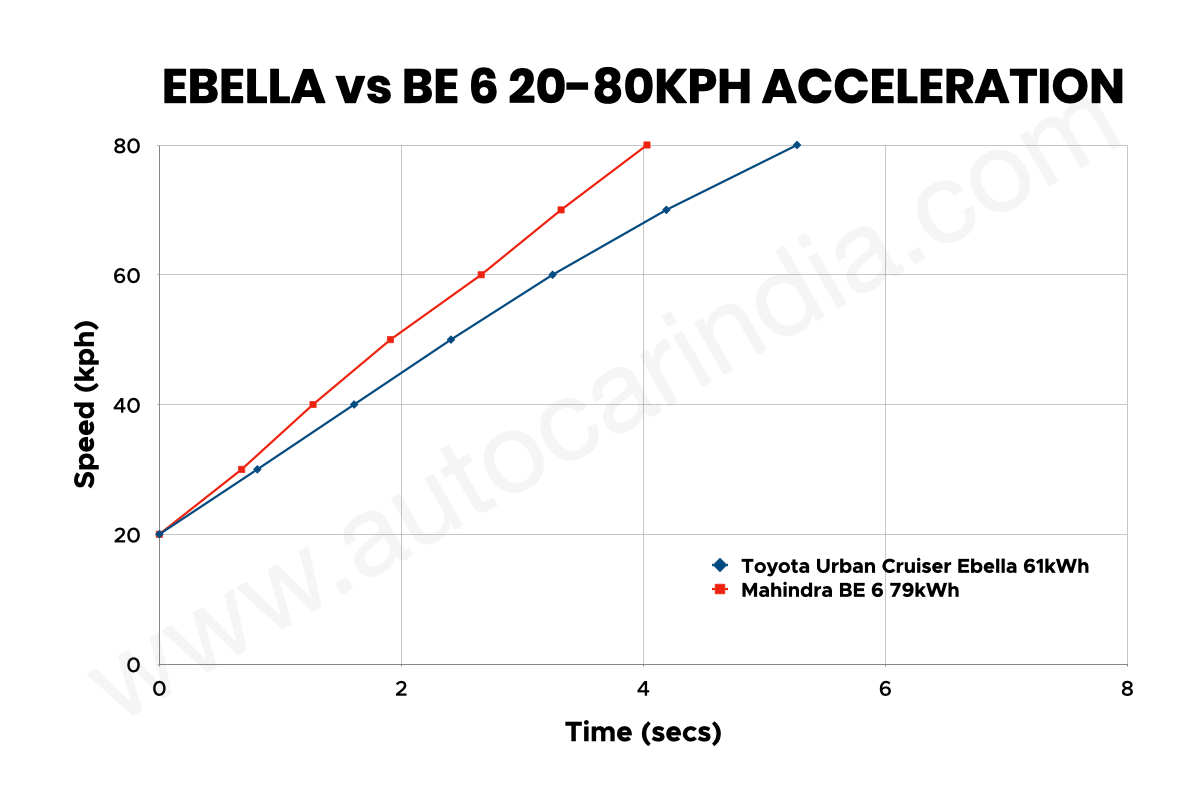
20-80kph (in kickdown)
5.27
4.03
40-100kph (in kickdown)
6.39
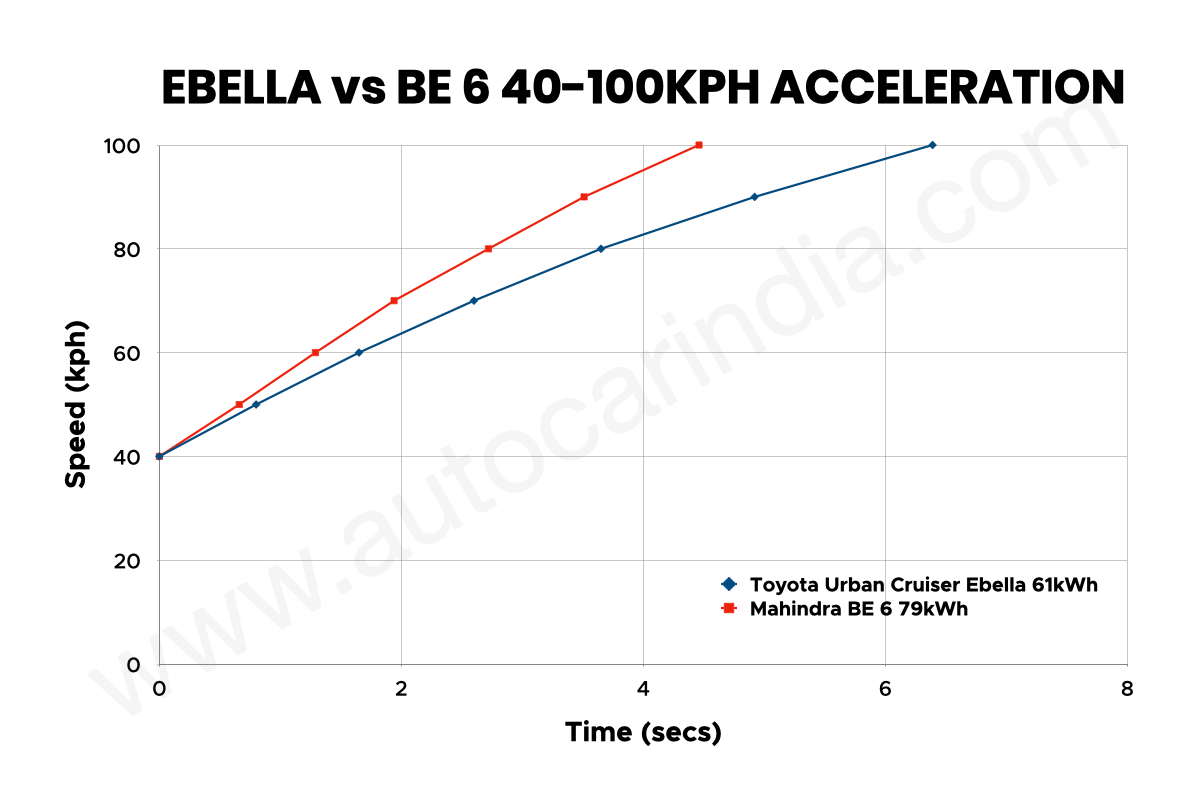
4.46
Toyota Ebella vs Mahindra BE 6 performance comparison

The BE 6 outperforms the Ebella in rolling acceleration as well. It completed the 20-80kph and 40-100kph tests faster by 1.24 and 1.93 seconds, respectively. However, the gap between the two isn’t as much as it was in acceleration tests from a standstill.
Toyota Ebella vs Mahindra BE 6 performance comparison

Toyota Ebella vs Mahindra BE 6: Prices 

Ebella more affordable by up to Rs 3.35 lakh

Toyota Ebella vs Mahindra BE 6: Prices
Toyota Ebella
Mahindra BE 6
Price range (in Rs lakh)
23.60
24.45-26.95* (79kWh)

*BE 6 Sporteq price

As far as price is concerned, the Ebella is available in a single fully loaded trim for Rs 23.6 lakh. On the other hand, the BE6 offers its largest 79kWh battery pack on a few trims. Depending on the trim chosen, the BE 6 is priced up to Rs 3.35 lakh higher than the Ebella.

Autocar India’s testing standards

Before conducting our performance tests, we check and maintain tyre pressures based on the manufacturer’s recommendations and ensure that the car is charged to 100 percent. The car is then tested in a controlled environment with two people on board, and data is collected via highly accurate GPS-based timing equipment.

All prices are ex-showroom, India.
Hear from the

Autocar Community

50+Experts
20,000+Members
7,000+Posts

Join the Discussions

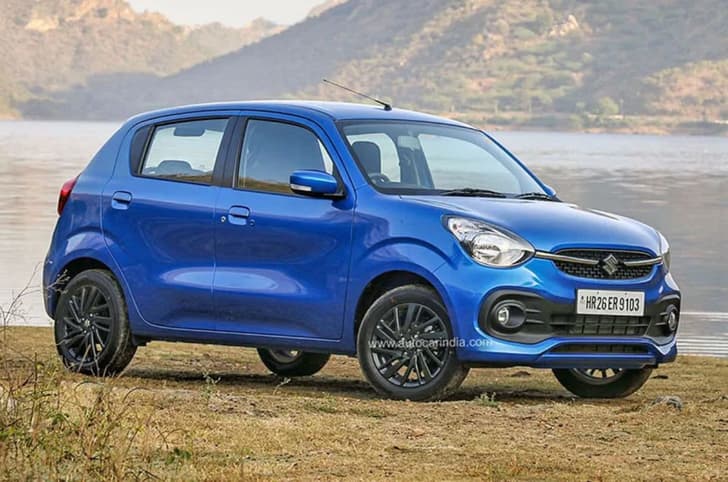
3 reasons to buy the Maruti Celerio and 3 reasons to avoid it

The Celerio is Maruti Suzuki’s most fuel-efficient offering. If you’re planning on buying one, here are some key pros and cons worth keeping in mind.
3 min read•3 Sep '26
Suraj ViswanathanSuraj Viswanathan
Maruti Celerio side static

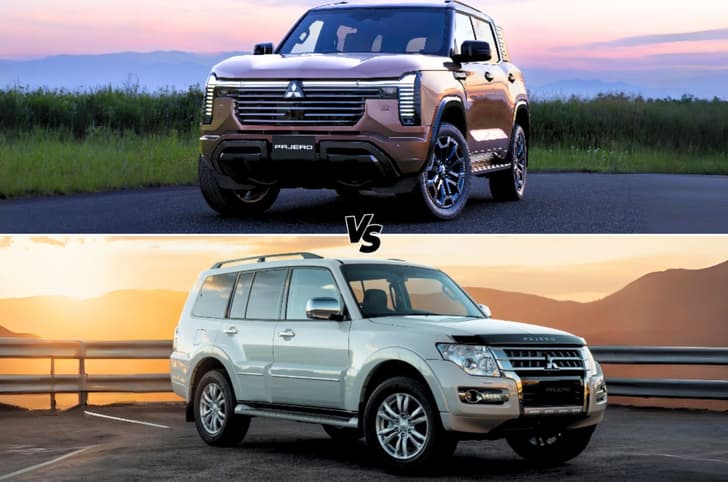
Mitsubishi Pajero: What’s changed from fourth to fifth-generation model

The Mitsubishi Pajero has returned globally with a fifth-generation model 5 years after the nameplate was discontinued.
3 min read•3 Sep '26
Dipan SurDipan Sur
 2026 Mitsubishi Pajero vs 2021 model: Changes explained

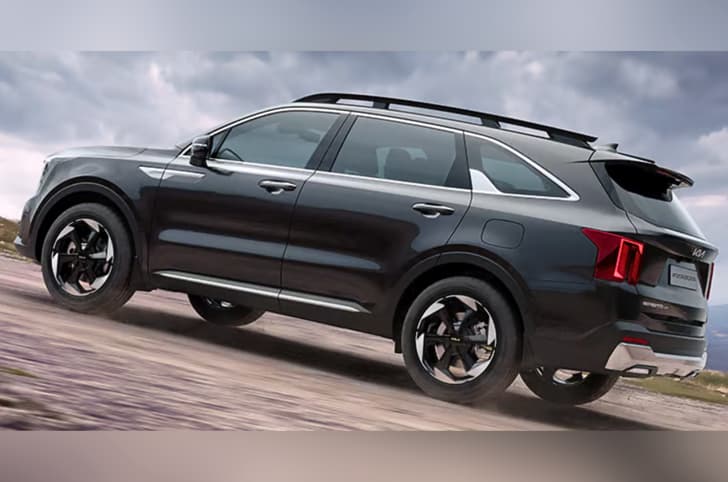
All you need to know about the Kia Sorento ahead of launch tomorrow

Kia’s new flagship SUV for India gets three rows, strong-hybrid and diesel powertrains and will be the brand’s first model here with a hybrid and AWD setup.
3 min read•3 Sep '26
Dhruv DhakaDhruv Dhaka
Sorento

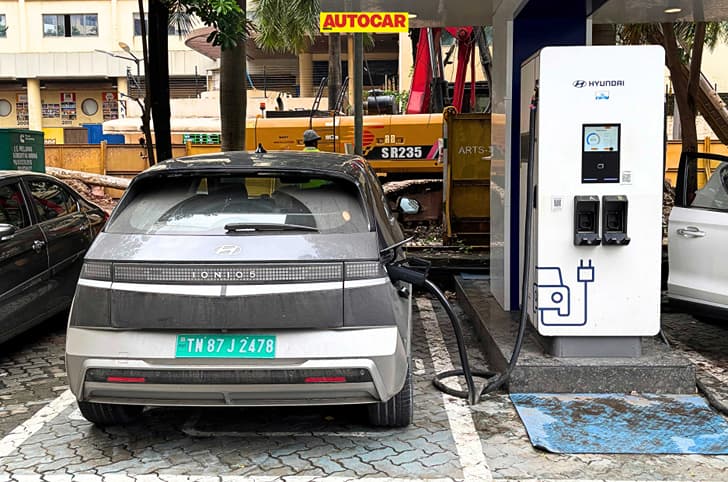
2026 Hyundai Ioniq 5 real world range tested, explained

Based on our real-world tests, here’s the range you can expect from the 2026 Hyundai Ioniq 5.
2 min read•2 Sep '26
Aditya PanickerAditya Panicker
Image showing the Hyundai Ioniq 5's rear profile.

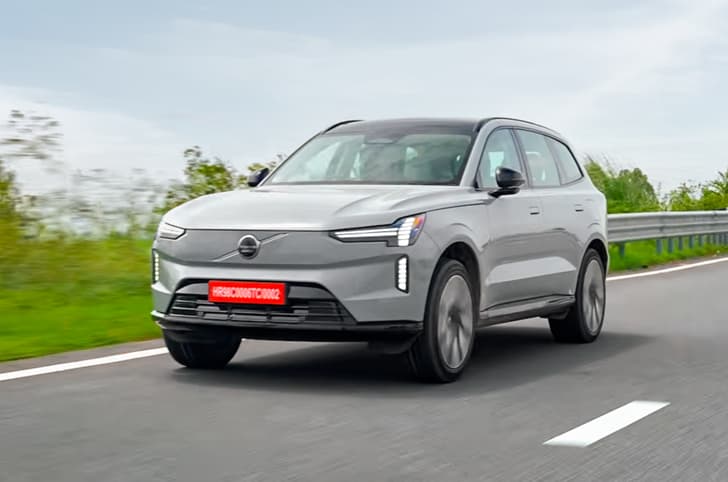
Volvo EX90 pros and cons explained

The Volvo EX90 is set to launch on October 12 and will be available only in the top-spec ‘Ultra’ variant.
2 min read•2 Sep '26
Dipan SurDipan Sur
2 reasons to choose the Volvo EX90, 2 reasons not to

Poll of the month

There will be 12 new Citroen and Jeep launches by 2030. Will this boost interest in these brands?

Yes, fresh models is just what's needed.
Only if sales and service expands alongside.
Won't be enough. Established brands are too strong.
26 votes•92 days remaining

Upcoming Cars

JSW Motors Chery iCAR V23

₹17.00 - ₹20.00 Lakhs

Toyota Land Cruiser FJ

₹30.00 - ₹35.00 Lakhs

Nissan Terrano

₹40.00 - ₹45.00 Lakhs

Jeep SUV

₹15.00 - ₹20.00 Lakhs

Hyundai Palisade

₹50.00 - ₹55.00 Lakhs

Mahindra Cars

Trending Cars

Hyundai Bayon

₹8.00 - ₹15.00 Lakhs

Tata Aeris

₹5.30 - ₹9.75 Lakhs