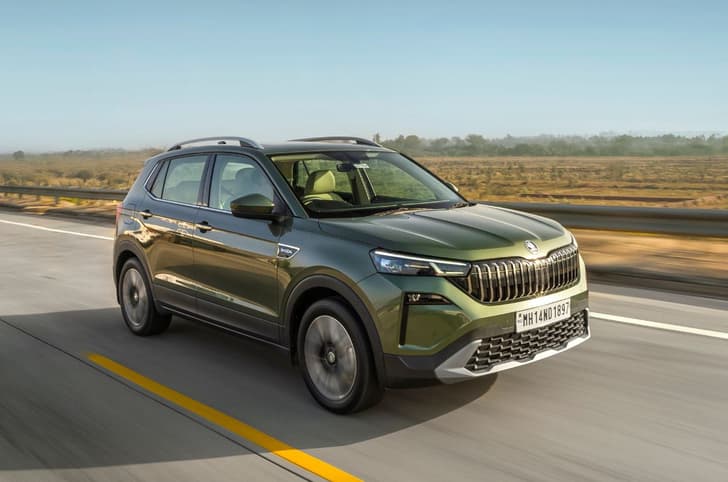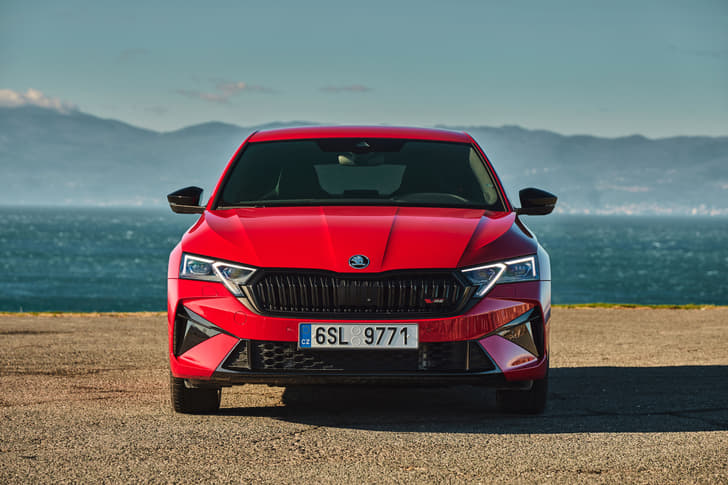



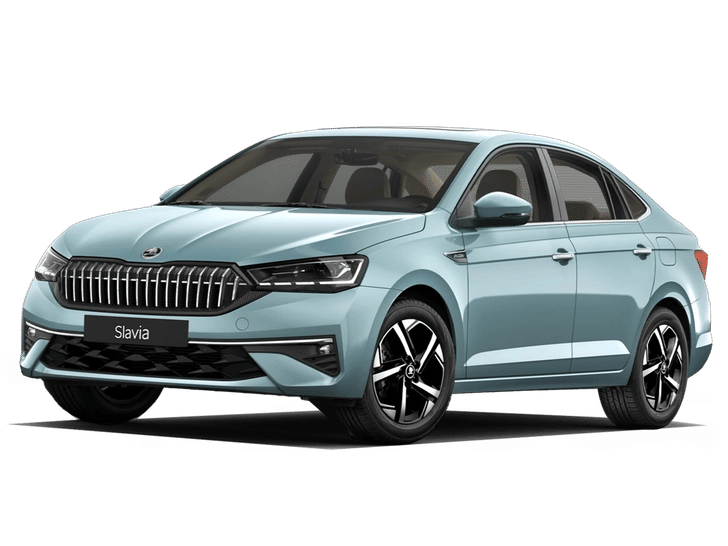
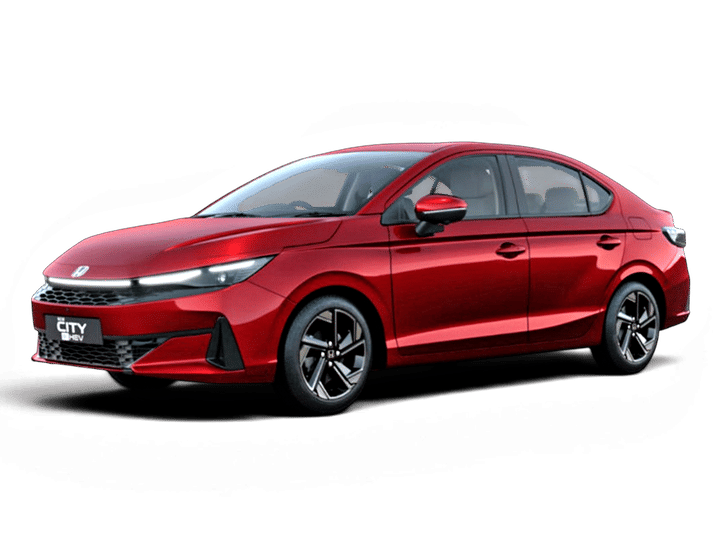
If you’re the kind of buyer who prefers a mid-size sedan over an SUV, the Skoda Slavia and Honda City come across as formidable choices. Previously, we compared the performance of these sedans, in which the Slavia came out on top. But who takes the crown of being the more fuel-efficient model? We’ve compared the real-world mileage of both sedans in their respective petrol automatic versions to find out.
For full specs, features and a price breakdown, check our Slavia vs City comparison.
Skoda Slavia vs Honda City: Specifications
The Skoda Slavia and Honda City couldn’t be more mechanically different from each other. The Slavia gets a 1.0-litre 3-cylinder direct-injection turbo-petrol engine. Meanwhile, the City uses a larger 1.5-litre 4-cylinder naturally aspirated petrol mill. The Honda is more powerful, but the Skoda delivers 33 Nm more torque. Both send power to the front wheels via different gearboxes: an 8-speed torque converter automatic on the Slavia and a 7-step CVT on the City. The Slavia’s fuel tank is 5 litres larger, but it is also up to 90kg heavier than the City.
Skoda Slavia vs Honda City: Real-world fuel efficiency

Despite claiming to offer better fuel efficiency figures, the Slavia is pipped by the City in overall real-world efficiency. The City delivered 13.30kpl on average in our assessment, while the Slavia isn't too far behind at 12.06kpl. In the city, the Honda outdoes the Skoda by 1.37 kpl, though the latter shortens the gap on the highway to 1.1kpl. A reason for the Slavia’s lower figures is its higher kerb weight compared to the City and also the fact that on the day of testing, the ambient temperature went above 40deg C, making the AC work harder, thus affecting efficiency. Though the City misses out on an auto engine start/stop function that's present on the Slavia, it gets an ‘ECON’ mode that prioritises fuel economy.
What community is saying on the Slavia?
Skoda Slavia vs Honda City: Prices
Considering their respective petrol-automatic price ranges, the Slavia is the more affordable and is available in more variants. It costs Rs 2.02 lakh less than the City at the base level and Rs 6,000 less at the top end.
Autocar India’s fuel-efficiency testing
Before our real-world fuel-efficiency tests, we fill our test cars’ tanks to the brim and maintain tyre pressures based on the manufacturer’s recommendations. These cars are driven in fixed city and highway loops in and around Navi Mumbai, and we maintain certain average speeds. Throughout the tests, there is only one person in each car, operating the air conditioner and other electricals, such as the audio system, indicators and wipers, when required, just like a regular user would. Periodic driver swaps further neutralise variations in driver patterns. At the end of each cycle, we calculate efficiency by filling the tanks to full again.
All prices are ex-showroom, India.

 Uday Singh

 Suraj Viswanathan
 Dipan Sur