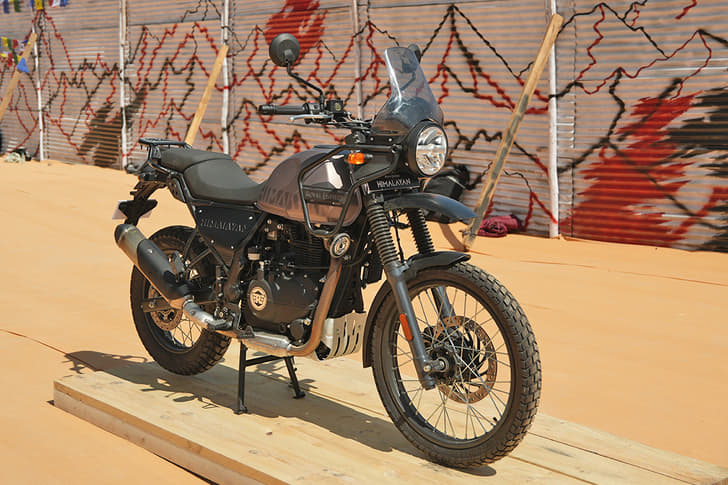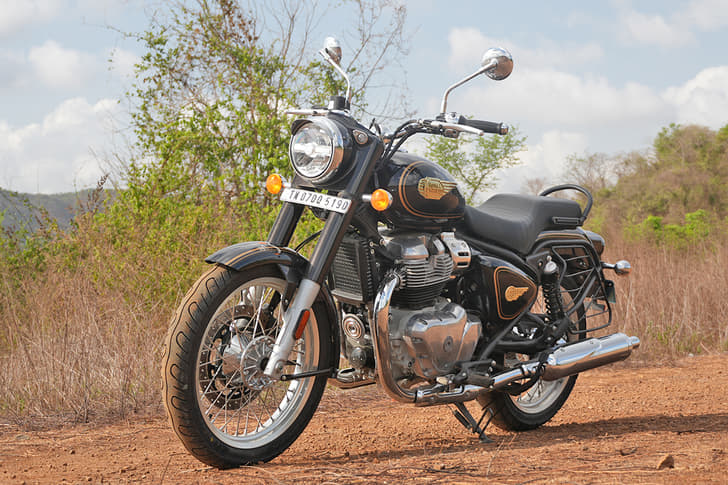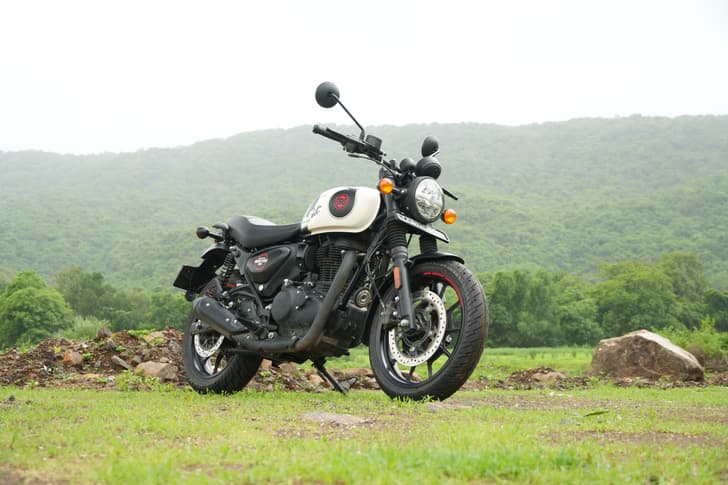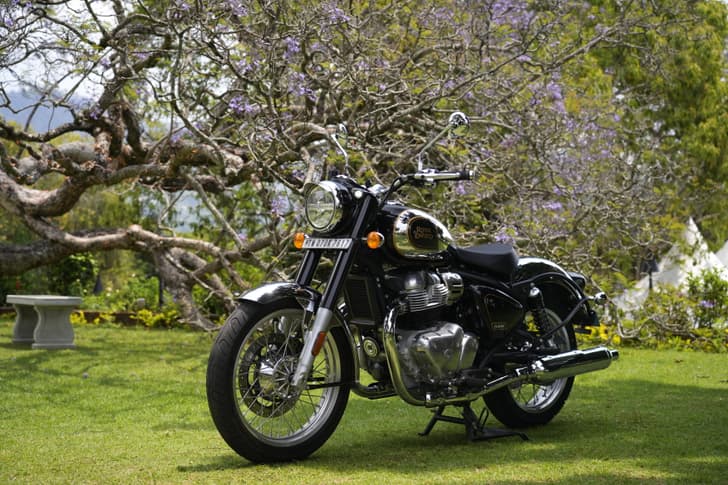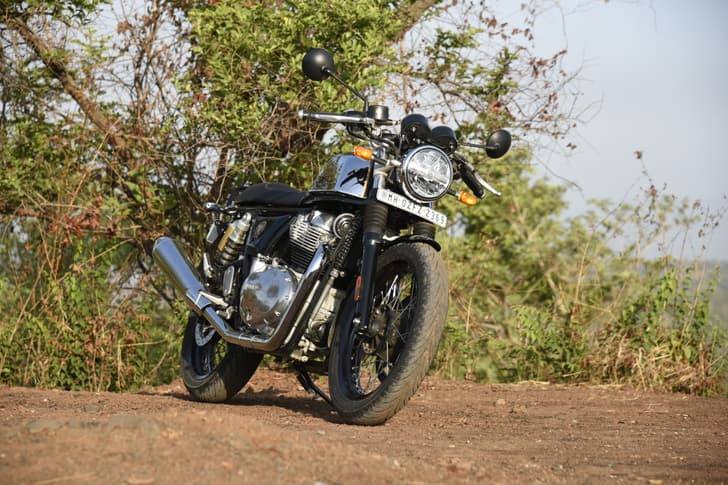



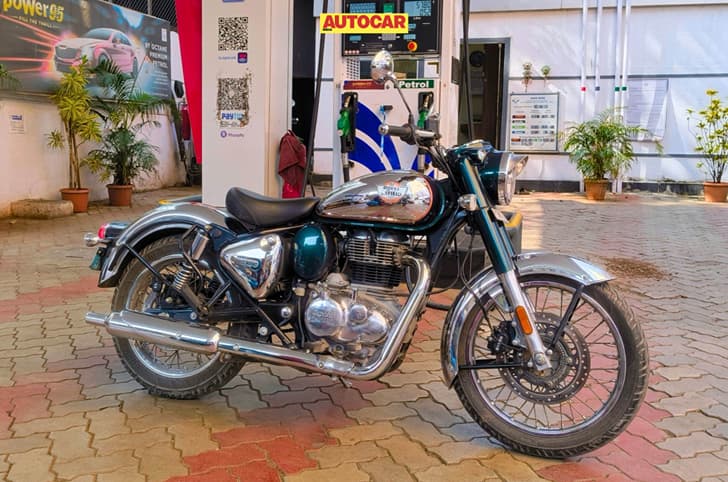
The Royal Enfield Classic 350 has been out in its current form - more or less - for over five years now and has received small updates along the way in the form of LED lighting and a slip/assist clutch. With noteworthy changes having taken place to the composition of fuel now sold across the country and us having some quality seat time aboard this charmer of a motorcycle recently, now’s a good time to revisit the subject of the Classic’s fuel economy.
Royal Enfield Classic 350 real-world fuel efficiency
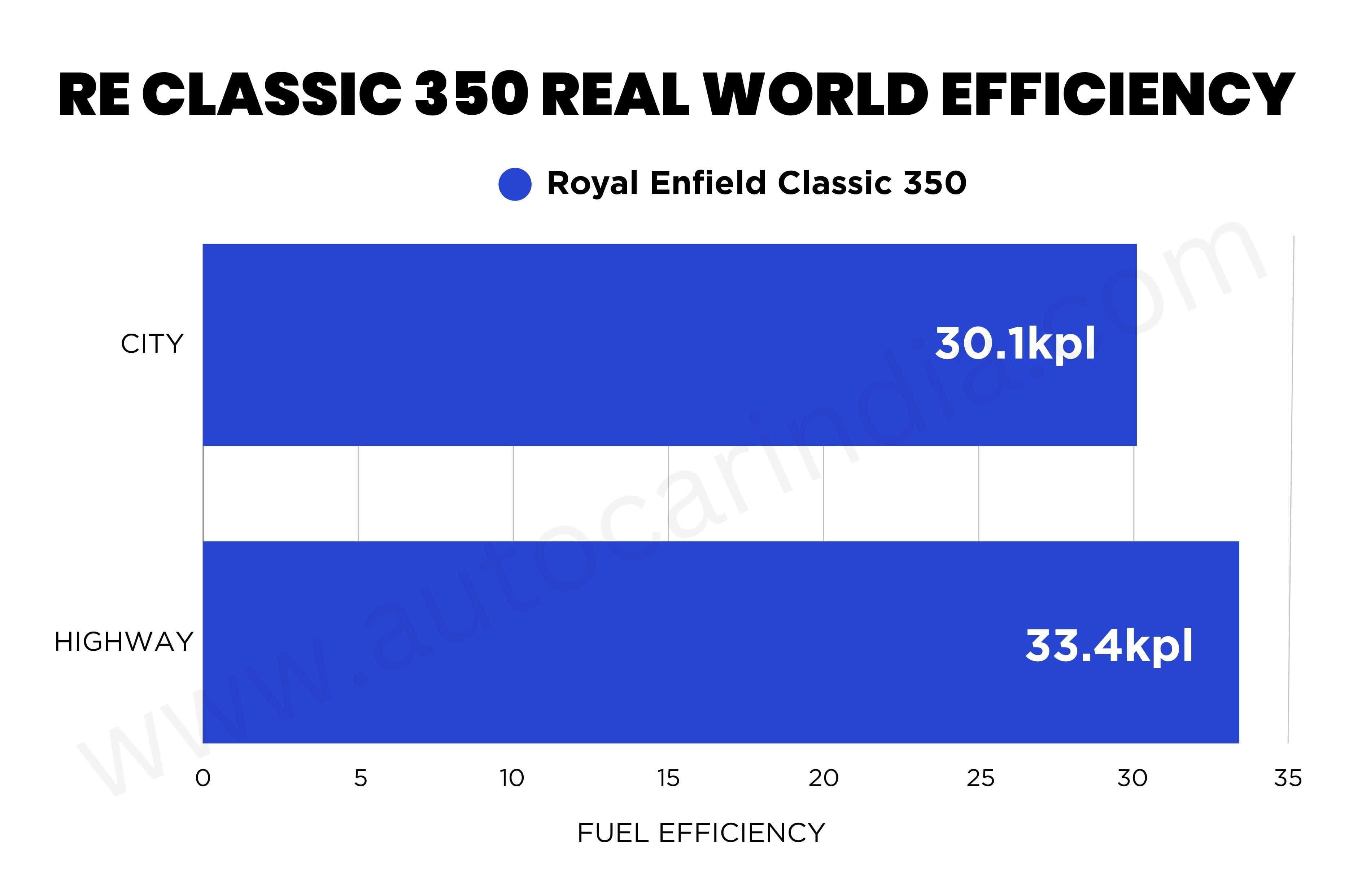
It returned 33.4kpl on the highway, 30.1kpl in the city
As is our habit, we first pointed the Classic 350 towards our usual highway loop where we covered just over 50km, after which it needed 1.52 litres of fuel to brim the tank.
Then, we headed to the jam-packed street and busy bylanes of South Mumbai where we covered another 50km, after which the bike needed a higher 1.66 litres of fuel to fill its tank up once more. Therefore, we got a fuel efficiency reading of 30.1kpl.
Royal Enfield Classic 350 fuel economy analysis
What community is saying on the Classic 350?
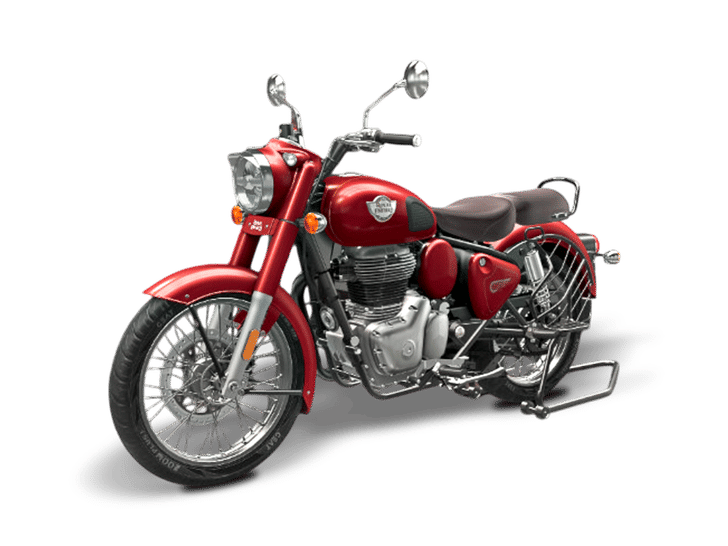
Torquey nature and well-judged gearing work well in tandem
One of the hallmarks of the Classic 350’s J-series engine is the way it effortlessly delivers most of its torque in the low and mid range making for a very relaxed riding experience. That same attribute also pays dividends when it comes to fuel efficiency. Since you never need to wring the motor’s neck to make quick progress, it stays relatively unstressed and sips fuel in a more measured manner.
What also aids the Classic’s fuel efficiency is its well-judged gearing that ensures you get responsive acceleration without having to work the motor hard - again, helping keep fuel consumption in check.
All that being said, the Classic weighs 195 kilos and when you have to push that much mass down the road, especially in staccato traffic conditions like we see in most major Indian metro cities, fuel efficiency is likely to be impacted by it. Then there is also the fact that air-cooling is a relatively more primitive method of keeping the engine internals cool and that also has an impact on fuel efficiency.
Autocar India’s fuel-efficiency testing
Our fuel-efficiency testing routine starts by first brimming the tank and ensuring the bike is running the manufacturer’s recommended tyre pressures. The bike is then ridden on fixed city and highway routes, where we maintain average speeds that best mimic real-world scenarios as well as keeping speed limits in mind. The payload on the bikes is kept constant by balancing rider weights and ballast, ensuring consistency across different vehicles and riders. At the end of the test cycle, the fuel tank is once again filled to the brim, giving us an accurate figure of how much fuel has been consumed against the trip meter reading.


 Stephen Raj Antony


 Vishal Venugopal
 Suraj Sreekumar