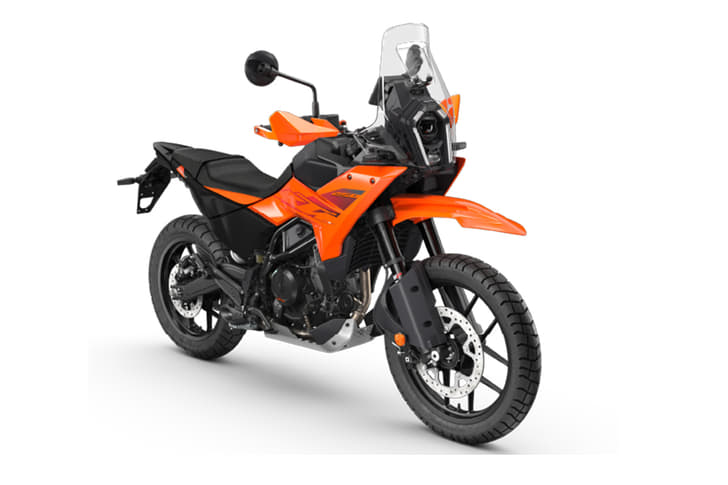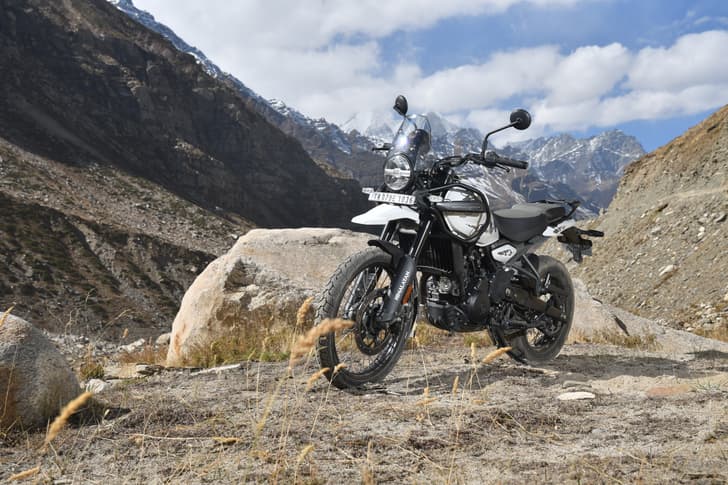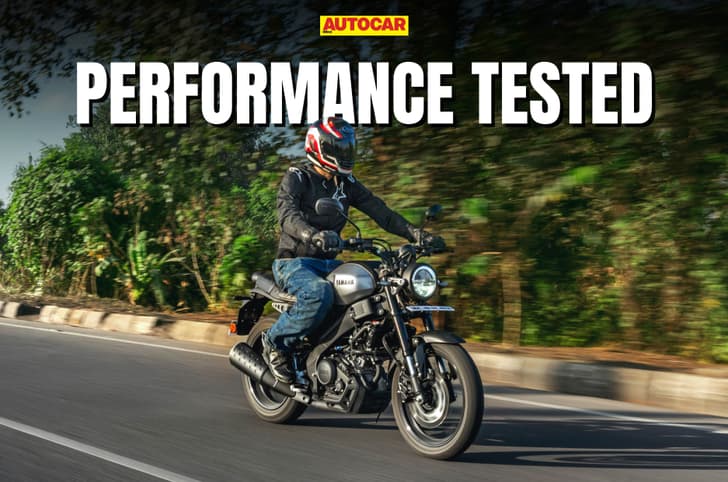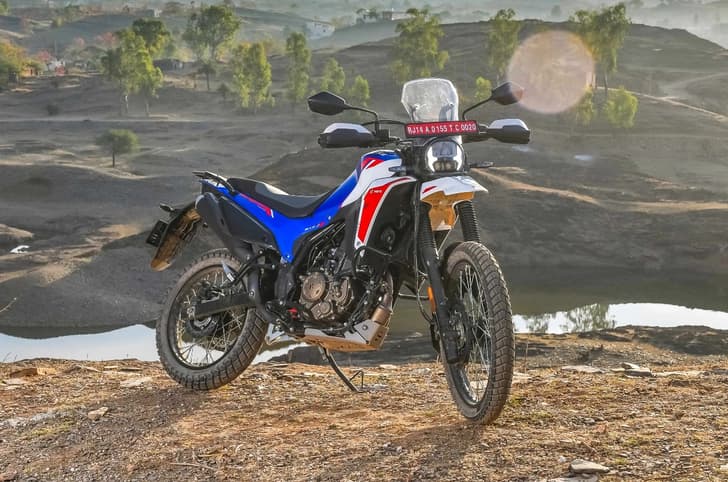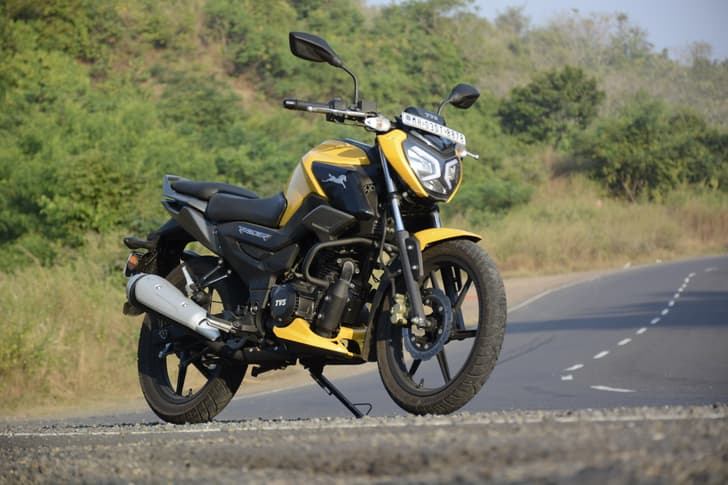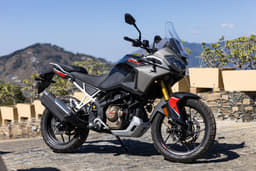

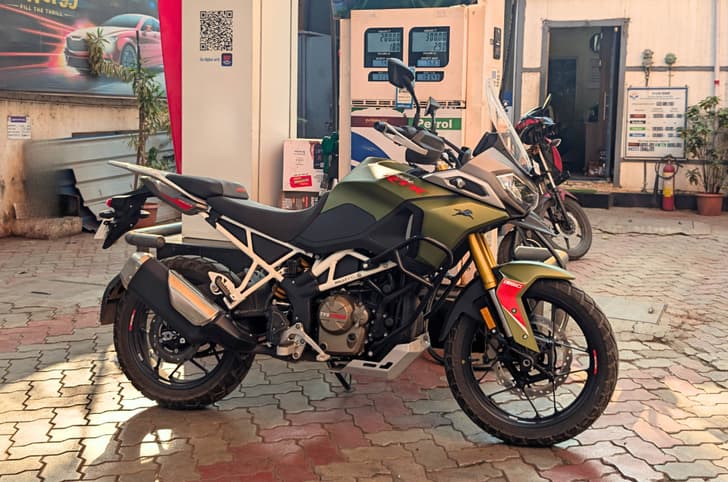
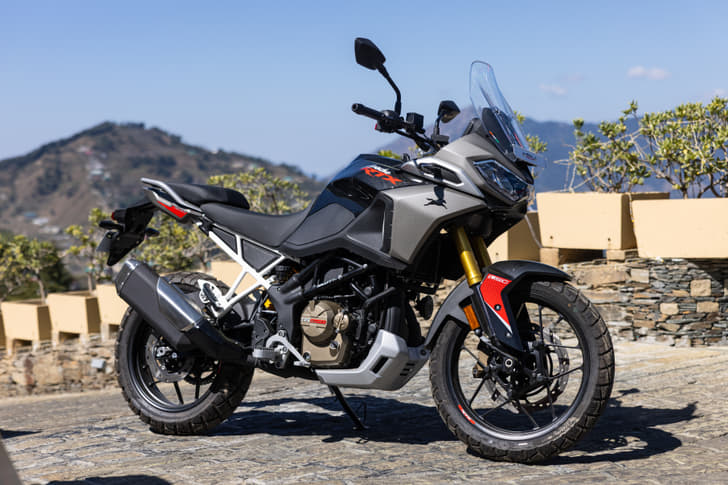
The TVS Apache RTX 300 marks a couple of firsts for the Hosur-based brand. It is not only the first ADV from TVS but also debuts a new 300cc engine which will also underpin future models. We were recently able to spend an extended period of time aboard the RTX and subject it to our instrumented fuel economy tests. Here’s how TVS’ first adventure bike fared.
TVS Apache RTX 300 real world mileage
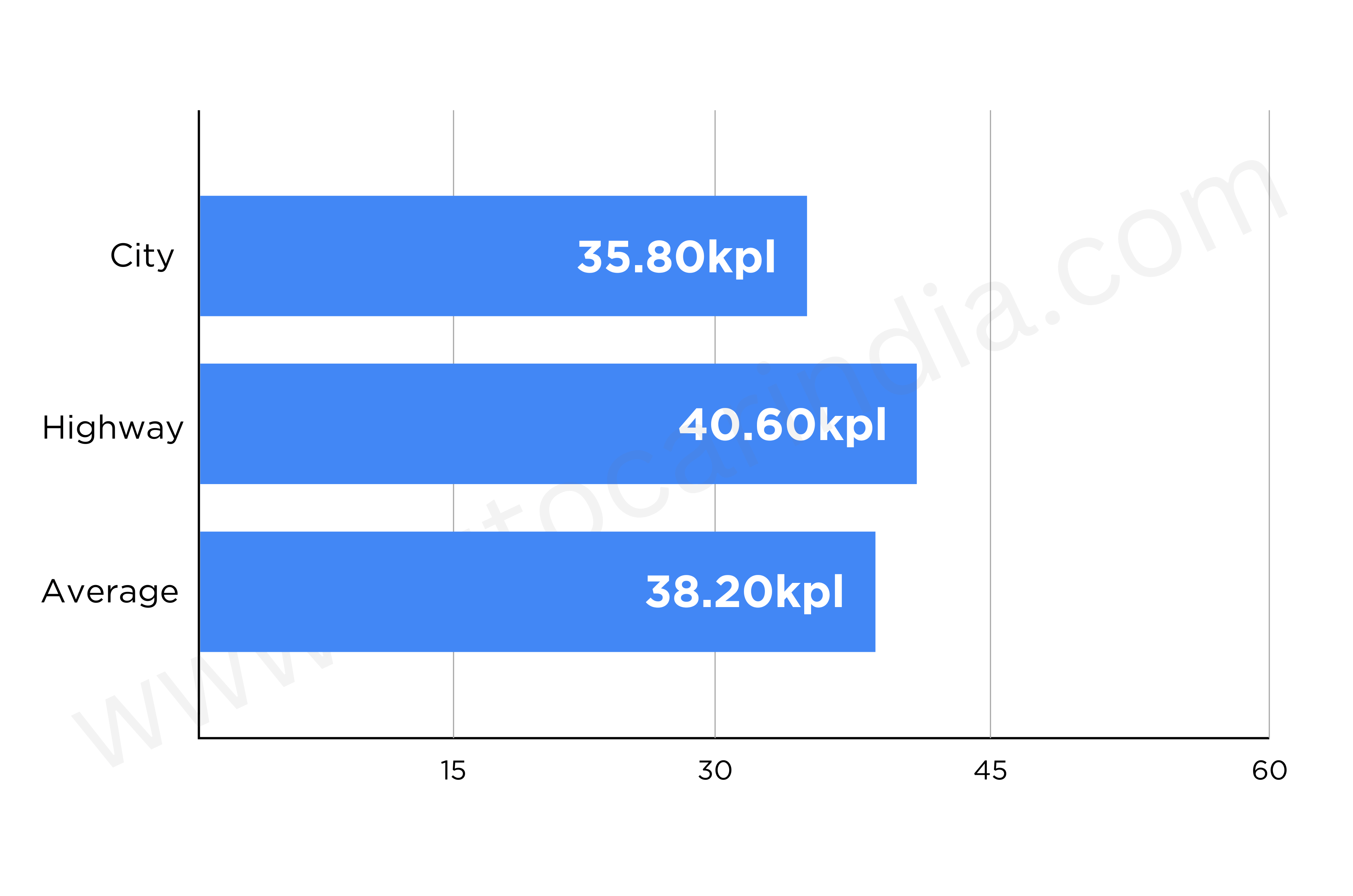
RTX averaged 38kpl in our tests
As per our routine, we first ran the Apache RTX 300 on the highway for - a longer than our usual 50km round trip - nearly 65km, after which it needed 1.6 litres of fuel to brim the tank. Therefore, we arrived at an impressive highway fuel economy of 40.6kpl.
Once that was completed, we headed to the notoriously busy streets of South Mumbai where we ran the newest Apache for just under 50km. Since it needed 1.3 litres of petrol to brim its tank once more, we arrived at a city fuel economy of 35.8kpl.
TVS Apache RTX 300 fuel economy analysis
New 300cc engine is tractable and has well-spaced gear ratios
Considering that this is an all-new engine, there was no reference point for the RTX going into our tests. Inside the city, what works in the RTX’s favour is that the engine is nicely tractable necessitating gentle throttle openings therefore consuming less fuel. Out on the highway, riding so that we are complying with the legal speed limit of 80kph, the RTX’s motor feels stress-free cruising in top gear.
Then there’s also the fact that since the engine only displaces 300cc fuel economy is bound to be much better than other 400cc rivals. Since the engine is reasonably fuel efficient - despite having just a 12.5 litre fuel tank - the RTX can realistically manage well over 300km on a fuel tank, even if ridden at fast triple-digit highway speeds.
Autocar India’s fuel-efficiency testing
Our fuel-efficiency testing routine starts by first brimming the tank and ensuring the bike is running the manufacturer’s recommended tyre pressures. The bike is then ridden on fixed city and highway routes, where we maintain average speeds that best mimic real-world scenarios as well as keeping speed limits in mind. The payload on the bikes is kept constant by balancing rider weights and ballast, ensuring consistency across different vehicles and riders. At the end of the test cycle, the fuel tank is once again filled to the brim, giving us an accurate figure of how much fuel has been consumed against the trip meter reading.

 Vishal Venugopal
 Ved Janve
 Stephen Raj Antony