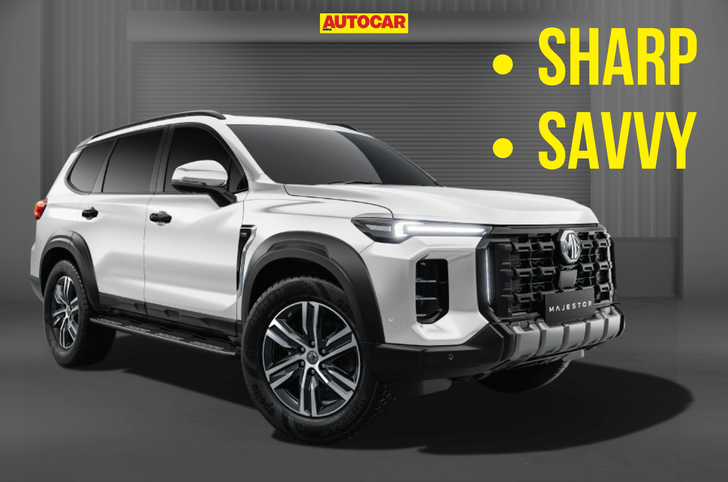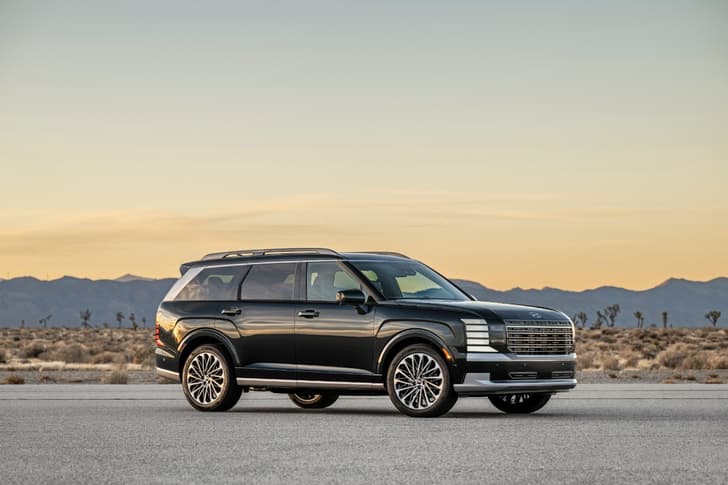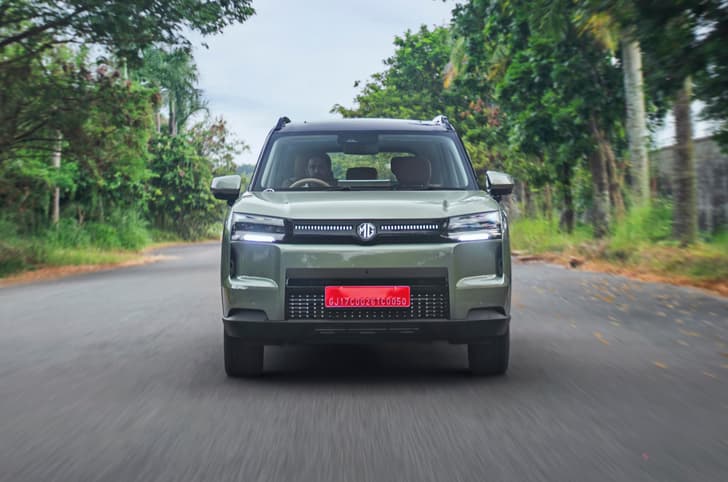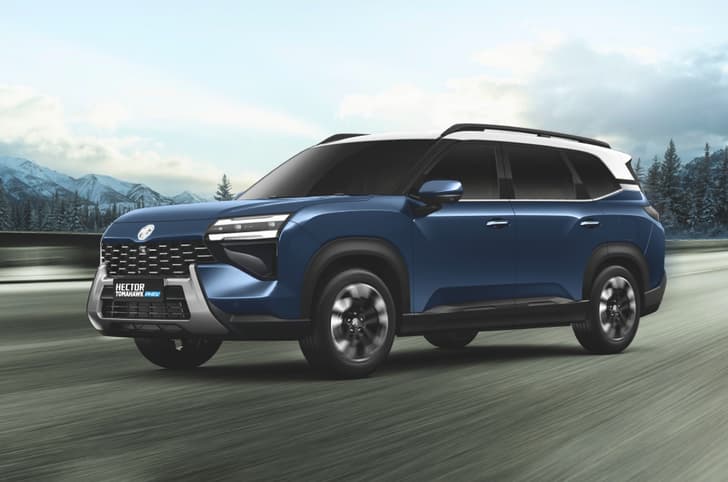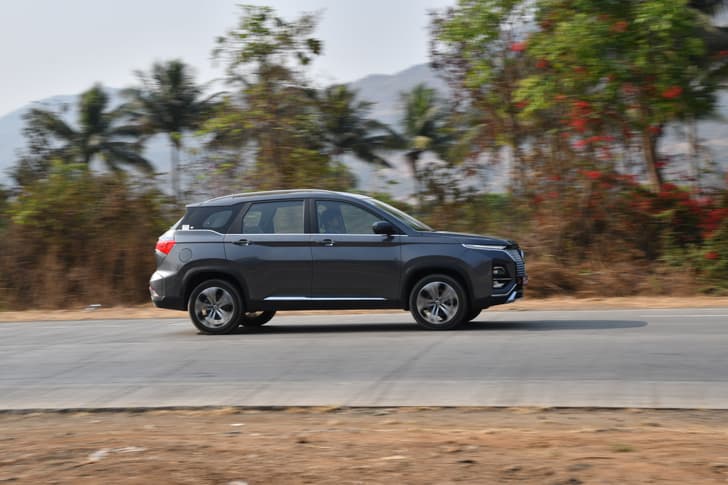


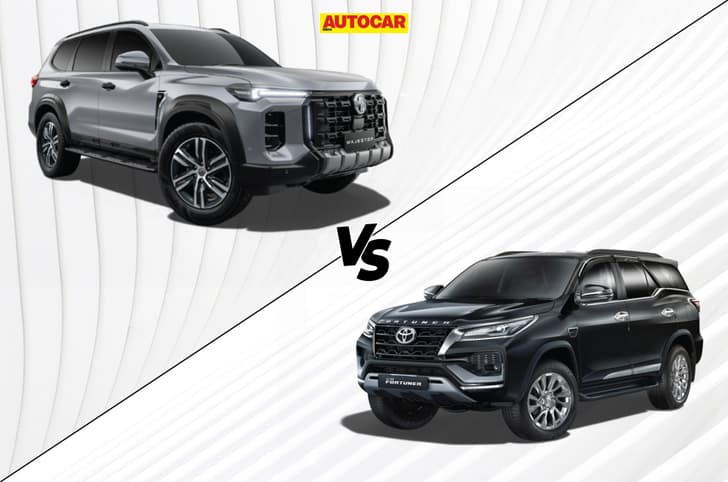
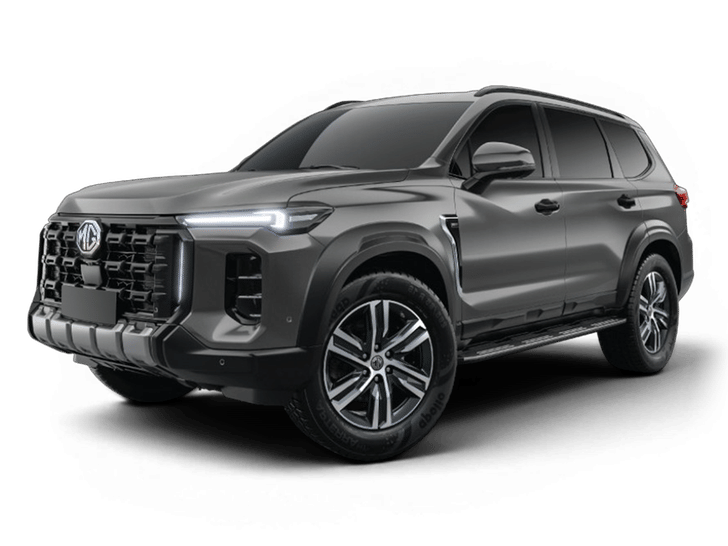
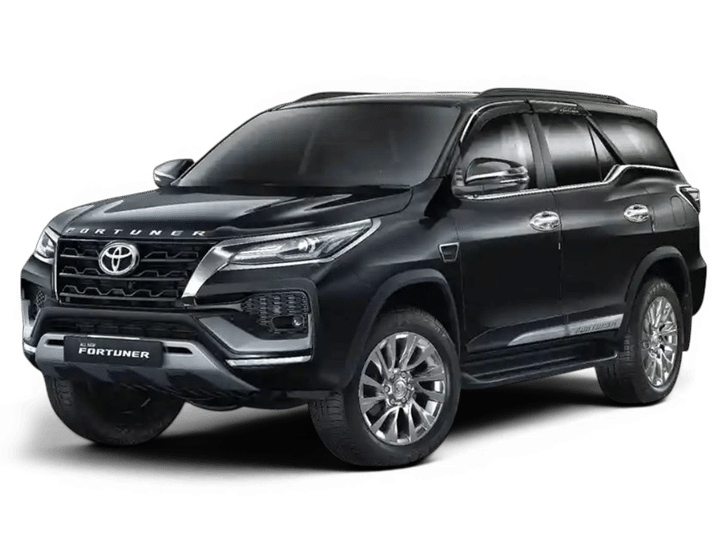
The new MG Majestor replaces the Gloster as the brand’s flagship ICE-powered model. The Majestor is not only larger, but it also has a significantly expanded feature list. On the other hand stands the Toyota Fortuner, a name that has built a cult-like reputation in the premium SUV space over the years; the discontinuation of the Ford Endeavour in 2021 has further narrowed options for buyers in this segment. All of this makes for a compelling matchup in our top trim comparison series, where the newest entrant goes up against the venerable Japanese off-roader.
MG Majestor vs Toyota Fortuner: Powertrain specs
The Majestor is relatively down on engine displacement, but its twin-turbocharged unit produces 11hp more. The Fortuner’s single-turbo diesel engine, assisted by a 48V mild-hybrid system, makes 22Nm more peak torque. Both SUVs feature an automatic gearbox in their respective top-spec trims, but the Majestor has an 8-speed unit instead of the Fortuner’s 6-speed one. Also, Fortuner’s 80-litre diesel tank capacity is 5 litres more.
MG Majestor vs Toyota Fortuner: Off-road hardware
On the off-road hardware front, both SUVs tick all the fundamental boxes expected from proper ladder-frame off-roaders. The Majestor and Fortuner get a 4WD system with low range and hill-hold, as well as hill-descent control. The top-spec Majestor is also available in two-wheel-drive guise, something the Fortuner does not offer.
The highlight here is the Majestor’s three differential locks – front, centre and rear – and 10 terrain modes. Up front, both use a double-wishbone suspension setup, but the key distinction lies at the rear, where the Majestor employs a more sophisticated 5-link suspension compared to the Fortuner’s 4-link unit.
MG Majestor vs Toyota Fortuner: Dimensions
The MG Majestor is the larger SUV here in every measurable aspect. It is 251mm longer, 161mm wider and 41mm taller, and it sits on a 205mm longer wheelbase. Taken together, these larger dimensions could translate to more space, especially in the second and third rows.
The Majestor also rides on larger 19-inch wheels, 1 inch bigger than the Fortuner’s. It offers a claimed 810mm water-wading capacity, which is 110mm more than the Fortuner’s, and a larger 343-litre boot (all seats up), giving it a 47-litre advantage. The Fortuner claws back with just a small advantage in ground clearance, standing 6mm taller at 225mm, which may benefit off-road usability.
MG Majestor vs Toyota Fortuner: Features
There isn’t much separating the two when it comes to exterior features in their top-spec trims, as both offer the expected bits like LED headlights, outside rearview mirror (ORVM)-mounted turn indicators and a rear wiper and washer.
*Option available with 2WD version only
Unlike the exterior, the difference is huge on the inside, with the MG Majestor clearly taking the lead in interior tech and comfort. It packs a larger 12.3-inch touchscreen compared to the Fortuner’s 8-inch unit, along with wireless Android Auto and Apple CarPlay, whereas the Toyota sticks to a wired setup. The Majestor also ups the ante with a 12-speaker audio system and a fully digital 12.3-inch driver’s display, while the Fortuner gets a simpler analogue-digital cluster and an 11-speaker sound system.
Comfort features also tilt the scale in the Majestor’s favour. It offers 3-zone automatic climate control over the Fortuner’s 2-zone setup, two wireless chargers and even massaging and ventilated seats at the front. The option of a 6-seater layout with captain seats in the second row is offered only by the Majestor.
What community is saying on the Majestor?
When it comes to safety, both SUVs cover the essentials, but they take slightly different approaches. The Fortuner edges ahead in passive safety with 7 airbags. The Majestor fights back strongly on the tech front by offering Level 2 ADAS, something the Fortuner simply does not get. Another key distinction lies in the parking brake setup. The Majestor gets an electronic parking brake, which feels more modern and convenient, while the Fortuner sticks with a manual unit. The optional 360-degree camera is quite surprising for the Fortuner, considering the segment.
MG Majestor vs Toyota Fortuner: Prices and verdict
*6/7 seater
**7 seater only
Between the MG Majestor Savvy and the Toyota Fortuner Neo Drive, the MG SUV is our pick. It has a larger footprint, which should enhance road presence, and it offers more features. If you do not need four-wheel drive, the two-wheel-drive version also saves you Rs 2.13 lakh over the Rs 43.12 lakh Fortuner Neo Drive. The 2WD Majestor Savvy gives you a choice between six and seven seats as well, while the Fortuner is only available as a seven-seater.
Should you need four-wheel drive, stretching your budget to the Rs 44.99 lakh Majestor Savvy 4WD still makes sense as it gives you more off-road hardware, including front and centre differential locks, higher water-wading ability and twice as many terrain modes as the Fortuner.
That said, the Fortuner is by no means an incapable off-roader, and it has proven itself over the years. Strong resale value, hassle-free ownership and Toyota’s reputation for reliability also continue to work strongly in its favour.
Ex-showroom prices mentioned above are as of May 27, 2026.


 Glenn Noronha
 Dipan Sur