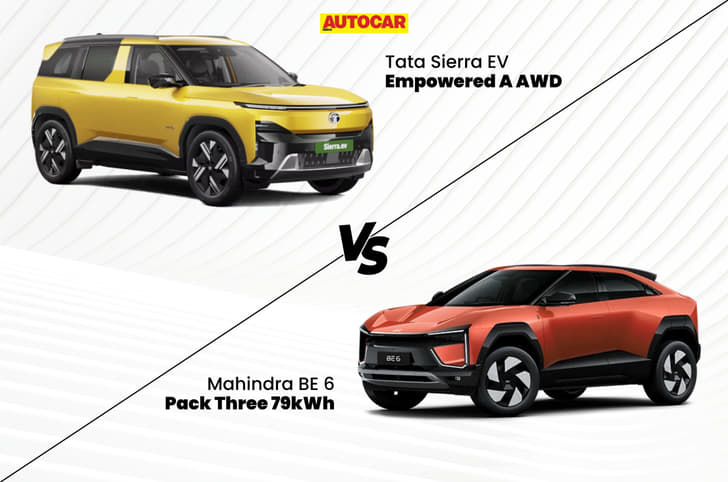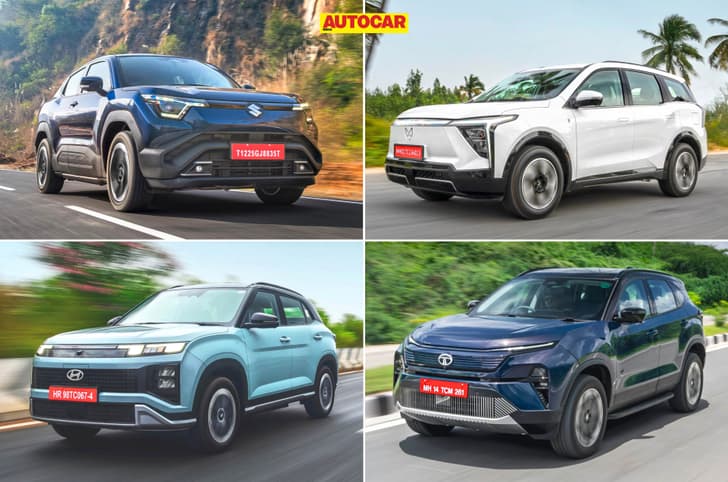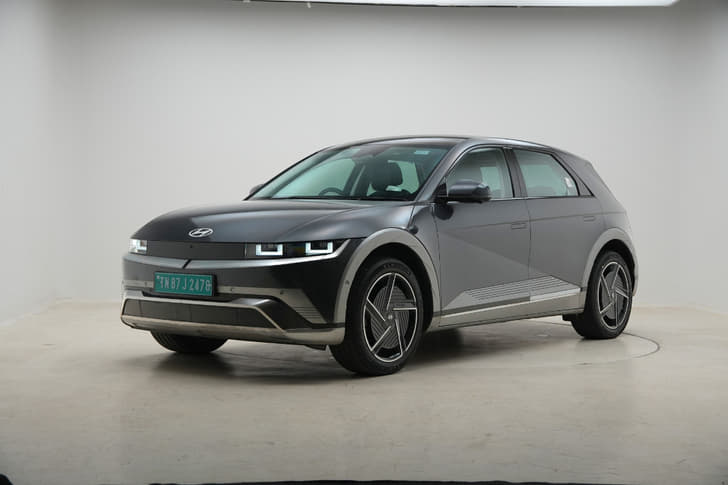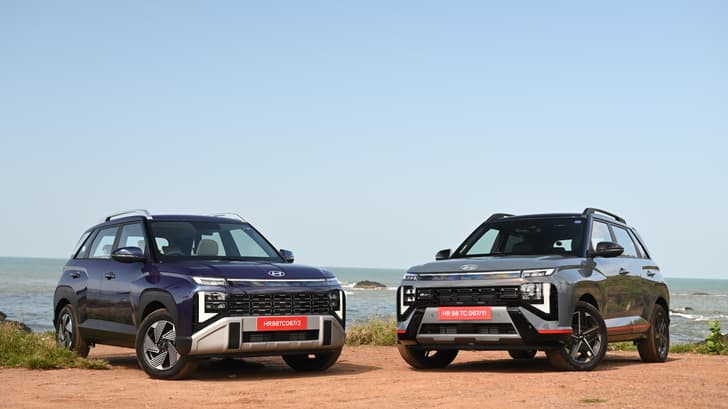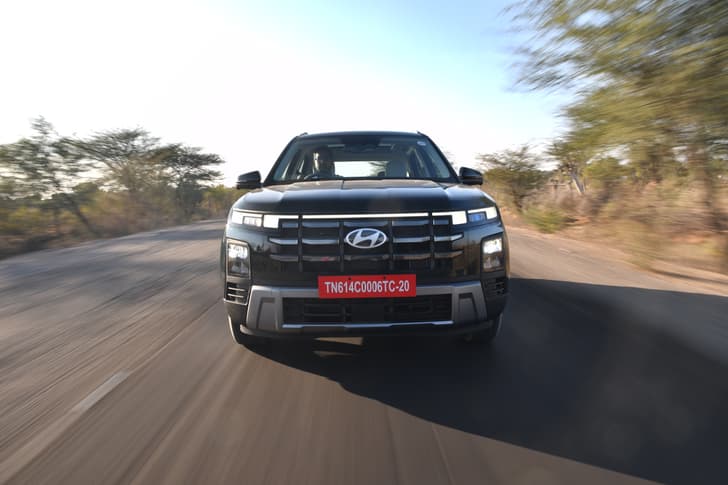

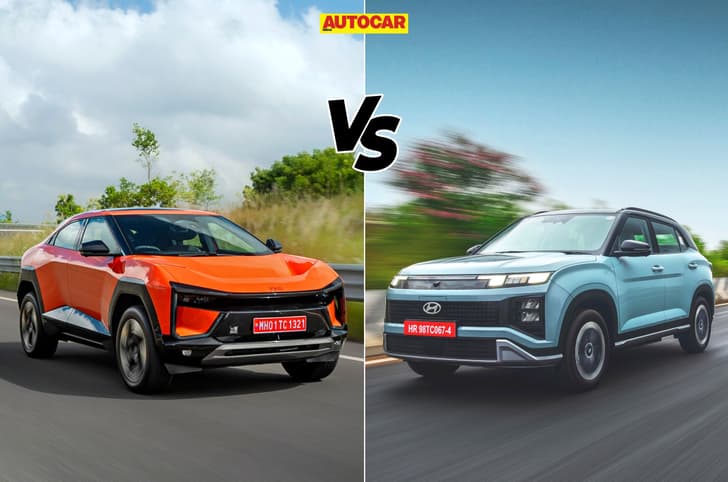
The Mahindra BE 6 and Hyundai Creta Electric may occupy the same segment, but they have been engineered with very different priorities. The Creta Electric focuses on maximising efficiency, while the BE 6 combines a significantly more powerful motor with a larger battery pack to deliver stronger performance and longer overall range. Our instrumented tests reveal how the two electric SUVs compare in the real world.
Real World Efficiency and Range
The Mahindra BE 6 and Hyundai Creta Electric arrive at their range figures in different ways. While the BE 6 relies on a larger battery pack to maximise outright range, the Creta Electric focuses on getting the most out of every kilowatt-hour.
The Creta Electric is clearly the more efficient SUV in urban conditions, returning an impressive 9.45km/kWh and an estimated 486km of city range. The BE 6 manages 439km, highlighting the Hyundai's focus on extracting maximum distance from its battery in stop-start traffic.
On the highway, the Creta Electric continues to post the better efficiency figure at 7.36km/kWh. However, the BE 6's larger battery enables it to cover 459km on a charge compared with the Hyundai's 379km, giving it a clear advantage on longer journeys.
Across our combined cycle, the Mahindra records a range of 449km, 17km more than the Creta Electric's 432km. The results underline the different engineering approaches adopted by the two manufacturers. Hyundai prioritises energy efficiency, while Mahindra leverages a larger battery to deliver greater overall range.
Performance comparison
The performance figures also help explain the differences in efficiency. The BE 6's rear-mounted electric motor produces substantially more power than the one in the Creta Electric, resulting in quicker acceleration across every test.
While a more powerful powertrain typically demands more energy, the larger battery pack ensures the BE 6 still delivers the longer overall range. The Creta Electric, meanwhile, demonstrates just how efficiently its powertrain has been tuned, extracting more kilometres from every kilowatt-hour without prioritising outright performance.
Regenerative braking
The Mahindra consistently delivers stronger regenerative braking, particularly in the higher settings where it sheds speed over a shorter distance than the Creta Electric. The difference is most noticeable in one pedal mode and High regeneration, while the Mid setting is almost identical between the two SUVs. Hyundai's gentler calibration may feel more natural to drivers transitioning from an ICE car, whereas the BE 6's stronger regeneration is likely to appeal to those who prefer one pedal driving.
Verdict
The Mahindra BE 6 and Hyundai Creta Electric represent two distinct approaches to electric SUV engineering, and our tests show that both succeed in their respective goals.
The Hyundai Creta Electric is the efficiency benchmark, extracting more kilometres from every kWh in city, highway and combined driving. Its exceptional city range and smoother regenerative braking make it particularly well suited to buyers whose driving is predominantly urban.
The Mahindra BE 6, on the other hand, takes a more performance-oriented approach. Its substantially more powerful motor delivers noticeably quicker acceleration, while the larger battery pack enables it to offer superior highway and overall driving range. It also features stronger regenerative braking, lending itself to a more engaging one-pedal driving experience.
Ultimately, there is no outright winner here. If your priority is extracting the maximum distance from every unit of energy, the Creta Electric has the edge. However, if you value stronger performance, longer highway range and a more involving driving experience, the BE 6 makes a compelling case.


 Uday Singh
 Glenn Noronha
 Dipan Sur