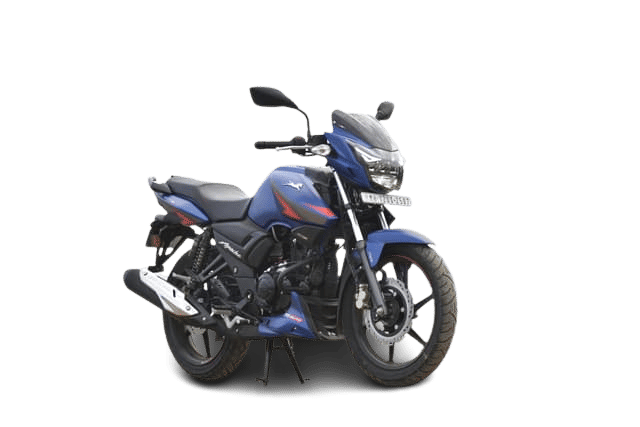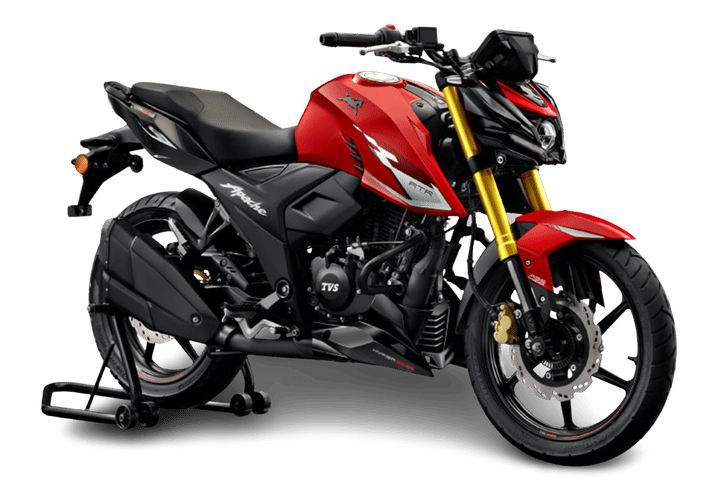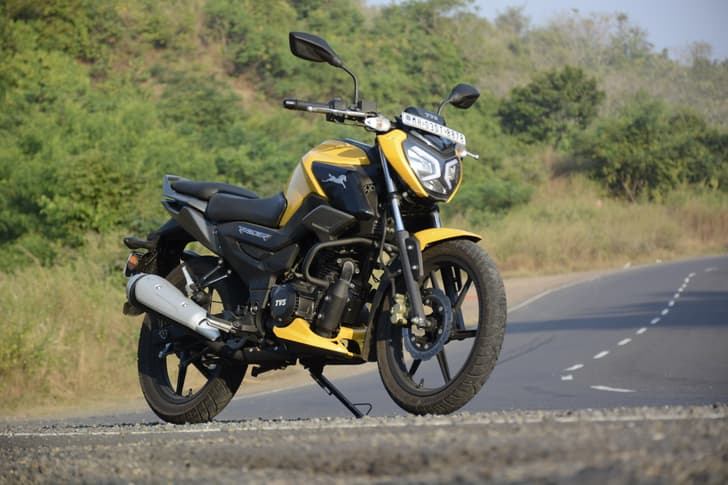

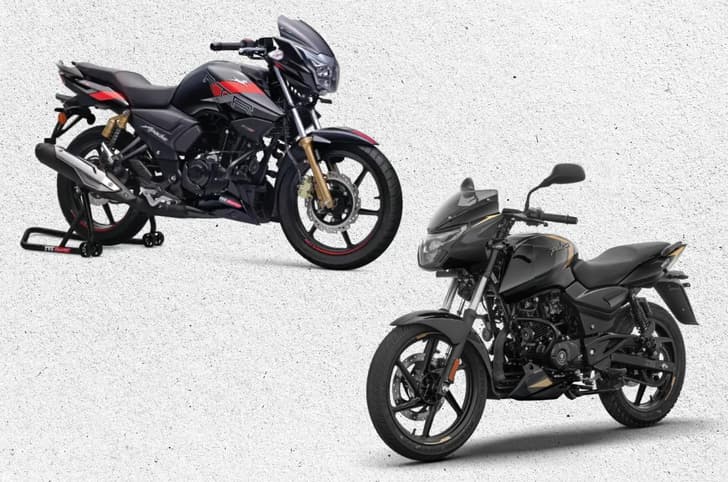
The Bajaj Pulsar 180 has made a comeback after being discontinued in 2022, and it now slots between the 150 and 220F in the Pulsar line-up. In terms of pricing, the two motorcycles sit quite close to each other, and on paper, their specifications are even closer. Here’s how these two veterans stack up.
Bajaj Pulsar 180 vs TVS Apache RTR 180: Engine and output
Both bikes produce near-identical output figures on paper
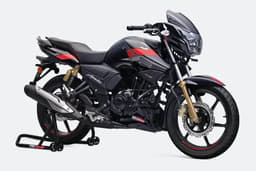
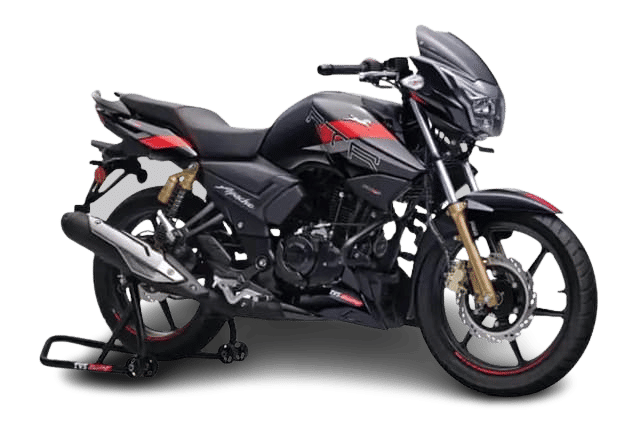
Both motorcycles use single-cylinder engines with similar displacement, but the Apache has a slight edge with its oil-cooled setup compared to the Pulsar’s simpler air-cooled architecture. Peak output figures are nearly identical, with the only real difference being the Apache’s 0.5Nm torque advantage. It also produces its peak power slightly higher up in the rev range. Both motorcycles come with a 5-speed gearbox.
Bajaj Pulsar 180 vs TVS Apache RTR 180: Weight and dimensions
The Apache is notably lighter than the Pulsar
The new Pulsar 180 weighs a significant 16kg more than the Apache RTR 180. A contributing factor is likely its larger fuel tank, which should translate into a better range. However, this weight disadvantage also means a lower power-to-weight ratio, given how closely matched the two are in terms of output.
Bajaj Pulsar 180 vs TVS Apache RTR 180: Suspension, brakes and tyres
The Pulsar gets larger disc brakes
The Pulsar and Apache are quite similar in terms of hardware on paper as well. Both motorcycles use conventional telescopic forks at the front and twin shock absorbers at the rear. Braking hardware comprises disc brakes at both ends, with the Pulsar featuring slightly larger discs. Whether this translates to better braking performance – and by how much – can only be determined through real-world testing.
Bajaj Pulsar 180 vs TVS Apache RTR 180: Features
The features list is where the two bikes differ the most
The Pulsar 180 offers a fully digital console and all-LED lighting, while the Apache RTR 180 gets a more advanced electronics suite. This includes three ride modes (Sport, Urban, and Rain) that alter power delivery, along with an LCD cluster that can be paired with a smartphone via the SmartXonnect app for features like turn-by-turn navigation and call alerts. The Apache also features Glide Through Technology, which allows the bike to move at low speeds without throttle input, similar to the creep function in automatic cars.
Bajaj Pulsar 180 vs TVS Apache RTR 180: Price
Both bikes are available in a single variant each
The Bajaj Pulsar 180 is priced at just above Rs 1.22 lakh, while the TVS Apache RTR 180 costs under Rs 1.26 lakh (both ex-showroom, Delhi), making the Pulsar Rs 3,100 more affordable. Both motorcycles have been around for several years (even though the Pulsar saw a brief discontinuation) and remain closely matched on paper. That said, for the slight premium, the Apache offers a lighter package, a better power-to-weight ratio, and a more advanced feature set.
 Ved Janve
 Stephen Raj Antony