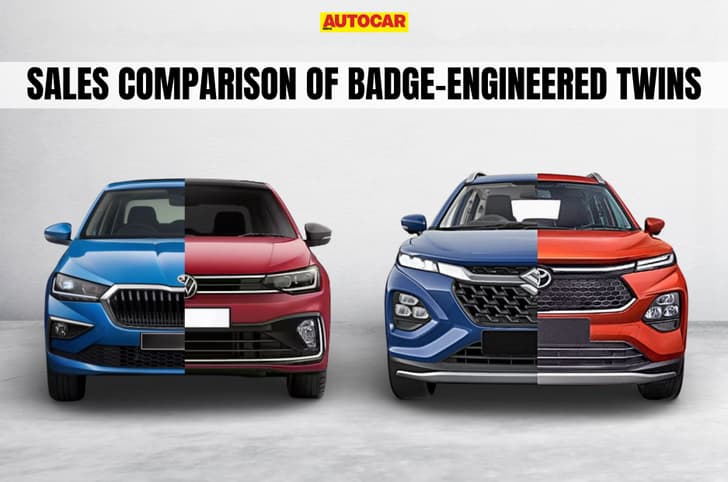
Badge engineering is a common strategy in India, with manufacturers sharing platforms, engines and even complete models to reduce development costs and expand their portfolios quickly. For instance, Maruti Suzuki-rebadged models accounted for 53 percent of Toyota India’s sales in FY2025.
However, sales differences between such twins can be significant – the Maruti Ertiga sold over nine times more than the Toyota Rumion, while the Toyota Innova Hycross outsold its Maruti counterpart, the Invicto, by about 18 times.
Using full-year 2025 sales data, we compare some well-known badge-engineered twins in the Indian market to see which version buyers chose more often – and what might explain the difference.
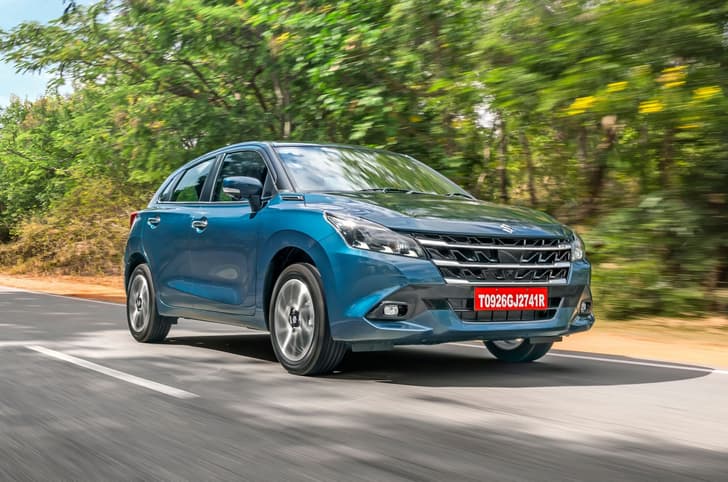
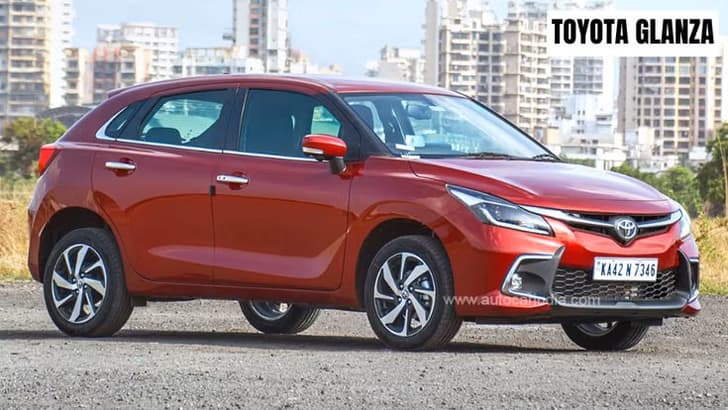
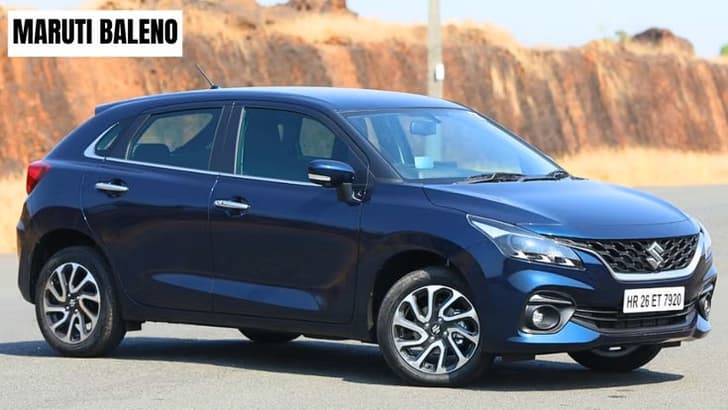
Maruti Baleno vs Toyota Glanza
Maruti sold 1,72,556 units of the Baleno last year, compared to 54,440 units of the Toyota Glanza, meaning the Baleno sold a little over three times as many units.
There is very little differentiation between the two models, which likely limits the Glanza’s appeal despite Toyota’s strong reputation for reliability. The Baleno is also priced slightly more aggressively in comparable variants and arrived earlier in the market, giving it a head start in terms of brand recall and buyer familiarity. The Glanza came later and does little to set itself apart visually or mechanically. Another factor could be Maruti Suzuki’s significantly larger service network, which continues to be a strong draw for buyers in this segment.
Maruti Fronx vs Toyota Urban Cruiser Taisor
The Fronx sold almost five times more units than the Toyota Taisor. There is very little differentiation between the two models beyond minor styling changes, which likely limits the Taisor’s appeal. Buyers in this segment also tend to prefer Maruti Suzuki products for their lower purchase price as well as the expectation of cheaper spare parts and service costs.
Maruti Ertiga vs Toyota Rumion
Maruti sold 1,92,025 units of the Ertiga last year, compared to 20,723 units of the Toyota Rumion, meaning the Ertiga sold over nine times more than its Toyota counterpart.
One key reason is pricing. The Ertiga is priced between Rs 8.8 lakh and Rs 12.94 lakh, while the Rumion ranges from Rs 9.56 lakh to Rs 13.86 lakh (ex-showroom). The Ertiga also enjoys a stronger presence in the fleet market, where operators tend to prefer it for its affordability, easier availability of spare parts and the expectation of lower repair and running costs.
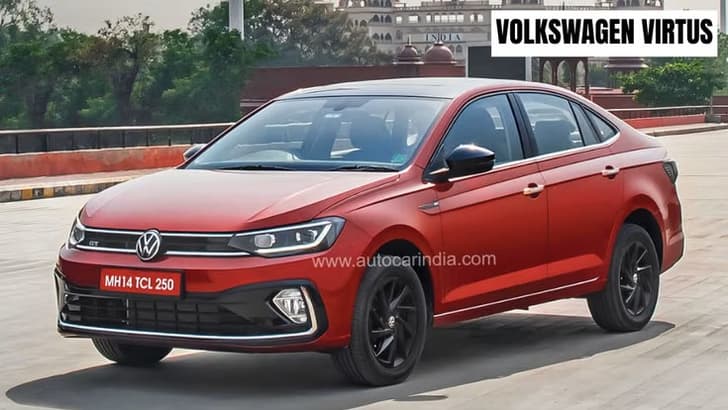
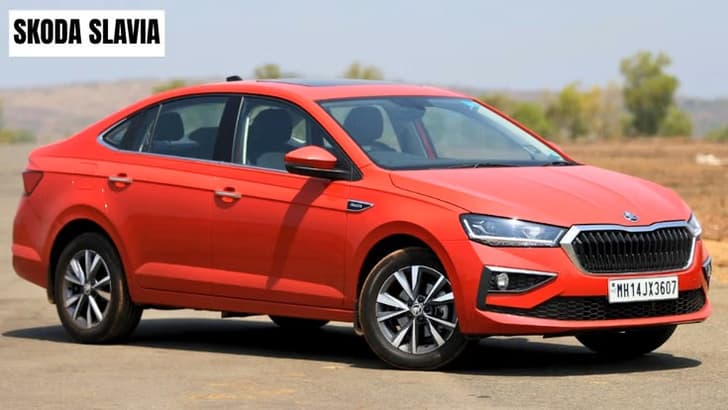
Skoda Slavia vs Volkswagen Virtus
The Volkswagen Virtus, with 22,844 units sold, outsold the Skoda Slavia, which recorded 13,471 units in 2025. A key reason is positioning. The Virtus carries a sportier image, helped by its GT variants and more aggressive styling, which appeals to younger, enthusiast buyers. In contrast, the Slavia leans more towards understated styling, so the choice between the two often comes down to personal preference and design appeal.
Maruti Suzuki Grand Vitara vs Toyota Urban Cruiser Hyryder
In 2025, Maruti sold 1,04,209 units of the Grand Vitara, compared to 85,710 units of the Toyota Urban Cruiser Hyryder. The gap between the two is relatively small, and in fact the Hyryder outsold the Grand Vitara for six consecutive months between May and October.
The Grand Vitara benefits from affordability and Maruti Suzuki’s wider service network, while the Hyryder draws strength from Toyota’s hybrid technology, which underpins the strong-hybrid variants of both models. As a result, the choice between the two often comes down to brand preference, discounts and dealership reach.
Volkswagen Taigun vs Skoda Kushaq
The Volkswagen Taigun also outsold its Skoda twin in 2025. Volkswagen sold 15,715 units of the Taigun, compared to 10,744 units of the Kushaq during the year. Both SUVs are offered with 1.0-litre turbo-petrol (115hp) and 1.5-litre turbo-petrol (150hp) engines, paired with manual and automatic gearbox options. In practice, the driving experience between the two is nearly identical, so the choice often comes down to design preference, interior styling and the deals offered by dealerships.
Maruti Suzuki Invicto vs Toyota Innova Hycross
In 2025, Toyota sold 73,244 units of the Innova Hycross, compared to just 3,946 units of the Maruti Suzuki Invicto. A major factor is the strength of the Innova nameplate, which carries strong perceived value among MPV buyers, benefiting from the reputation built by earlier Innova models.
The Invicto is priced slightly lower for comparable variants but misses out on some features available on the Hycross, such as ADAS, ottoman seats and a 9-speaker JBL sound system. Brand perception also plays a role, as buyers spending Rs 25 lakh-30 lakh often prefer a Toyota badge over a Maruti Suzuki. Interestingly, the Invicto is frequently offered with sizeable discounts, while the Hycross continues to have waiting periods.

 Uday Singh
 Glenn Noronha
 Dipan Sur