
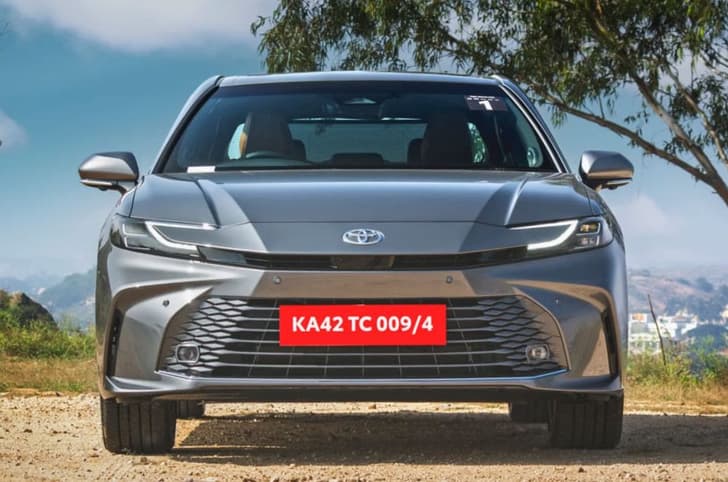
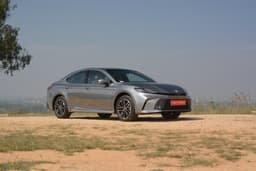
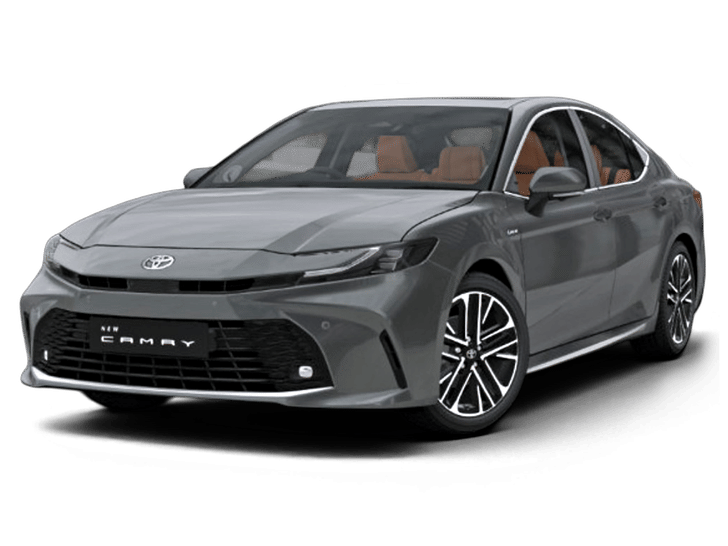
Built on the TNGA-K platform, the Toyota Camry is the Japanese marque’s flagship sedan offering in India. In terms of price, its closest competitor is the Audi A4. The ninth-generation Camry for our market is locally assembled at Toyota’s plant in Bidadi, Karnataka. If you’re in the market for this luxury sedan, here are some key points to keep in mind.
Comfy rear seats
The Camry’s cabin offers great occupant comfort and practicality
One of the highlights of the Camry is its cabin, which manages to be comfortable and ergonomically sound. The two outer seats at the back are well-cushioned and supportive, and they also feature an electric recline function – the standard backrest angle is good as is, though. A ‘boss function’ allows the left rear-seat passenger to move the front passenger seat for even more legroom. However, the caveat here is that the latter will have to raise their seat a bit to liberate usable footroom for the former. The broad and ventilated front seats are comfy, too.
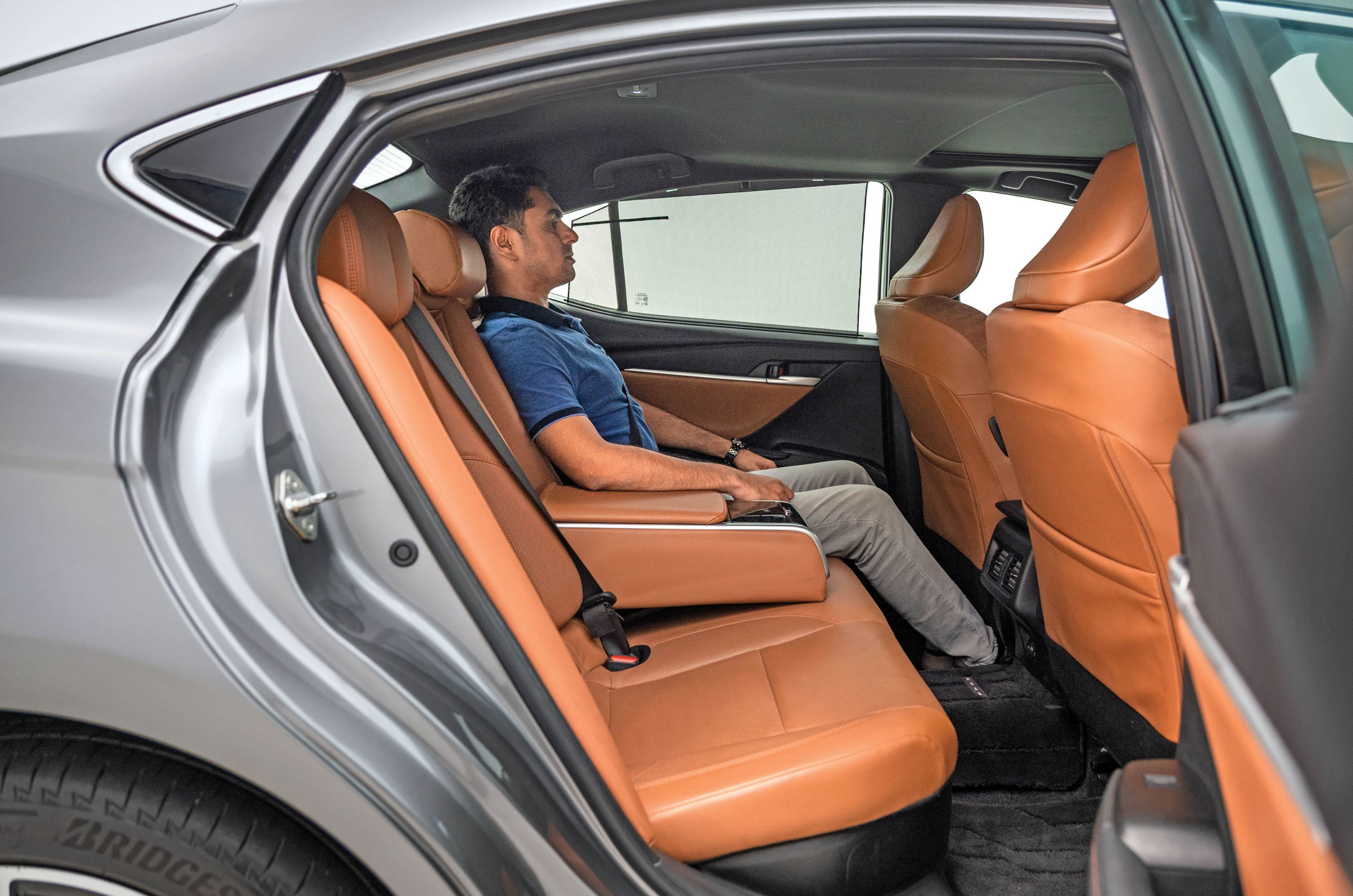
The Camry’s rear-seat occupants get a central armrest with integrated switchgear for operating the car’s rear sunshades, three-zone automatic climate control functions and entertainment system. Features such as a 10-way electrically adjustable driver’s seat, powered reach and rake adjustment for the steering column, as well as double-glazed windows, add to the comfort quotient. The Camry’s boot can swallow up to 524 litres of cargo, while its tall and deep design improves its overall usability.
An efficient powertrain
Toyota’s fifth-gen hybrid system makes the Camry a frugal mile-muncher
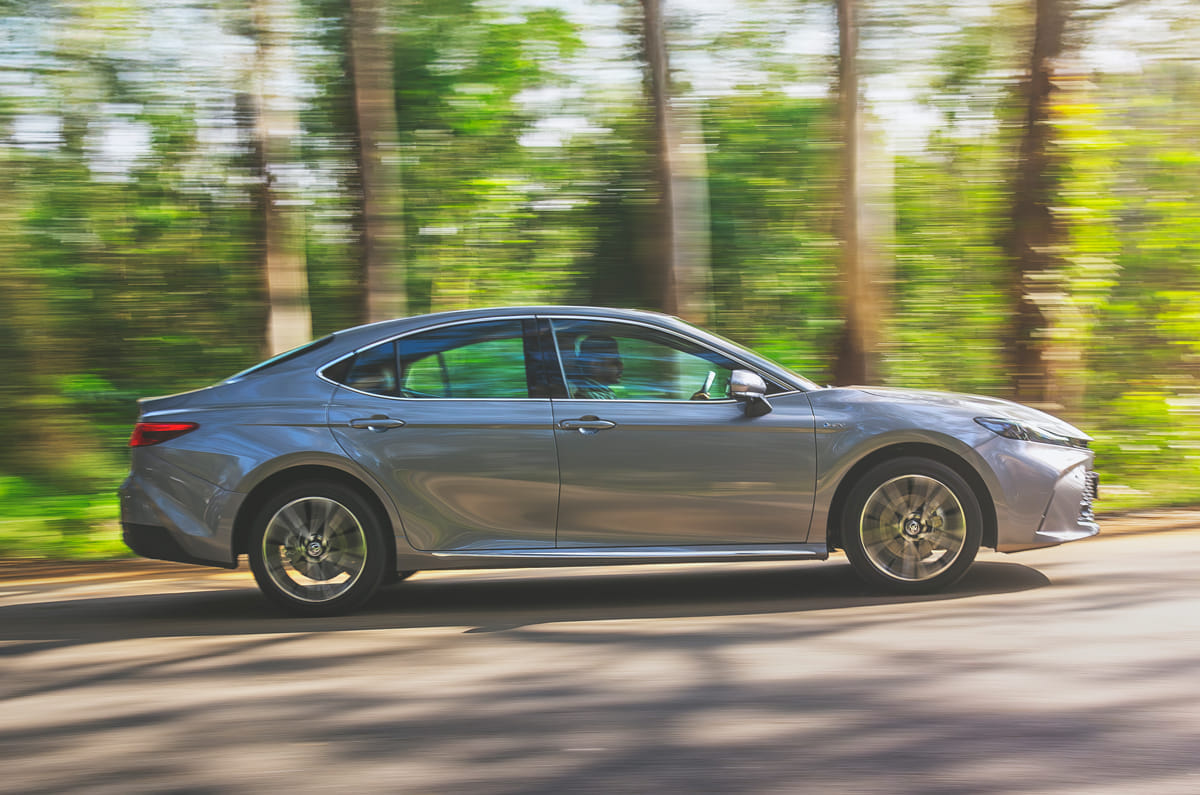
A crucial highlight of the Camry is its hybrid powertrain. The total system output of 230hp comes from a 2.5-litre naturally aspirated four-cylinder engine paired with an electric motor and a 1.0kWh lithium-ion battery; there’s also an integrated starter motor. The petrol engine has good thermal efficiency while kicking in seamlessly when the battery runs low or when hard acceleration is required. The system also performs well when transitioning between combustion and electric-only modes. While acceleration is not overtly aggressive, it remains brisk – this becomes evident with the engine and gearbox in ‘Sport’ mode.
The Camry’s hybrid powertrain has been calibrated with fuel economy in mind, and this shows. While Toyota claims up to 25.49kpl on a combined cycle, our tests saw the luxury sedan achieving 16.62kpl in the city and 23.07kpl on the highway. For a car that measures 4.92 metres in length and weighs 1,645kg, those are impressive numbers.
Good ride and handling balance
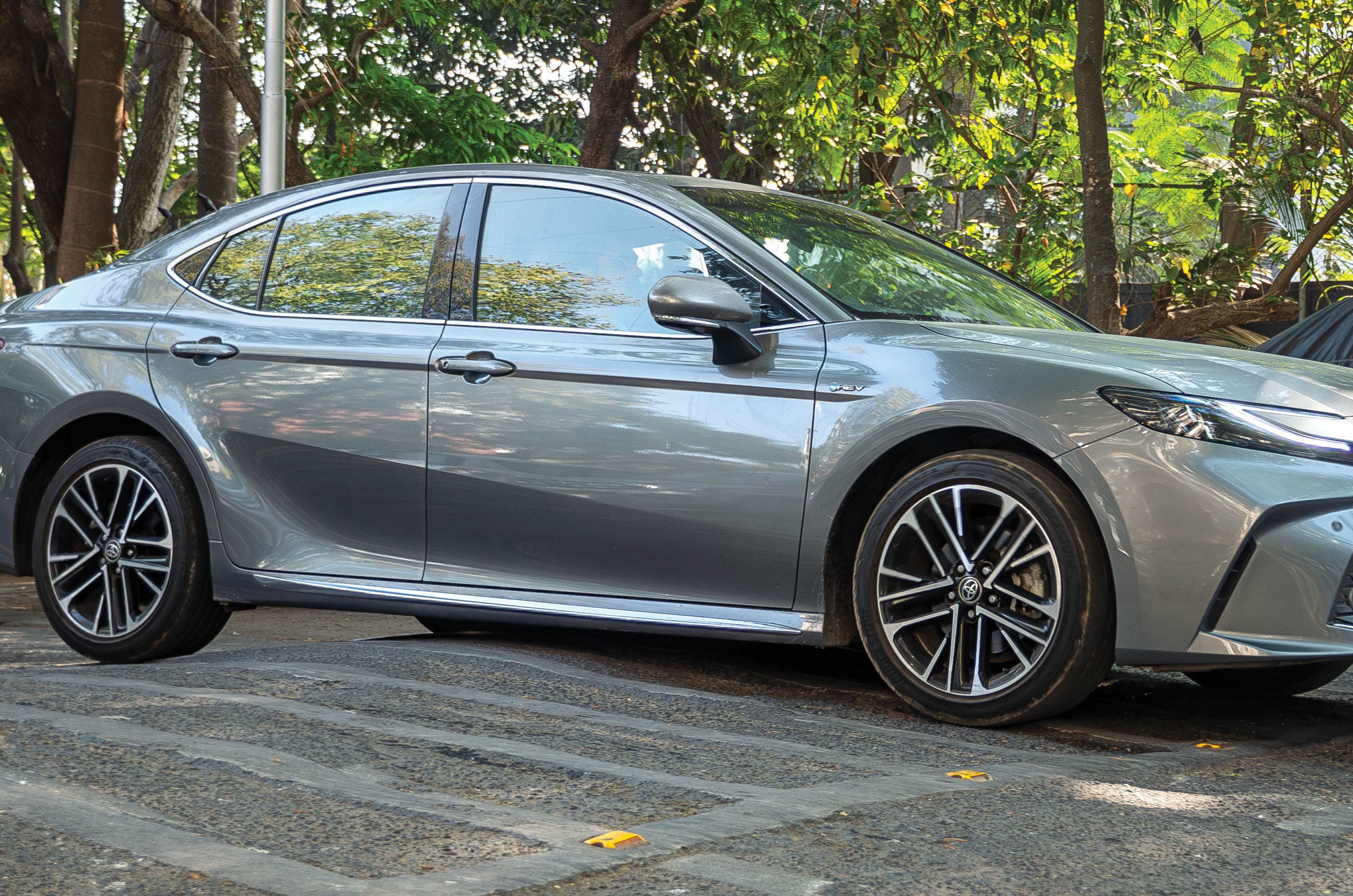
Toyota has designed the Camry’s suspension to handle potholes in a plush and composed manner. Despite its comfy ride and in our less-than-ideal real-world road conditions, this sedan will traverse speed humps without beaching itself or scraping its underbelly. While it leans towards overall comfort, the Camry comes across as a sedan with predictable steering and competent handling.
All that said, let’s now look at some reasons that may deter you from buying the Camry.
What community is saying on the Camry?
Engine noise at higher revs
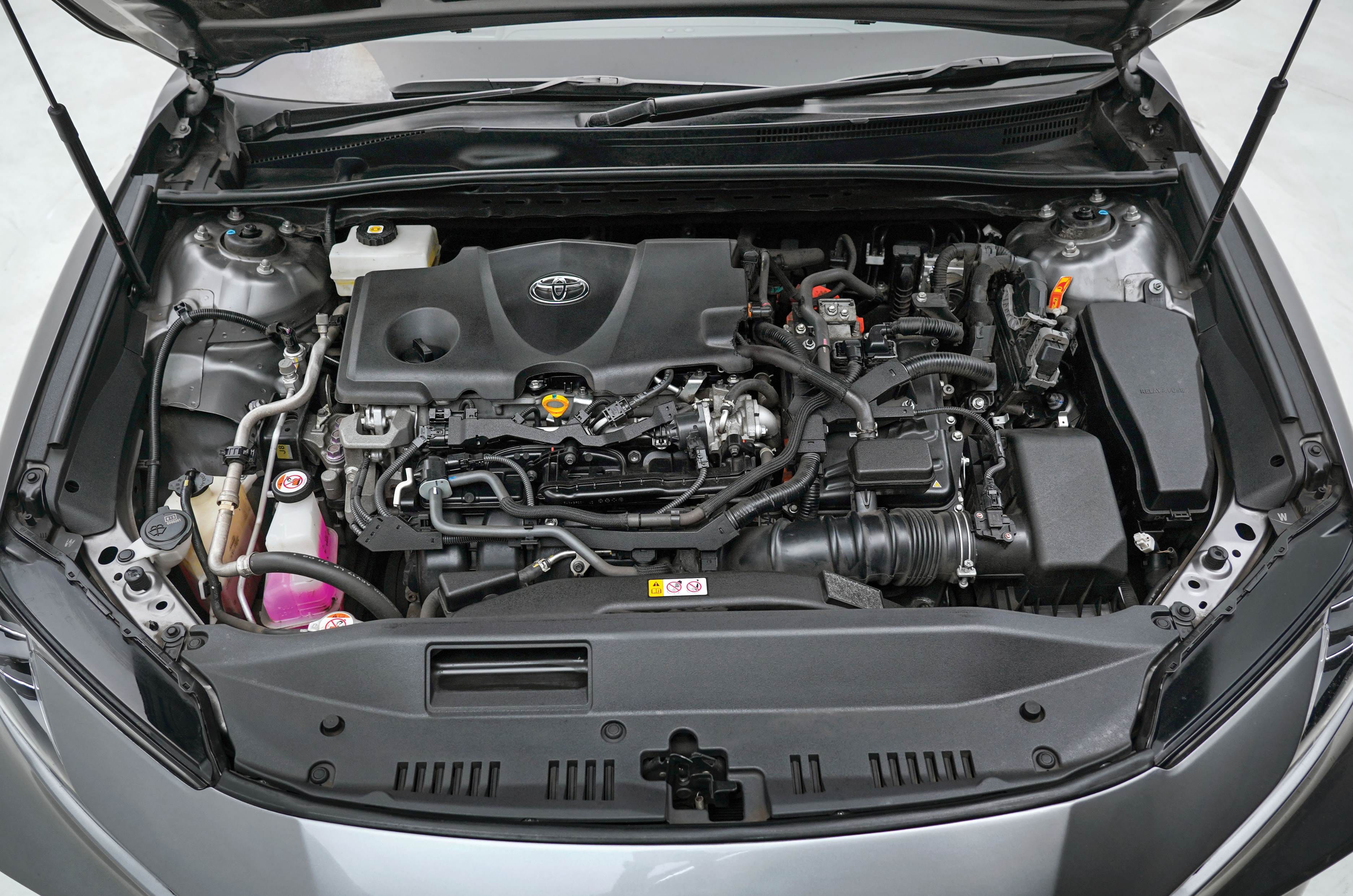
Even though the ninth-gen Camry offers better noise insulation than the previous model, the sounds from its naturally aspirated engine can be heard in the cabin under hard acceleration. The four-cylinder unit also sounds buzzy at higher revs.
Some missing features will become obvious
For a luxury sedan, the Camry is missing a few modern features
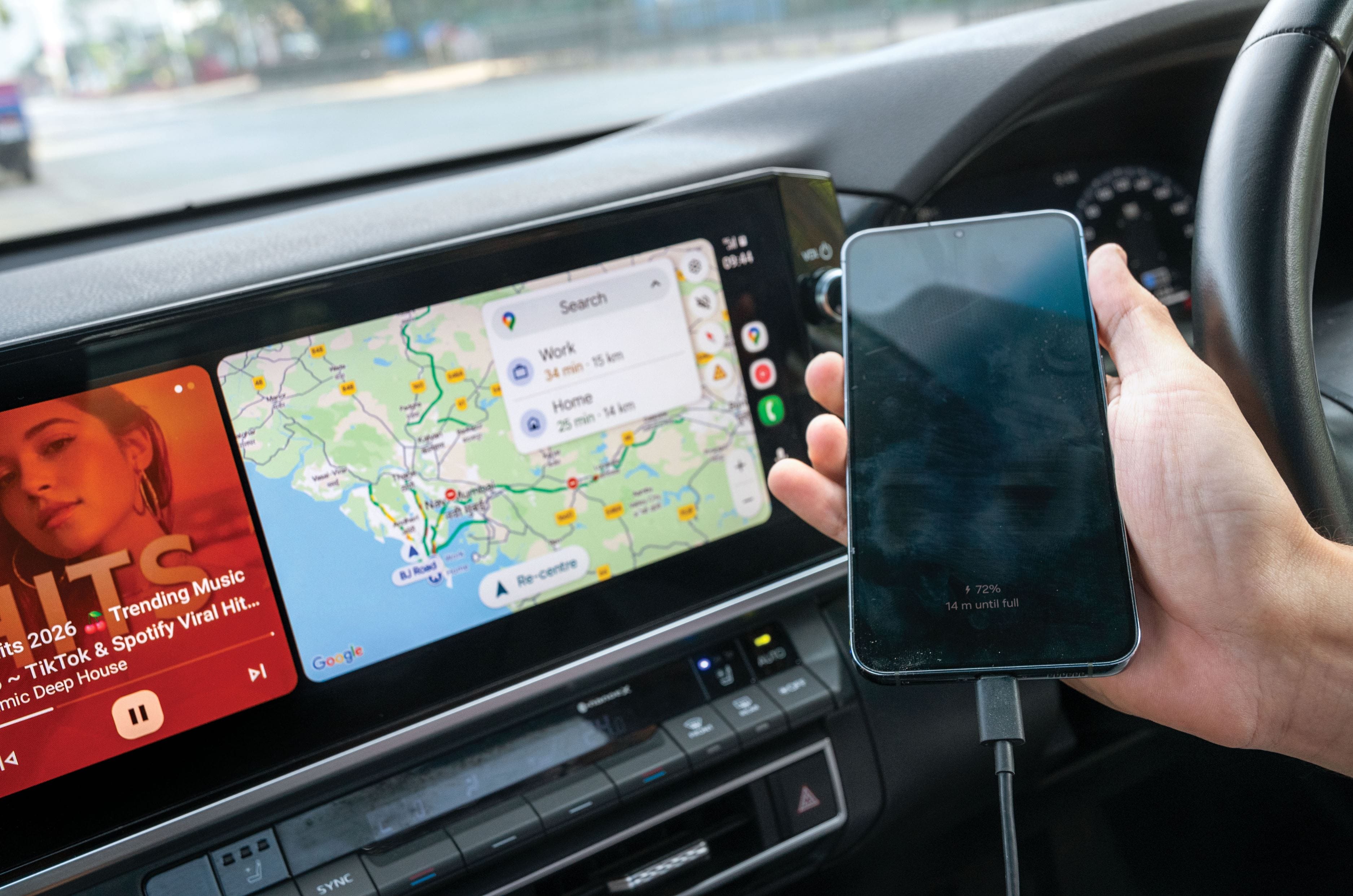
While there is wireless Apple CarPlay, the Toyota Camry does not get wireless Android Auto. Similarly, the seat ventilation function is not offered for rear occupants – this is an obvious miss even if one takes into account the inclusion of a rear climate control zone. Moreover, the Camry does not get a powered boot lid.
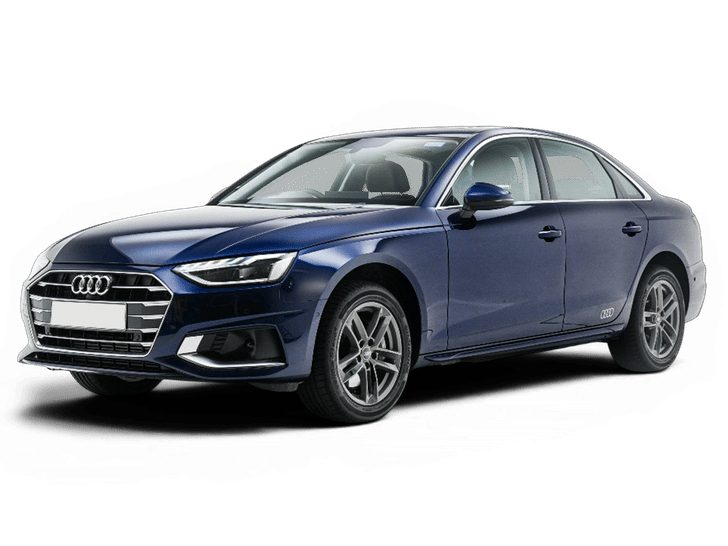
A price range of Rs 47.48 lakh to Rs 47.62 lakh pits the Toyota Camry against the 2025 Audi A4, which starts at Rs 46.88 lakh. The Camry is not just a well-rounded package; there’s Toyota’s widely acclaimed reliability quotient to consider as well.
Prices are ex-showroom, India.

 Uday Singh
 Glenn Noronha
 Dipan Sur