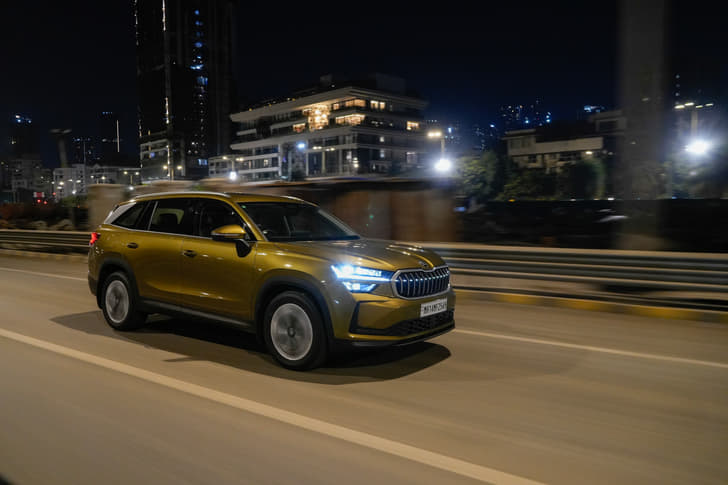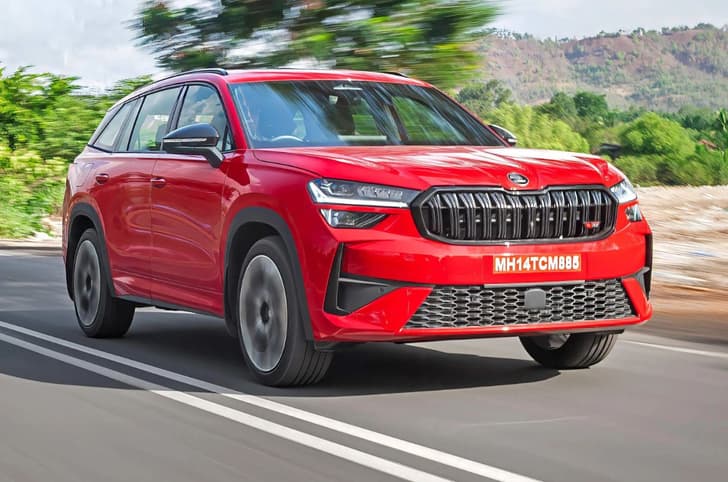
The Skoda Kodiaq RS is built on the Volkswagen Group’s MQB Evo platform and rivals the Volkswagen Tayron R-Line. Within a claimed six minutes of Skoda opening bookings for the Kodiaq RS in India, all 50 units were already spoken for. That said, the brand could allocate a second batch for our market if there’s enough demand. If you’re a prospective buyer of this 7-seater performance SUV, here are its pros and cons.
Lively engine and gearbox
Rev-happy engine snarls when pushed, adding to the engagement
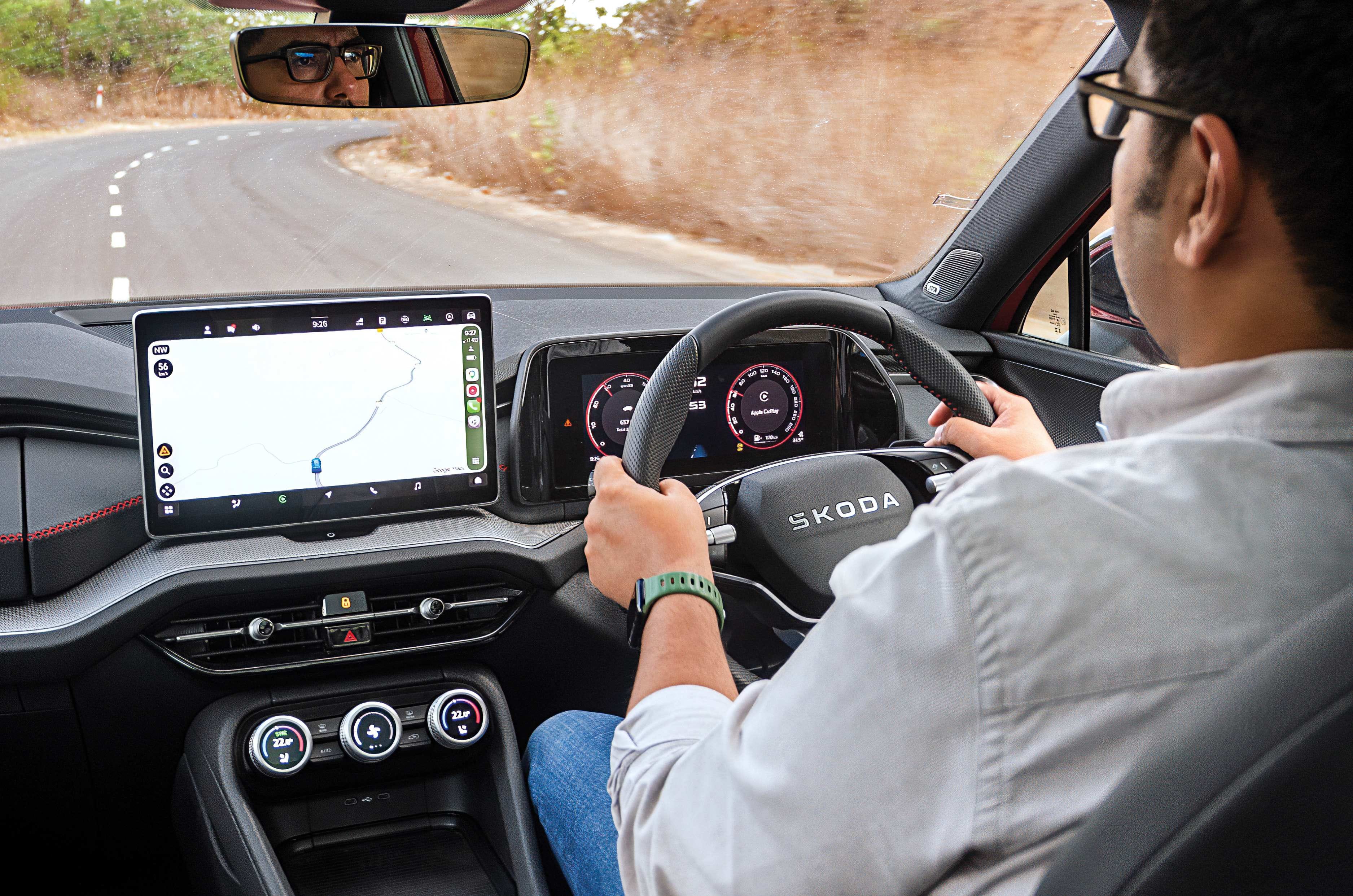
Skoda has tweaked the 2.0-litre four-cylinder turbo-petrol direct-injection engine for the Kodiaq RS. It now produces 265hp and 400Nm of torque – that’s 61hp and 80Nm more than the standard model. Not only does this engine pull hard right up to 6,500rpm, but the power it produces remains usable throughout the rev range. The 7-speed dual-clutch automatic transmission is also quick to shift and feels responsive when using the paddleshifters. Moreover, the sporty notes played through the speakers have been well-executed and do not sound fake.
A capable ride and handling package
The Kodiaq RS handles corners just as well as it does straight roads
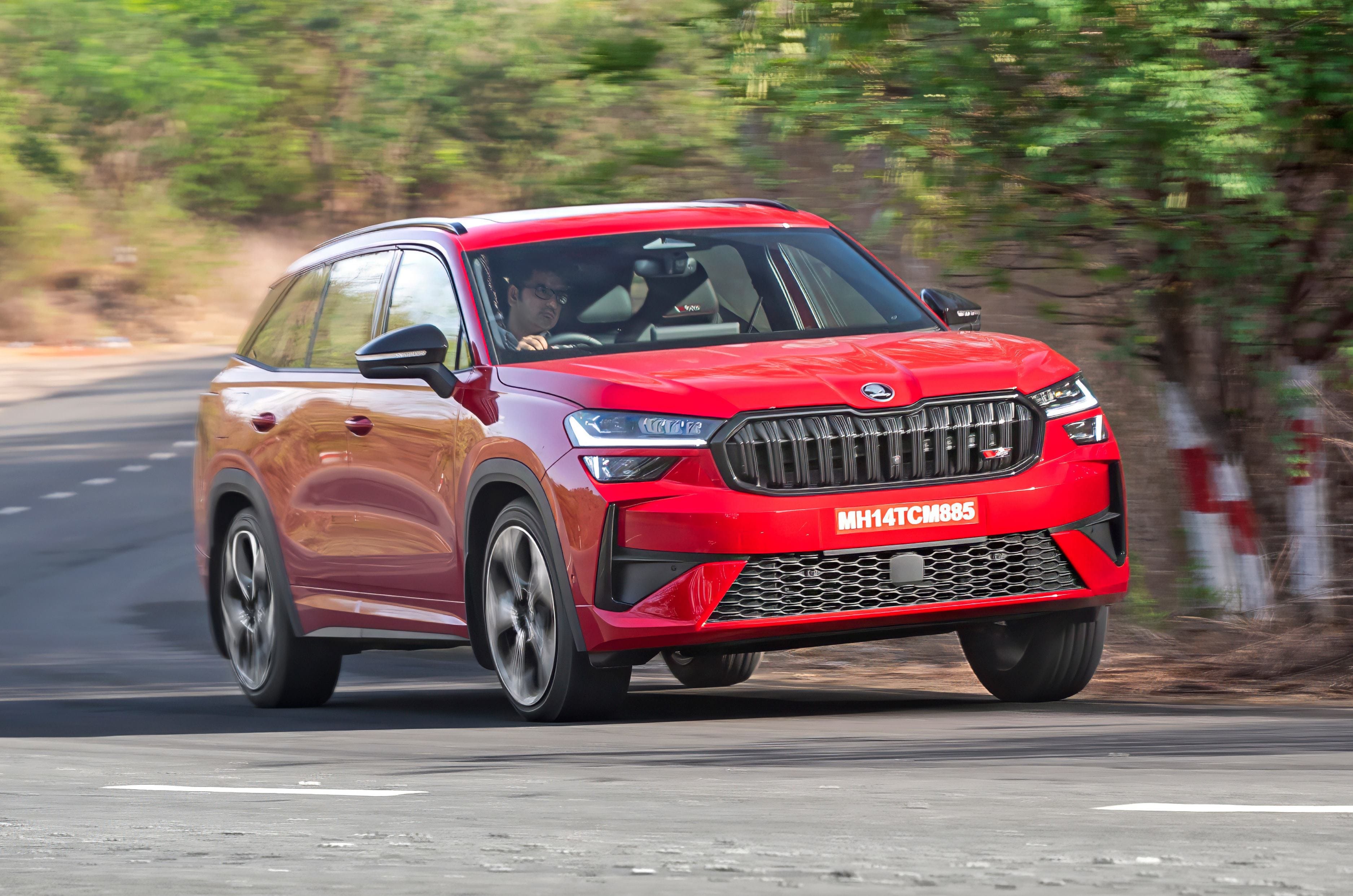
Despite being tall and heavy, the 7-seater Kodiaq RS is engaging to drive – be it around corners or in a straight line. One of the features that allows this is the adaptive dampers, or Dynamic Chassis Control (DCC) in VW-Skoda speak. Depending on your preference, the system can be set to one of 15 damping modes – ranging from soft to firm. In its sportiest setting, the suspension allows the RS to change directions quickly without upsetting body control even when tackling high-speed corners.
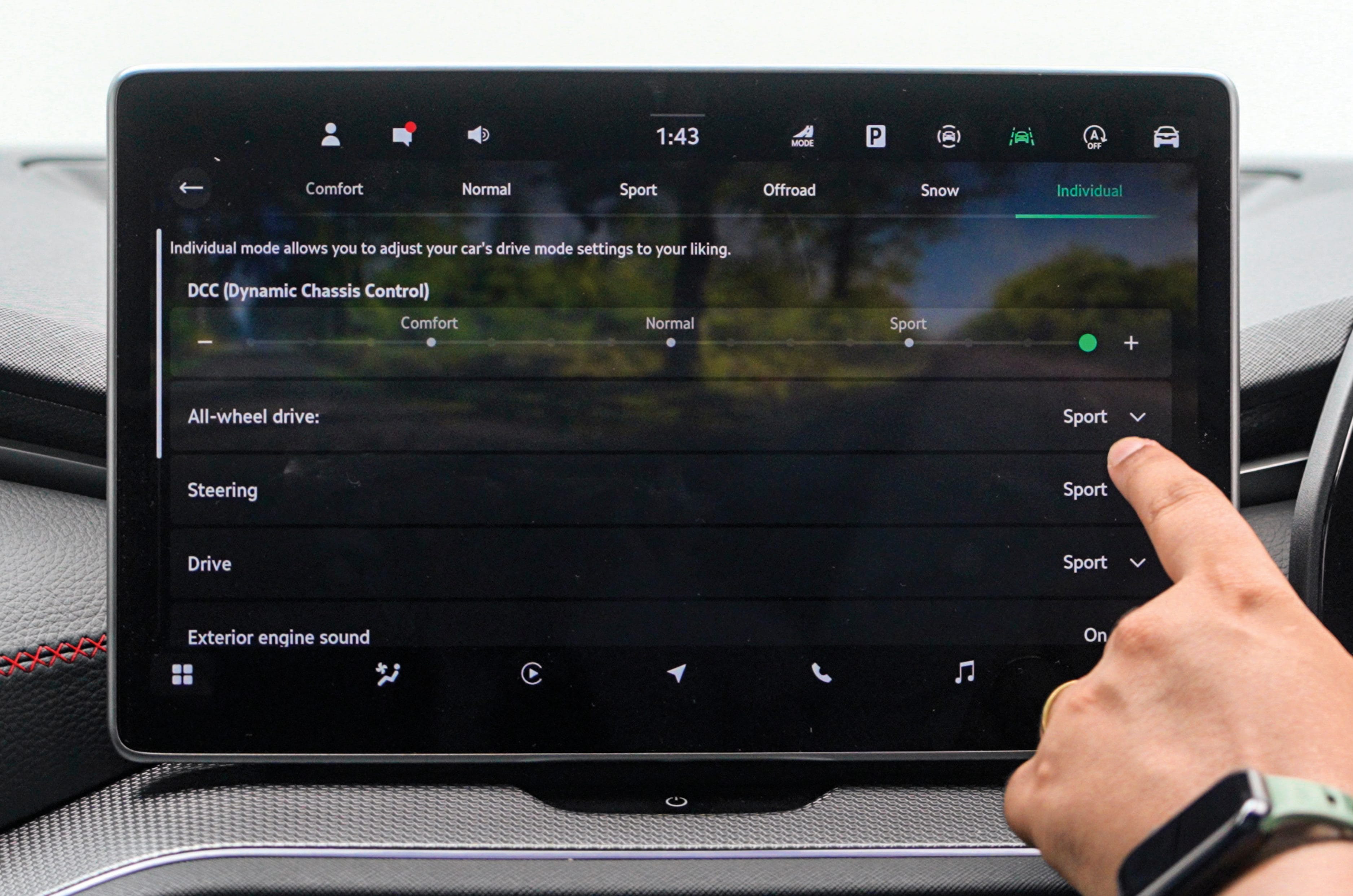
The Kodiaq RS also gets an all-wheel-drive system that can send all of the engine’s torque to the rear axle, plus an electronic differential lock system. Known as the ‘XDS+’, this allows the car to brake the inner wheel to counter any understeering tendencies, leading to better agility around fast corners. Finally, the steering wheel feels responsive and is well-weighted, adding to the overall fun factor.
A sporty-looking interior
The all-black interior features RS-specific touches
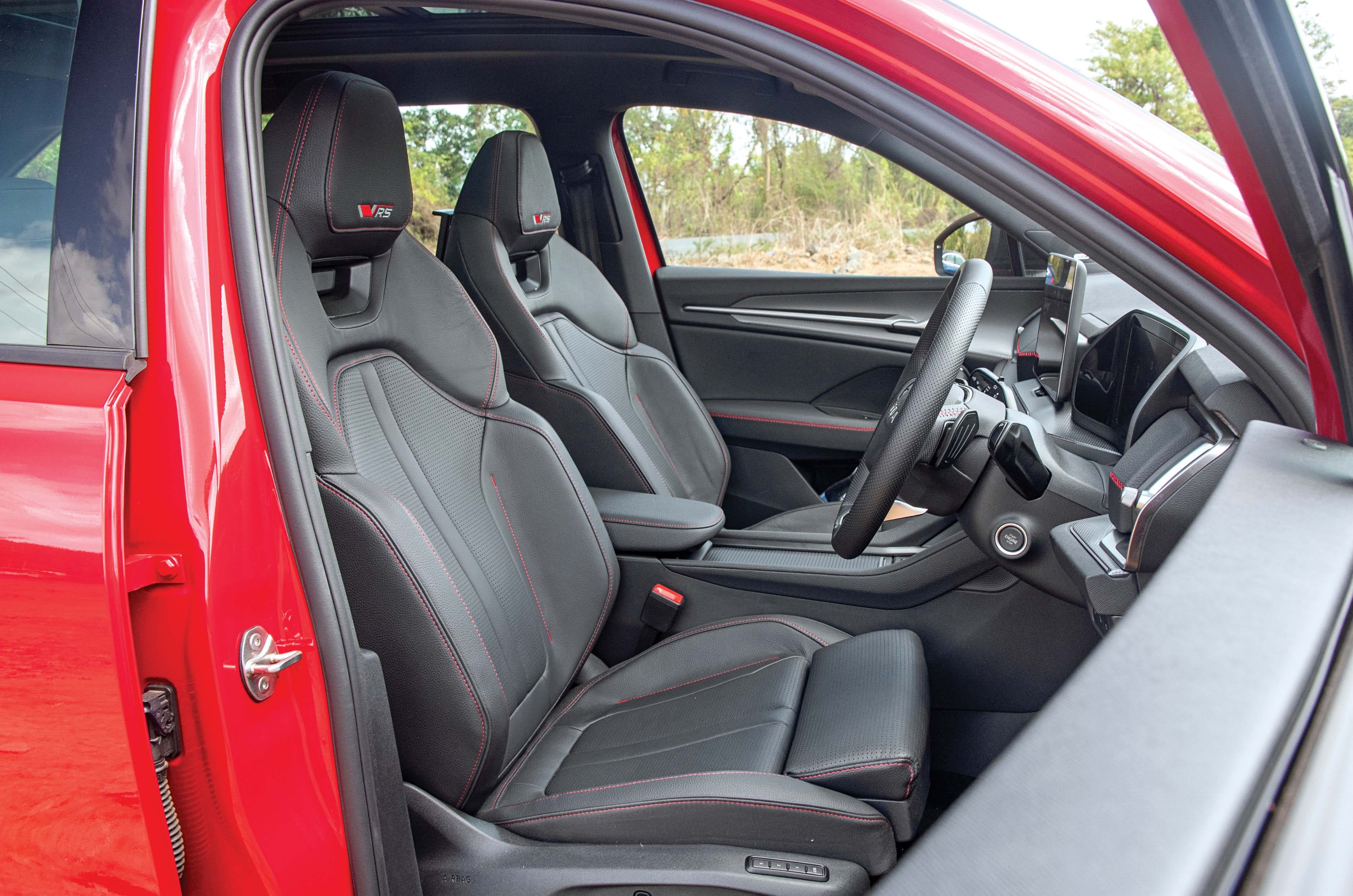
The all-black interior theme and sports seats at the front are similar to those of the Kodiaq Sportline. However, the seat headrests here get ‘RS’ branding, along with contrast red stitching and a textured metal finish on various surfaces and trim. Such detailing adds to the overall sporty nature of the Kodiaq RS.
Let’s now look at what’s not so good about the Skoda Kodiaq RS.
The ‘RS’ tax
The price premium could be difficult for most to justify
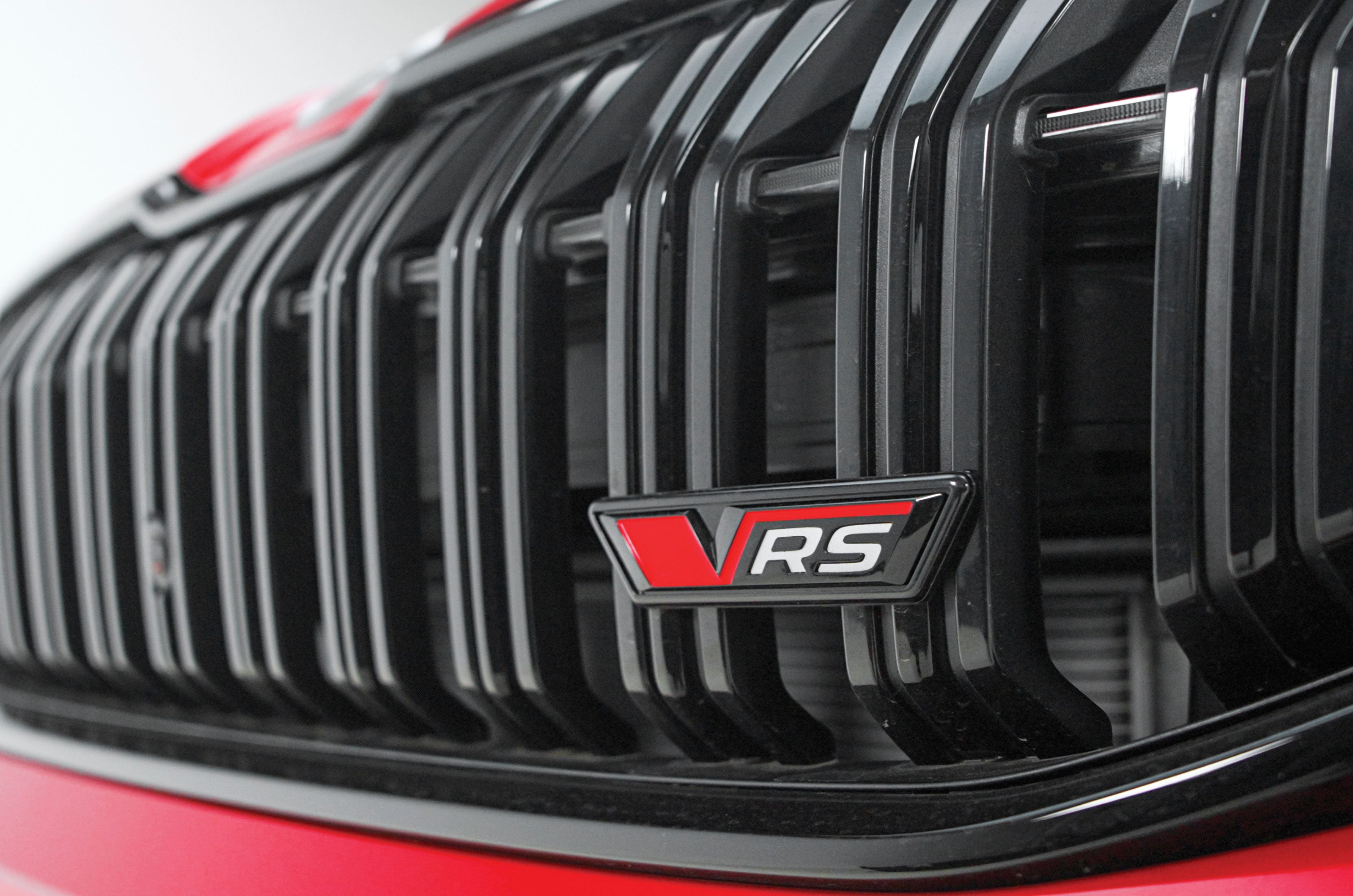
Even though the 50 units in the first batch have already been spoken for, Skoda is yet to disclose the official price of the Kodiaq RS in India. However, since the model is fully imported, it is expected to cost around Rs 15 lakh-Rs 20 lakh more than the locally assembled Kodiaq L&K. While it feels more premium and sporty than the standard model, a price tag of about Rs 65 lakh can be hard to justify for some.

 Uday Singh
 Glenn Noronha
 Dipan Sur