Honda cars in India (7)
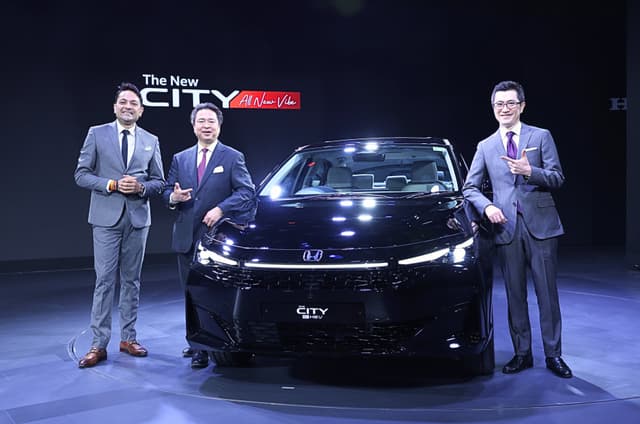
Honda is a Japanese carmaker known for refined engineering and reliable i-VTEC petrol engines. In India, its lineup includes the Amaze sedan, City (including a strong-hybrid e:HEV variant), and Elevate SUV. Honda positions itself as a mass-premium brand, emphasising smoothness, safety, and dependable long-term ownership over aggressive pricing.


Honda Cars - FAQs
Honda's car prices start at 6.98 lakh and go up to 21 lakh (ex-showroom), depending on the model and variant selected.
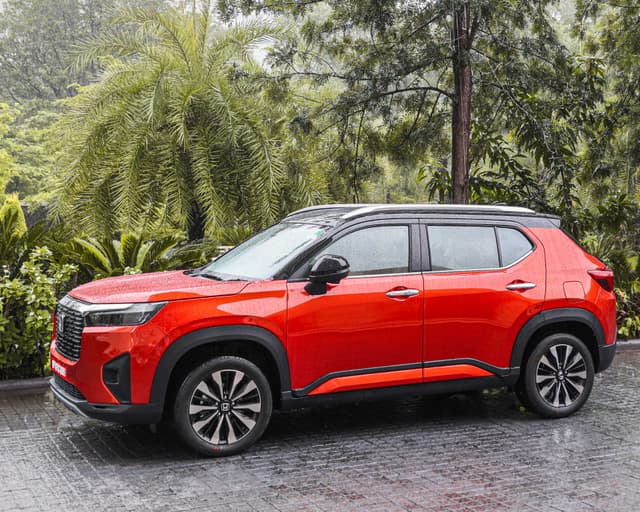
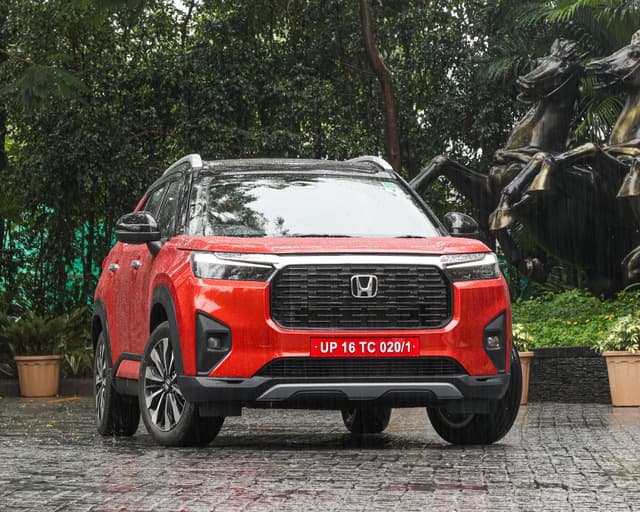
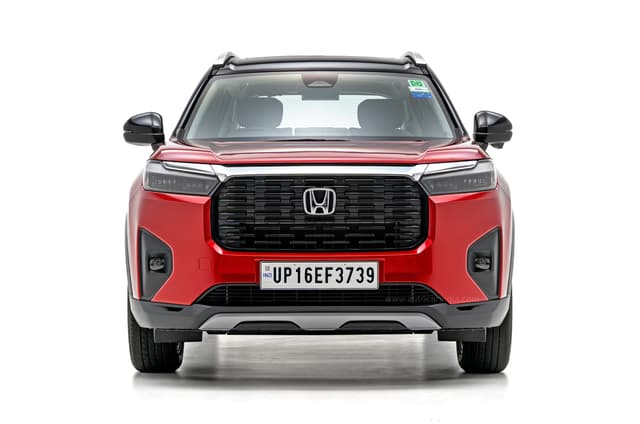
Honda currently sells one SUV in India, the Honda Elevate. Its ex-showroom price starts at ₹11.68 lakh.
Honda offers two sedans in India: Amaze and City. The Amaze is priced between ₹6.98 lakh and ₹10 lakh. Meanwhile, the Honda City price starts at ₹12.08 lakh and goes up to ₹21 lakh (ex-showroom).
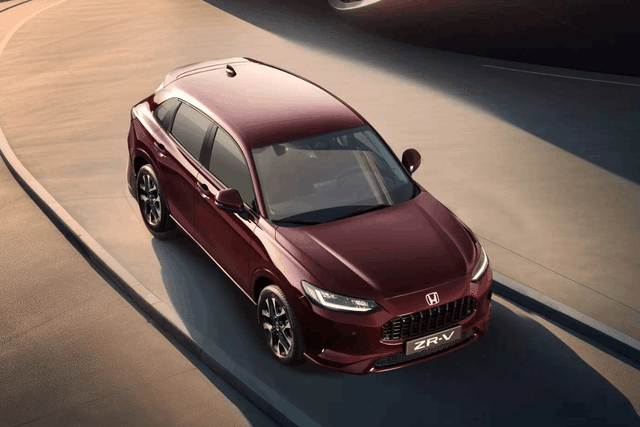
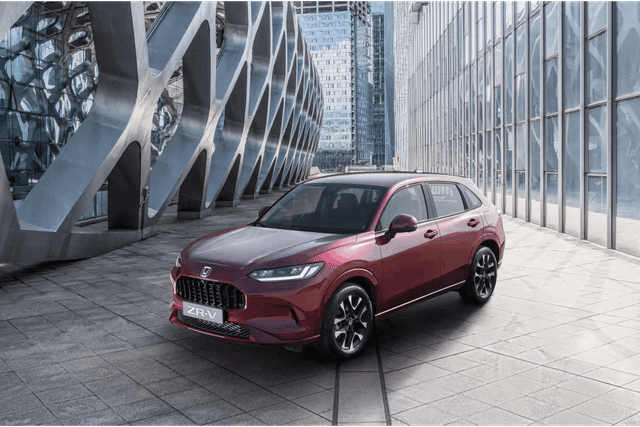
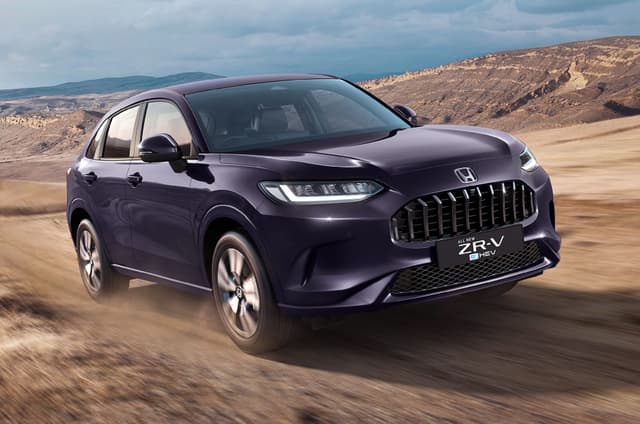
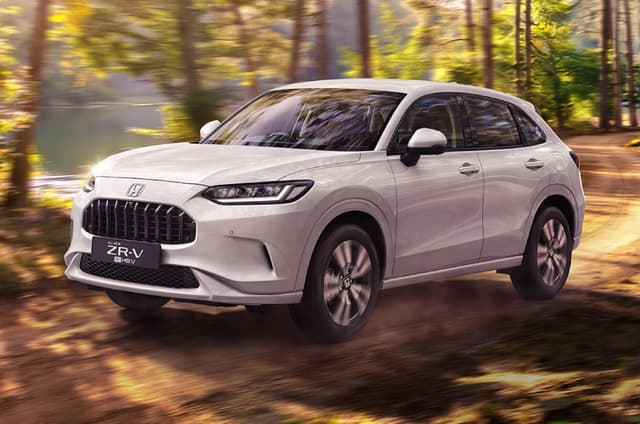
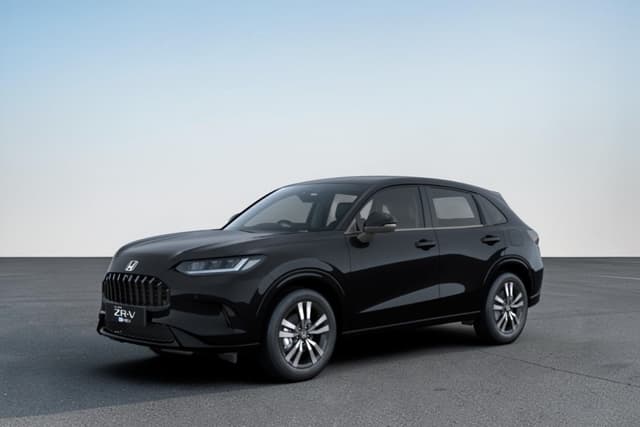
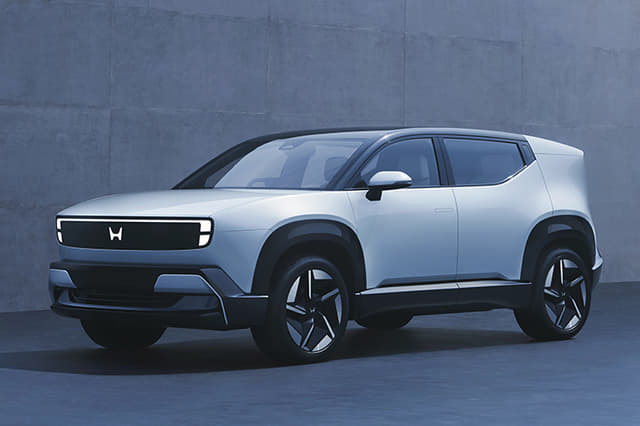
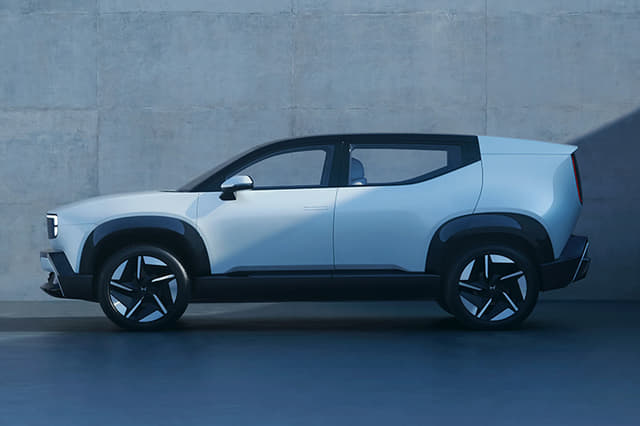
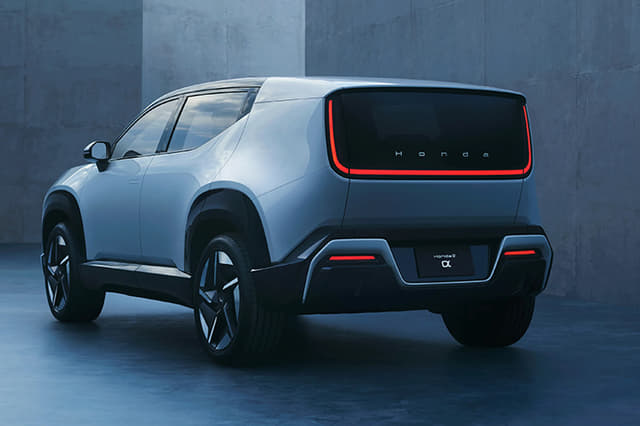
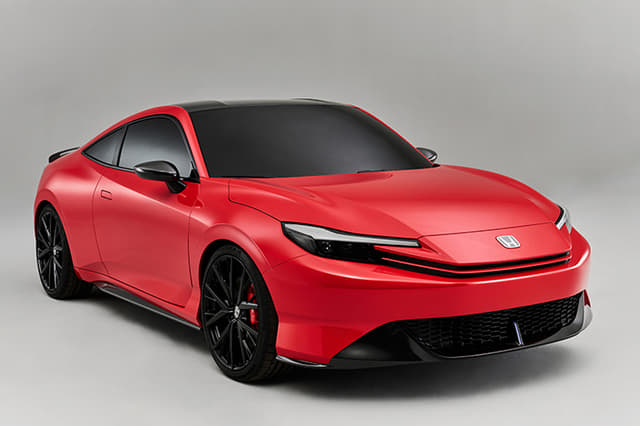
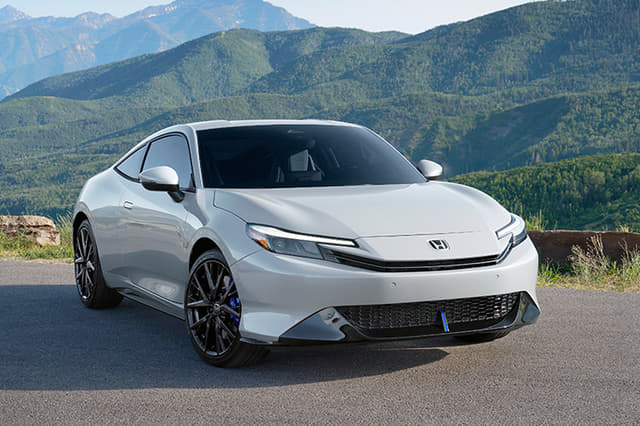
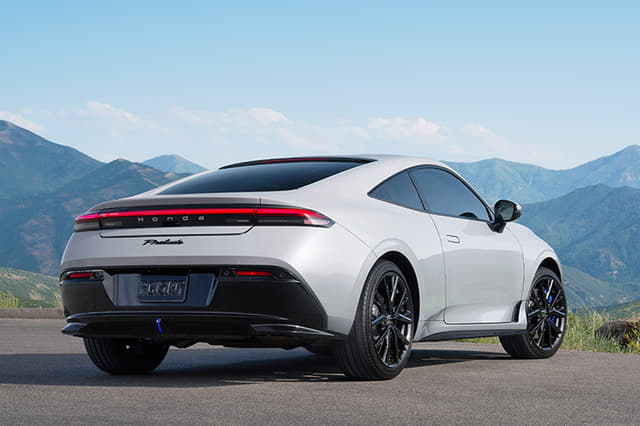
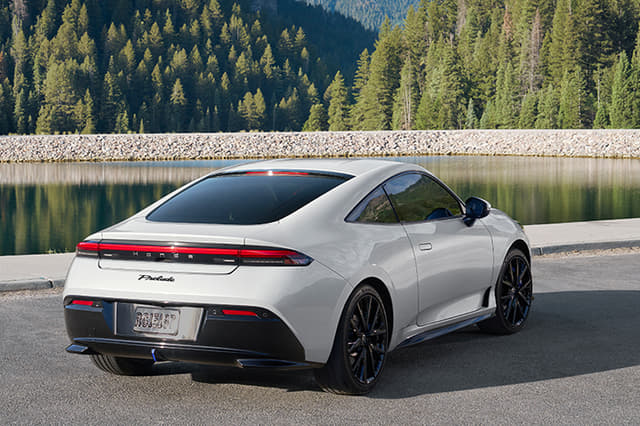
Yes. There are three new Honda cars scheduled to launch in India. The list includes: Honda ZR-V, Honda Elevate facelift, and Honda Prelude. All are expected to launch in 2026. The brand has also unveiled the 0 Alpha concept.
Trending Questions on Honda Cars - Answered by Autocar Experts
I am planning to buy Honda City V CVT. Is it still worth buying the Honda City in 2026 from a long-term (7-10 years) ownership and reliability standpoint? Or should I consider other cars in the segment, such as the Virtus, Slavia, or Verna?
Yes, the Honda City V CVT is still worth buying in 2026 from a long-term ownership and reliability perspective. The City remains one of the most dependable and well-rounded sedans in the segment, with a proven naturally aspirated petrol engine, smooth CVT gearbox and Honda's strong reputation for reliability and low maintenance costs. It is also a very comfortable and spacious family car, with a well-sorted ride and a premium ownership experience.The Volkswagen Virtus and Skoda Slavia are more driver-focused cars with stronger turbo petrol engines and a more engaging driving experience, but they do not have the same long-term reliability track record as the City. The Hyundai Verna is a strong all-rounder with a more feature-rich cabin and a more powerful turbo petrol option, but the City still feels more practical and better suited to long-term ownership.If your priority is a car that you can keep for 7-10 years with minimal fuss, the City remains the safest and most sensible choice in the segment. The only reason to look at the Virtus, Slavia or Verna would be if you specifically want a more powerful turbo petrol engine and good driving dynamics Otherwise, the City V CVT is still the benchmark for long-term ownership.
I am 65 years old and currently drive a Hyundai Eon Era Plus. I am planning to buy a new car with a budget of under Rs. 15 lakh. My usage is fairly limited - about 40 km per trip, 3-4 times a week, along with 2 - 3 long trips of around 600 km each year. My priorities are: Good fuel efficiency, Low maintenance costs, Comfortable seating for five people, Good ground clearance, and a commanding driving position with good road visibility. I have shortlisted the Honda Amaze, Maruti Suzuki Brezza Facelift, Hyundai Venue, and Skoda Kylaq. Which of these would you recommend?
Based on your usage and priorities, the Maruti Suzuki Brezza is the most suitable choice. Your weekly running is low, so a petrol engine makes the most sense, and the Brezza’s naturally aspirated petrol engine is reliable, efficient and easy to maintain. It also offers good ground clearance and a comfortable ride, which will be helpful on your occasional long trips. This Maruti Suzuki car is also one of the more spacious compact SUVs, making it a comfortable option for five passengers. The upcoming facelift is expected to add the 1.0-litre turbo-petrol engine from the Fronx as an option, but given your requirements, the existing naturally aspirated 1.5-litre petrol is the better option.The Honda Amaze is a good sedan, but it does not offer the same ground clearance, road presence or interior space as the Brezza. The Hyundai Venue is a strong alternative, and the Skoda Kylaq is a good driver’s car, but the Brezza has an edge in terms of reliability, long-term ownership costs, as well as the price itself.Overall, the Brezza strikes the best balance between fuel efficiency, low maintenance, comfort and practicality for your needs.
I am planning to upgrade from my Maruti Suzuki Dzire and am looking for a car with excellent rear-seat comfort, good fuel efficiency, an enjoyable driving experience, and overall value for money. My budget is Rs. 15 - 21 lakh, and I am open to any body style. Which car would you recommend based on these requirements?
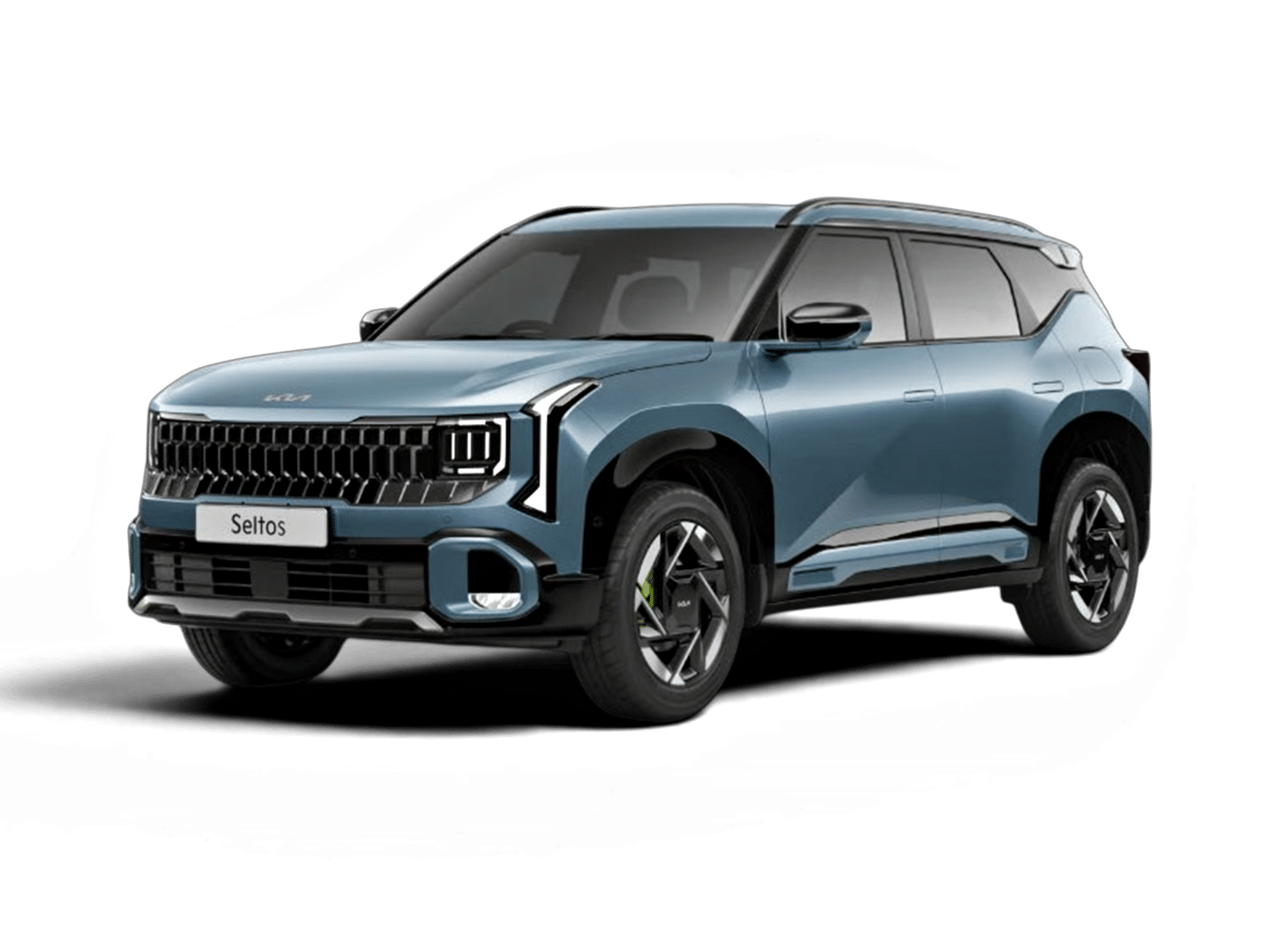
Since you're open to different body styles, you could consider the Kia Carens Clavis MPV. It is available in 6 or 7-seating configurations, and it is a good mix of comfort, performance, cabin experience and features. A Kia Seltos will also be a good option, given you're looking for a good driving experience. Kia's sales and service experience is likely to be quite fuss-free, but yes, it isn't as widespread as Maruti's. The Honda City is also a safe and sensible option, with excellent rear seat comfort. It is a car you just can't go wrong with.
I want to purchase a car, considering 3 options- Petrol, Hybrid & EV 1- slavia 1.5 dsg 2- Mahindra BE6 pack2 79kwh 3- Honda City Hybrid My yearly drive is 12.5K km (60% highway and 40% city), and I am planning to keep the car for 15 years. Due to e20 concern, I am hesitant to buy Slavia, as a European car may need only xp95 or xp100, which will have high running cost, so I kept 2 more options of hybrid & EV. Can I put normal E20 to slavia1.5dsg, and with all 3, which one should I pick? All 3 cars are almost 25L on road.
Go for the Honda City Hybrid. With 12,500km a year and a 60% highway/40% city split, the hybrid powertrain will deliver the best balance of efficiency, refinement and long-term ownership confidence. The City Hybrid is a proven, reliable package with excellent fuel economy in both city and highway conditions, and Honda’s ownership experience is among the best in the segment. It is also a car you can realistically keep for 15 years without major concerns.The Mahindra BE6 is an interesting EV, and at 12,500km a year and EV would prove to be economical. However, with significant highway usage, charging infrastructure, and long-distance planning, you may not want to add complexity.The City Hybrid gives you the best of both worlds: low running costs, strong reliability and no charging concerns. It is the most sensible long-term choice for your usage pattern.
I am looking to upgrade from my current car, a Hyundai Aura 1.2 Petrol, as I find it a little boring to drive. I drive around 8,000 to 10,000 km a year, out of which 1,500 to 2,000 km are road trips. My budget is under Rs 25 lakh. I have shortlisted the Volkswagen Virtus, Honda Elevate, and the Renault Duster. I wanted to know whether I should buy a car now or wait for the E20 fuel-related issues to settle. Also considering the facelifts for the Elevate and Virtus are expected soon, so I am wondering if it would be better to wait for those. One more question is should I buy one of these brand-new cars, or would it be wiser to consider a pre-owned car from a higher segment within the same budget? Thank you!
Go for the Volkswagen Virtus GT with the 1.5 TSI engine and DSG gearbox. Since you are upgrading from a Hyundai Aura 1.2 Petrol and find it boring to drive, it's clear that driving experience matters to you. Among your shortlisted cars, the Virtus is the most engaging to drive, with a strong turbo petrol engine and a genuinely enjoyable chassis.It would also be worth waiting a few months for the facelift. It is expected to bring more features, sharper look and an improved air-conditioning system.The Renault Duster is quite engaging too, while offering the practicality and ground clearance of an SUV. However, it is not spacious for its size and nor is it very fuel efficient. The Honda Elevate is the most sensible long-term ownership choice, but it is not as exciting to drive as the Virtus and is due to receive a facelift soon.As for E20 fuel, do not wait. All three cars are E20 compliant, and there is no confirmed official roadmap beyond E20 at the moment. Modern engines are designed to run on E20 fuel, and the impact is limited to lower fuel efficiency, regardless of the model.Regarding a new versus pre-owned car, your budget is sufficient to buy a top-spec Virtus or a well-equipped Duster. There is little reason to compromise on a used car. Moreover, there are not too many engaging options in the segment above that make a compelling used-car buy within your budget. Buying new gives you the full warranty, and an ownership experience that is likely to be more satisfying in the long run.
Last Updated on: 24 Jul 2026