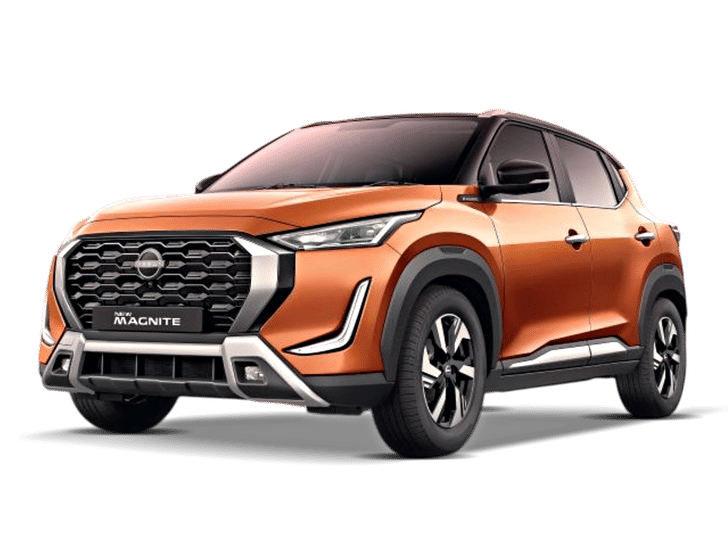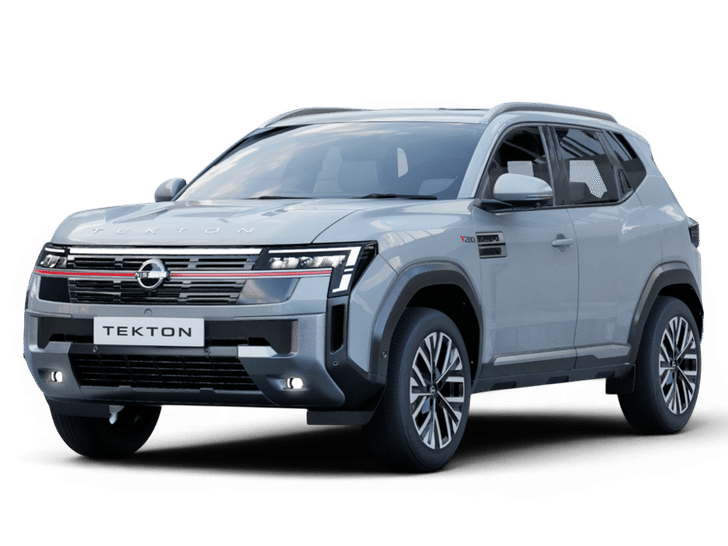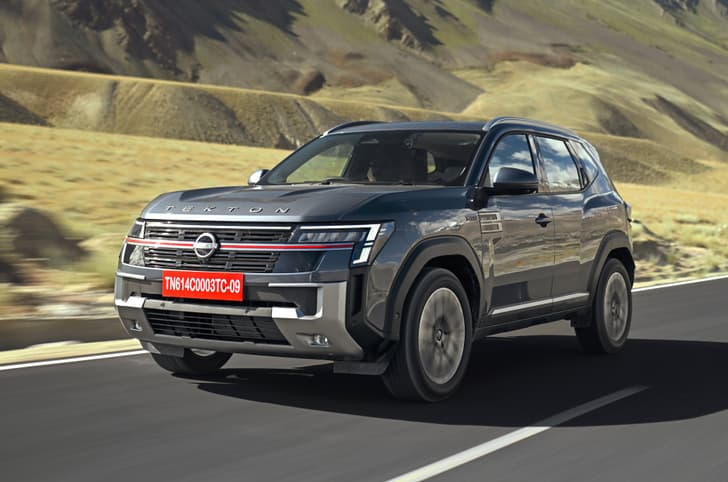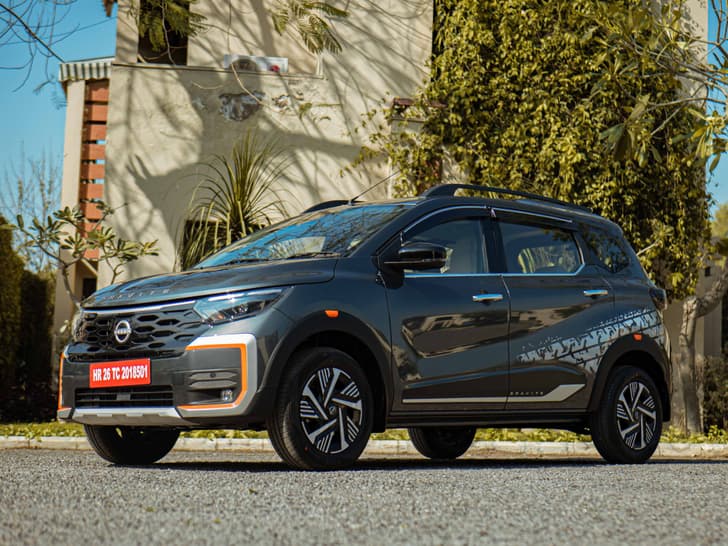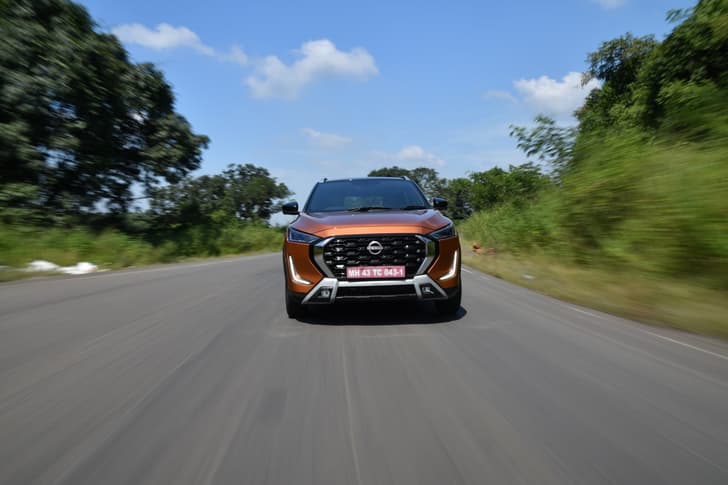
Early last year, Nissan exited its manufacturing joint venture with Renault and has since launched two Renault-based models – the Gravite, a sister car to the Triber, and the Tekton, its version of the Duster. Thus, Nissan’s locally built portfolio comprises entirely of shared-platform products. That, however, does not need to be the case.
When asked about the possibility of building Nissan platform-based vehicles at the Renault plant, Guillaume Cartier, chief performance officer at Nissan, confirmed the possibility and said, “yes we can have a car on a Nissan platform manufactured at RNAIPL.”
Reserved Production Capacity
Towards that end, Nissan already has a production capacity reservation with Renault. The plant's total current output too is far from its total capacity; thus, room for additional products is available. Nissan also has its own engineering team at the R&D facility it partners with Renault, which it says is capable of undertaking its own product development work as well as independent model lifecycle management too. Thus, lifecycle management for products like the Tekton, for instance, can run independently from Renault’s plans, says Nissan.
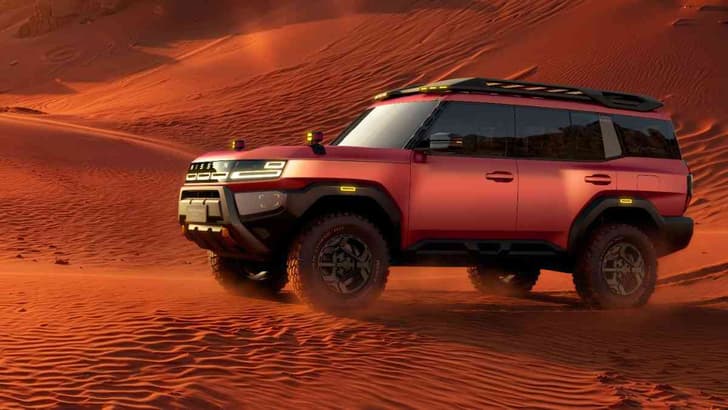
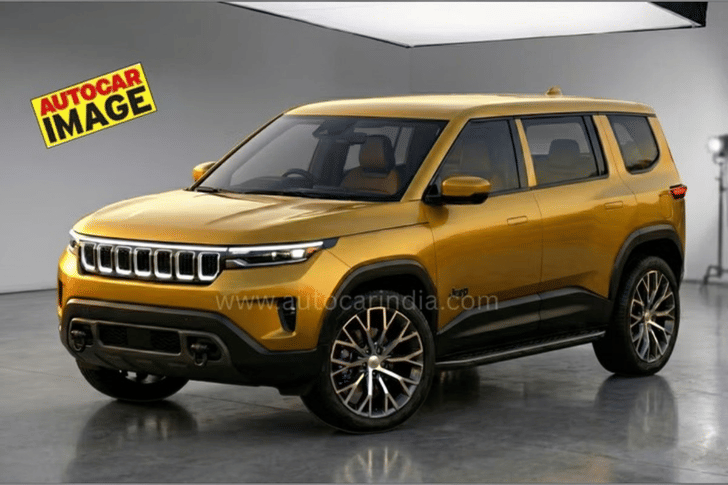
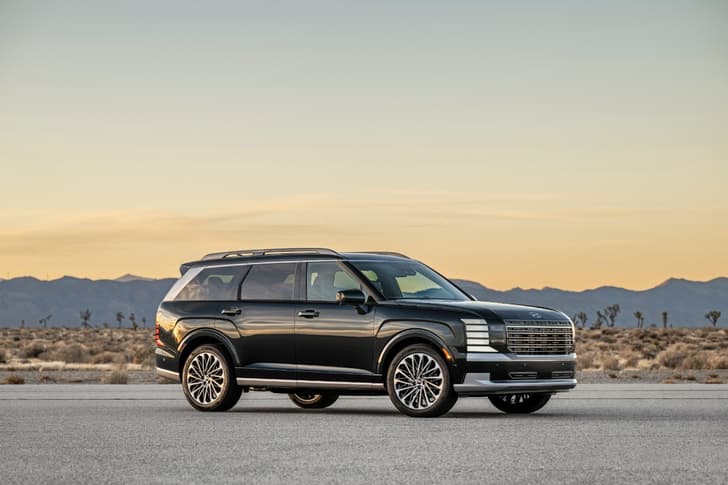
As for independent products, we had reported earlier that Nissan is exploring the possibility of building its newly unveiled Nissan Terrano SUV in India. Built along with Nissan’s Chinese partners Dongfeng, the new platform provides for various body types as well as powertrain options, and these products form a good fit for our market, which demands low prices, plenty of equipment and frequent updates.
Additional Investment
While shared platforms make sense for both partners, it is important for Nissan to have a strategy which is not tied in completely to Renault, both for its brand identity as well as strategic reasons. For instance, we understand the Tekton is currently not offered with Renault’s upcoming strong-hybrid powertrain, as sources indicate Renault wishes to keep the 1.8-litre hybrid system exclusive and use it as a competitive advantage in an increasingly crowded midsize SUV space.
Theoretically, Nissan could work around this with its own technologies. “Our product plans can be built along with our partner, or with our own platform, or technologies too,” says Cartier. However, it comes down to investments required. We understand the €700 million investment is already spoken for; thus further product plans would require additional investments, something that Nissan will have to stump up if it wants success here. Nissan says, though, it is very keen on the Indian market, with Cartier stressing again that its plans are long term, which is why it has secured its local production capacity, retained its engineering as well as financial arm in India and expanded its network.
 Autocar India News Desk
 Dhruv Dhaka

 Uday Singh