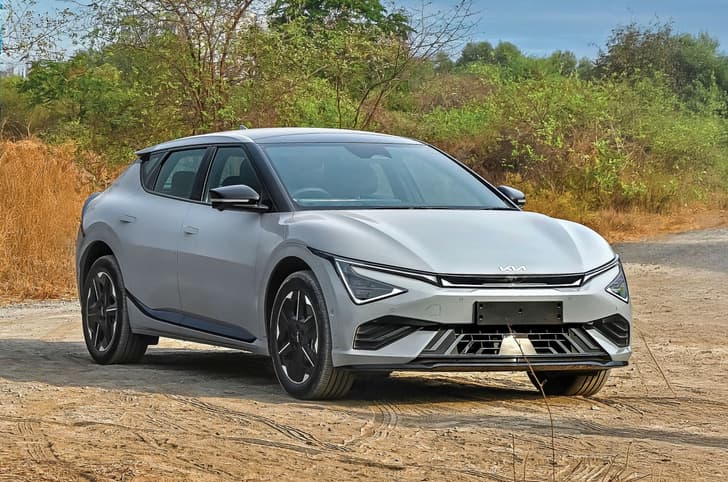
The Ministry of Heavy Industries has finalised a new EV policy dubbed ‘Scheme to Promote Manufacturing of Electric Passenger Cars in India’ (SPMEPCI), which allows the import of electric cars at a lower 15 percent customs duty. Otherwise, the rate is 110 percent. These tariff cuts aim to attract global EV makers to India and incentivise local manufacturing of electric cars.
- Interested carmakers must invest Rs 4,150 crore and meet other criteria
- It will allow each of them to import 8,000 premium EVs annually at the concessional tax rate
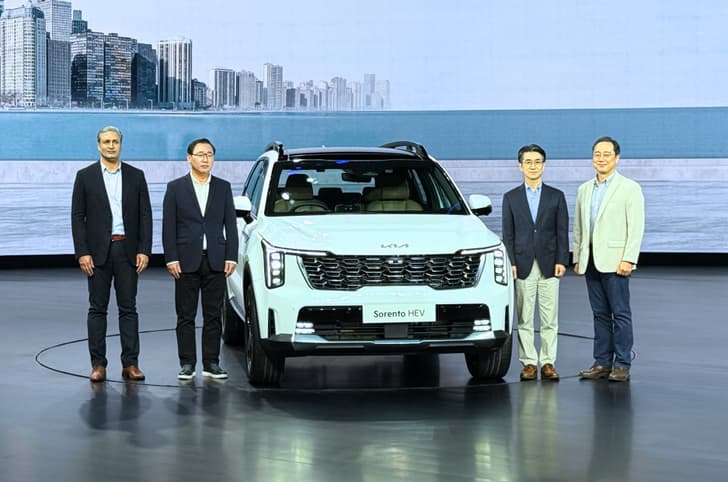
- Carmakers like Volkswagen, Kia, Hyundai and Skoda are interested in the policy
EV import duty reduction policy explained
Rs 4,150 crore investment mandatory
To qualify for the slashed import duties under SPMEPCI, approved carmakers must invest Rs 4,150 crore (approximately $500 million) within three years to ensure commitment to building EVs in India. Manufacturers will also be permitted to set up assembly operations in existing production plants, but prior investments and land/building costs shall be excluded from the initial investment amount. The duty reductions will last for a period of five years.
Secondly, participating carmakers must achieve progressive annual turnover milestones: Rs 2,500 crore by the second year, Rs 5,000 crore by the fourth year, and Rs 7,500 crore by the fifth year. Within this time span, manufacturers must also open local production plants by the end of the third year and achieve 25 percent local value addition, which should be increased to 50 percent by the end of the fifth year.
Quota of 8,000 units for tariff cuts
The lower import duty will be applicable for up to 8,000 premium EVs (priced above USD 35,000) annually, beyond which the current 110 percent duty will be levied. Total savings from the tariff cuts are capped at either Rs 6,484 crore or actual investment, whichever is lower, and unused yearly quotas can be carried forward as well.
Additionally, the government has specified that expenditures like manufacturing equipment and machinery, research and development facilities, charging infrastructure (up to 5 percent of total investment), land and buildings (up to 10 percent of investment if part of the main manufacturing facility) count towards the initial investment required. An online portal for SPMEPCI submissions will soon be opened, with the issuance of approval letters to compliant carmakers likely beginning in August 2025.
Carmakers interested in EV import duty reductions
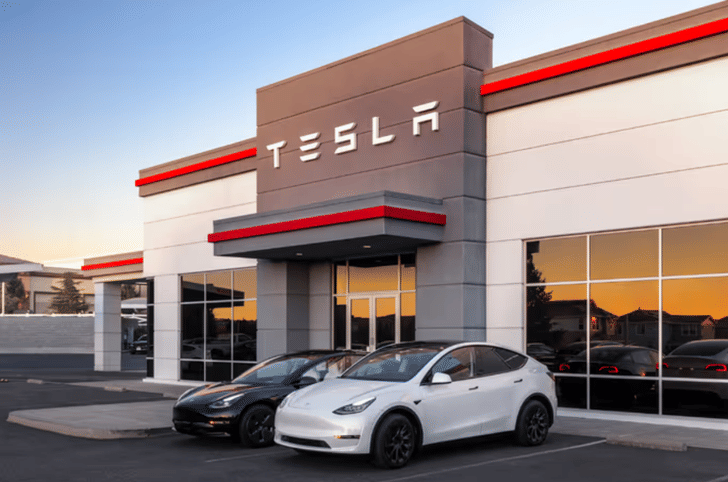
Tesla not looking to manufacture EVs in India
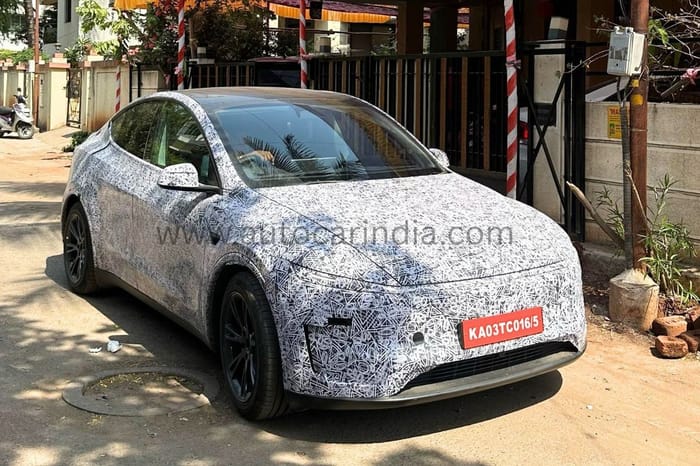
HD Kumaraswamy, the minister of heavy industries, recently stated that carmakers like Hyundai, Kia, Mercedes-Benz, Skoda and Volkswagen have “formally” expressed interest in the SPMEPCI policy. However, American EV maker Tesla is not among the companies interested in setting up manufacturing facilities here. Tesla is slated to enter the Indian market in 2025, and it seems all but confirmed that the company’s offerings would attract the full 110 percent tariff upon launch.
“Mercedes-Benz, Volkswagen, Skoda, then Hyundai and Kia – all these companies have already shown interest formally. Tesla, we are not actually expecting from them. They are only to start showrooms; they are not interested in manufacturing in India, as per the information that is with us today,” said Kumaraswamy.
The minister also revealed that SPMEPCI applications will only be considered from carmakers that earn at least Rs 10,000 crore in annual revenue from automotive manufacturing and have fixed assets of at least Rs 3,000 crore globally.
 Autocar India News Desk
 Dhruv Dhaka
 Dipan Sur