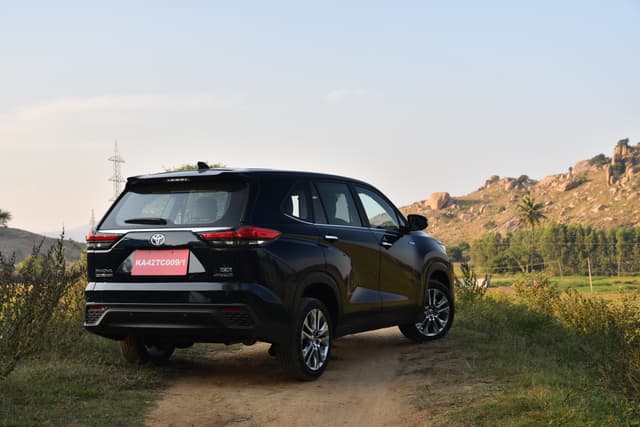
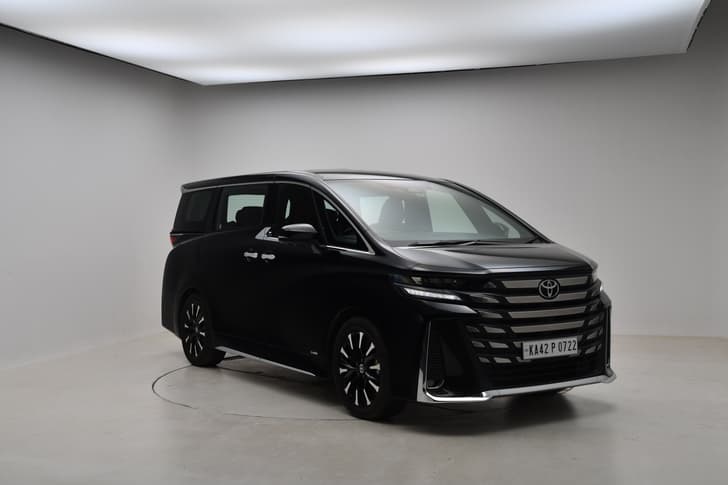
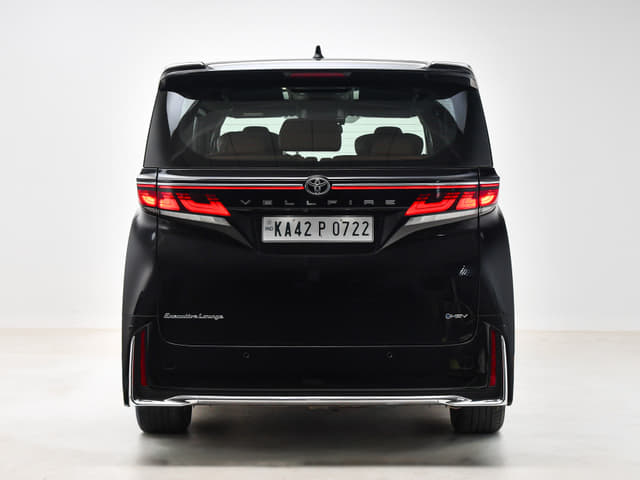
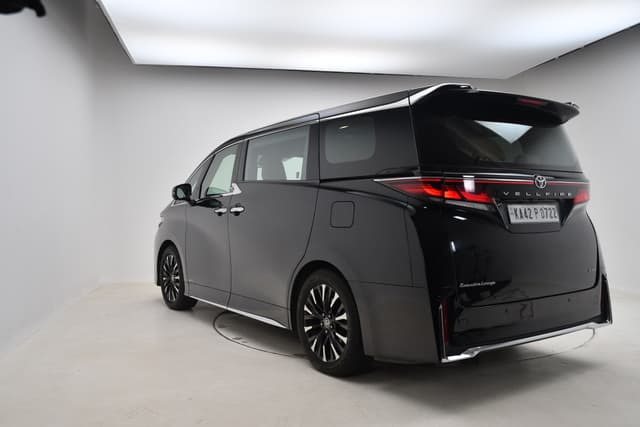
Mpv Hybrid Cars in India (4)
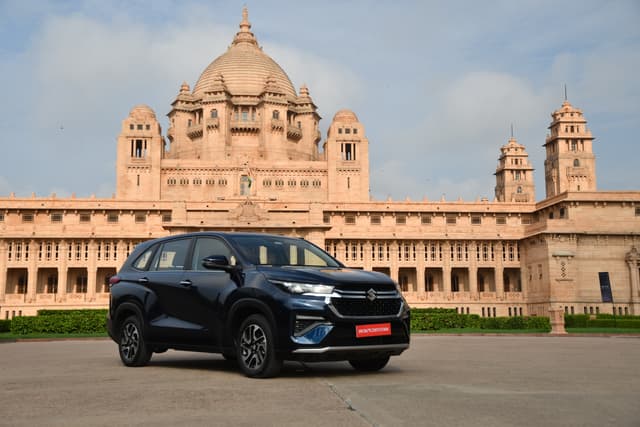
Discover the best Mpv Hybrid Cars. Our comprehensive guide covers detailed specifications, expert reviews, pricing information, and buying advice for Mpv Hybrid Cars. Find the perfect cars that matches your requirements and budget.


Trending Questions on Cars - Answered by Autocar Experts
I currently own a 2023 Tata Nexon Petrol, and my annual running is around 6,000-7,000 km. Most of the time, the car remains parked at home, and I usually start it once a week and let it idle for 5-10 minutes. I am now planning to buy a 7-seater family car. I live in a hilly region, and my budget is around Rs. 25 lakh. Given my relatively low annual running, should I opt for a hybrid or a conventional ICE (petrol/diesel) vehicle? Also, which 7-seater would you recommend for my requirements?
With a car under Rs 25 lakh and low annual running costs, the Mahindra XUV 7XO AX7 petrol automatic is the most sensible recommendation. The petrol engine is well suited to hill driving thanks to its punchy character, which makes steep climbs and overtaking much easier. The XUV 7XO also offers a genuinely usable third row, good ride comfort and a robust build, making it a very practical family car. With your running of 6-7,000 km a year, hybrid cars or diesel vehicles do not make financial sense, and the petrol will be much more straightforward to maintain as well. The Tata Safari is also worth considering if you prefer a more premium cabin and a slightly softer ride, but the XUV 7XO is the more complete package overall.
Hi team, I am planning to buy a 7-seater Toyota for family use and am confused between Innova Crysta VX Diesel and Innova Hycross VX Hybrid. I already own a Maruti Baleno for daily city commuting, so this vehicle will mainly be used for long highway trips, family vacations, and occasional visits to my village, where some roads are in poor condition. I have taken the test drive of both vehicles. The Hycross felt smoother, more spacious, and very comfortable. However, I noticed that its engine becomes a bit noisy under hard acceleration, so I am not sure how it performs during long highway drives, overtaking, and while carrying a full load of passengers and luggage. My priorities are long-term ownership (10-15 years), reliability and low maintenance, comfort for 7 family members, good highway performance, ability to handle occasional rough village roads and good resale value. Considering my usage, which would you recommend between Crysta VX or Hycross VX? I would especially appreciate feedback from owners who have driven or owned both.
Go for the Toyota Innova Hycross VX Hybrid. Since you already have a Maruti Baleno for daily city use, this second car is clearly a long-distance family machine, and the Hycross is simply the better fit for that role. It is more spacious than the Crysta, has a more comfortable ride, and the hybrid powertrain is genuinely impressive on highways. Yes, the engine gets a bit vocal under hard acceleration, but in real-world highway driving, it is smooth, refined and has enough power for overtaking even with a full load. The hybrid system also keeps fuel costs in check, which matters over long ownership, and it is one of the strongest hybrid cars for family touring and long-distance comfort.The Crysta VX diesel is still a very good car, especially for rough roads and heavy-duty use, but the HyCross is the more modern and comfortable family vehicle. It will also have better resale value in the long run as diesel demand continues to decline. The only reason to pick the Crysta would be if your village roads are genuinely bad enough to require a tougher, body-on-frame vehicle. Otherwise, the Hycross VX Hybrid is the better all-rounder for your needs.
I currently own a first-generation Toyota Innova diesel (7-seater) that I bought in 2008. It has covered 2.75 lakh km. Even today, I am inclined towards the Innova HyCross because of Toyota's reliability and long-term ownership experience. I am looking for a spacious family vehicle that offers comfort, good ride and handling, reliability, and is enjoyable to drive. My annual running is approximately 9,500 km, with 70% city use in Mumbai and 30% highway use, mainly on the Mumbai-Satara route. My budget is Rs 26 lakh, and the Hycross Hybrid is beyond that. I have considered the HyCross GX(O) petrol, but I am concerned about its fuel efficiency in city conditions. Should I still consider it? If not, what other options would suit my requirements? I am open to both SUVs and MPVs, although I am not inclined towards the Ertiga, XL6, or Kia Carens, as they do not feel like significant upgrades.
Yes, buy the Innova HyCross GXO non-hybrid. Your 70% Mumbai use and only 9,500 km a year means the hybrid’s big price jump will take ages to recover, while the MPV still gives you the Innova space, comfort and Toyota’s easy long-term ownership. In real Mumbai traffic, expect roughly 8-10 kpl and about 12-14 kpl on the Mumbai-Satara run. The automatic is smooth in the city, the ride is calm, and the third row is far better than any SUV at this price.One honest catch: the 2.0 petrol is relaxed, not exciting, and the GXO trim is light on features. If you want sharper performance and more kit, you will need to stretch, which you said you do not want to.If you still want options, look at the Hyundai Alcazar 1.5 turbo petrol. It is nicer to drive in the city and decently efficient, but this petrol car is a size smaller, and the third row is tight.The Mahindra XUV 7XO petrol is quick and feature-rich, yet its third row and boot cannot match the Innova, and long-term peace of mind still tilts toward Toyota. Diesel versions of these two could also be an option, but with your city-heavy running, you will need to make extra trips on the highway to keep the DPF healthy.
I am looking to buy an 8-seater car for my family and am confused between the Toyota Innova Hycross GX(O) and the Maruti Invicto Zeta Plus. My annual driving is quite low, around 8,000-10,000 km. My thought process is that since the price difference between the two is only around ₹3.5 lakh, spending the extra amount for the strong hybrid system could make sense because of the better fuel efficiency and overall refinement. Could you please guide me on which option would be the better choice for my usage and long-term ownership?
If you are specifically thinking that the extra Rs 3.5 lakh gets you much better mileage plus more features, then the Maruti Suzuki Invicto Zeta Plus starts making a stronger case than it initially appears. Since both the Invicto and Toyota Innova Hycross are fundamentally the same car underneath, the real decision is between the simpler Toyota badge and the richer hybrid package in the Maruti.The Invicto Zeta Plus does not just add the strong hybrid powertrain, which will be noticeably more efficient and smoother in city driving. Moreover, it also brings a much better feature set, including a larger touchscreen, connected car tech, powered driver’s seat, ambient lighting, wireless charging, dual zone climate control and a generally more premium ownership experience. That said, with your annual running of only 8,000 to 10,000 km, fuel savings alone will take a long time to recover the premium. So if your thinking is purely financial, the Innova Hycross GX(O) makes more sense, especially with Toyota’s stronger resale and ownership reassurance.But if you are already comfortable with the extra spend and want the smoother hybrid drivetrain plus the richer feature set for a family car you may keep long term, the Invicto Zeta Plus is the better overall package.
I either want a 7-seater EV or a hybrid. My annual running is around 20,000 km, with most of the usage in the city and one outstation trip every month. I am confused about which would be the best overall choice in the ₹20 lakh segment.
With 20,000 km a year, mostly in the city, and a hard cap of around ₹20 lakh, the Kia Carens Clavis EV is the most sensible 7-seater for you. However, your budget will get you the 42kWh variant, which is fine for city use and short highway trips. If you want longer range, you will need to stretch your budget by about ₹4 lakh for the 51.4kWh variant.For your daily city runs, it will feel smooth, and an EV takes the stress out of traffic jams. It is light to drive and not too big, so parking is easier than in larger 7-seaters. For once-a-month trips, it has enough space for family and luggage if you travel light, and the third row can accommodate adults.There are no hybrid 7-seaters in your budget. The Toyota Innova HyCross hybrid starts upwards of ₹30 lakh, but if you want to stick to an ICE vehicle, the Carens Clavis with the 1.5-litre turbo-petrol and DCT is a good alternative. Do note though, the DCT can hesitate at slow speeds and won’t feel as smooth or as stress-free as the Clavis EV.Overall, for your budget and city-heavy use, the Kia Carens Clavis EV fits best.
Last Updated on: 7 Aug 2026