Last Updated on: 12 Oct 2026
Land Rover Defender FAQs
Land Rover Defender FAQs
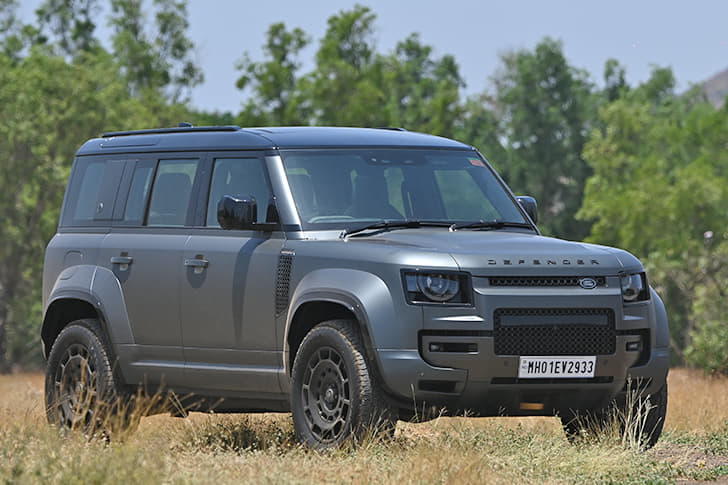
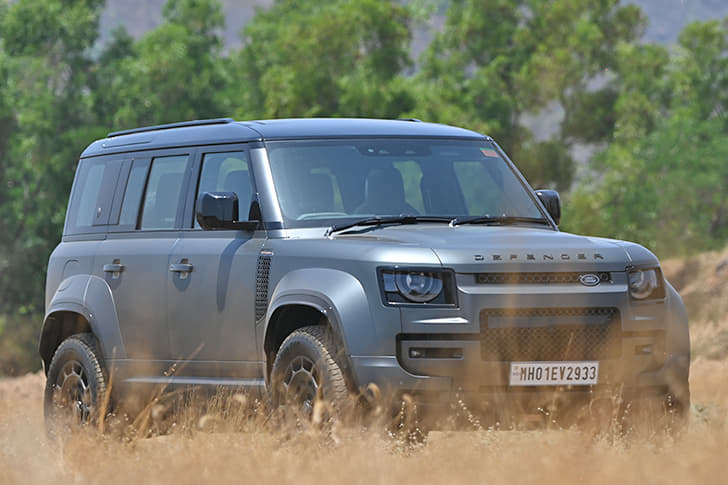
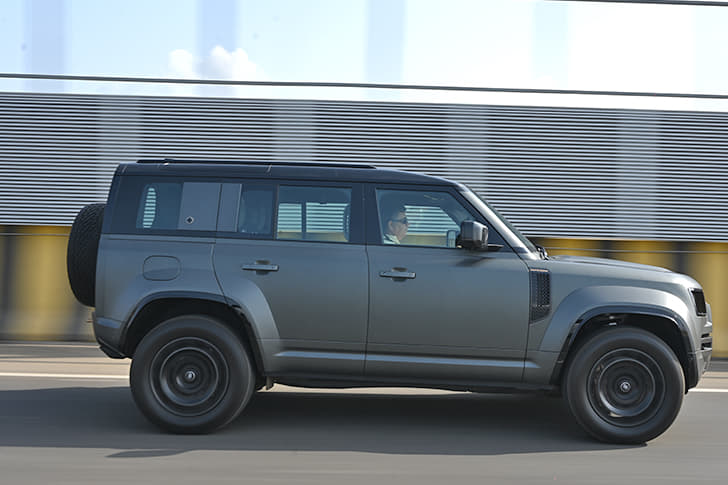
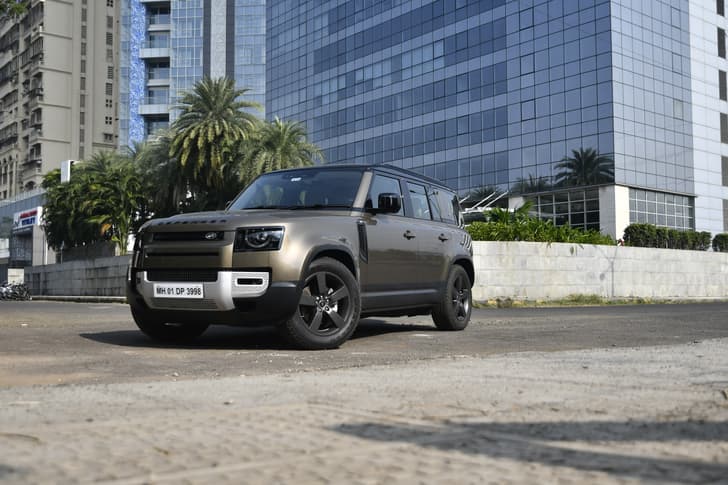
Yes, the Land Rover Defender is well suited to daily city driving. Its composed handling, precise steering and comfortable ride make it easier to drive than many traditional off-road SUVs. That said, its large dimensions and tall stance can make narrow streets and tight parking spaces more demanding.
The Land Rover Defender offers a premium, well-built cabin, but its interior prioritises durability and functionality over outright luxury. Compared with rivals like the BMW X7 and Mercedes-Benz GLS, it has a more rugged design and may not feel as plush for buyers seeking a traditional luxury SUV experience.
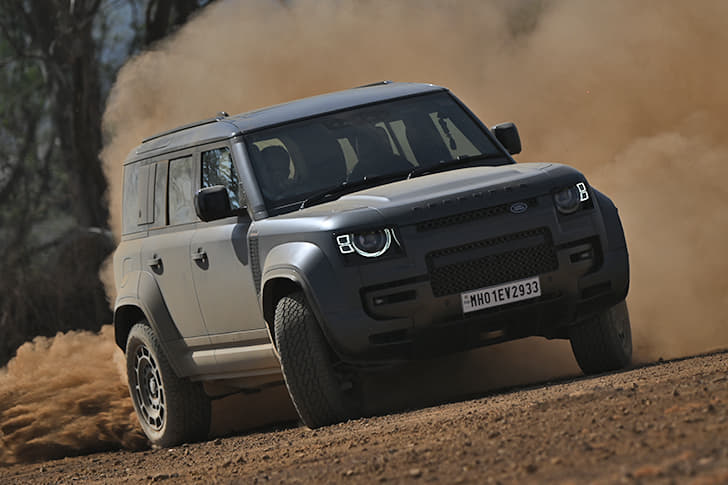
The Land Rover Defender delivers a more refined on-road driving experience than many traditional off-road SUVs. Its unibody construction contributes to better ride comfort, handling and stability, while rivals such as the Mercedes-Benz G-Class and Jeep Wrangler retain a more rugged, off-road-focused driving character.
Yes, the Land Rover Defender 130 offers one of the more spacious third rows among full-size luxury SUVs, including models such as the Mercedes-Benz GLS, BMW X7 and Lexus LX. It provides generous headroom and knee room for adults, though the second row remains the more comfortable place to sit.
The 2.0-litre petrol Land Rover Defender offers a balanced mix of performance and refinement for everyday driving. While it isn't as quick as the larger engine options, it delivers smooth power, confident performance and good highway cruising ability, making it a practical choice for most buyers.
The Land Rover Defender is generally seen as offering relative value rather than being inexpensive. It is priced significantly below the Mercedes-Benz G-Class, while sitting above more basic off-roaders like the Jeep Wrangler. This positions it as a middle ground, where value is defined more by capability and versatility than by low ownership cost.
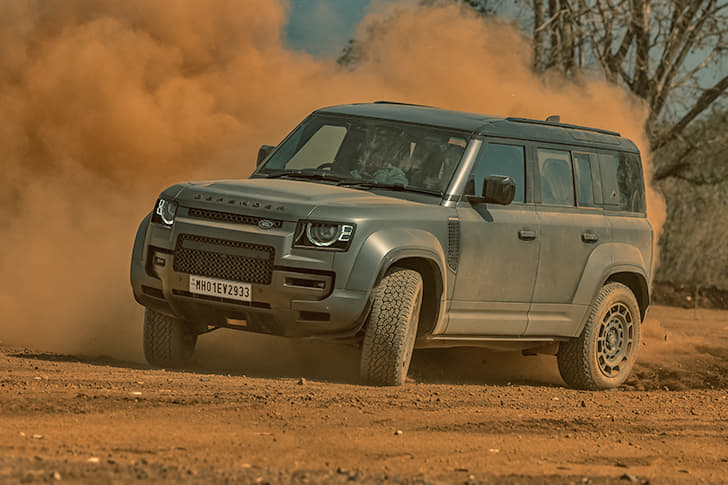
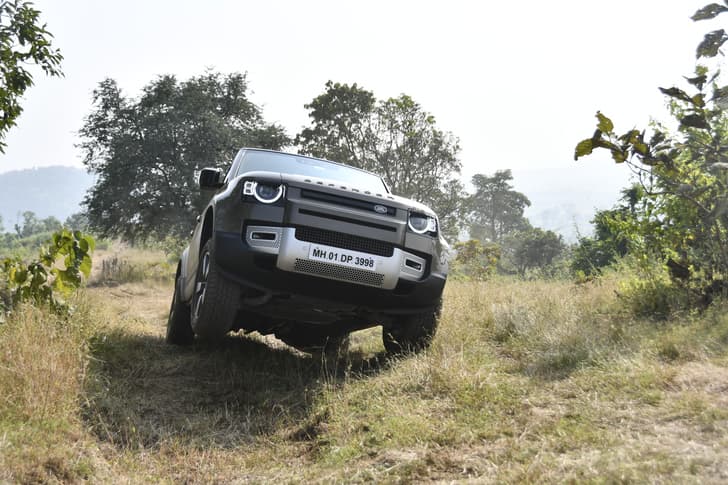
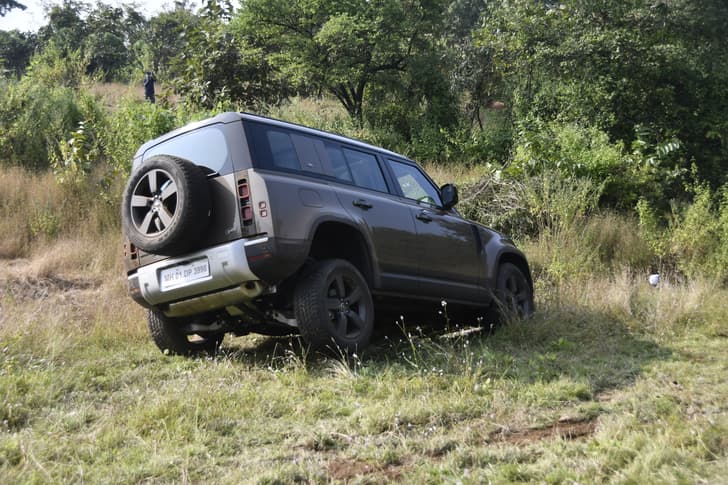
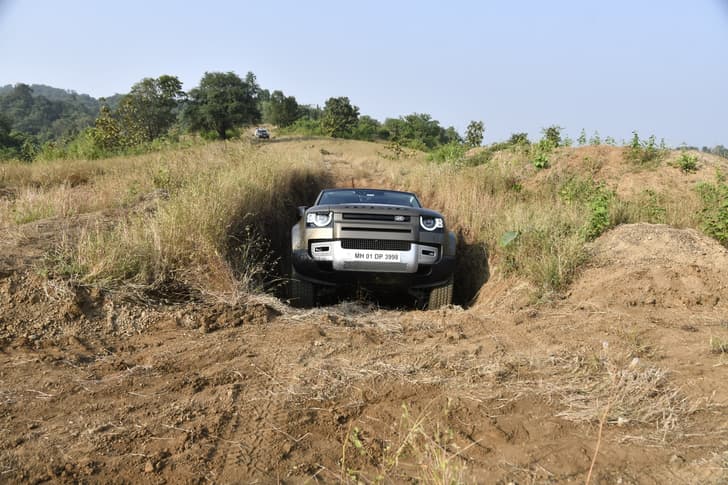
The Land Rover Defender stands out for combining genuine off-road capability with everyday comfort and premium appeal. Its blend of refinement, practicality and all-terrain performance sets it apart from many luxury SUVs, making it a compelling option for buyers seeking versatility alongside luxury.
The Land Rover Defender’s starting price can be misleading, as a long list of optional extras can significantly increase the final cost. With India-spec models being fully imported and subject to high duties, the on-road price can rise well beyond the base figure depending on configuration.
The Land Rover Defender 110 is widely regarded as the most balanced choice, offering a strong mix of space, comfort and drivability. The Defender 90 suits buyers prioritising a more compact footprint, while the Defender 130 is better suited to those needing maximum seating capacity and third-row usability.
The Land Rover Defender Octa is aimed more at enthusiasts than at value-conscious buyers. It offers significant performance and capability upgrades over the standard Defender, while undercutting the Mercedes-AMG G 63 on price. For many buyers, the decision is likely to come down to exclusivity and driving experience rather than outright value.
The Land Rover Defender’s D7x aluminium monocoque platform improves on-road comfort and handling compared with traditional body-on-frame SUVs, while still retaining strong off-road capability. It results in a more stable, less utilitarian driving feel on tarmac, though it does not change the basic purpose of the vehicle.
Upcoming Cars
Land Rover Cars
Trending Cars



Latest Cars