Last Updated on: 04 Sep 2026
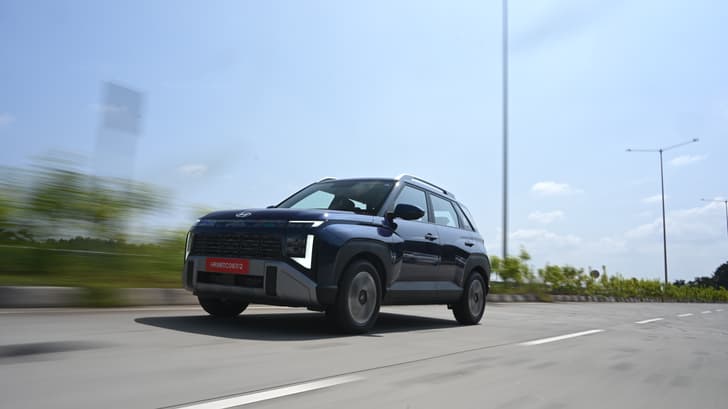
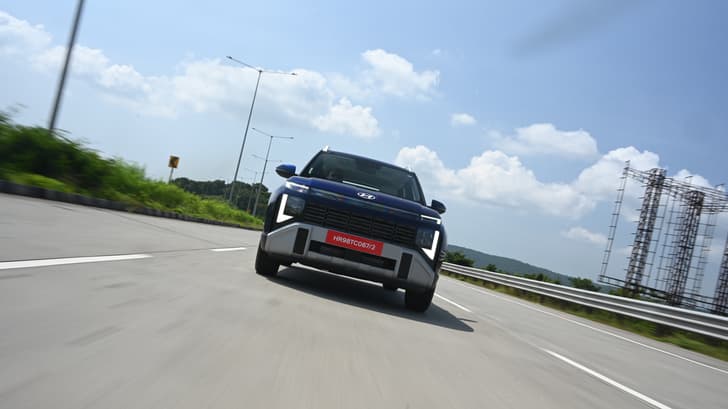
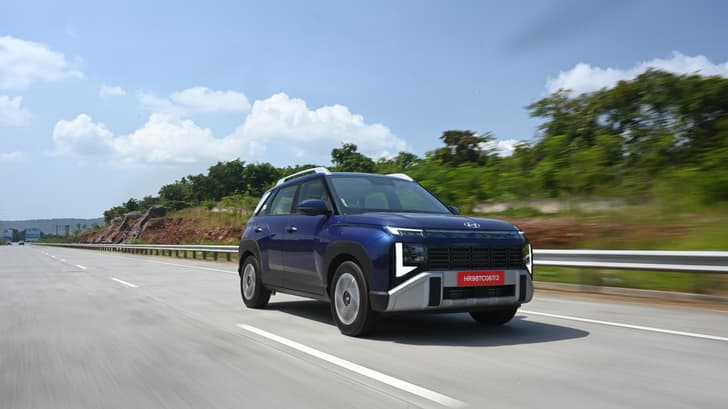
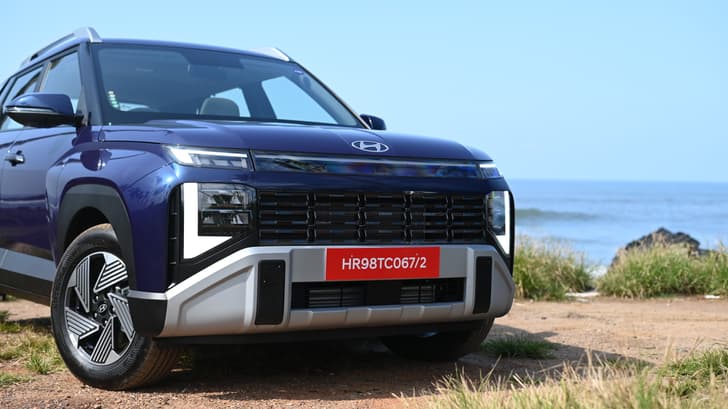
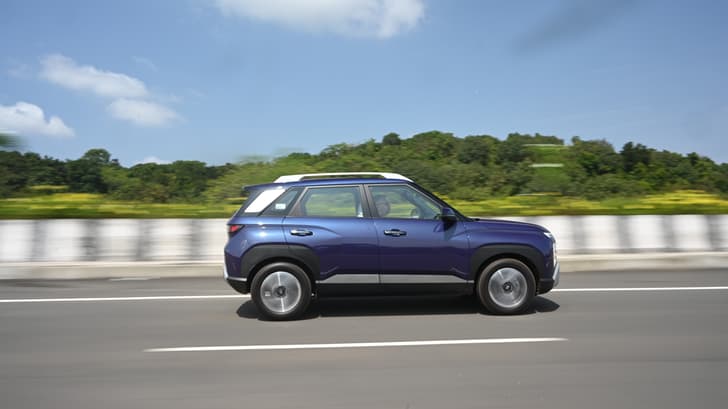
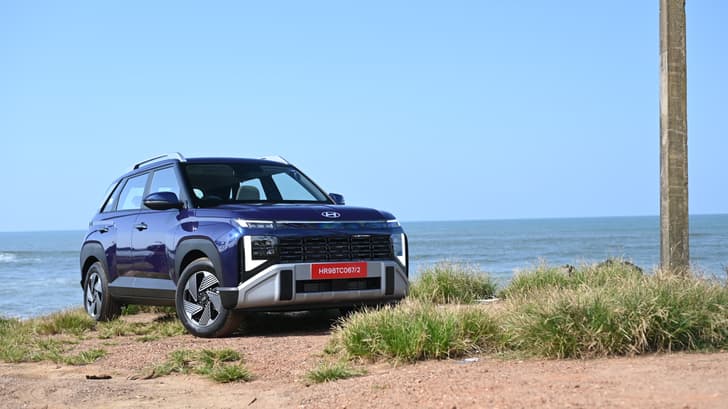
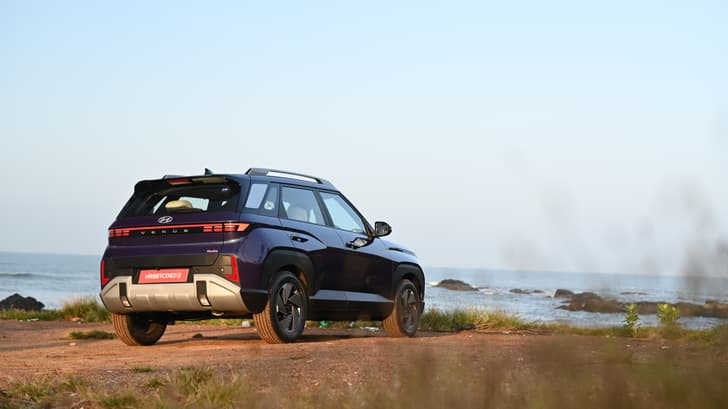
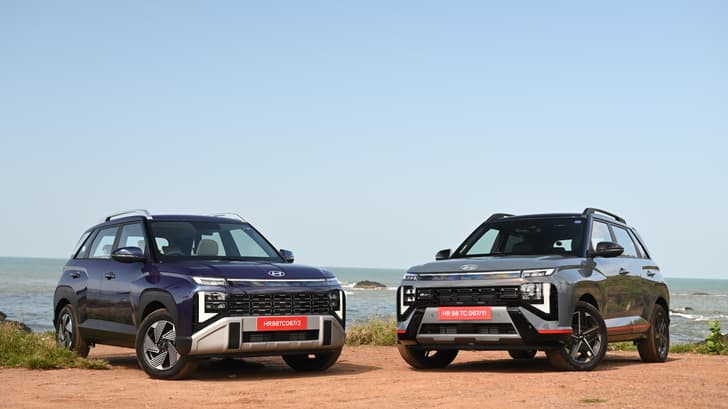
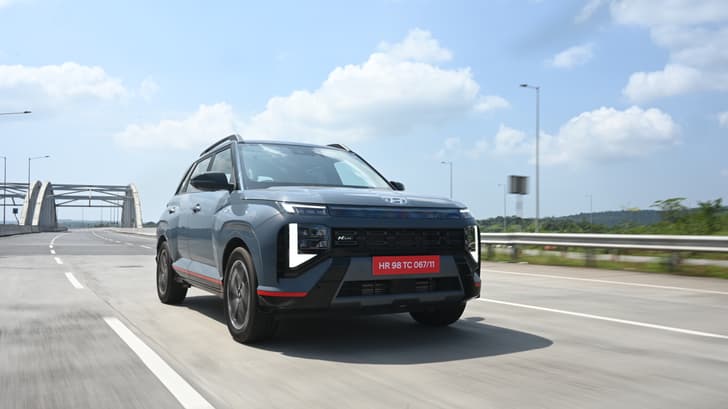
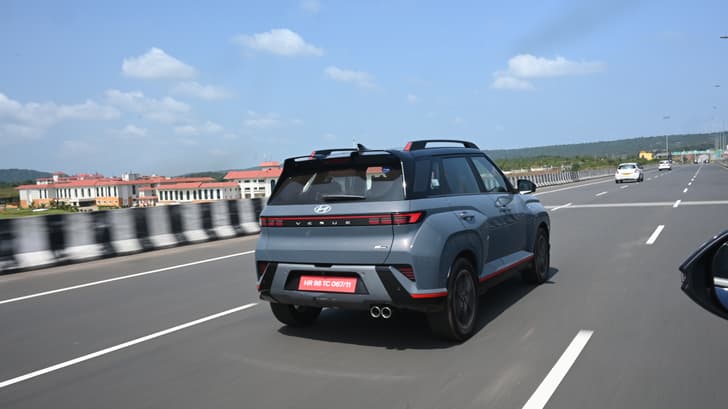
Hyundai Venue HX2 1.2 Petrol MT
Hyundai Venue HX2 1.2 Petrol MT Key Features
- Electronic Stability Control
- Traction Control
- Brake Assist (BA)
- Fully Digital Digital Instrument Cluster
- Manual Climate Control
Hyundai Venue HX2 1.2 Petrol MT specifications
Engine & Transmission
Engine Displacement | 1197 cc |
Number of Cylinders | 4 |
Engine Installation | Front |
Fuel Type/ Propulsion | Petrol |
Pure Electric Driving Mode | No |
Gearbox Type | Manual |
Number Of Gears | 5 |
Drive Layout | Front Wheel Drive |
Lockable Differential/s | No |
Max Engine Power | 83 hp at 6000 rpm |
Max Engine Torque | 114.7 Nm at 4200 rpm |
Fuel & Performance
Fuel Supply System | MPFI |
E20 Compatibility | Yes |
Emission Standard | Bharat Stage VI |
Terrain Modes | No |
Auto Start/Stop | No |
Official Fuel Economy | 18.05 kmpl |
Autocar Tested City Mileage | 10.7 kmpl |
Autocar Tested Highway Mileage | 14.9 kmpl |
Fuel Tank Capacity | 45 litres |
Autocar Tested Mileage | 12.8 kmpl |
User Reported Mileage | 16.73 kmpl |
0-100kph | 15.35 s |
20-80kph (in third gear/ kickdown) | 13.64 s |
40-100kph (in fourth gear/ kickdown) | 20.15 s |
Suspension & Steering
Front Suspension Type | Independent, MacPherson Strut |
Front Springs | Coil Springs |
Rear Suspension Type | Non-independent, Torsion Beam |
Rear Springs | Coil Springs |
Damper Control | No |
Ride Height Adjust | No |
Type of Power Assist | Electric |
Steering Adjust type | Manual |
Steering Adjust | Tilt |
4 Wheel Steer | No |
Turning Radius | No |
Front Brakes | Disc |
Rear Brakes | Drum |
Wheel Size | 15 inches |
Front Tyre Size | 195/65 R15 |
Rear Tyre Size | 195/65 R15 |
Wheels | Steel rims with wheel covers |
Spare Wheel | No |
Dimensions
Length | 3995 mm |
Width | 1800 mm |
Height | 1665 mm |
Wheelbase | 2520 mm |
Ground Clearance | 190 mm |
Kerb Weight | 1127 kg |
Chassis Type | Monocoque |
Boot Capacity | 375 litres |
Doors | 5 |
Hyundai Venue HX2 1.2 Petrol MT features
Comfort
| Steering Mounted Controls | Audio and Phone |
| Bottle Holder in Doors | |
| Cabin Boot Access | |
| Powered Tailgate | |
| Sunroof | |
| Sunglass Holder |
Safety
| Driver Airbag | |
| Seat Belt Warning | |
| Side Airbag | |
| Electronic Brakeforce Distribution (EBD) | |
| Electronic Parking Brake | |
| Door Ajar Warning |
Exterior
| Sequential Turn Indicators | |
| Welcome and Goodbye Animation | |
| LED taillights | |
| Headlight Height Adjuster | |
| LED headlamps | |
| LED DRLs |
Interior
| Tachometer | Digital |
| Trip Meter | |
| Speedometer | Digital |
| Shift Indicator | |
| Instantaneous Consumption | |
| Low Fuel Level Warning |
Entertainment
| Rear Entertainment Screens | |
| MirrorLink | |
| Front USB port | 2 Type C |
| Wireless Phone Charging | |
| Web Browser | |
| Voice Commands |
Connected Car Features
| Emergency Call Button | |
| Remote Sunroof Open / Close via App | |
| Remote Car Lock/Unlock via App | |
| Remote AC On / Off via App | |
| Find My Car | |
| Geo Fence |
Hyundai Venue variants
 Electronic Stability ControlFully Digital Digital Instrument ClusterPhone-based Satellite NavigationOver the air (OTA) updatesFabric Seat MaterialWith Display Tyre Pressure Monitoring SystemExterior Mirrors Electric FoldDriver's Seat Height AdjustORVM turn indicatorsRear Parking CameraSingle Pane SunroofOver the air (OTA) updatesFront Seat Armrest with StorageCruise ControlORVM turn indicatorsEmergency Brake Light FlashingDriver rear view monitor (DRVM)LED Daytime Running LightsSingle Pane SunroofFollow Me Home HeadlampsAnti-Pinch Power WindowsKeyless Entry with Proximity SensorsWireless Phone ChargingLow Battery WarningSecond Row Seat AdjustmentElectronic Parking Brake with Autohold1-zone Climate ControlLeatherette Seat MaterialPuddle LampsLED headlampsAutomatic HeadlampsSingle Pane SunroofWireless Phone ChargingOver the air (OTA) updatesFabric Seat MaterialDashcamKeyless Entry6 SpeakersRemote Car Lock/Unlock via AppFront Seat ArmrestElectronic Parking Brake with AutoholdDriving ModesOver the air (OTA) updatesFront Only Ventilated SeatsConnected LEDKeyless Entry with Proximity SensorsFabric Seat MaterialSingle Pane SunroofLED headlampsWireless Phone Charging
Hyundai Venue comparison

Questions you may find useful
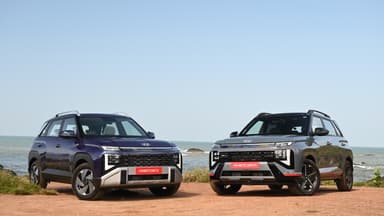
Hi! I am planning to buy my first car. My budget is around Rs 15-16 lakh, and I will be using the car for around 500-600km a month, with 60% of my driving on highways. I am confused between the Venue N Line N6 manual (I might get the automatic if it fits within my budget) and the Creta EX(O) Summer Edition. My mom and dad really liked the Creta, but I feel the Venue N Line offers better value for money. Which one should I choose?

 Hyundai CretaHyundai Venue
Hi! I am planning to buy my first car. My budget is around Rs. 15-16 lakh, and my monthly running would be less than 500-600 km, with around 60% of it on highways. I am confused between the Venue N Line N6 manual (I might consider the automatic if it fits within my budget) and the Creta EX(O) Summer Edition manual. My mom and dad really liked the Creta, but I felt the Venue N Line N6 offered better value for money. Which of these two would be a better option for my requirements?
Hyundai CretaHyundai VenueI’m looking to buy the Citroen Aircross X 5-seater automatic, but I’m not completely convinced because of Citroen’s after-sales service and parts availability. If I don’t go for the Aircross, I will have to consider smaller cars such as the Kylaq or Venue, as my budget is Rs. 16 lakh at most. The extra space, ride comfort, and good discounts on the Citroen are tempting compared to the other two. Which one should I choose? My usage will be around 60% highway and 40% city.
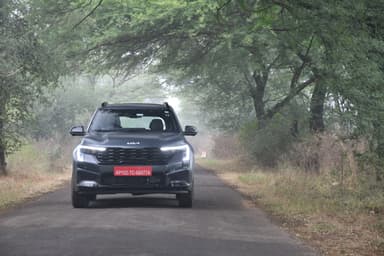
Citroen AircrossSkoda KylaqHyundai VenueI am planning to buy a sub-4m SUV and have shortlisted the Skoda Kylaq Signature Plus Automatic and Hyundai Venue HX5 Diesel Automatic. My annual running is expected to be around 16,000 to 18,000 km, including approximately 12,000 km of highway driving. From an economic point of view, I am slightly concerned about the Kylaq’s real-world petrol mileage, especially given the high amount of highway running. I am also concerned about the long-term implications of E20 petrol and whether it could lead to any issues in the future. On the other hand, I have concerns about buying a diesel due to the possibility of future government restrictions and the uncertainty around long-term diesel ownership. Considering these factors, I would appreciate your advice on which of the two would be the better choice for at least eight years of ownership.
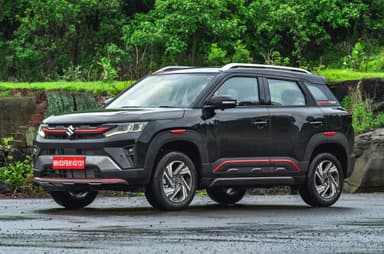
Hyundai VenueKia SeltosSkoda KylaqI’m planning to buy a sub-compact SUV with a budget of around Rs 12 lakh. I prefer a manual transmission and am looking for a car that offers a smooth and comfortable driving experience in both the city and on highways. I also travel to hill areas about twice a year, so I’m unsure whether a turbocharged or naturally aspirated (NA) engine would be better suited to my requirements. The two cars I’m currently considering are the Maruti Suzuki Brezza with its 1.5-litre naturally aspirated engine and the Hyundai Venue with its 1.0-litre turbo-petrol engine. I’d like to understand which engine would be better suited to my usage, how the two compare in city traffic, highway driving and hill roads, and which would offer better long-term reliability and ease of maintenance. I’d also like to know the expected difference in real-world mileage between the two and, considering my overall requirements and budget, which of the two would be the better choice.
Maruti Suzuki BrezzaHyundai VenueHyundai Venue price in India
Upcoming Cars
Hyundai Cars
Trending Cars



Latest Cars