What is it?
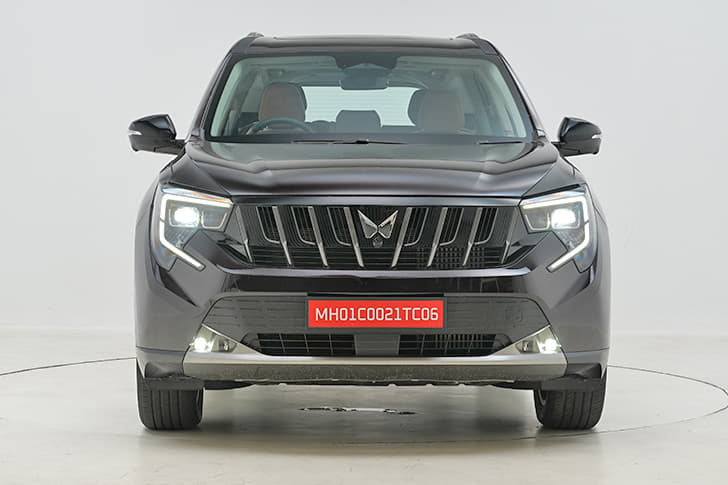
If the fact that the Mahindra XUV500 is available with a petrol engine comes as a surprise to you, you aren’t alone. Mahindra has earned its stripes as a maker of hardy UVs and SUVs powered by diesel engines, so a petrol-powered XUV500 is a bit of an anomaly in the line-up. While the petrol XUV500 has been brought out to cater to the small but growing number of petrol SUV buyers in India, this version has been manufactured primarily for export markets.
The XUV500 petrol is available in only one variant, the G Automatic, and is priced at Rs 15.50 lakh (ex-showroom, Delhi), which is Rs 1 lakh less than the corresponding diesel variant (W9 AT). G trim means the petrol XUV misses out on features like side and curtain airbags, a reverse parking camera, an electric sunroof, quilted leather upholstery and 18-inch alloy wheels. This one rides on 17-inch wheels.

In terms of design, there is only the badging to tell this version apart from a comparable diesel. In general, the XUV500 does look more upmarket following the recent facelift that brought with it a chrome studded grille and a redesigned tailgate.
What’s it like inside?
The petrol XUV500 follows an all-black cabin theme but there is no leather finish on the dash as on the top-spec diesel. Gloss black plastics and brushed silver elements do help uplift the cabin but general fit and finish is not up there with the best in class. What looks rather nice are the shapely tan-finished fabric seats, and the front pair does offer good lateral support. The middle row is big on space and can comfortably accommodate three adults, but thigh support is in short supply. The third row remains a place best used for short journeys.

The petrol XUV500 gets a decent amount of kit. There's standard kit such as dual airbags, ESP with rollover mitigation, hill hold control, and hill descent control, while convenience features include keyless entry, cruise control and a 7.0-inch touchscreen infotainment unit with Android Auto connectivity. What is sorely missed is a reversing camera, and a sunroof would have also been a nice addition.
What’s it like to drive?
The petrol engine powering the XUV500 is a 2.2-litre, four-cylinder turbocharged unit that, interestingly enough, is built around the same block as the diesel engine. The engine comes mated to a six-speed automatic transmission with power channeled solely to the front wheels. With power at 140hp and 320Nm of torque, the numbers are reasonable for an SUV of this size.

If you’ve been in an XUV500 diesel, you’ll appreciate the enhanced refinement of the petrol version. But it's not the most refined as petrol units go. What is nice, however, is the engine’s responsiveness in low-speed environments. Part-throttle responses are good, and power is delivered in a smooth and linear way. Also helping the experience in average city driving conditions is that the gearshifts are seamless. The turbocharger kicks in at around 1,800rpm and the XUV starts pulling away nicely after that point. Floor the accelerator though and you’ll find the gearbox isn’t very quick to downshift. Shifting to manual mode for overtakes doesn’t really help as the 'box automatically shifts up when above 4,300rpm, which is pretty low for a petrol engine. Also, while the engine is fairly responsive initially, it lacks punch as you go higher up the powerband.
The XUV500 petrol will do the 0-100kph dash in 12.77sec, which makes it just as fast as the diesel XUV that's got an extra 15hp. But you will experience considerable torque steer under hard acceleration. What will be a bigger concern for urban users is the XUV500’s fuel economy. We rarely saw the numbers touch double digits – not a good sign in times of rising fuel prices.

The ride quality is similar to what we’ve experienced on the XUV before. The ride is a bit lumpy at low speeds but it gets better with speed. The XUV500 does exhibit vertical movement at highway speeds but feels composed enough. And, as ever, you can feel the SUV's size in the bends; carry more speed than needed and it will understeer into a corner. There’s pronounced kickback at the steering on big bumps as well.
Should I buy one?
Priced at Rs 15.5 lakh (ex-showroom, Delhi), the XUV500 petrol does get you plenty of SUV for the money. But is it the version to buy? Not really. Sure, the petrol model will appeal to buyers for whom refinement is high up on the list of priorities, and it does work fine for urban use, but the low fuel economy is sure to be a put-off even for the most ardent petrolheads. Our advice would be to go for the XUV500 diesel automatic as it remains the best of the XUVs to buy.
 Saumil Shah
 Soham Thakur
 Hormazd Sorabjee
 Sergius Barretto