
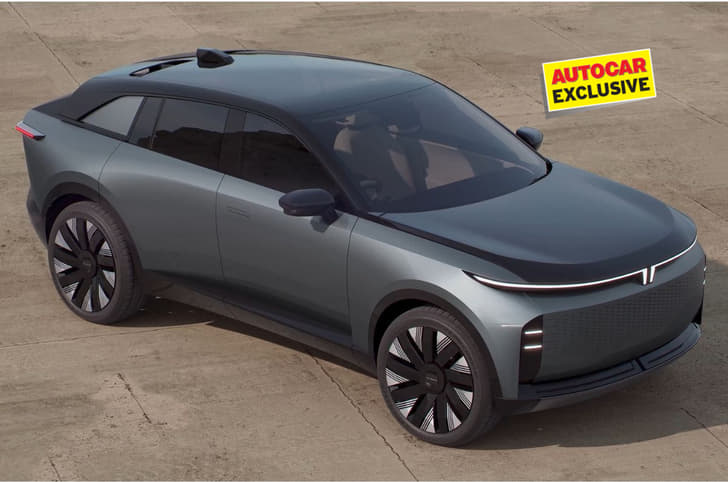
Tata Motors has overhauled the technology strategy for its Avinya premium electric vehicle programme, replacing the previously planned JLR Electrified Modular Architecture (EMA) with a platform sourced from the Chery-JLR (CJLR) ecosystem. The move is expected to help Tata Motors shorten development timelines, improve cost competitiveness and bring its premium EV plans to market faster.
- Avinya range of EVs to use Chery-JLR-derived platform
- Tata Motors will rework the electronics and software for India
- JLR’s EMA was becoming too costly for Avinya’s intended positioning and volumes
Tata Avinya’s CJLR platform and battery details
The first production model under the revised roadmap will be the Avinya X, codenamed P2. The P1, originally slated to be the first Avinya, is understood to have taken a back seat as Tata Motors focuses on bringing the Avinya X to production. Engineering prototypes are expected later this year, with a market launch targeted for 2027. The model will use Chery-JLR’s recently unveiled Freelander EV platform.
While the underlying mechanical architecture will come from the CJLR ecosystem, Tata Motors is reworking key parts of the electronics, software and vehicle systems for Indian market requirements. Tata Technologies’s engineering teams in China are understood to be involved in adapting the architecture alongside teams in India and the UK.
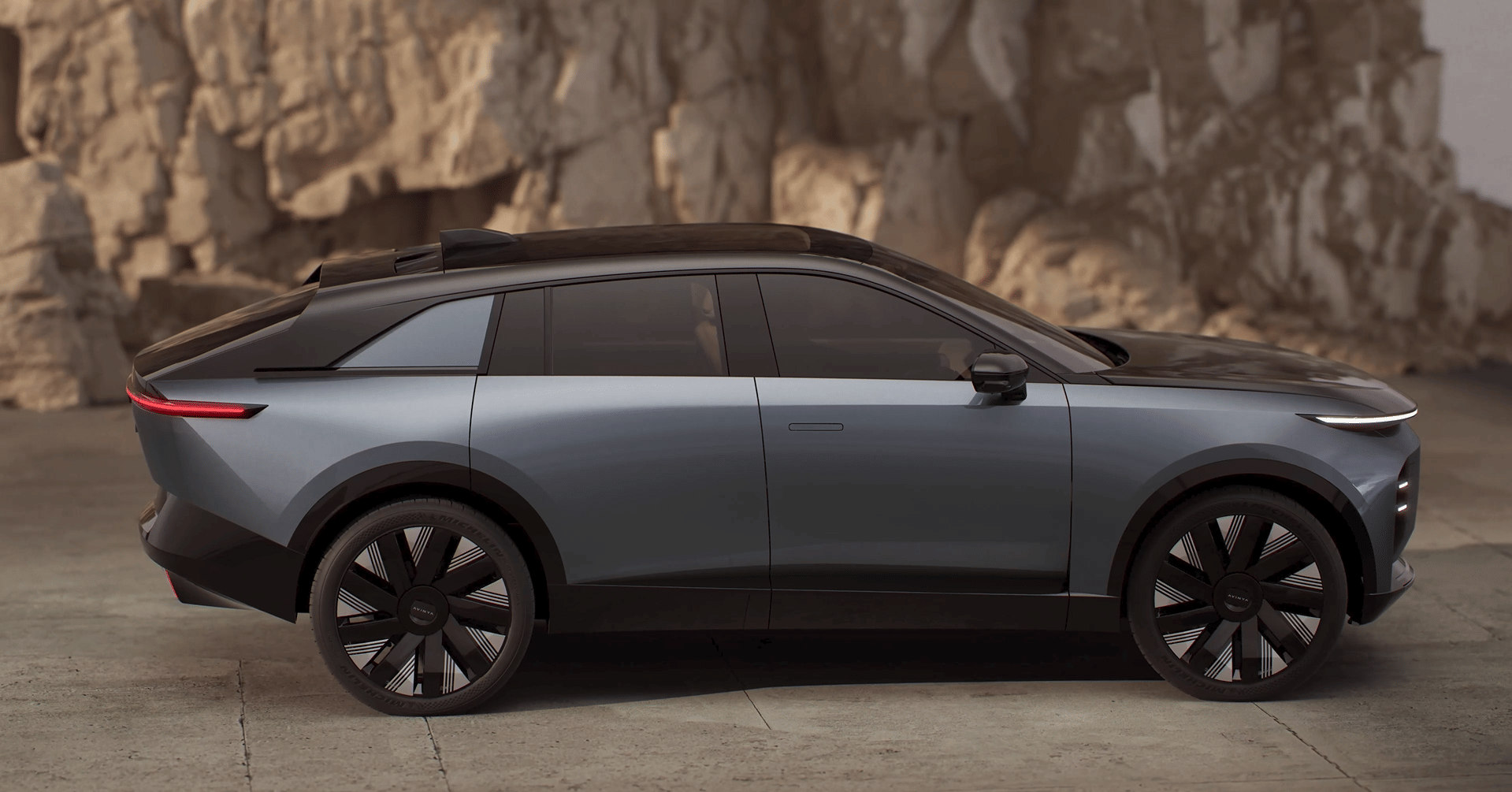
The decision comes as automakers across the globe increasingly tap into China’s electric vehicle ecosystem, which today leads the industry in batteries, software integration, supply-chain scale and development speed.
For Tata Motors, access to the CJLR platform provides a proven EV architecture while allowing the company to focus resources on localisation, software, connectivity and customer experience.
People familiar with the programme said the economics of adapting EMA for the intended positioning and volumes of Avinya had become difficult to justify.
Battery strategy is also evolving. Industry sources indicated that the first Avinya models are likely to feature battery packs in the 65-80 kWh range, balancing range, weight and affordability. While Tata Group’s battery venture Agratas remains central to the company's long-term plans, initial vehicles could rely on existing battery ecosystem partners before Agratas reaches scale. Industry executives said battery sourcing, pack integration and localisation strategies continue to be refined as the programme progresses.
Which features do you want in Avinya?
Greater collaboration between Tata Motors and JLR
The Avinya programme is also emerging as a visible outcome of closer collaboration between Tata Motors and JLR. Over the past two years, the two companies have expanded cooperation across engineering, sourcing, electrification and software development. Industry executives believe the recent movement of Balaje Rajan to a larger role in the UK, first reported by Autocar Professional, is part of a broader effort to improve alignment across future vehicle programmes and technology initiatives.
Beyond Avinya X, Tata Motors is evaluating a larger three-row premium electric SUV as part of the Avinya family. The vehicle is expected to follow the first model and help establish Avinya as a standalone premium EV brand rather than a single-product programme.
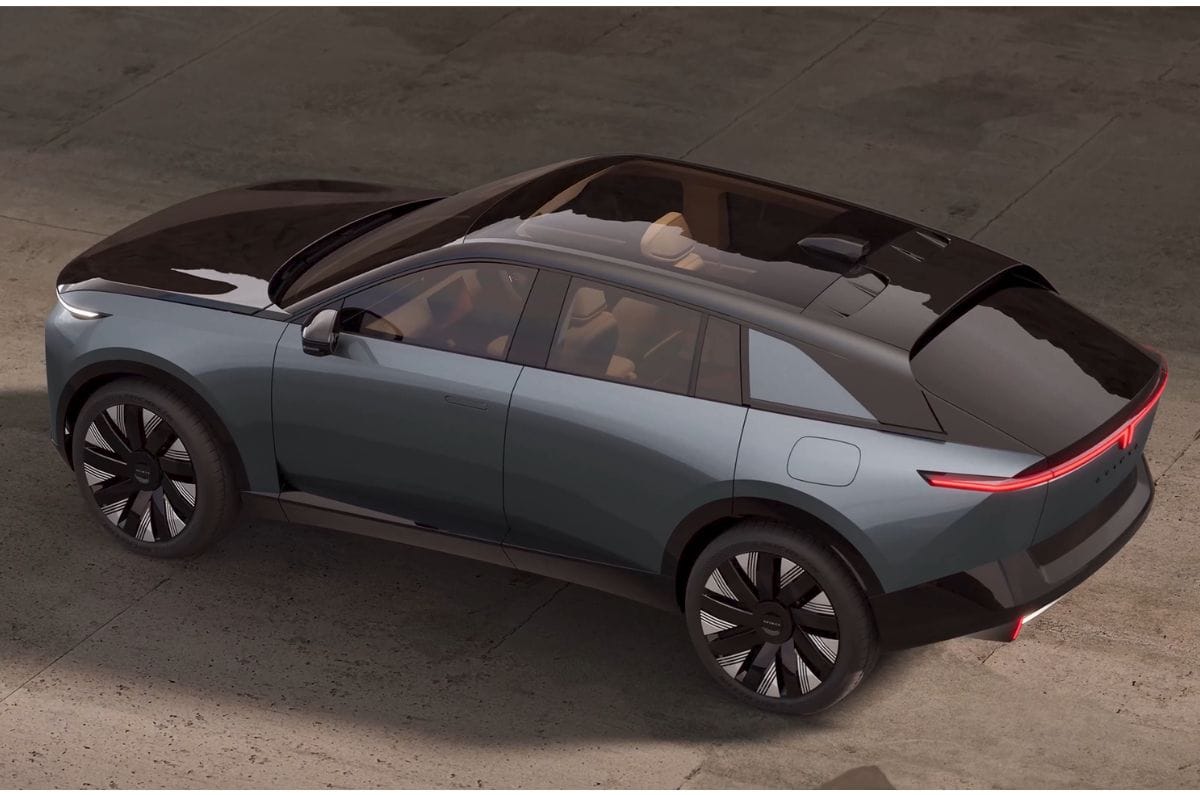
Manufacturing plans are also taking shape
Industry sources said the Chennai-Ranipet ecosystem is expected to play a key role in production. The assembly facility, already operational with a capacity of around 30,000 units a year, is likely to support initial manufacturing activities before localisation increases.
The facility could eventually assume greater significance. Sources indicated that JLR is also expected to leverage the broader architecture family for future global products, creating opportunities for shared sourcing, manufacturing and supplier investments between the two businesses.
Industry executives also pointed to another potential advantage. Chery is expected to supply architectures to multiple partners globally, including its proposed ventures in India. If products based on the same architecture family are eventually adopted by other manufacturers, including JSW Motors for future programmes, it could help create greater component commonality, improve supplier economics and accelerate localisation of key aggregates and systems in India.
Official statement from Tata Motors
We reached out to Tata Motors for an official statement. A Tata spokesperson said, “Avinya is being developed as a global premium brand for a next-generation EV portfolio to be built on multiple, scalable platforms and architectures while being anchored in Tata Motors’ design, engineering and integration capabilities. Our collaboration with JLR and its partners will be an important pillar of our global premium EV journey as we expand the Avinya portfolio across segments and geographies. This integrated approach draws on best-in-class Tata Motors PV Group ecosystem expertise and partnerships for delivering the desired proposition for the luxury EV segment at scale.
The first Avinya vehicle to be launched in India in 2027 will leverage the Freelander platform produced by CJLR and will be made at the recently opened, state-of-the-art TMPV-JLR manufacturing facility in Panapakkam, Tamil Nadu. It brings together holistic new-age advancements and robust engineering foundations to deliver a compelling luxury EV experience for Avinya.
Avinya’s design and development will harness the global strength of the Tata Motors PV Group ecosystem, with production in India reinforcing our commitment to building competitive domestic capabilities alongside globally benchmarked vehicles.”
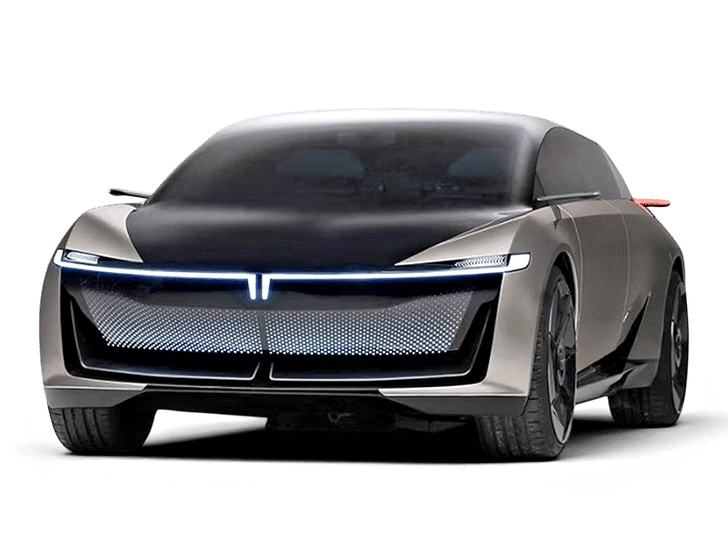
 Dipan Sur
 Dhruv Dhaka

 Viraaj Bhatnagar