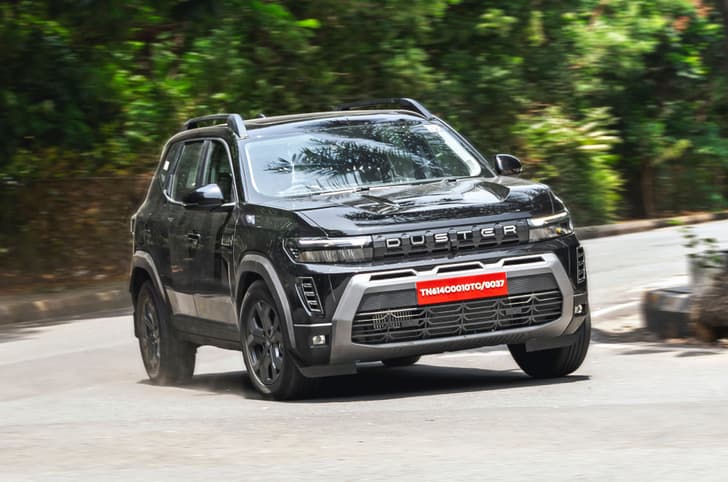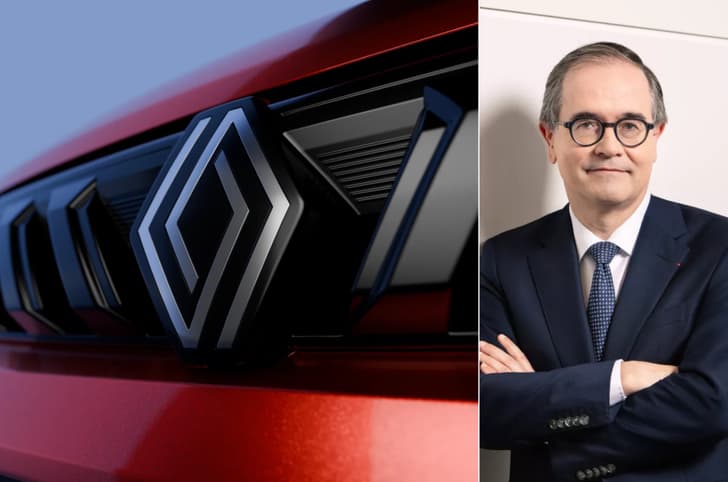
At a time when diesel still holds a significant share in India’s SUV-heavy passenger vehicle market, even as electrification gains momentum, the Renault Group is taking a clear position on its future powertrain strategy that does not include diesel. Outlining the company’s renewed vision for India, Renault Group CEO, François Provost said the company’s future portfolio will be built around new architectures, multiple body styles and a wide powertrain mix, but categorically ruled out a return to diesel.
“I think diesel is old technology. I don’t want to go backwards. I’m moving forward,” Provost told Autocar India, underlining a decisive shift in Renault’s powertrain strategy which aligns with a broader group-level direction of not investing in the development of a new-generation diesel engine. A call that effectively closes the chapter on the legendary 1.5 K9K diesel that powered the Duster to success in India, and the engines that followed.
- Nearly 90 percent of first-gen Duster sales were of diesel variants
- 40 percent of sales in midsize SUV segment still comes from diesel
- Renault keen on localising Duster’s hybrid powertrain in India instead
Diesel was core to Renault’s identity with previous-gen Duster
Provost’s comments come as Renault prepares an aggressive product-led push in India, with plans to introduce seven new models by 2030. The rollout will be underpinned by two new, deeply localised architectures capable of supporting multiple body styles across segments, from entry-level cars to C-segment SUVs.
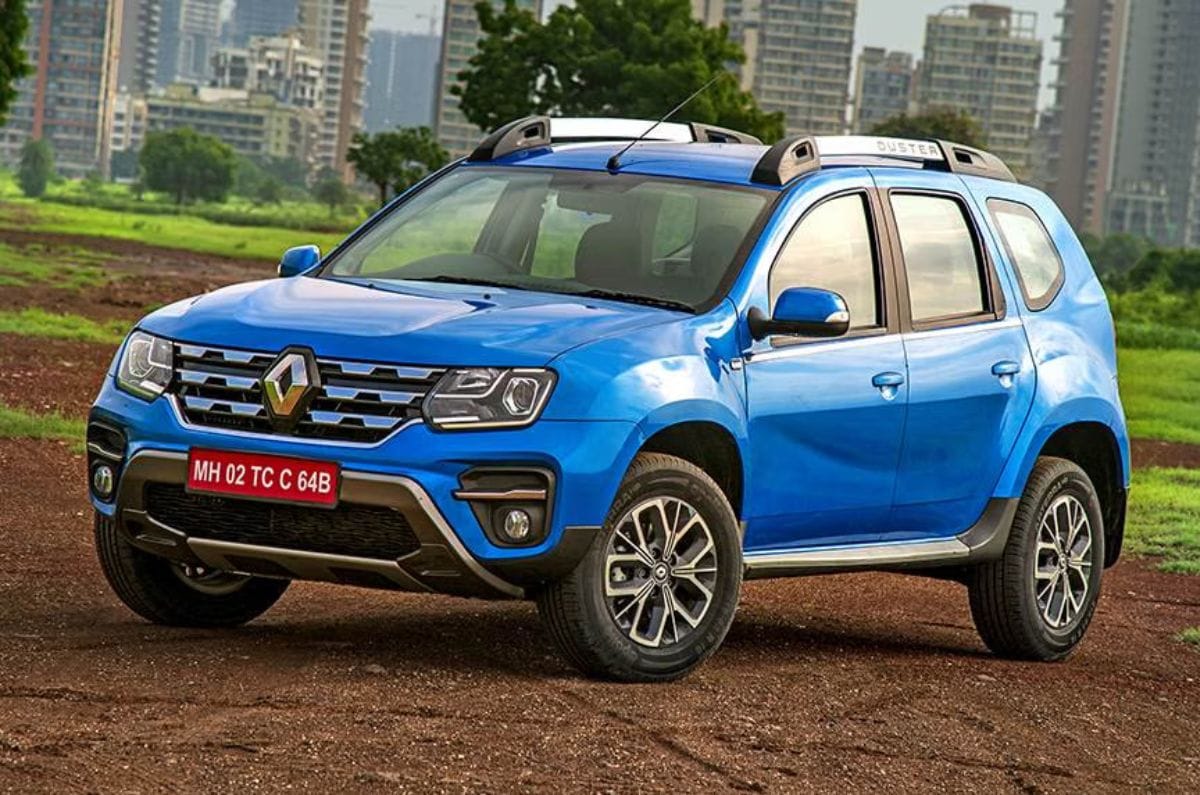
Renault’s decision to walk away from diesel marks a sharp pivot for a brand that once built its India playbook around the 1.5-litre K9K engine, which powered the Duster and several alliance models. The K9K was central to Renault’s rise in the SUV space, driving both volumes and brand recall. The first-generation Duster sold close to 200,000 units in India, with nearly 90 percent of those powered by diesel, underlining how deeply the brand’s success was tied to that fuel.
Duster sales were in decline in the latter half of its lifecycle, but they completely collapsed in 2020 when the K9K was phased out with the onset of BS6 norms. Despite a facelift, the Duster sold under 3,000 units in the last year of production.
Diesel’s current relevance in the midsize SUV space
No doubt, diesel demand has declined considerably, and at the end of FY-26, diesel accounted for 18.5 percent of the Indian passenger vehicle market. However, in the mid-size SUV segment where the Duster is competing, the share of diesel is around 40 percent, and as per Jato Dynamics data, the sale of diesel vehicles grew by 10 percent in the last financial year.
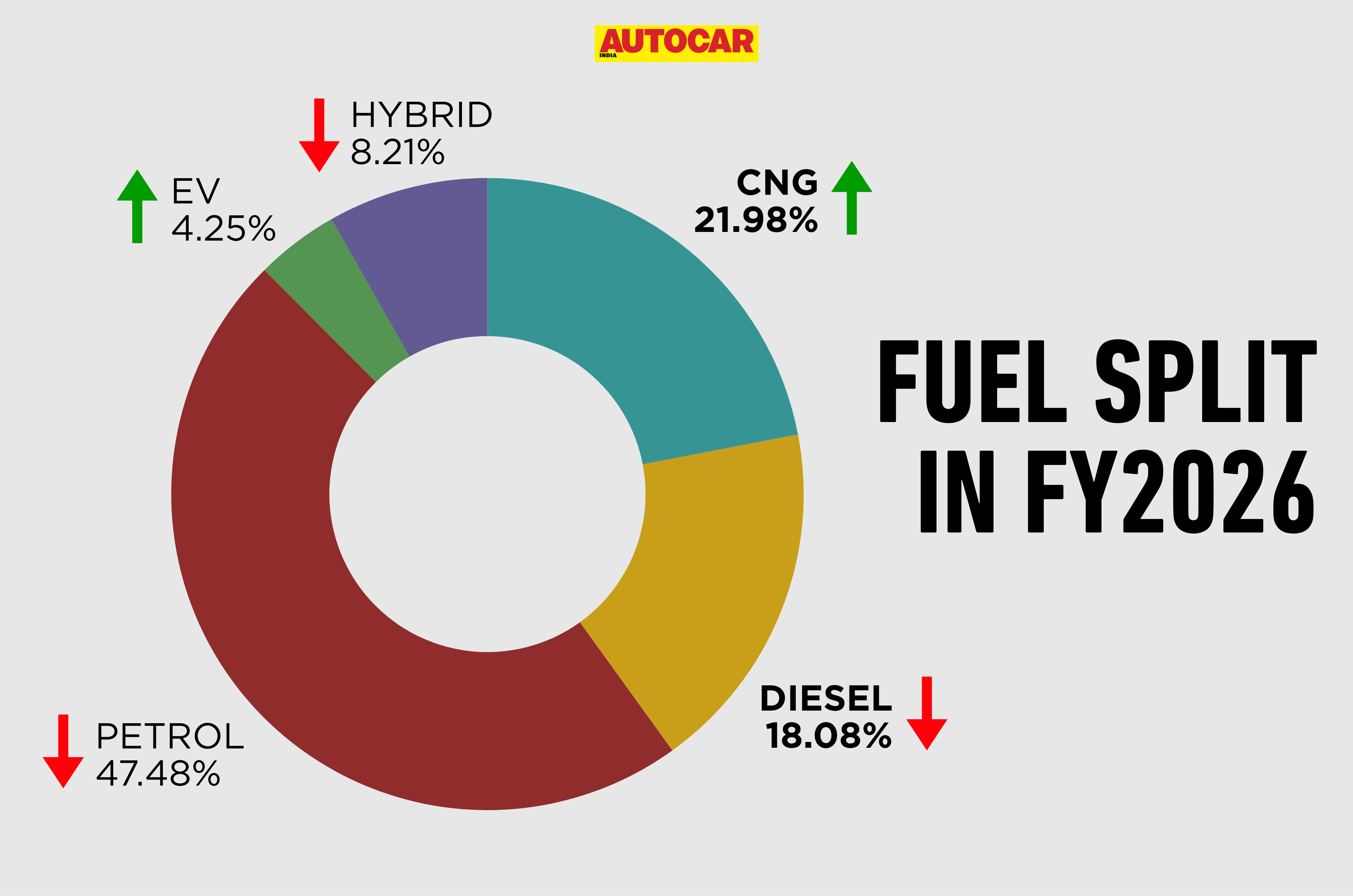
That is a huge chunk of the market to give up for Renault which is making a clear strategic choice, to focus on its strengths rather than chasing volumes.
Renault to focus on hybrids, CNG, EV and flex fuel
Provost indicated that Renault’s investments will prioritise technologies that offer stronger long-term value and scalability. “We are not among the top leaders who have to develop all technologies. I prefer to make choices where I see strong value for customers and where Renault can provide the best solution,” he said.
Renault is adopting a wide powertrain strategy, spanning petrol, CNG, full-hybrid and battery-electric options. The company is also ready to bring in flex-fuel alternatives as and when the fuel becomes available at the pumps.
Hybrids, in particular, are expected to play a central role in Renault’s India strategy. “We have the best full-hybrid in the world. I want to localise this in India and I’m sure our full-hybrid solution will be a game changer,” he added. Renault will be sourcing its engines from Horse Powertrain, a joint venture between Renault, Geely and Saudi Aramco, that specialises in next-generation hybrid and high-efficiency ICE technology.
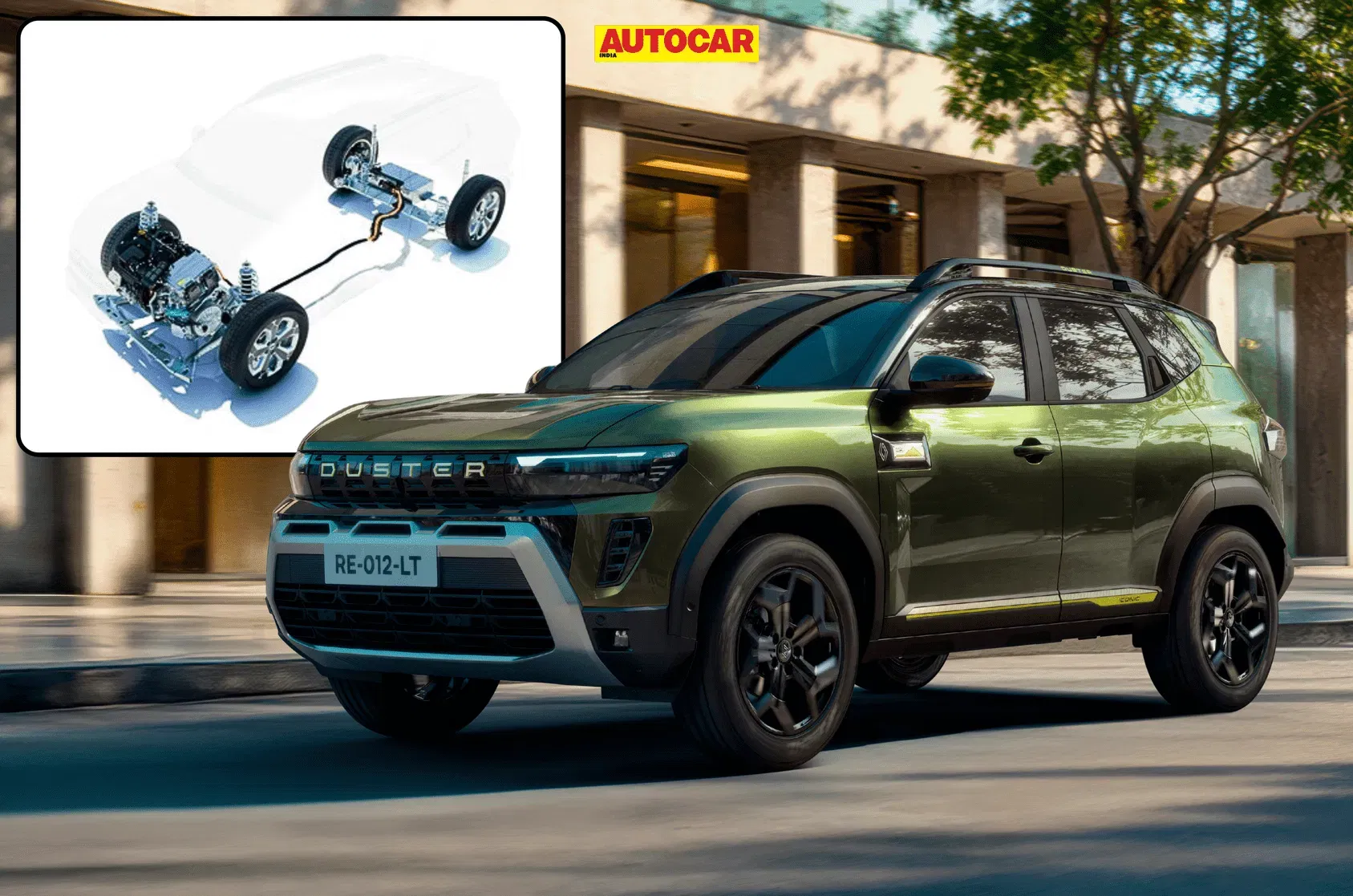
India is also central to Renault Group’s global growth ambitions, with the company expecting the market to be its third largest by 2030 with a target of 5 percent market share.
Alongside domestic expansion, Renault is targeting a significant increase in exports from India, leveraging its engineering and manufacturing base. For Renault, the message is clear: rather than straddling both legacy and future technologies, it is choosing to align its India portfolio with a forward-looking, multi-energy strategy that prioritises turbo-petrols, hybrids and electrification.
With inputs from Hormazd Sorabjee and Ketan Thakkar
 Dipan Sur
 Viraaj Bhatnagar