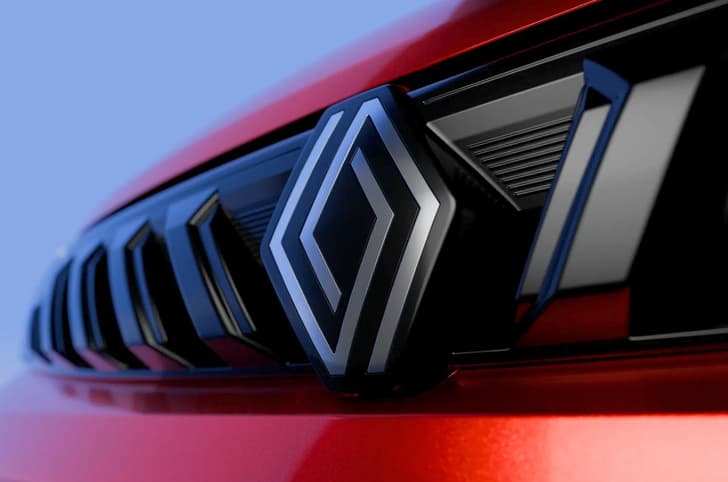
Close on the heels of announcing its FuturREady mid-term plan globally, Renault Group CEO, Francois Provost, has announced its most aggressive product launch plan in India with 7 new models and 2 new architectures spanning electric, hybrid, CNG and ICE powertrains. Calling India “one of the fastest-growing and most demanding markets globally,” Provost said the company is targeting a 5 percent market share in the country, underpinned by its largest-ever product renewal cycle.
- India to be developed as Renault's export base with up to 90 percent localisation levels
- Planned product launches and revised strategy expected to improve volumes and scale
Seven models, multiple powertrains
Renault's India plans align with its global “FutuREady” strategy for 2030
At the core of Renault’s India roadmap is a significant expansion of its product portfolio to seven models by 2030, spanning internal combustion engine (ICE), full hybrid, and fully electric vehicles.
The move signals a clear shift from Renault’s earlier narrow line-up to a broader, multi-powertrain strategy aimed at improving market relevance across segments. The company is also aligning its India strategy with its global “FutuREady” transformation plan for 2030, focusing on profitability, localisation, and technology-led differentiation.
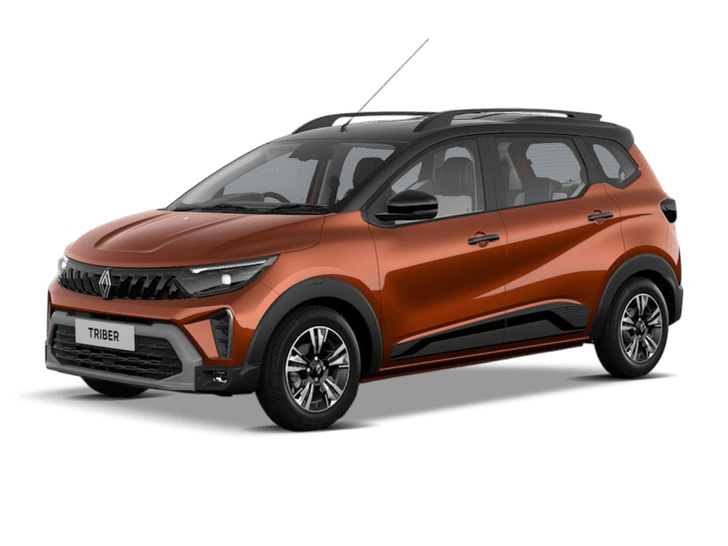
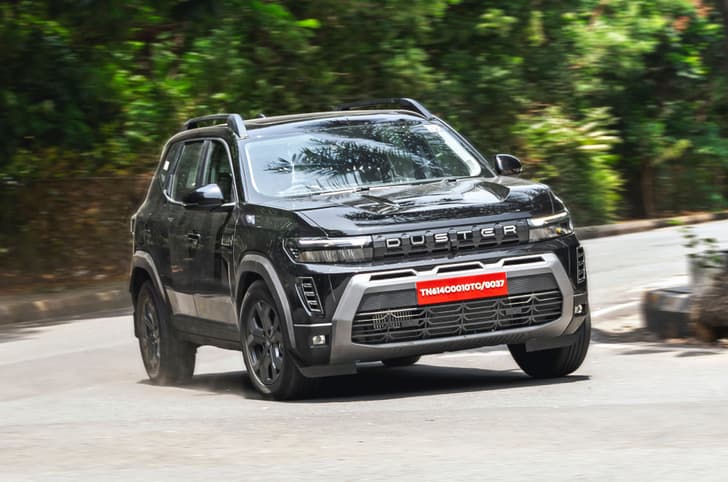
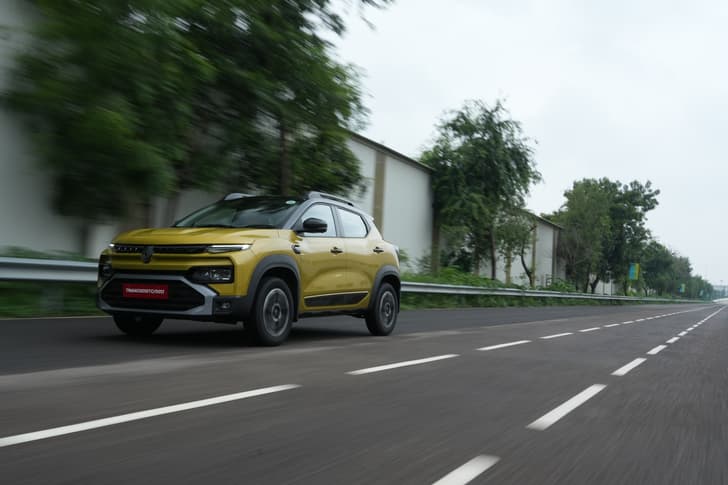
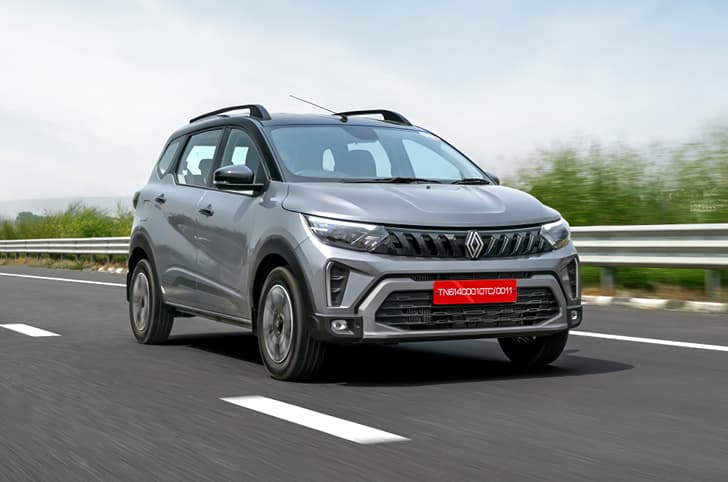
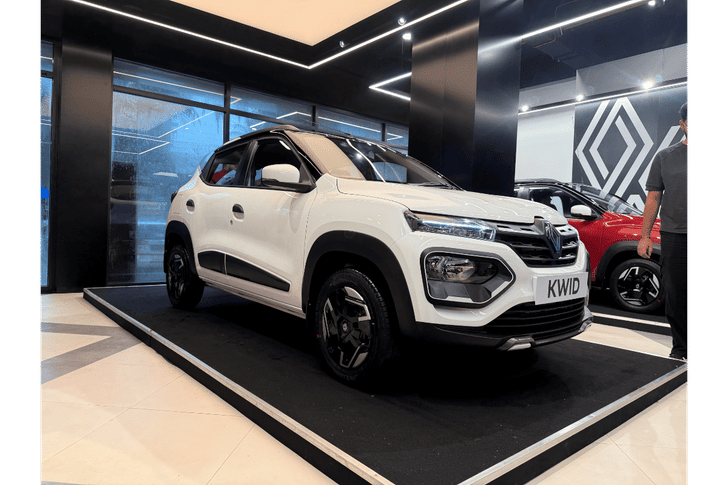
Currently, Renault offers four models in India: the Kwid, Kiger, Triber, and Duster. The other three products will be the three-row version of the Duster, sold as the Bigster internationally, as well as the Bridger compact SUV in both EV and ICE iterations.
At the same time, India is being developed as a strategic export base, with Renault aiming to leverage local manufacturing and engineering capabilities for global programmes.
Platforms and localisation to drive scale
Two new platforms and comprehensive localisation to drive Renault's India plan
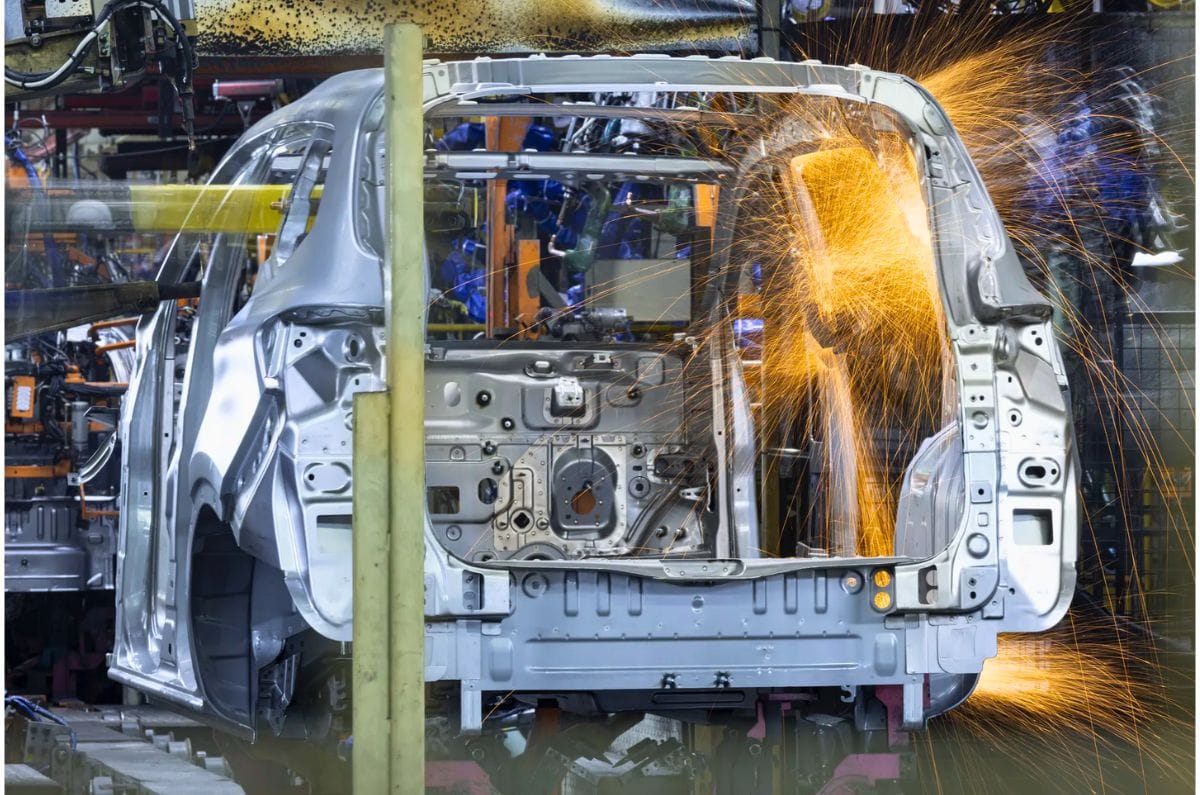
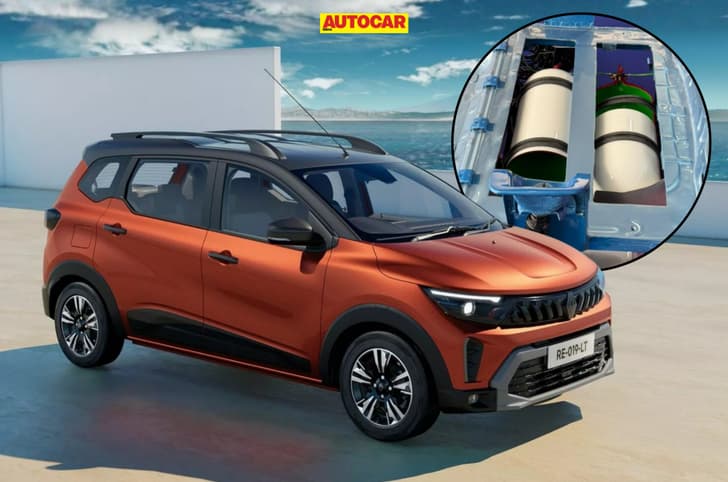
A key enabler of Renault’s India push will be the deployment of two new platforms. The manufacturer has re-engineered and rebranded the CMF-A platform, which underpinned the Kiger, Triber and Kwid, to the new RGEP platform to allow for more powertrain options, including CNG, and better in-cabin tech. Meanwhile, the Duster’s RGMP platform will form the basis for the Bridger and the upcoming 7-seater SUV and also allow for hybrid and electric powertrains.
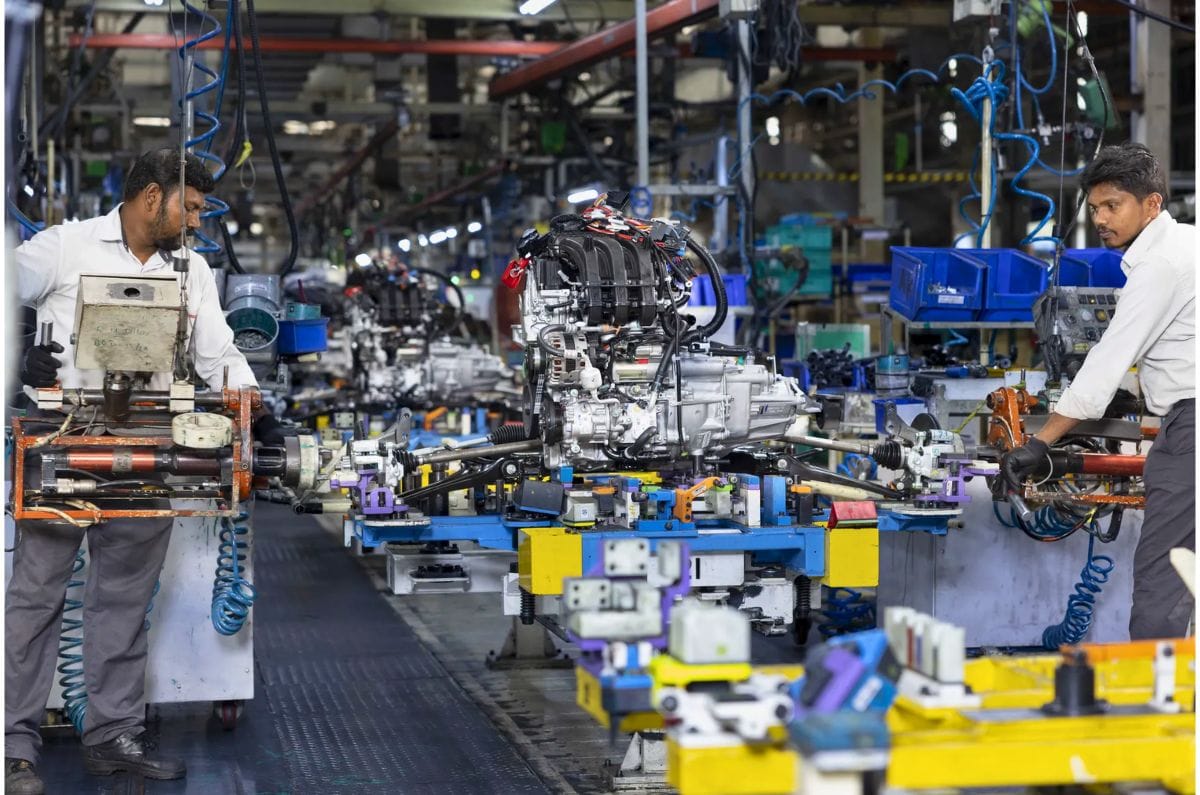
The company is targeting deep localisation levels of up to 90 percent, a move aimed at improving cost competitiveness, while insulating operations from global supply chain volatility.
Engineering backbone in Chennai
Plans to leverage the Chennai plant for both domestic and international programmes
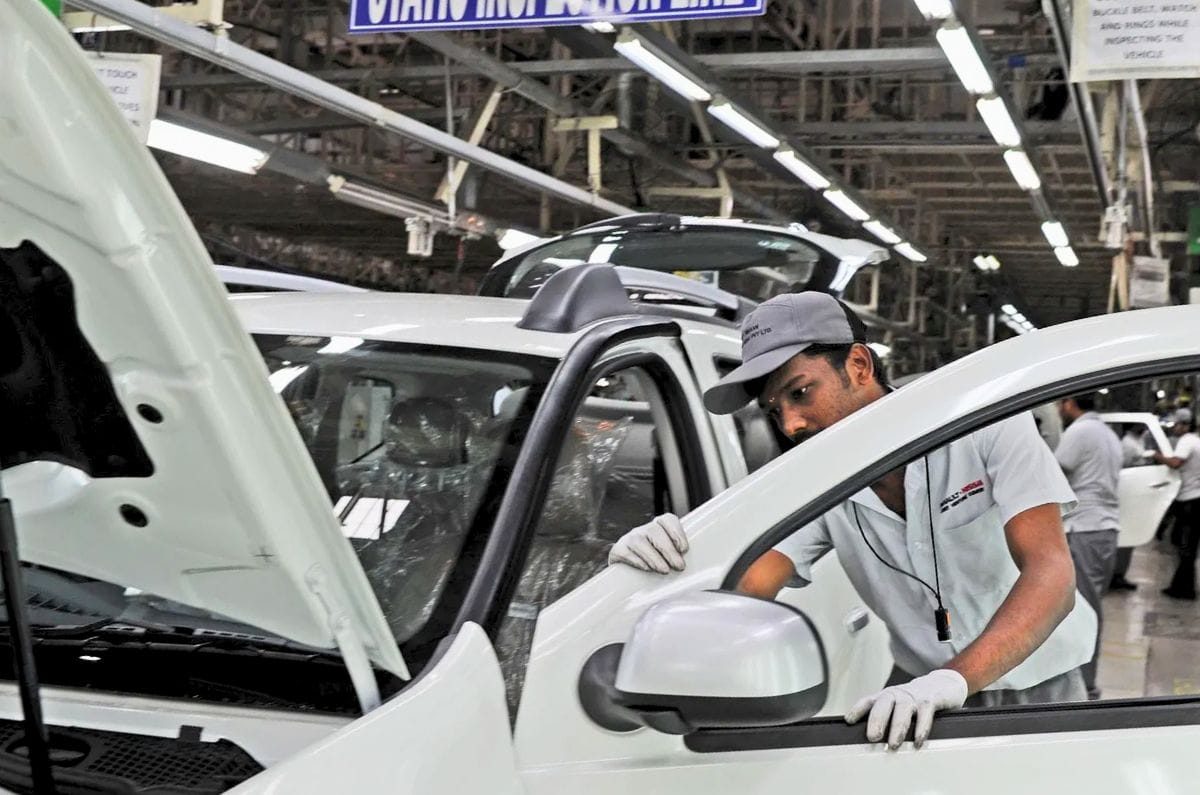
Renault also underlined India’s growing importance as an engineering and innovation hub. With over 6,000 engineers based out of its Chennai operations, the country already serves as one of the group’s largest global R&D centres. This capability will be further leveraged to develop new technologies and support both domestic and international programmes.
Renault’s renewed India strategy comes at a time when the company is seeking to rebuild scale after a prolonged period of limited product activity. The planned product offensive, coupled with localisation and platform-led efficiencies, is expected to play a central role in improving volumes and market share.
‘India for India’ meets ‘India for the world’
The autonomy to make decisions has been strengthened in India, says the CEO
Renault’s approach hinges on a dual strategy. The “India for India” pillar focuses on empowering the local leadership team to respond faster to market needs, while “India for the world” positions the country as a global hub for cost competitiveness and exports.
Provost emphasised that decision-making autonomy has been strengthened within the India team, led by Stephane Deblaise, the Indian CEO, to better match the pace and complexity of the domestic market.
With inputs from Prerna Lidhoo, Mugdha Mishra and Arushi Bhatia
 Dipan Sur
 Dhruv Dhaka

 Viraaj Bhatnagar