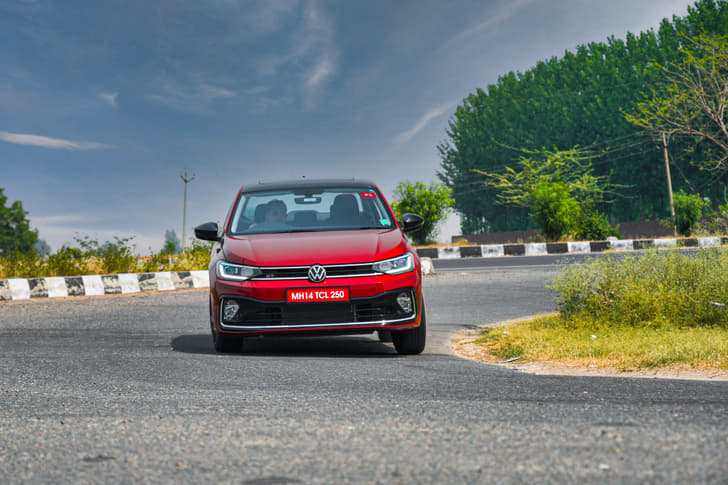




Volkswagen is preparing to launch the Virtus facelift in India and recently revealed the sedan's exterior design in full. While the updated model gets noticeable styling revisions, changes to the interior, features and mechanicals are yet to be revealed. These are expected to be along the lines of those introduced on its SUV sibling, the Taigun facelift. So, if you're planning to buy a midsize sedan, should you wait for the updated Virtus, pick up the outgoing model or consider one of its rivals? Let us find out.
Who should wait for the Volkswagen Virtus facelift?
More features and an expected gearbox upgrade could make it a better all-rounder


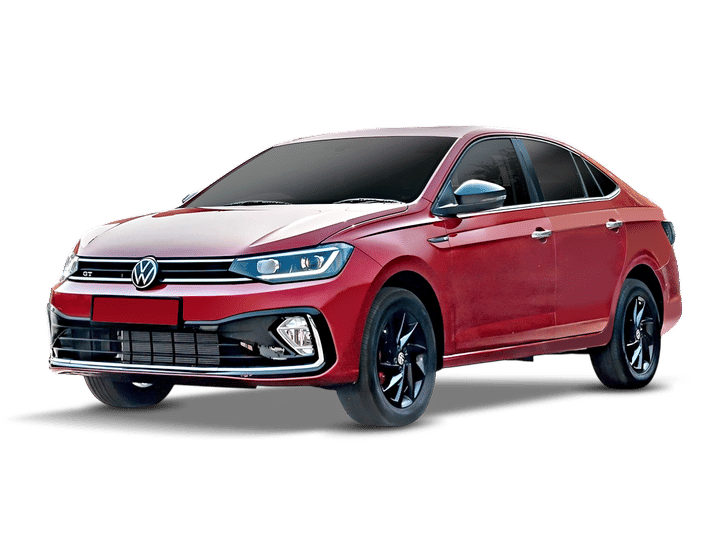
The Volkswagen Virtus facelift brings a fresher front-end design, with a redesigned bumper, revised cube-shaped LED fog lamps and new alloy wheels. While the changes to the exterior are relatively subtle, the addition of a 360-degree camera and front parking sensors is more meaningful. These should make the sedan easier to manoeuvre and park in tight spaces, particularly given its 4.5-metre length.

On the inside, the Virtus facelift is expected to retain the existing dashboard layout and seat upholstery, much like the Taigun facelift. The expected 10.25-inch digital driver's display and revised infotainment interface should make the cabin feel more modern, although these aren't necessarily reasons to wait. A more useful upgrade could be the new AC compressor, which is expected to improve cabin cooling, particularly on the 1.0-litre TSI variants. This addresses one of the shortcomings of the outgoing model and could make a difference during India's hot summers.

The more important update, however, could be the new 8-speed torque converter automatic gearbox, which is expected to replace the existing 6-speed unit on the 1-litre turbo-petrol engine. Having driven this gearbox in the Taigun, Slavia and Kushaq, we found it to be smoother off a standstill and more fuel-efficient than the older unit. The existing gearbox can sometimes feel overly eager when moving away from a standstill, particularly in bumper-to-bumper traffic. The new unit should make the Virtus easier to live with in the city.
These updates could push prices slightly higher than the outgoing Virtus, which is currently priced between Rs 10.71 lakh and Rs 19.20 lakh (ex-showroom). While the facelift is expected to address some of the existing model's shortcomings, whether these improvements justify the likely price premium is something buyers should consider before making a decision.
Who should go for the older (pre-facelift) Virtus?
Substantial discounts make the outgoing model a tempting proposition


While the outgoing Volkswagen Virtus misses out on some of the expected facelift updates, it makes up for this with substantial discounts currently on offer. Volkswagen is offering benefits of up to Rs 1.66 lakh on the 1.0-litre TSI variants and up to Rs 1.35 lakh on the 1.5-litre versions. This makes the outgoing sedan a considerably more attractive proposition. For buyers who aren't particularly concerned about having the latest design or additional convenience features, the outgoing Virtus could be the smarter purchase. The savings could also make it possible to move up to a higher variant within the same budget
What community is saying on the Virtus facelift?
Who should go for the rivals?
Skoda Slavia


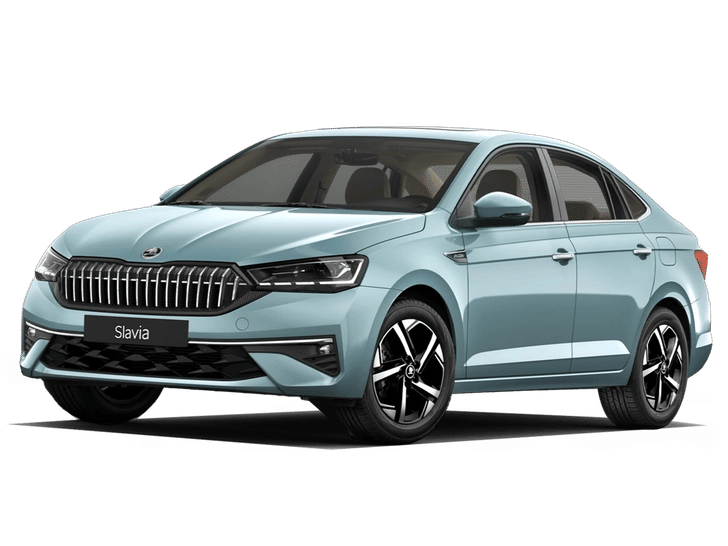
The Skoda Slavia is the closest alternative to the Volkswagen Virtus, as both sedans share the same platform and powertrains, and offer similar driving experiences. The differences largely come down to styling, cabin design and brand preference. If you like the Virtus but prefer the Slavia's design, it is worth considering.
Hyundai Verna


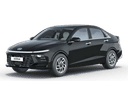
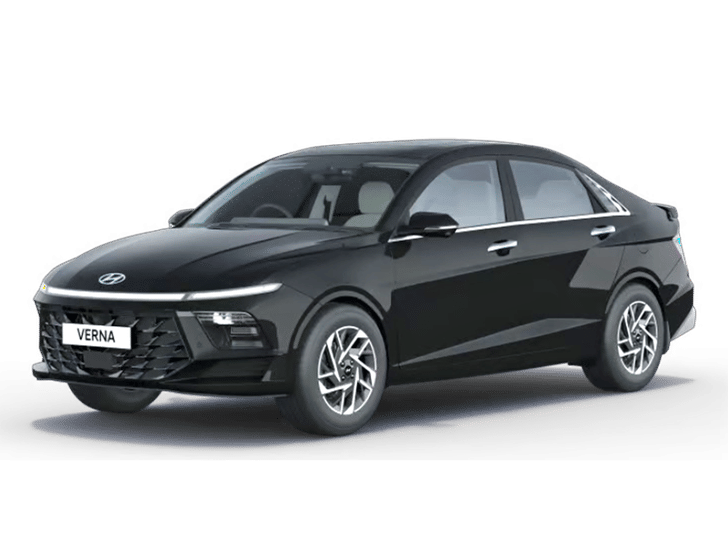
The Hyundai Verna makes a stronger case for buyers who prioritise features and technology over driving dynamics. It gets a more extensive equipment package, including an advanced driver assistance system (ADAS), and offers a more feature-rich cabin. It is also available with naturally aspirated and turbo-petrol engine options, giving buyers flexibility of choice.
Honda City


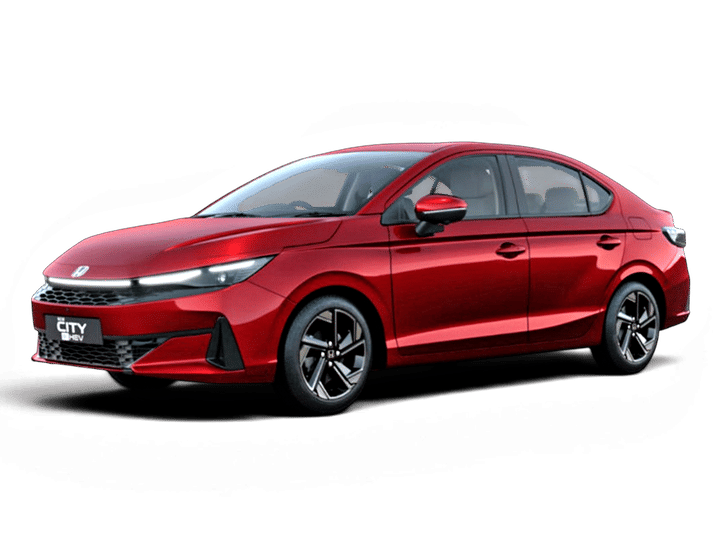
The Honda City continues to appeal to buyers who prioritise rear-seat comfort, cabin space and a refined driving experience. Its naturally aspirated petrol engine is well suited to relaxed everyday driving, while the City Hybrid offers significantly better fuel efficiency, particularly in urban conditions. However, the hybrid commands a substantial premium over the regular petrol version and, in fact, is the most expensive variant in the segment.
The outgoing Volkswagen Virtus makes the most sense for buyers looking to bring home a well-equipped midsize sedan without stretching their budget. The substantial discounts, coupled with the fact that it is more readily available than the upcoming facelift, make it a particularly attractive proposition.

 Uday Singh
 Suraj Viswanathan