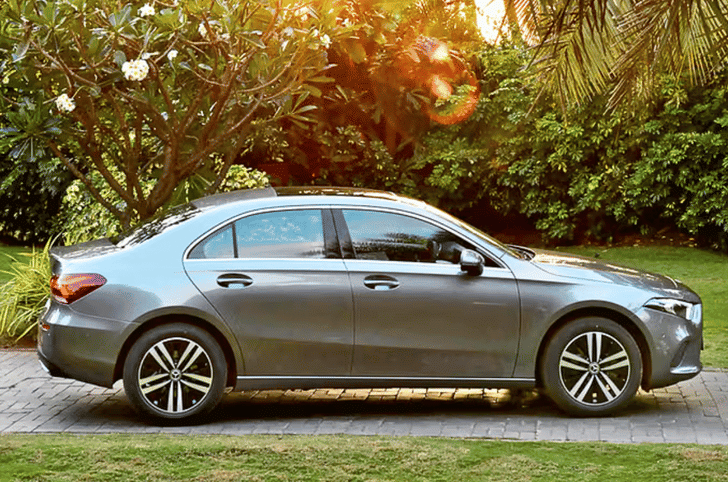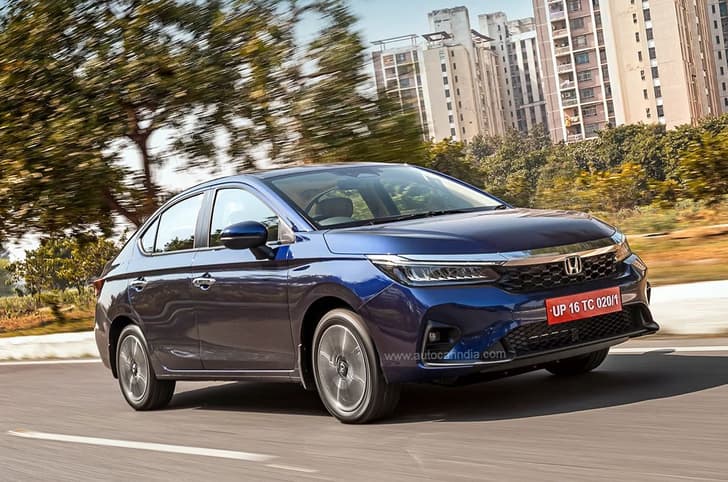
The Honda City is one of the few choices left if you are looking for a sedan in the mass-market segment. First launched in 1998, the City has been a mainstay of Honda’s India line-up and is one of the longest surviving nameplates in our market. Now in its fifth-generation, the City competes with the Hyundai Verna, Skoda Slavia and Volkswagen Virtus. Should you be looking to buy a new Honda City in 2025? We explain three positives and two negatives you should know before buying a new Honda City. First, the positives.
Space and comfort
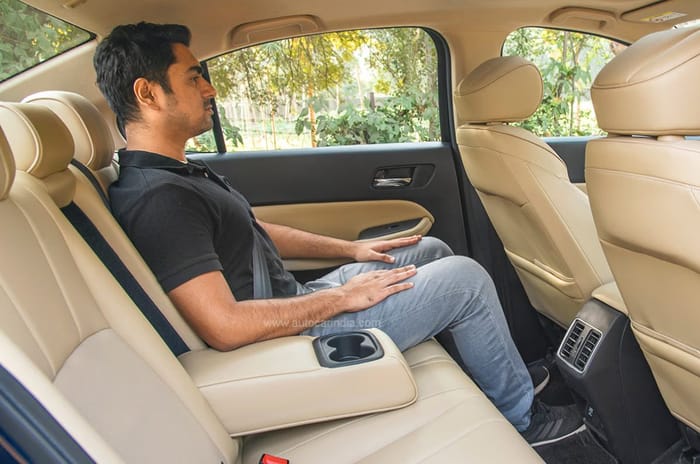
Honda's interiors are always spacious and comfortable, and it's no different in the City. In fact, it’s one of its biggest strengths. The front seats are broad, well-sculpted and very comfortable, offering good all-round bolstering. Meanwhile, the rear bench is wide, has a deep seat base and is positioned at the right height. It will keep you comfortable for hours on the road, although headroom for taller passengers may be slightly limited. Light beige upholstery, soft-touch materials and tasteful trim (wood or carbon-fibre-like, depending on variant) also create an upmarket feel.
Strong and well-rounded performance
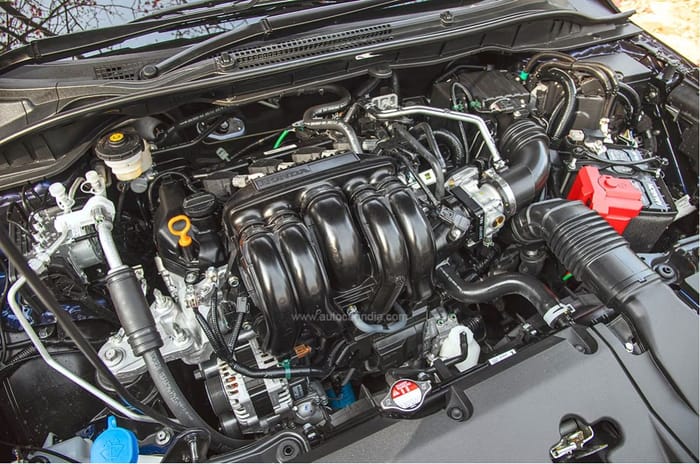
The City’s 1.5-litre naturally aspirated petrol is quiet and responsive at low speeds, revs eagerly and sounds great near its 7,000rpm redline. It’s not punchy like a turbo-petrol unit, but it’s strong and tractable and works well at both ends of the rev range with a linear power delivery. The CVT is smooth and efficient, while the 6-speed manual offers light, precise shifts. If you opt for the hybrid e:HEV variant, the 1.5 Atkinson-cycle petrol engine is paired to two electric motors. It’s responsive, seamlessly transitions between petrol and EV modes and offers outstanding efficiency. Refinement, however, isn’t best in class, with noticeable engine and road noise.
Ride and handling
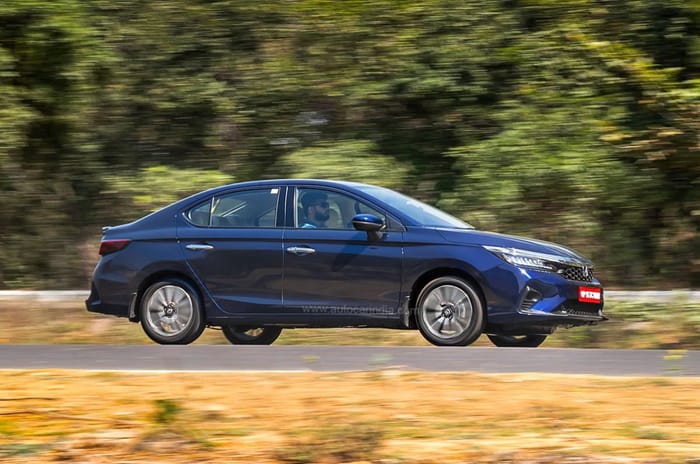
The City absorbs whatever the road throws at it and soaks up potholes and ruts without crashing through them. The ride is quite mature in feel, much like what you’d expect from European sedans. It’s also flat and composed at highway speeds. The steering is well-weighted too, and thanks to its predictable nature, there’s a degree of fun you can have while hustling this car around. But, if you push too hard, the soft suspension will give way to a fair bit of body roll, which is more pronounced in the front.
Now, let's take a look at the not-so-good bits of the Honda City.
Missing features
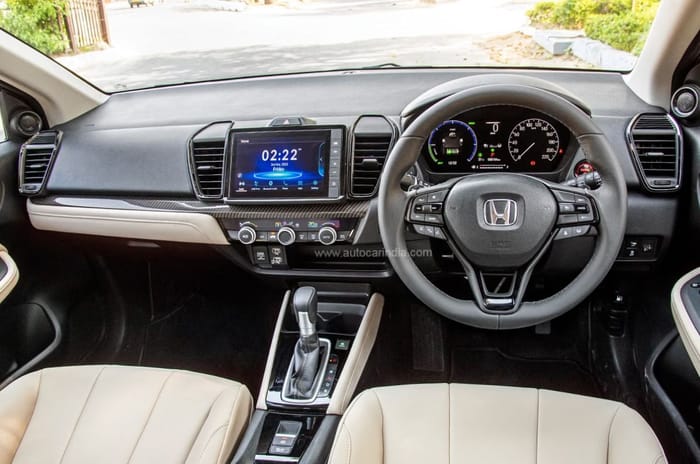
The Honda City is sufficiently well equipped, but there are some niceties that it misses out on compared to its rivals. For example, all of the City’s rivals come with a powered driver’s seat and ventilated front seats, but the City offers neither. Rivals also get full-digital instrument clusters while the City makes do with semi-digital unit. Other advantages that rivals have include larger touchscreens with better UX/UI, more connectivity and more elaborate ambient lighting packages.
Hybrid variant is pricey
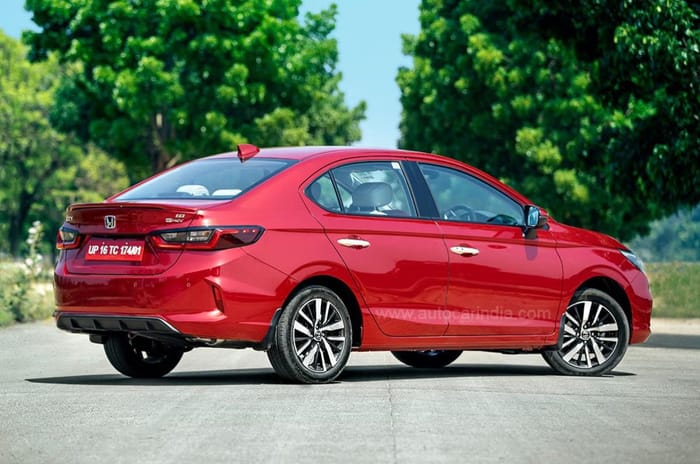
The City hybrid is only available in a fully loaded ZX trim that's priced at Rs 19.90 lakh (ex-showroom). Yes, the City has the distinction for being the only sedan in the segment to come with a petrol-hybrid powertrain, but it is certainly expensive, especially when you see it in light of hybrid midsize SUVs like the Maruti Grand Vitara and Toyota Hyryder. Top-spec variants of both SUVs are priced just a shade over Rs 20 lakh, but come in a more desirable SUV body style and also offer a lot more features and practicality. Regular petrol variants of the City, however, are very reasonably priced and at par with the segment.

 Uday Singh
 Glenn Noronha
 Dipan Sur