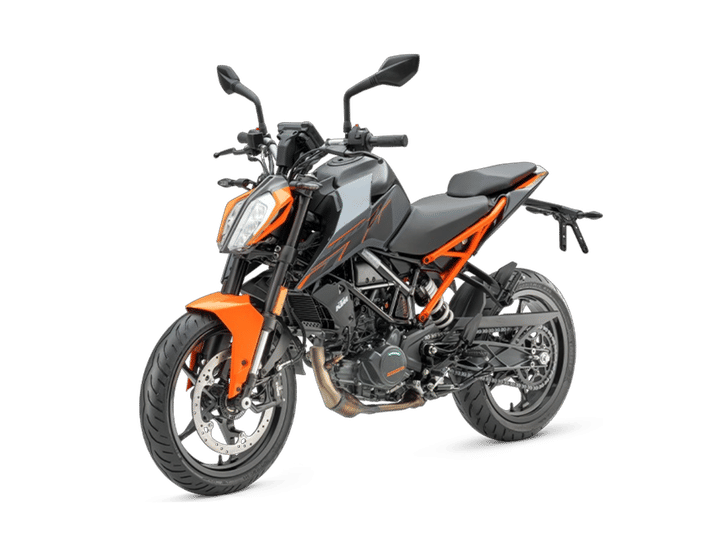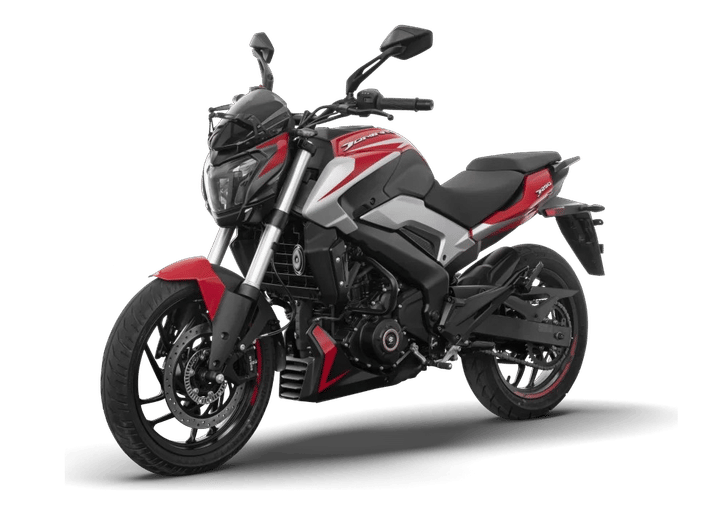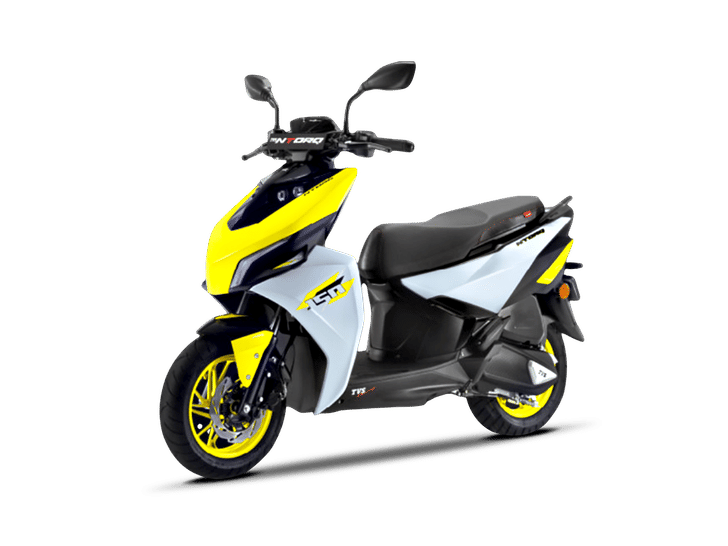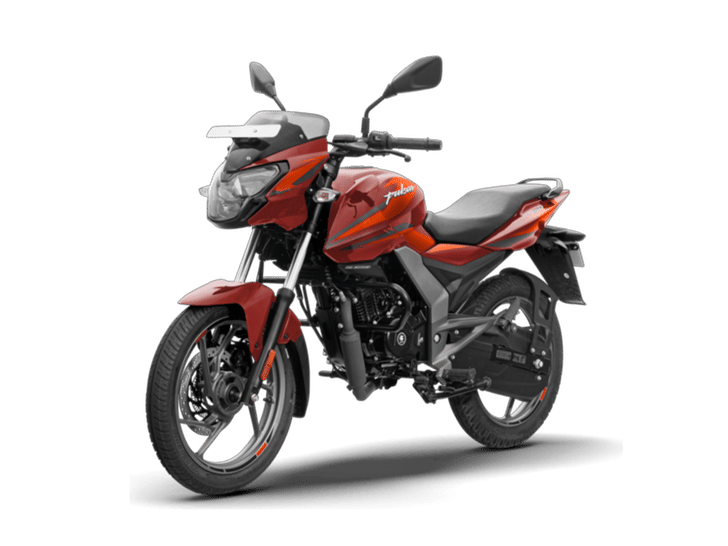

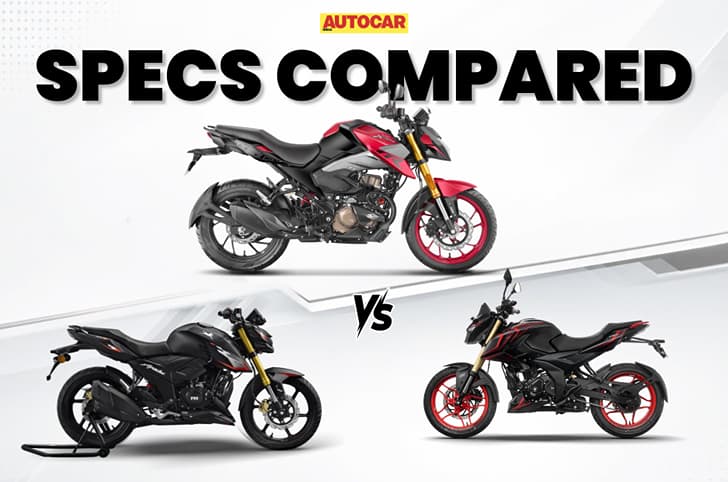
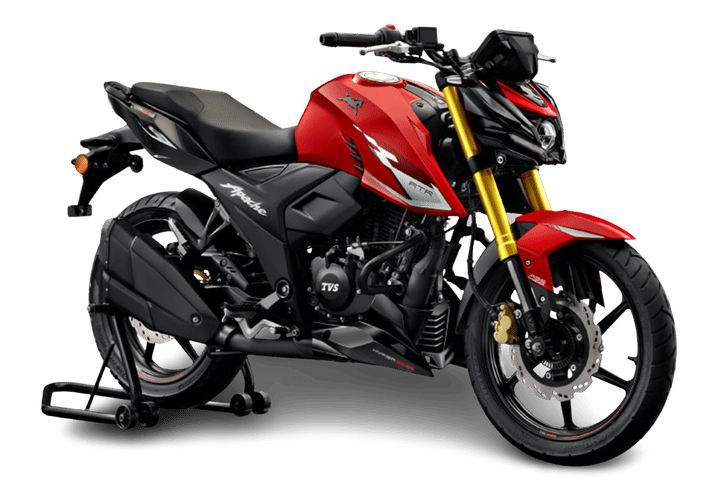
The 160cc segment was kickstarted and subsequently dominated by the TVS Apache RTR 160 and now, the RTR 160 4V is the manufacturer’s best-selling Apache, with the RTR 160 (2V) following in its footsteps. Bajaj has been attacking this duo with a trident of motorcycles, the N160, classic 150, and the NS160. In this fight, Hero’s offering the Xtreme 160R has taken a backseat all this while, but Hero’s looking to get in the front with the newly updated version of its street-naked motorcycle. Does it, really? Let’s see.
Hero Xtreme 160R 4V Carbon vs Rivals: Engine and output
Bajaj has the biggest engine with the most power
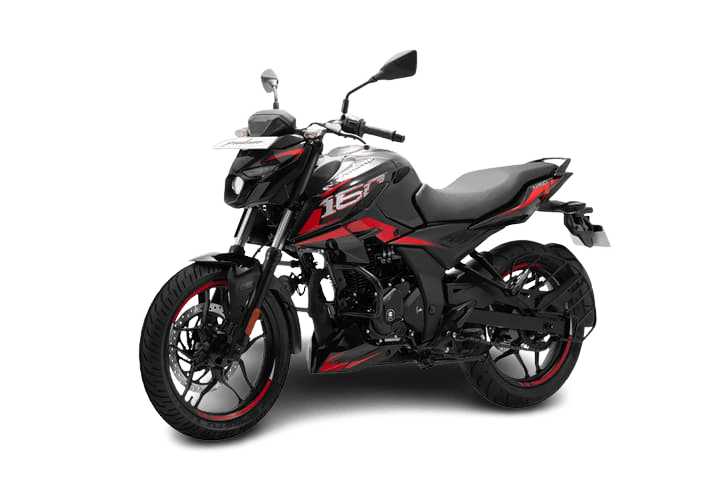
Hero left the 163.2cc engine almost completely untouched, only raising the peak power output by a meagre 0.2hp compared to earlier. Bajaj’s upgrade to the N160 was more comprehensive than Hero and TVS, even though the other two motorcycles are chronologically newer. Said update has thus helped the N160 SS maintain the highest horsepower of the trio, though it comes in third with respect to torque.
However, the torque race is a very close one and thus unlikely to matter in real-world conditions. The noteworthy jump in power also helps Bajaj maintain a higher power-to-weight ratio, despite being the heaviest of the three motorcycles.
Hero Xtreme 160R 4V Carbon vs rivals: Dimensions and weight
Pulsar is the heaviest, but makes up for it
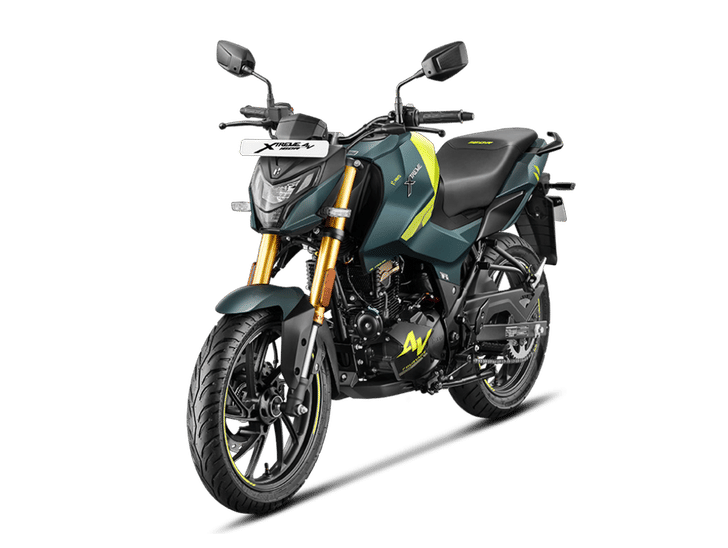
None of these motorcycles received a generational change to the platform so the numbers largely remain the same as earlier. Starting off with the Xtreme 160R 4V, Hero has given it some additional features which has made it 1.5kg heavier than the previous Combat Edition and the seat height is a negligible 5mm taller too.
TVS added exactly two new features to the Apache so it remains exactly where it was before and is the motorcycle with the lowest seat height, while having the most amount of ground clearance. The Pulsar N160 is the heaviest of the lot, but also has two additional litres of fuel tank capacity, which is a factor in the additional weight. In this class, that translates to – at the very least – 80km of real-world range so that’s not a small advantage to the Bajaj.
Hero Xtreme 160R 4V Carbon vs Rivals: Tyres, brakes and suspension
Hero has a smaller rear brake and TVS has a narrower front tyre
Things continue to even out in this section but Bajaj makes a statement with the largest front disc rotor, which is actually from a class above. All three offer dual-channel ABS as standard on the top variants, and all have a lower variant with right-side-up (RSU) telescopic fork and single-channel ABS. Hero is the only manufacturer to offer a KYB, who is a suspension specialist, built fork but also has given the Xtreme 160R the smallest rear disc. TVS technically does have the smallest tyre of the three, but it’s not alarmingly small to imply handling issues.
Hero Xtreme 160R 4V Carbon vs Rivals: Features
Hero’s redemption attempt
This is the area Hero has caught up the most to the other two, after design. Though the Combat Edition added quite a bit to make the Xtreme 160R last year, the fight now feels even across the board, which is a great thing for you and me as consumers.
On the top Carbon variant, you get a 4.2-inch TFT display that goes toe-to-toe with the other two on this list. Xtreme 160R is the only motorcycle in this segment to give you cruise control and TVS, despite technically being the oldest platform of the lot, gives a tough fight to the other two. In terms of outright feature-set, the Bajaj still offers a higher number of features, such as an additional ride mode, document storage on the display and the likes, but TVS and Hero fight valiantly. The Hero still misses out on features such as, a slip-and-assist clutch, a dedicated mode to make low speed riding easier (Crawl mode on Bajaj, GTT on TVS) and Google Maps mirroring. So, if you’re looking for the most feature-loaded Hero, take a gander at the Xtreme 250R, which also got updated with quite a bit of features and is sitting in the segment above.
Hero Xtreme 160R 4V Carbon vs Rivals: Price
Carefully treading the affordable-line
Hero is currently the most expensive of the three, especially if you’re looking to get the base variant; beyond that, digging further into the price difference will be splitting hairs, so look at the other sections to see if they help you make a choice. That being said, the 160cc segment in India is one of, if not, the most competitive one so whichever one you choose, you’re unlikely to make a truly bad one. See which motorcycle catches your eye the fastest and pulls your heart strings the hardest after the test ride, and you’ll probably know what you’re bringing home.
If you’re determined to live in the xtreme, er, extreme, Hero is currently taking bookings for the all-new Xtreme 160R 4V, whereas the other two motorcycles are already available in their respective showrooms. Unlike its bigger brother, the 160R 4V will be available in all Hero showrooms across the country – which is quite a large network. Deliveries for it are expected to begin in November.
 Autocar India Team
 Vishal Venugopal