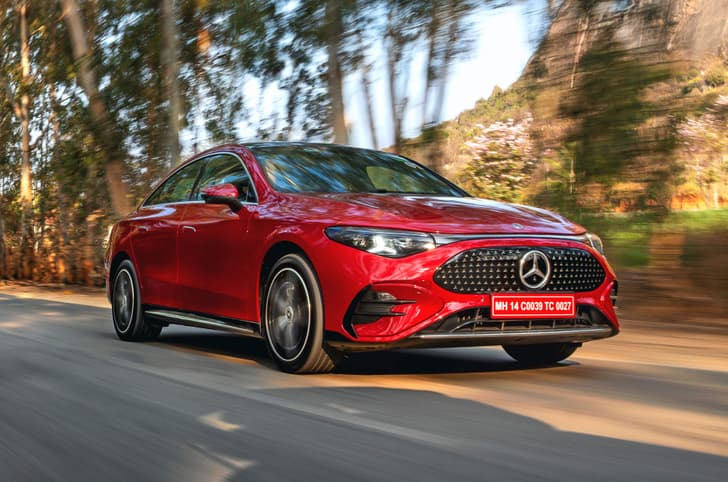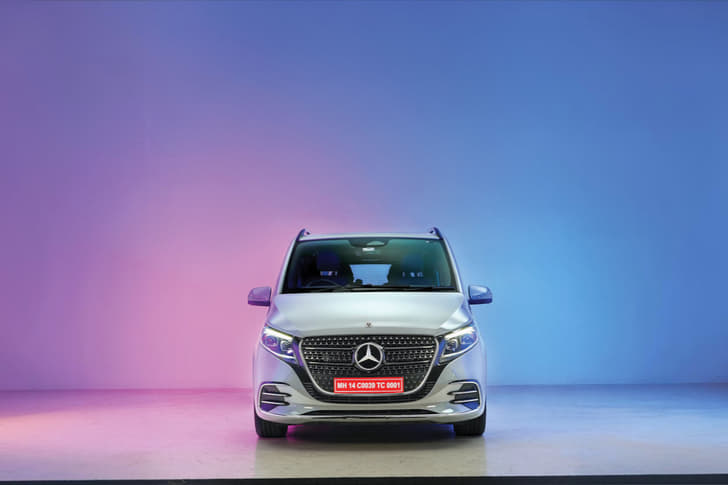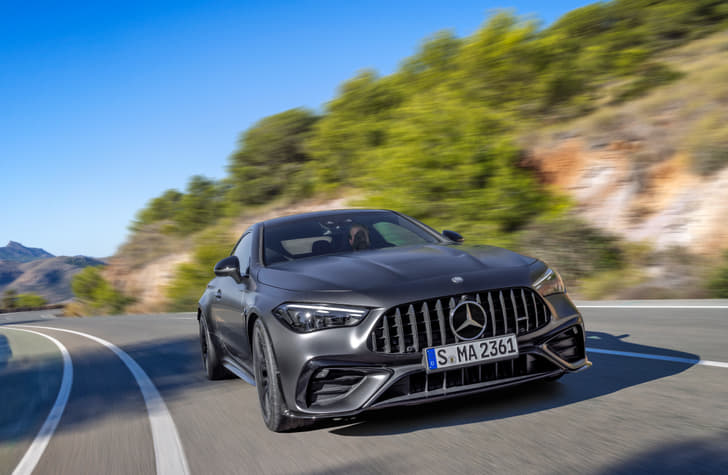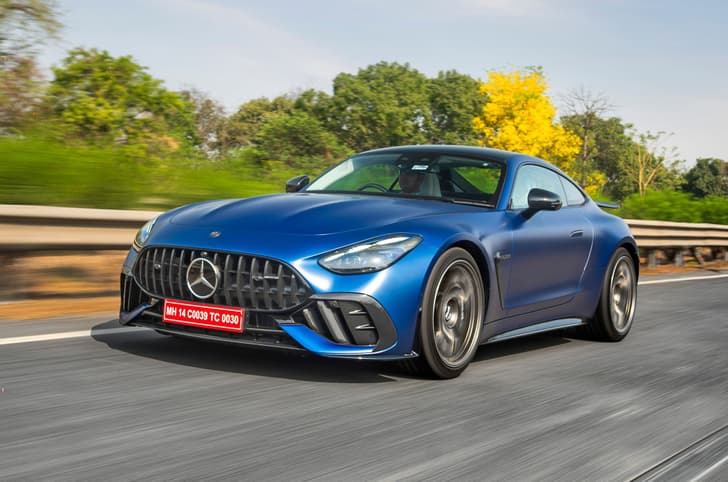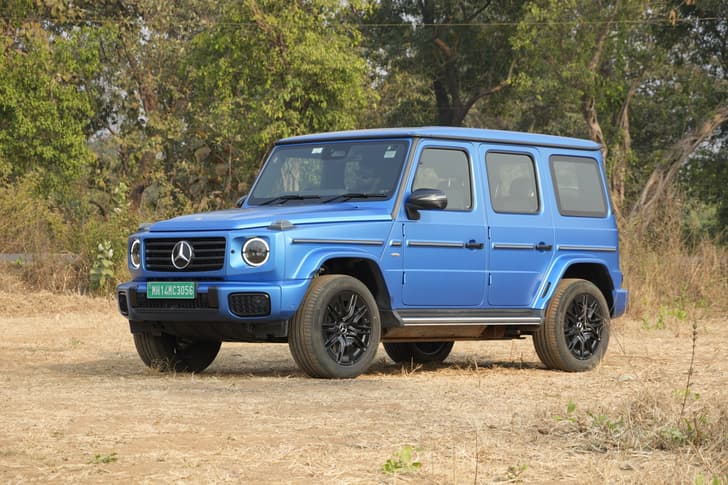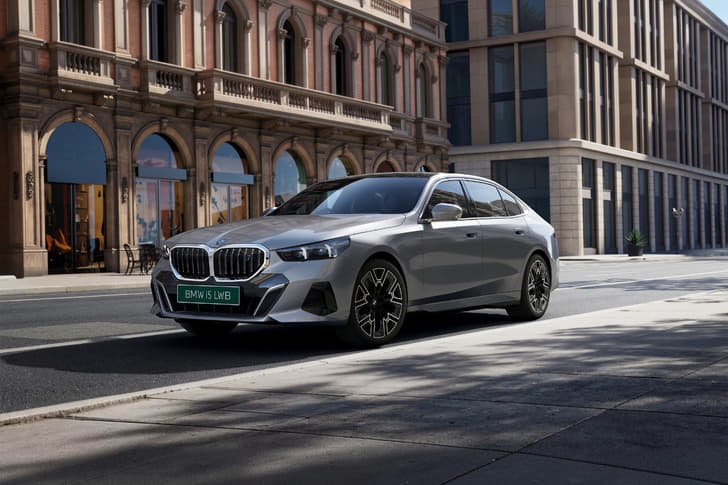

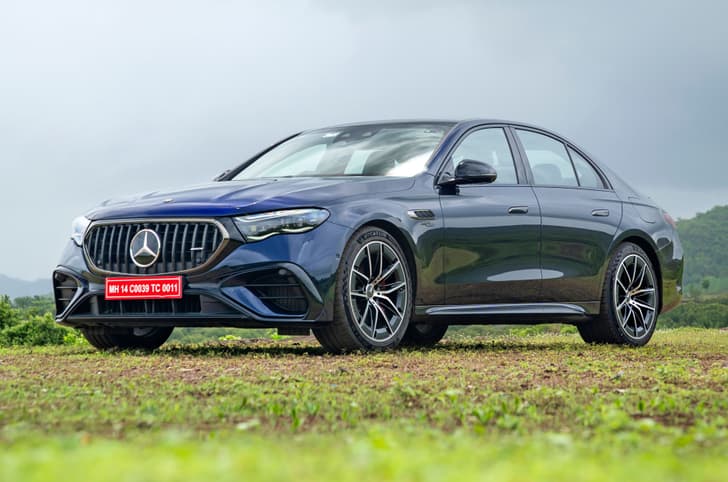
Mercedes-Benz has bolstered the E-Class range in India with the performance-focused AMG E 53 plug-in hybrid, which is priced at Rs 1.45 crore (ex-showroom). Unlike the regular India-spec E-Class, which is an LWB (long-wheelbase) model, the AMG E 53 PHEV is a shorter SWB (standard-wheelbase) version. It’s also the only AMG version of the current-gen E-Class on sale worldwide. If you’re interested in bringing home the AMG E 53 PHEV, we’ve listed the performance sedan’s most prominent strengths and weaknesses below.
Pros
Exciting powertrain
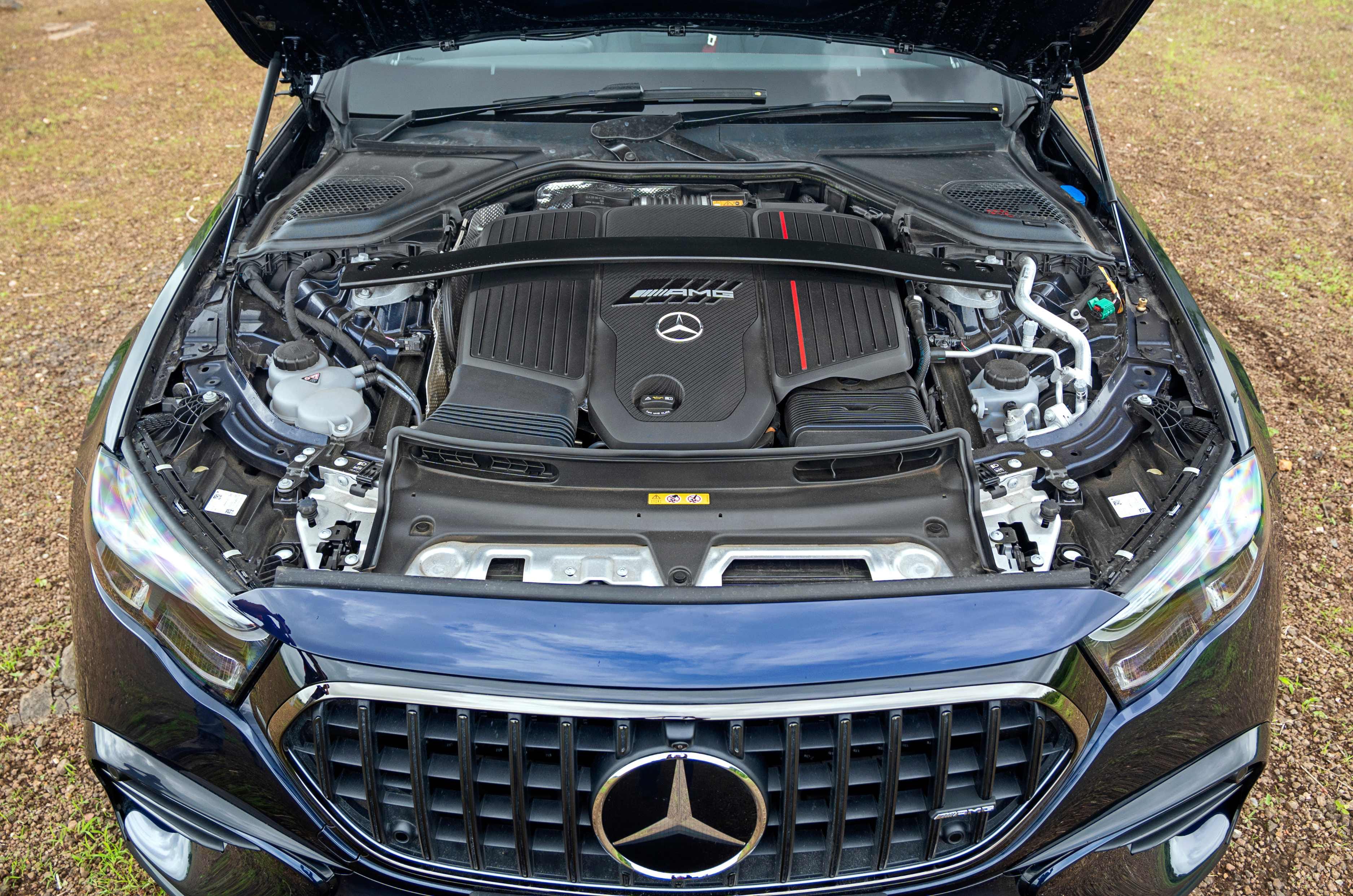
The E 53 comes with a plug-in hybrid setup that marries a 449hp 3.0-litre turbo-petrol straight-six, a 28.6kWh battery pack and an electric motor housed within the 9-speed automatic gearbox. The combined output is 585hp and 750Nm (612hp when using launch control), which is routed to all four wheels via Mercedes’s 4Matic+ AWD system.
As we noted in our Mercedes-AMG E 53 PHEV review, it’s a blast to drive in its most aggressive Sport+ drive mode. Both the engine and electric motor operate at maximum capacity, providing rapid but smooth acceleration and strong power delivery. The gearbox also feels well-suited to the powertrain, with quick shifts and an ‘M’ mode that gives you full control and doesn’t intervene even if you hit the redline. That said, the gearbox can feel clunky and too eager at crawling city speeds, as it tends to constantly shuffle through the lower gears.
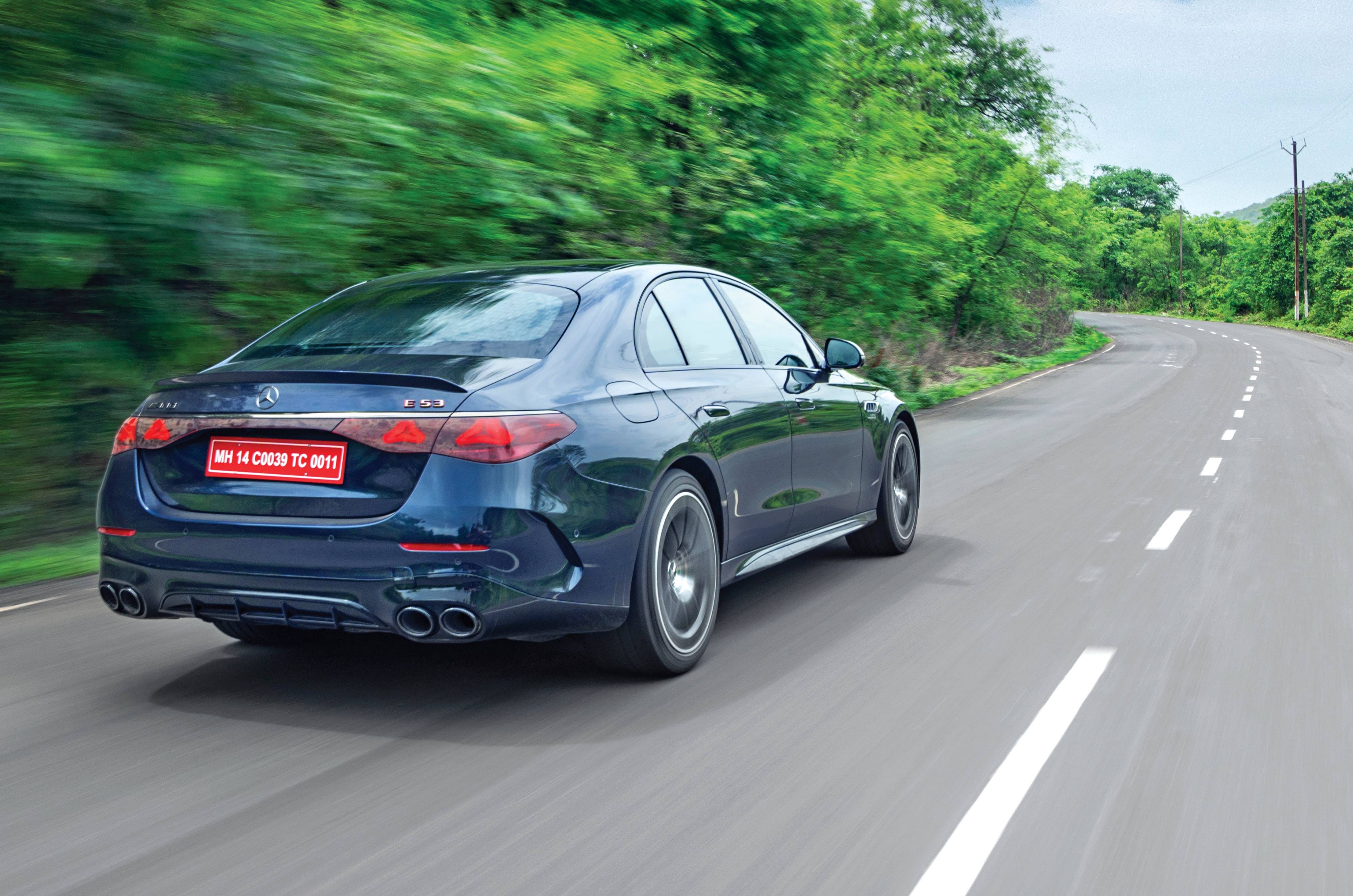
For the E 53, Mercedes-AMG claims a 0-100kph time of 4 seconds with launch control and an electronically limited top speed of 250kph, which rises to 280kph with the optional AMG Driver’s Package.
Usable electric range
Thanks to its 28.6kWh battery, the E 53 claims a 100km all-electric range, which, in the real world, will likely hover in the 75-90km ballpark. This is more than enough to complete daily urban commutes without burning a drop of petrol, making the E 53 surprisingly affordable to run, at least in the city.
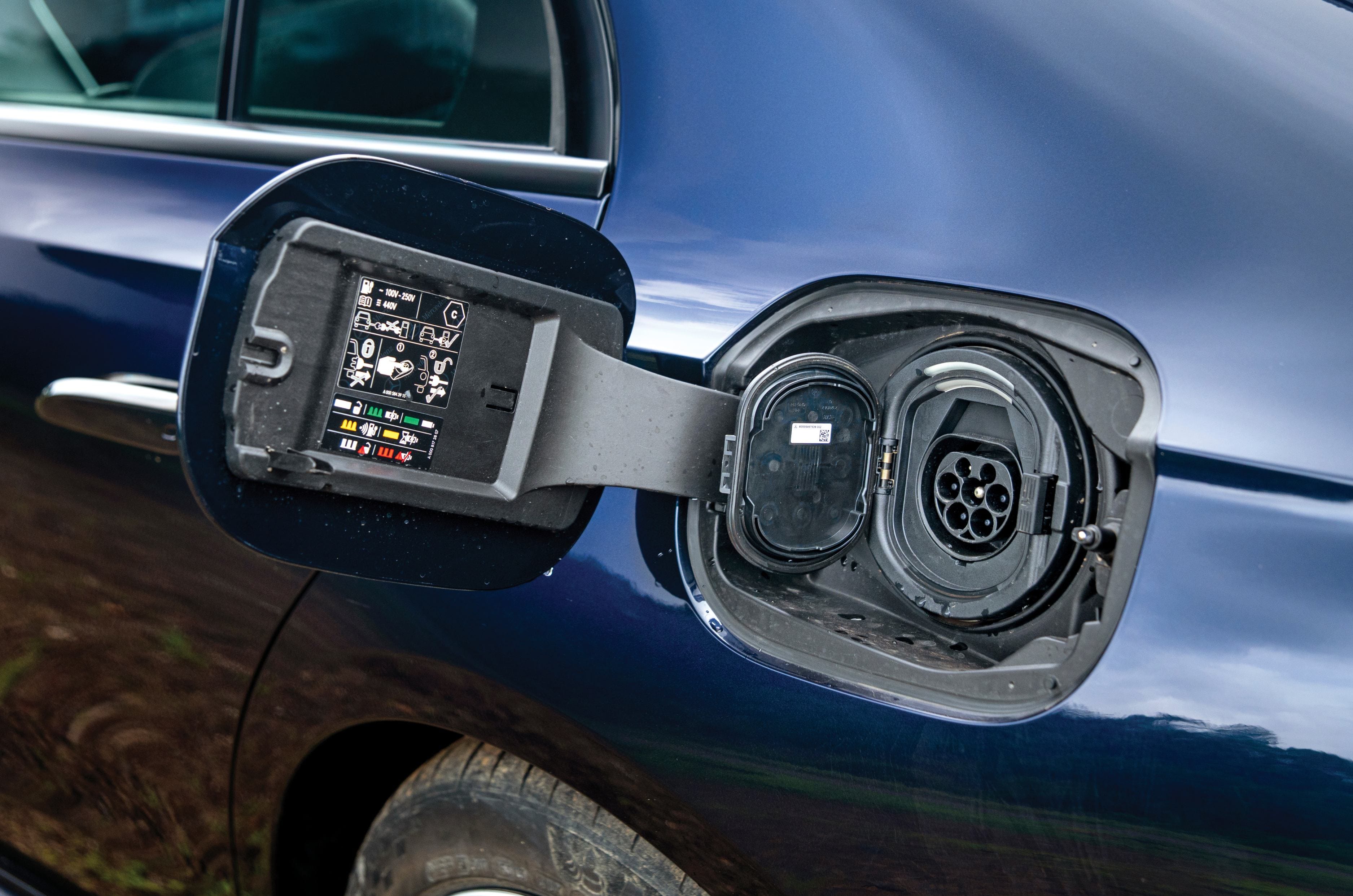
Once the battery begins to deplete, the straight-6 engine fires up and drives the wheels, but even then, the hybrid system pitches in via constant regenerative braking and electric assistance, ensuring the E 53 feels responsive while delivering better fuel efficiency than an equivalent pure-petrol performance sedan. As for charging, an 11kW AC wallbox takes 2.25 hours for a 0-100 percent charge, while a 60kW DC fast charger takes 20 minutes for a 10-80 percent top-up.
Fantastic handling
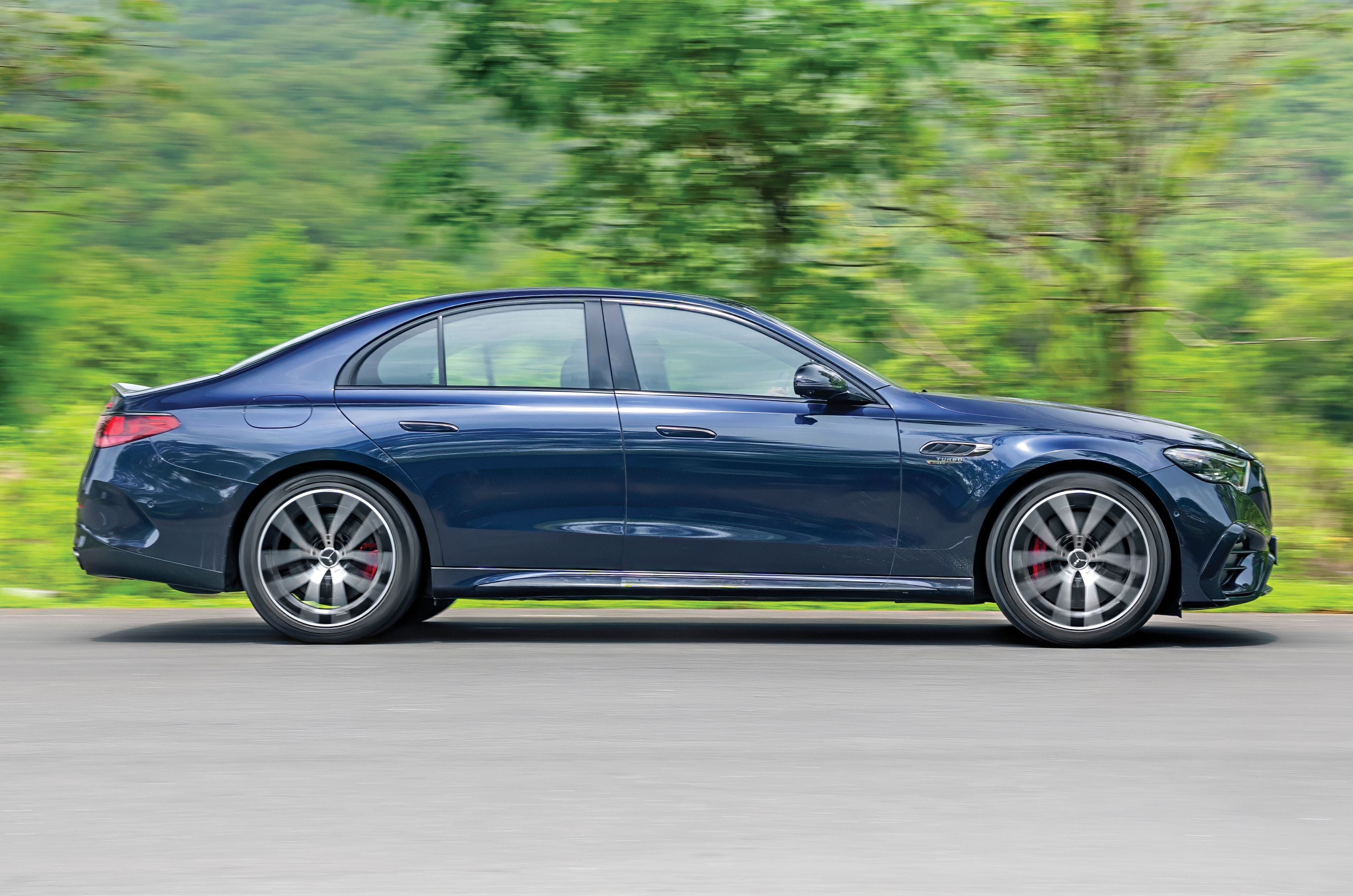
Around the bends, the E 53 feels remarkably composed, even though it lugs around a fairly substantial battery pack – its low placement helps keep the centre of gravity down. Body roll is kept in check. The Sport and Sport+ drive modes noticeably tighten up the car; the dampers become more responsive, and the steering gains heft.
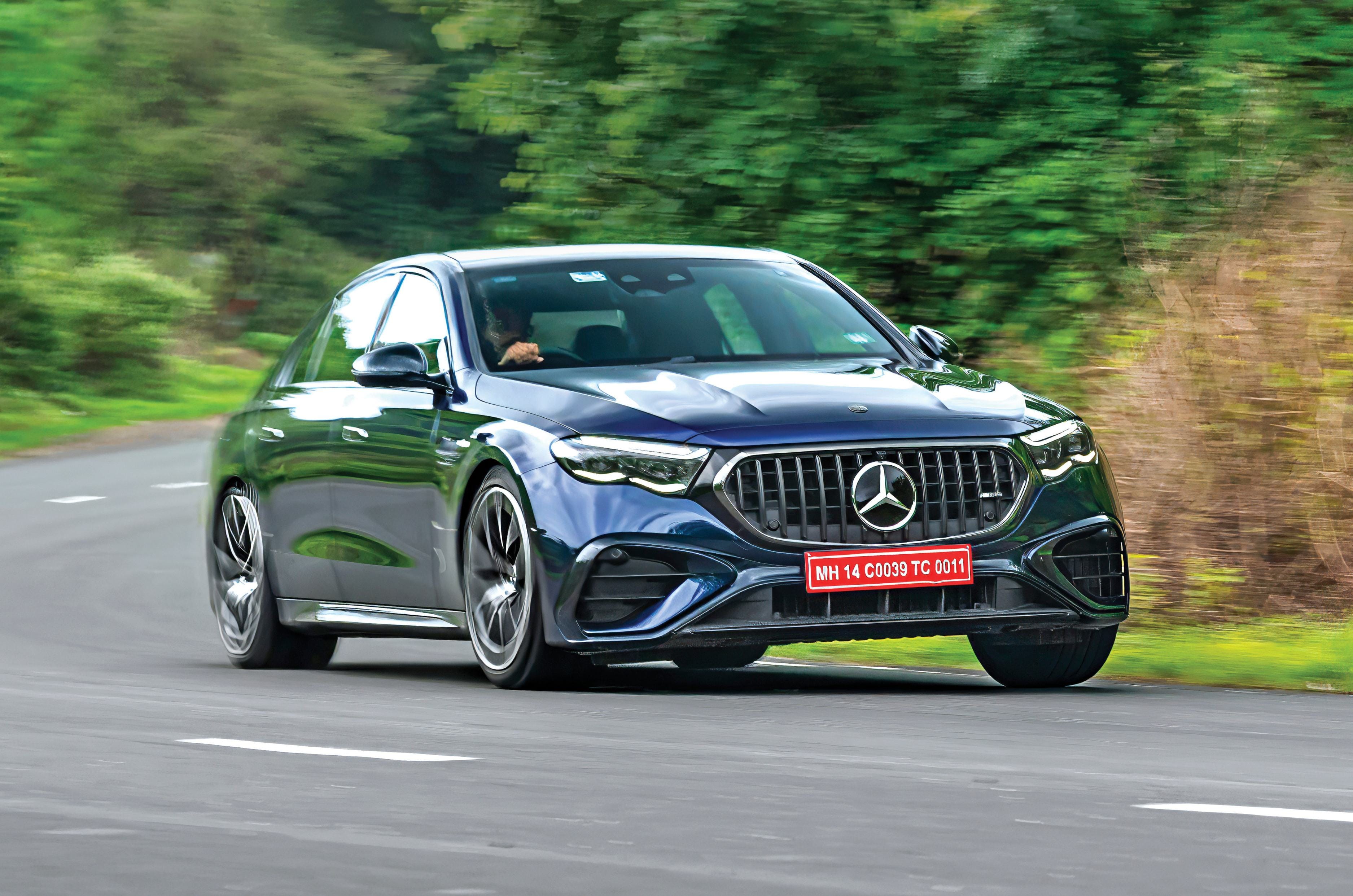
The AWD system is rear-biased, and the Michelin Pilot Sport 4S tyres confidently deploy all that power to the road. Rear-wheel steering of up to 2.5 degrees is also included, aiding stability through high-speed corners.
Cons
Unnatural brake feel
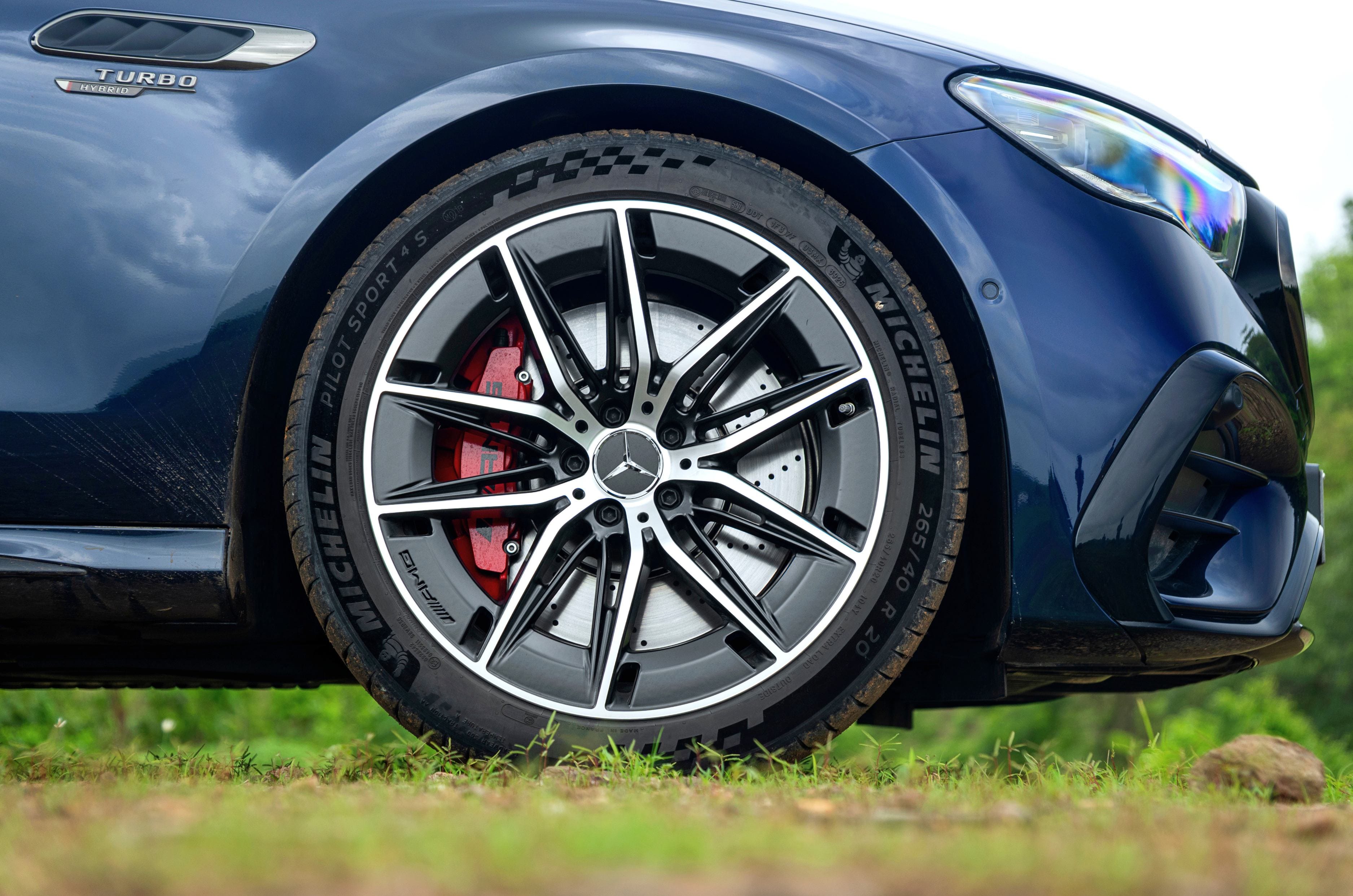
Despite being fitted with massive 390mm discs up front and regenerative braking, the E 53 doesn’t deliver a natural or consistent pedal feel. Stopping power is strong, but the spongy, inconsistent brake pedal puts a damper on an otherwise fun driving experience.
Poor in-cabin ergonomics
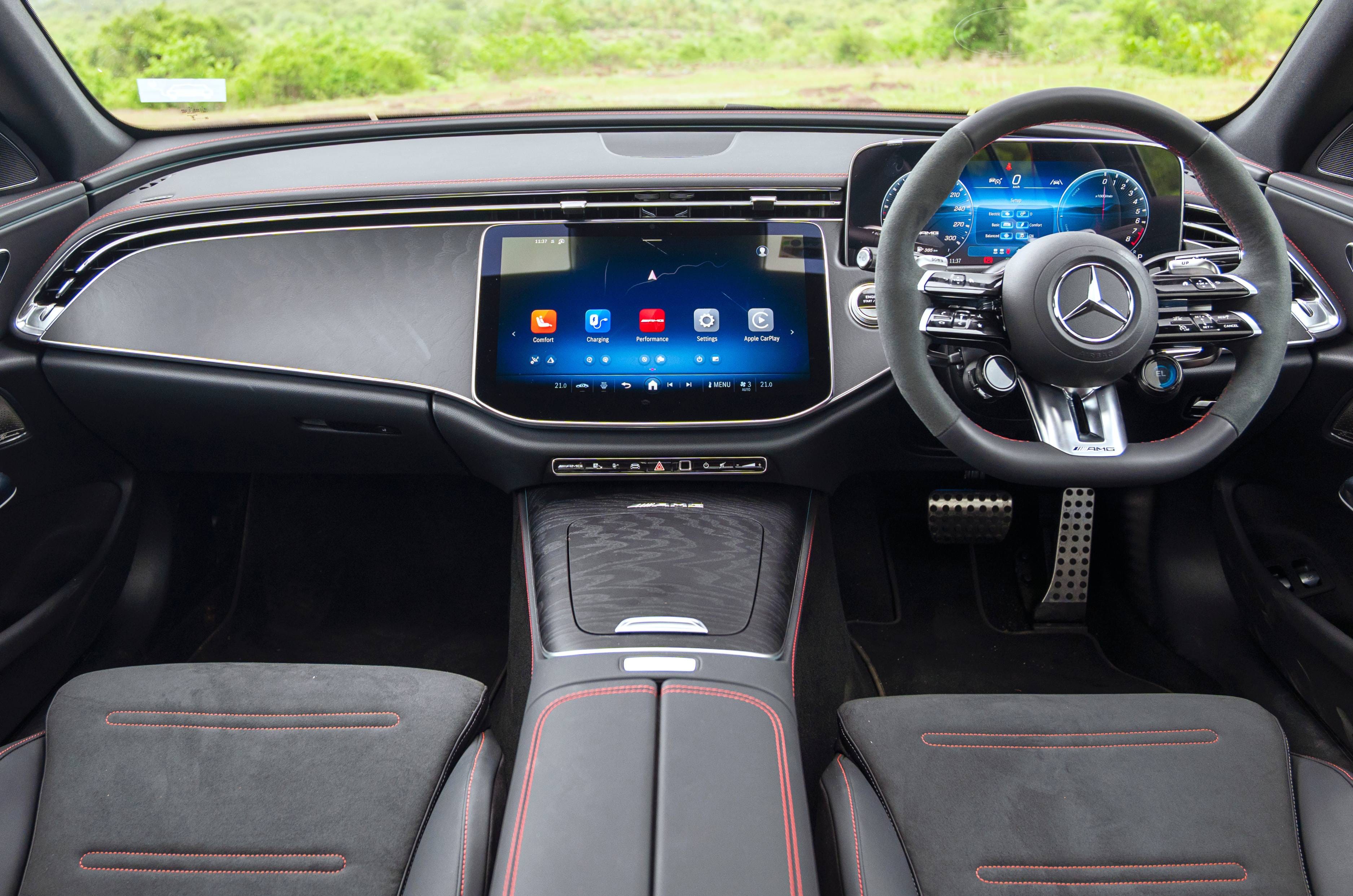
While the interior layout of the E 53 looks and feels very upmarket, its ergonomics suffer due to a glaring absence of physical controls. Much of the in-cabin functionality is folded into the large 14.4-inch central touchscreen, which isn’t all that intuitive to use while on the move. The touch-capacitive controls on the steering wheel further add to the frustration.
Compromised boot space
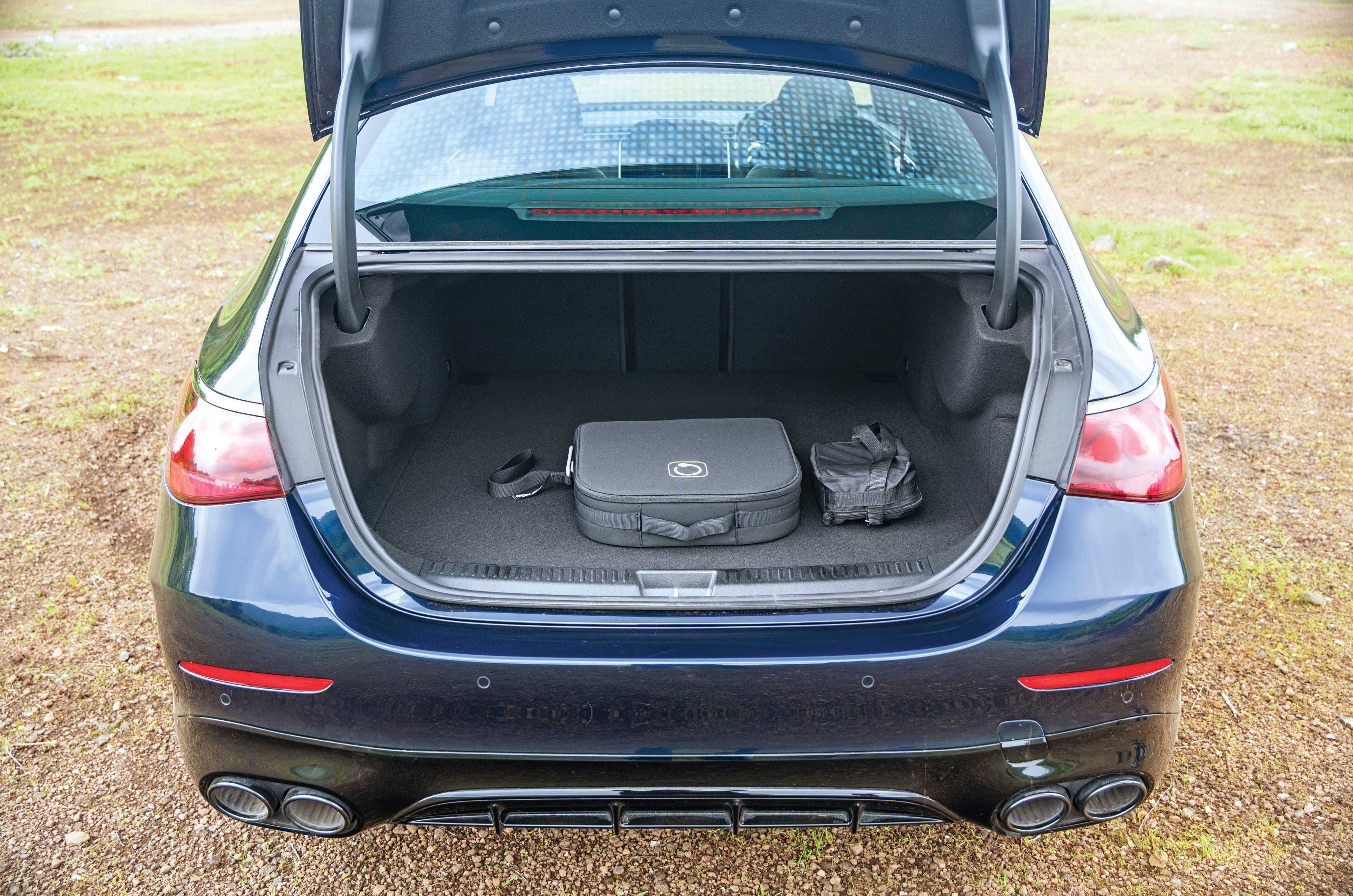
While the battery pack helps enhance the E 53’s performance and daily usability, its placement beneath the boot floor significantly eats into luggage capacity. At 370 litres, the E 53’s boot is 170 litres smaller than that of the standard E-Class. There’s no spare wheel either, with its space instead occupied by the charging cable and puncture repair kit.

 Uday Singh
 Glenn Noronha
 Dipan Sur
 Dhruv Dhaka
 Aditya Panicker