Autocar India
Introducing Badges

Every helpful action can earn a badge.

•13w

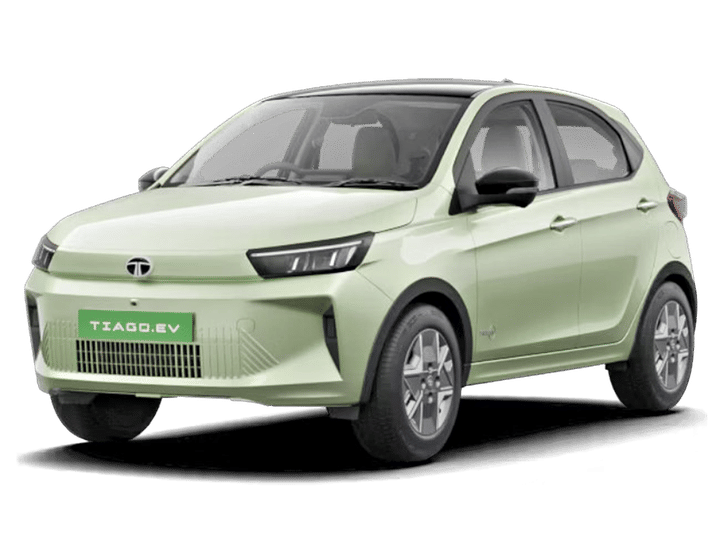
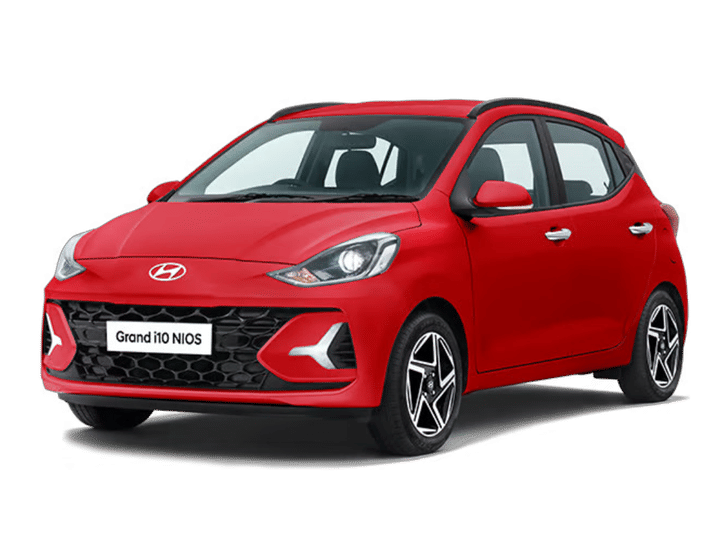
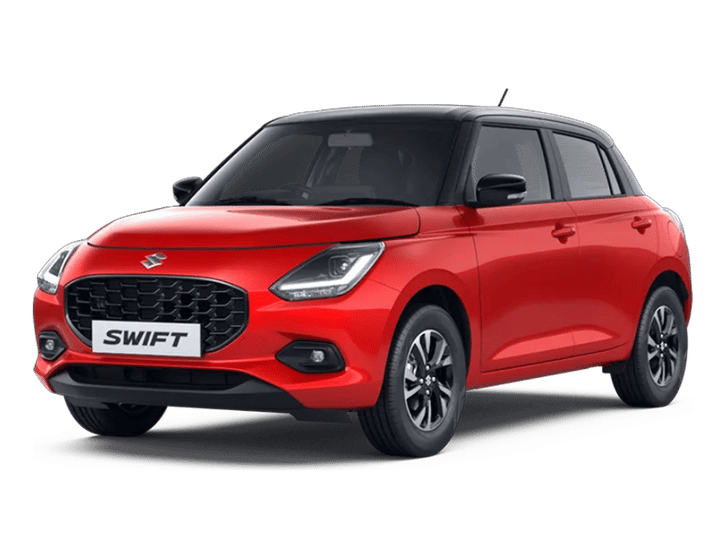
Hi everyone, I am a first-time lady driver looking for a safe, reliable, and easy-to-drive automatic hatchback primarily for heavy city traffic. I am confused between going electric with the Tata Tiago EV (I have a dedicated home charging spot) or choosing a traditional petrol automatic like the Hyundai Grand i10 Nios (AMT) or Maruti Suzuki Swift (AMT). For a complete beginner, does the Tiago EV make practical sense, or is a petrol AMT smoother and easier to live with as a first car? Please let me know which of these handles bumper-to-bumper traffic best, or if there is another model in this price range I should consider.

Verified
•12w

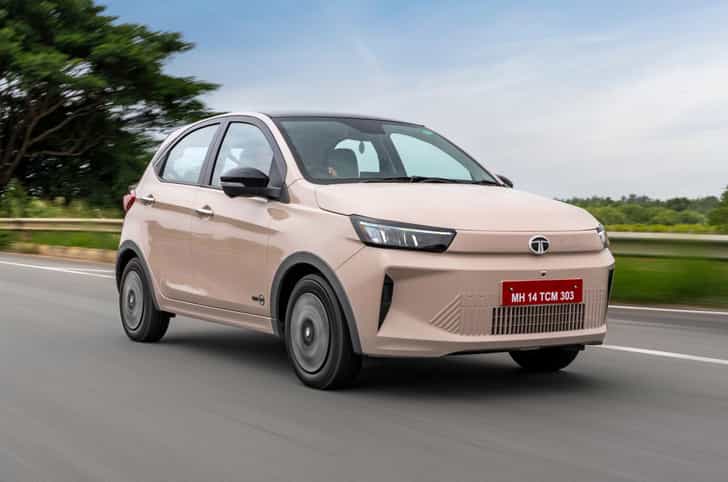
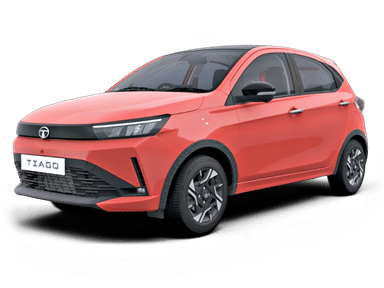
Go for the Tata Tiago EV. As a first-time driver with a dedicated home charging spot and heavy city traffic, it is the most sensible hatchback car. The Tiago EV is extremely easy to drive, with smooth, linear acceleration and no gear changes to worry about, which makes stop-start traffic far less stressful. It is also quiet, refined and very cheap to run compared to petrol cars. The range is more than adequate for daily city use, and with home charging, you will never have to worry about fuel stations.

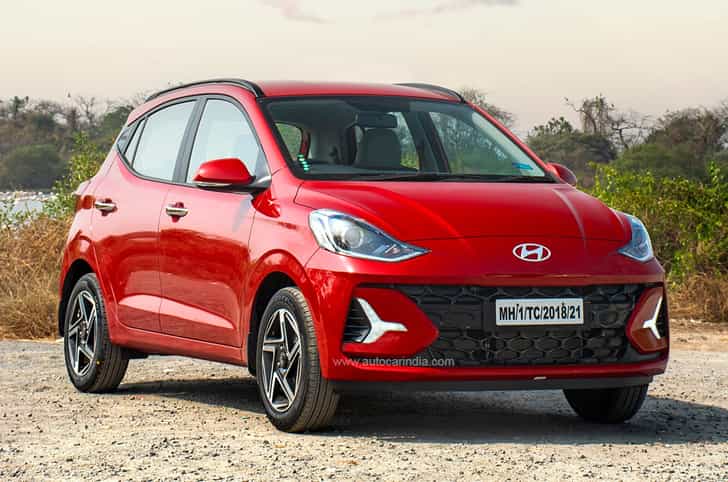
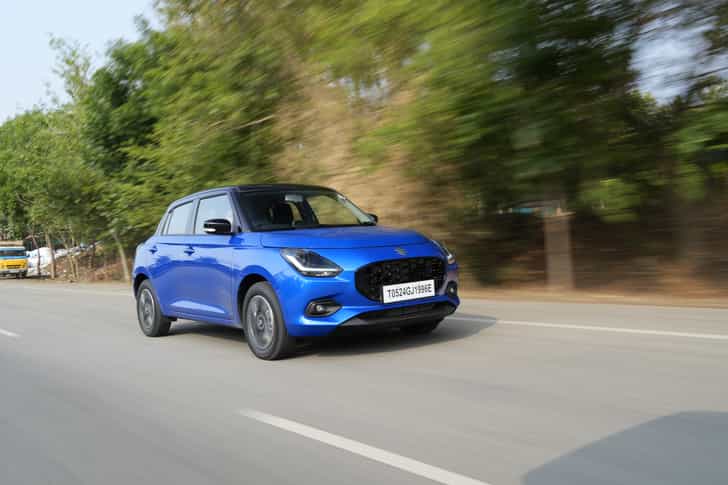
The Hyundai Grand i10 Nios and Maruti Suzuki Swift AMT are both reliable and easy to drive, but their AMT gearboxes can feel jerky at low speeds, especially in bumper-to-bumper traffic. The Tiago EV, by comparison, is seamless and far more relaxing to drive in the city. The only real drawback is that long highway trips require more planning, but for your usage pattern, that is not a major concern.

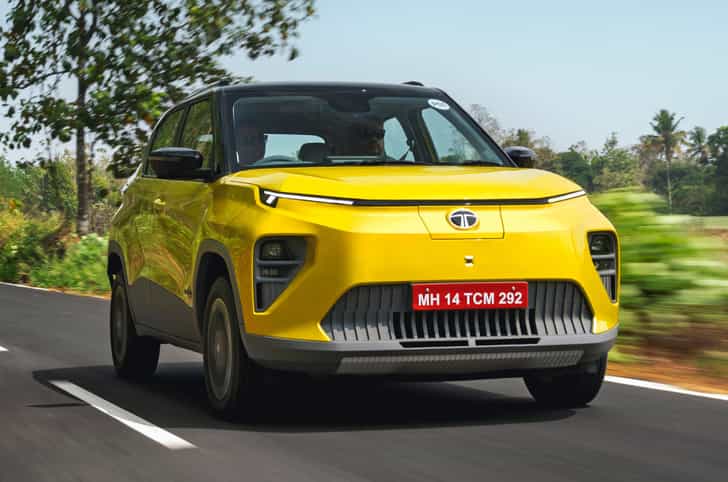
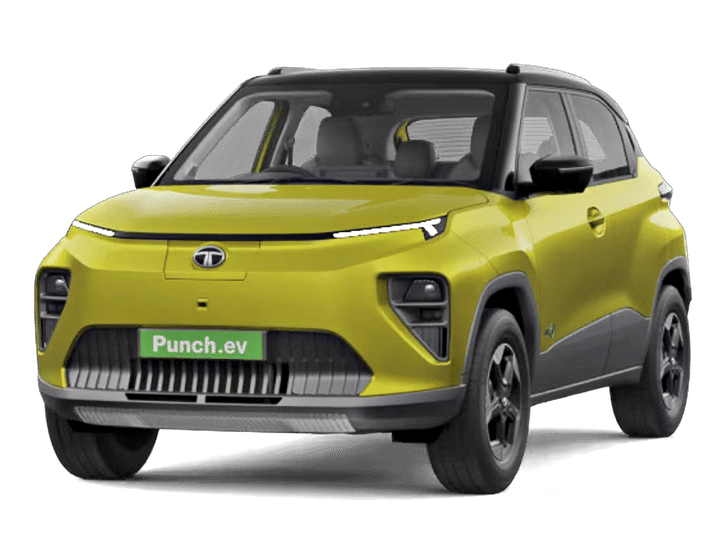
If you are open to a slightly higher budget, the Tata Punch EV is also worth considering as it offers a higher seating position and better visibility, which can be reassuring for a new driver. Overall, the Tiago EV is the best fit for your needs.
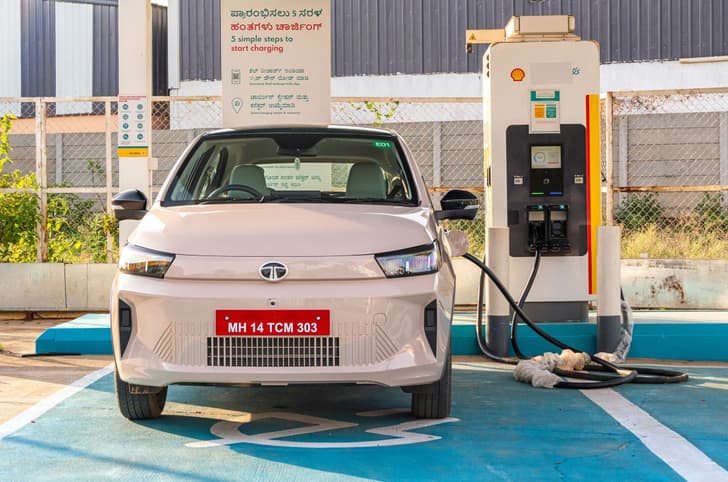
Tata Tiago EV

Tata Tiago EV

•12w•

@autocar.india Go with lower models cars like SPresso AMT as a beginner

•12w•

Tata punch EV automatic

More posts on similar cars

•2d

I have a 2023 Grand Vitara AT (non-hybrid) and spend around Rs. 12-14k per month on petrol. City mileage has dropped from around 13 to 10 kmpl. I have solar at home, so EV charging will be almost free or cost a maximum of Rs 3-4 per unit. I'm confused about whether to replace the Grand Vitara with an EV or keep it and buy a Tiago EV for daily city use. Or am I overthinking the fuel savings? Should I just keep the Grand Vitara and avoid buying a second car altogether? Would like to hear from people who have been in a similar situation. What makes more sense financially in the long run?

Verified
•2d

You are not overthinking the fuel savings, but the decision is not purely about fuel cost either. At Rs 12-14k per month on petrol, your running is high enough that an electric car makes strong financial sense, especially with solar at home.The bigger question is whether to replace the Grand Vitara or add a Tiago EV. If your daily usage is mostly city driving and the Grand Vitara is not being used for regular highway trips or family duties, replacing it with an EV is the cleaner financial decision. You eliminate the petrol expense entirely and avoid the depreciation and maintenance of a second car.If the Grand Vitara is still needed for highway trips, family use, or you simply enjoy owning it, then keeping it and adding a Tiago EV for city use is a sensible approach. The Tiago EV is a cost-effective city runabout and will take the bulk of your daily running, while the Grand Vitara remains available for longer trips.Financially, the biggest savings come from replacing the Grand Vitara with an EV. Adding a second car makes sense only if you genuinely need both vehicles. If the Grand Vitara is not essential, do not keep it just for occasional use.

VehicleTata Tiago EV

Has E20 fuel affected your mileage?
Is ADAS worth paying extra for in a car?

Popular discussions right now

•1w

I currently own a Jeep Compass and want to get an additional car for my father, with good reliability, unlike the Jeep. My father still drives a 2008 Honda City, and I am torn between a few choices: the Honda City, Skoda Slavia, Nissan Tekton and Toyota Hyryder. Or should I wait for the Virtus facelift or the new-generation Creta? His usage is low, at almost 500 km per month. Please suggest.

Verified
•4d

With just 500km a month, petrol is the clear choice, and reliability and ease of ownership become the most important factors. The Honda City is the safest recommendation here. It is a proven product with a strong reliability record, a comfortable ride and a familiar ownership experience that your father will appreciate, especially coming from a 2008 City. The Skoda Slavia and Volkswagen Virtus are both excellent to drive, but the 1.0 TSI engine can feel a bit laggy at low speeds, and the 1.5 TSI is overkill for this kind of usage. The Nissan Tekton is a good value proposition, but engines are not responsive at low speeds and Nissan's service network is not as strong as Honda's, which matters more for a low-running, long-term ownership scenario. The Toyota Urban Cruiser Hyryder is a solid option if you specifically want an SUV, but the hybrid premium does not make financial sense at this running, and the naturally aspirated petrol is not as refined as the City's engine. The new-generation Hyundai Creta is worth waiting for only if your father specifically wants an SUV; otherwise, the City remains the more sensible choice. Overall, the Honda City is the most reliable, comfortable and hassle-free option for your father's usage.

VehicleHonda City
VehicleSkoda Slavia
VehicleVolkswagen Virtus
VehicleToyota Urban Cruiser Hyryder
VehicleNissan Tekton
•1w

I’ve almost finalised the Skoda Kylaq Signature Automatic, and I really like the car. However, I’m a little worried about Skoda’s long-term service and maintenance costs, especially after the warranty period. I’m planning to keep the car for around 7–8 years. Would you recommend taking the Service Maintenance Package (SMP) along with the car? Is it worth the additional cost considering regular servicing and potential maintenance expenses? Also, compared with the Brezza and Nexon, how is the Kylaq Signature Automatic in terms of long-term reliability, service costs and parts replacement? Would really appreciate your advice before I make the final purchase decision.

Verified
•4d

If you like the Skoda Kylaq Signature Automatic, go ahead and buy it. It is a genuinely good car and one of the best driver’s cars in the segment. The 1.0 TSI engine paired with the 6-speed torque converter automatic is a proven combination, and Skoda’s reliability has improved significantly in recent years. The bigger concern is not reliability but long-term maintenance costs, which can be higher than Maruti or Tata once the car is out of warranty.This is where the Service Maintenance Package (SMP) makes sense. It locks in your service costs for the first 4-5 years, covers all scheduled maintenance and gives you peace of mind during the most expensive ownership period. If you are planning to keep the car for 7-8 years, it is worth the additional cost because it protects you from unexpected bills and helps you budget ownership costs more accurately.Compared to the Brezza and Nexon, the Kylaq is the better driver’s car with a more engaging driving experience and a stronger engine. The Brezza is the benchmark for long-term reliability and low maintenance costs, while the Nexon sits somewhere in between. The Kylaq is not unreliable, but parts and service can be more expensive once you are out of warranty.If you are buying the Kylaq, take the SMP and enjoy the car. If long-term ownership costs are your absolute priority, the Brezza is the safer financial choice.

VehicleSkoda Kylaq
VehicleMaruti Suzuki Brezza
VehicleTata Nexon

Upcoming launch buzz

Community discussions on upcoming launches
Add a photo of your Grand i10 Nios

First sightings, real road conditions, delivery buzz

Posted on: 19 Jul 2026