
Every helpful action can earn a badge.
Hello, given the DPF concerns and upcoming CAFE III regulations, with my driving pattern being 60% highway and 40% city and covering around 15,000 km annually, would a 1.5L diesel (automatic or manual) still be a worthwhile choice?

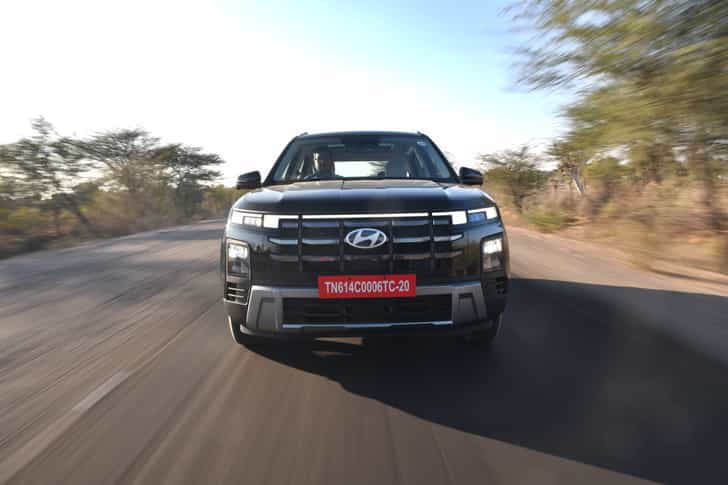
Yes, a 1.5-litre diesel is still a worthwhile choice for your usage. At 15,000 km a year with 60% highway driving, you are well within the sweet spot for diesel ownership. The DPF concerns are often overstated - modern diesels are designed to regenerate the filter during sustained highway runs, and your usage pattern is ideal for that. CAFE III regulations are pushing manufacturers towards cleaner engines, but they are not making diesels obsolete; they are simply making them more efficient and cleaner. The bigger question is whether diesel still makes financial sense. With the narrowing price gap between petrol and diesel, the payback period is longer than it used to be, but at your mileage and highway bias, it still adds up. If you are keeping the car for 5-7 years, you will see the benefit. As for automatic versus manual, go automatic if you want ease of use in city traffic; modern torque converter automatics on diesels are smooth and reliable in cars like the Kia Seltos and the Hyundai Creta. Overall, diesel is still the right choice for your usage.
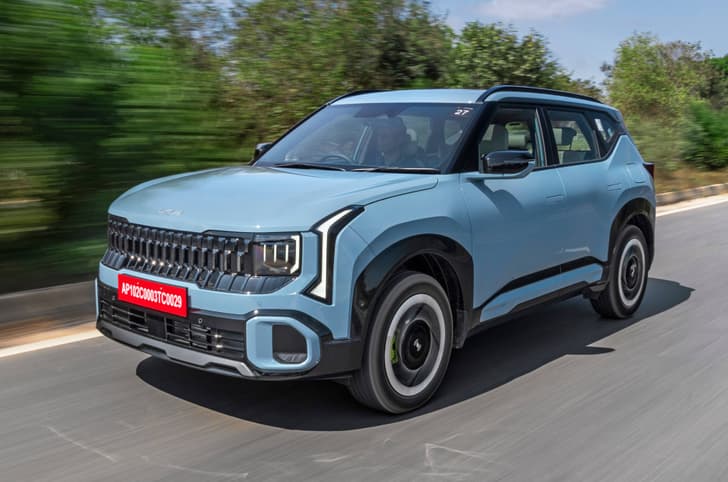
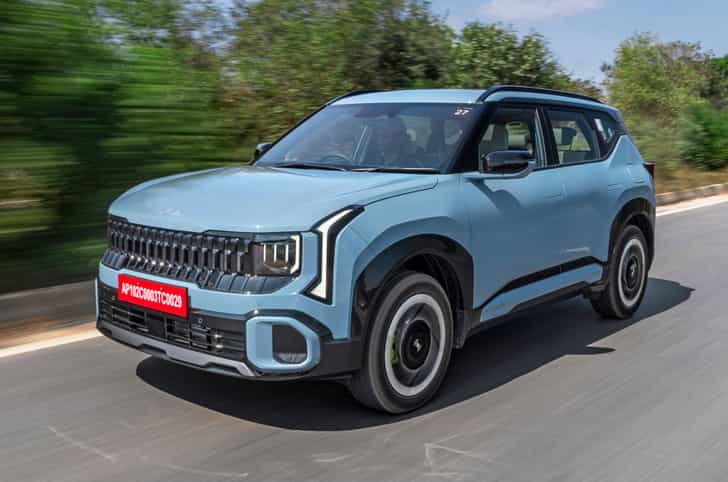
Kia Seltos
Explore cars mentioned
@autocar.india I think you should consider nexon diesel also it has powerful 1.5 kryoget diesel engine maybe that would suffice for you and also you may consider scorpio n depend on budget I would prefer nexon manual maybe 🤔 depends on your choice and I don't prefer flush door handles as given in modern cars and tata is more reliable than kia and select vfm variant for car and not just gimmick feature that would pain you in long term and I prefer reliability over features all the best for new car 👍
@giri_map Go for Seltos because seltos is more value than creta now facelift happend which has more package
Sorry brother go for hybrid petrol diesel is worst option to go for in bs6 and if mileage is not a concern and u r looking for amazing driving experience go for turbo petrol but do not even think of getting a diesel. The a i bots will never tell you the ground reality
@giri_map Go with Kia Seltos 👍
More posts on similar cars

Has E20 fuel affected your mileage?

Curated collections

Is ADAS worth paying extra for in a car?
Popular discussions right now
Upcoming launch buzz
Community discussions on upcoming launches
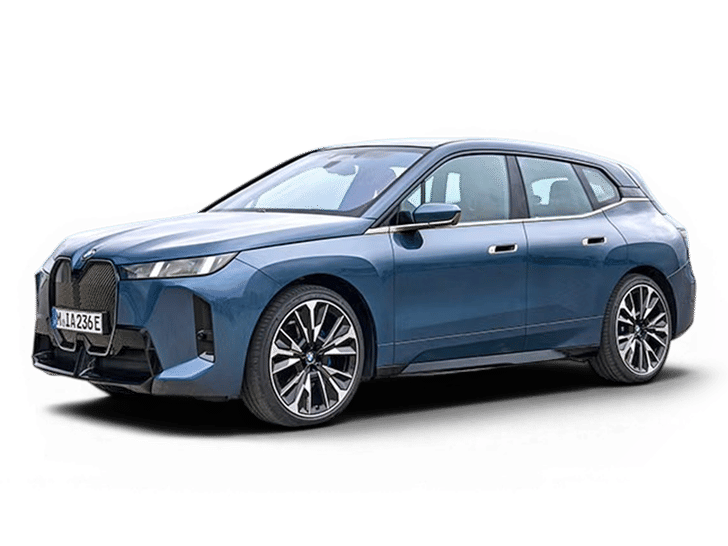
BMW
iX facelift

Audi
New Q5

Audi
A6 e-tron

Audi
Q6 e-tron

Audi
e-tron GT facelift

Volkswagen
Virtus facelift

Audi
A5

Vinfast
VF5

Hyundai
Bayon

Mercedes-Benz GLC
Electric




Posted on: 26 Aug 2026